
REVIEW · COIMBRA TOURS
Schist Villages and medieval castles tour
Portugal’s quiet mountain villages deserve a day of their own. This private excursion from Coimbra takes you into the Aldeias de Xisto, where dark schist houses, forested hills, old customs, medieval castles, and clear natural swimming spots offer a sharp change from city sightseeing. The tour costs $129 per person and is listed as lasting 4.5 hours, though the description also calls it a full-day outing, so confirm the exact schedule before booking.
I like the private format, which gives you room to ask questions and adjust the pace. I also like the mix of village life and castle history, rather than a tour focused only on pretty buildings. The main consideration is access: winding roads, hills, and village walking make this a poor fit for wheelchair users or people with limited mobility.
Guide Mónica receives especially strong praise for her warm manner, careful driving, and understanding of local life. She grew up in the region and can add personal stories about Portuguese customs, mountain communities, and the areas affected by wildfires. Bring water, snacks, comfortable shoes, and a towel if you plan to swim.
In This Review
- Key Points Before You Book
- Leaving Coimbra for the Aldeias de Xisto
- Walking Through the Schist Villages
- What the Villages Tell You About Portuguese Life
- Two Medieval Castles and a Larger History
- A Natural Pool Stop for a Cooler Pace
- Optional Lunch in a Local Restaurant
- Why the Private Format Matters
- The Guide Makes the Difference
- Price, Timing, and Practical Value
- Who Should Book This Experience?
- Should You Book the Schist Villages Tour?
- FAQ
- Where does the Schist Villages and medieval castles tour begin?
- How long does the tour last?
- How much does the tour cost?
- Is the tour private?
- Which languages are available?
- Are meals included?
- Can I swim during the tour?
- What should I bring?
- Is the tour suitable for wheelchair users?
Key Points Before You Book
- Private sightseeing from Coimbra: Pickup from your accommodation can be arranged, subject to agreement about the meeting point and any added value.
- Two different sides of central Portugal: You see traditional schist homes and medieval castles in the same outing.
- Mónica is a major strength: Her English, Portuguese, and Spanish language skills make the tour easy to follow and personal.
- A chance to swim outdoors: A river or natural pool stop lets you cool off in peaceful surroundings during suitable weather.
- Lunch is optional: A traditional meal at a local restaurant can be arranged, but it is not included in the listed price.
- Best for walkers: Expect uneven ground, village paths, hills, and winding mountain roads.
Leaving Coimbra for the Aldeias de Xisto
The tour begins with transport from Coimbra, which saves you the trouble of finding a rental car and navigating narrow, hilly roads. That matters here. The appeal lies beyond the main urban routes, and one of the tour’s practical benefits is having someone else handle the driving.
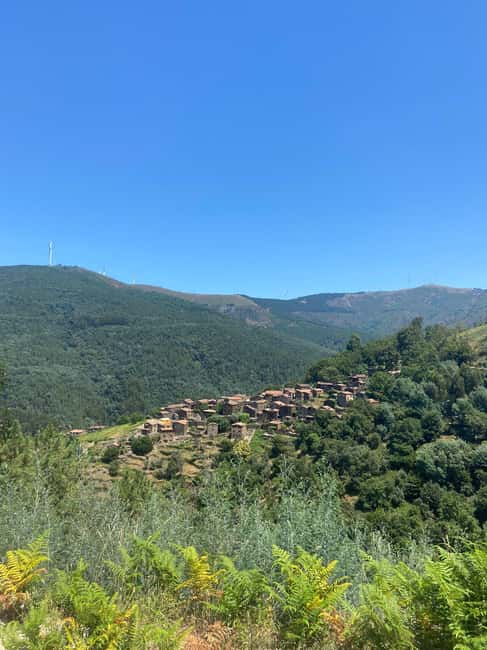
The journey takes you toward Portugal’s Schist Villages, known locally as the Aldeias de Xisto. These communities were built largely with the dark, layered stone found in the surrounding mountains. The material gives the villages a unified look, but the individual settlements still differ in condition, setting, and feel.
You may pass through forests, hills, streams, and small rivers on the way. The scenery is a big part of the experience, not just background between stops. In spring or after wet weather, the countryside can feel especially fresh. In drier months, you may notice more muted colors. One visitor who toured after nearby wildfires found parts of the mountains scarred, while the villages themselves remained intact and attractive.
That detail is worth keeping in mind. This is a rural region shaped by both nature and its risks. The tour gives you more than postcard views because the guide can explain how people live with the mountains, changing weather, fires, and isolation.
A few more Coimbra options side by side
- Coimbra: Live Fado Show with Glass of Port Wine
★ 4.7 · 998 reviews - University of Coimbra guided tours without queue
★ 5.0 · 518 reviews - Guided tour of the University and city of Coimbra.
★ 5.0 · 377 reviews
Walking Through the Schist Villages
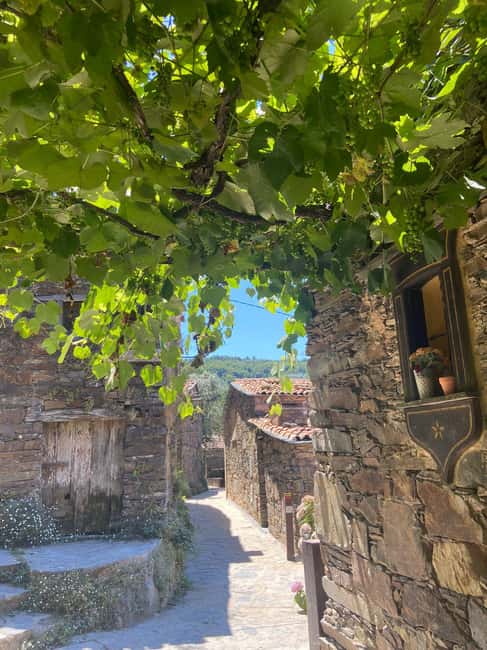
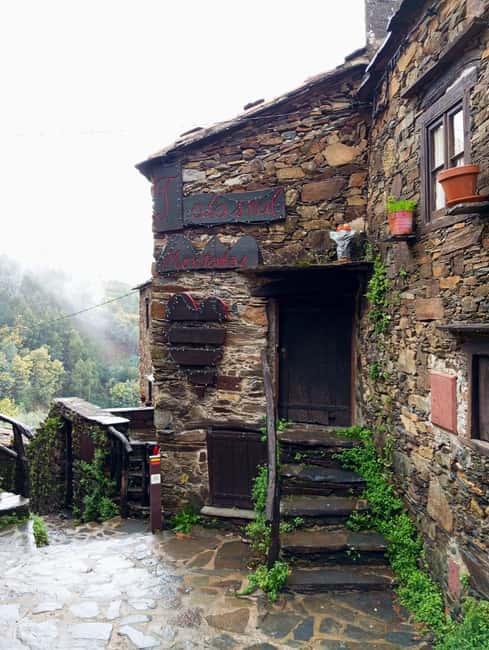
The village visits are the heart of the outing. You walk among houses made from schist and learn how the buildings fit the terrain. These are not grand monuments. Their value comes from the way they show ordinary life, local materials, and practical building traditions.
Some homes and streets have been restored for visitors, while others retain a more natural, lived-in appearance. That contrast is useful. A polished village can make it easier to understand the architectural style, while a less renovated one gives you a better sense of how the communities developed over time.
Your guide explains customs and habits that have continued across generations. The point is not simply to identify stone walls. You learn how village life was organized, what the buildings reveal about the past, and how local traditions remain tied to the surrounding land.
Mónica is particularly well suited to this part of the tour. She can connect the wider story of Portugal with her own childhood experiences in the region. That personal connection gives the visit a human scale. Instead of hearing only dates and labels, you get a clearer idea of how Portuguese people have lived in mountain communities.
You may visit two small schist villages, though the exact stops can depend on the day and agreed route. One useful feature of a private tour is that you can ask questions or spend more time where the setting interests you most. Still, do not expect a long, formal village walk with a fixed museum program. The experience is more about observing, listening, and moving through the settlements with a local guide.
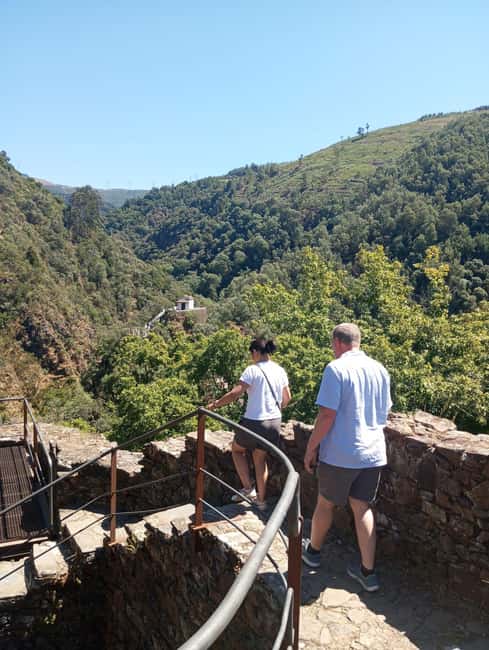
Wear shoes with a good grip. Village streets can be uneven, and the tour is not suitable for people with mobility impairments or wheelchair users. If you walk comfortably but dislike steep or irregular paths, ask about the route before you reserve.
What the Villages Tell You About Portuguese Life
The tour works best when you look beyond the stone. Schist architecture reflects a close relationship between people and local resources. In remote communities, building with nearby material was practical, durable, and economical. The houses also show how families adapted to a rugged setting where daily life required cooperation and careful use of land.
You will hear about customs that have survived despite changes in transport, work, and modern housing. The villages are not simply frozen historical displays. They are places where old structures, restored buildings, local businesses, and natural spaces meet.
That makes this a good choice if you have already seen Coimbra’s monuments and want a different side of the region. You trade university buildings and city streets for mountain roads, quiet lanes, and small settlements. The change is substantial, even though the villages are reachable from Coimbra.
I also like the chance to ask about present-day Portugal. Mónica is described as someone who can discuss both local traditions and current affairs, which helps prevent the excursion from becoming a lesson about a vanished past. You can talk about what has changed, what remains, and how people in rural areas relate to the rest of the country.
Two Medieval Castles and a Larger History
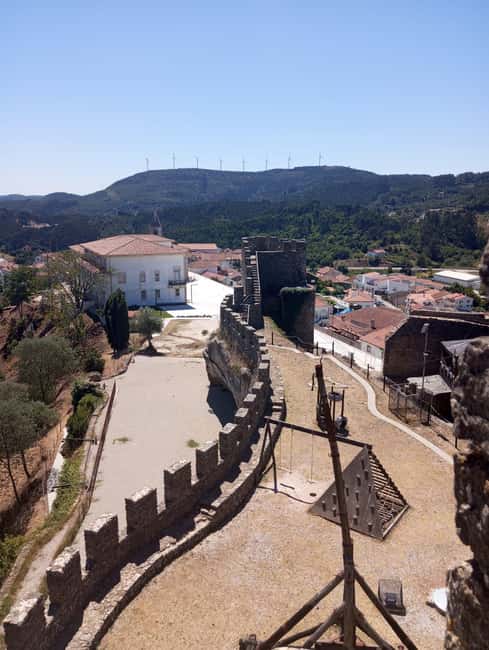
The castle visits provide a strong contrast to the villages. Schist homes show the scale of everyday life. The castles bring in power, defense, noble families, kings, and military orders.
The route includes two important medieval castles connected with the Coimbra area. Penela Castle is specifically identified as one of the stops. The other castle is not named in the supplied details, so confirm the exact sites when you book.
At the castles, the guide adds context about Portuguese history, earldoms, monarchs, and the Knights Templar. This is valuable because medieval fortifications can otherwise blur together. A good explanation helps you understand why a castle occupies its particular hill and how it relates to the region around it.
The castle section also changes the rhythm of the tour. After quiet village streets and natural scenery, you get a stronger sense of military and political history. I like that the tour does not treat these as unrelated attractions. The village communities and fortified sites belong to the same broader story of settlement, control, movement, and survival.
Do not expect a large castle complex with hours of indoor exhibits unless that is confirmed separately. The supplied details focus on guided visits and historical context. You should think of these stops as part of a scenic regional route, not as a full archaeological tour.
Same corner of the country, a different pace:
- Coimbra: Mondego River Kayaking Tour
★ 4.7 · 324 reviews - Coimbra: Guided tour with a local student
★ 5.0 · 170 reviews - Portugal dos Pequenitos entry ticket
★ 4.2 · 167 reviews - Joanina Library & Coimbra University | Private Former Alumni Tour
★ 5.0 · 135 reviews
A Natural Pool Stop for a Cooler Pace
The opportunity to swim in a river or natural pool adds a welcome outdoor element. After walking through villages and visiting castles, you can pause beside the water, relax, and enjoy the quiet surroundings.
Bring swimwear and a towel if you want to take part. Swimming is an opportunity, not a required activity, so you can simply sit near the water if you prefer. The tour description does not guarantee a particular pool, water temperature, or swimming conditions, so treat this as a flexible stop rather than the main reason to book.
This part of the outing will appeal most in warm weather. On a cool or rainy day, you may prefer a shorter visit. One spring excursion took place in cold, wet weather, with fog adding atmosphere to the mountain scenery. That can be beautiful, but it is a reminder to dress for conditions rather than relying on a summer forecast.
The natural stop also supports the tour’s main theme: contact with nature and local traditions. You are not being rushed from one indoor attraction to another. The mountains, streams, and rivers are part of the story.
Optional Lunch in a Local Restaurant
A traditional lunch can be arranged at a local restaurant if requested. Meals are not included in the $129 price, so ask about the menu and extra cost before the day begins.
This is a useful option if you want the tour to include a proper local meal rather than relying on snacks. A meal in a village restaurant can also make the regional foodways easier to understand. Still, the details provided do not specify the restaurant, dishes, drinks, or price, so you should not assume that lunch is automatically part of the booking.
Bring snacks and water either way. The itinerary includes several rural stops, and a short tour in the countryside does not guarantee easy access to shops at every point. Having your own water is especially sensible in warm weather or if you plan to walk and swim.
Why the Private Format Matters
This is a private-group tour, and that is one of its clearest advantages. The pace can feel more natural when you are not waiting for a large coach group to finish photographs or gather at each stop.
Several bookings were described as one person with Mónica, while another small group appreciated being able to cover more sights. That tells you what the private format can offer: conversation, flexibility, and a guide who can respond to your interests.
It also makes the transport feel less anonymous. You can ask about Portuguese life, local history, food, architecture, or the route itself without worrying about holding up a busload of people. If you enjoy a social group atmosphere, this may feel too quiet. If you want personal attention, it is a strong match.
Mónica’s driving is another practical advantage. The mountain roads are winding and hilly, and one person specifically appreciated not having to drive. If you are comfortable driving rural Portugal, you could possibly explore independently, but the guide’s local route knowledge removes much of the stress.
The Guide Makes the Difference
Mónica is repeatedly praised for her warmth, patience, enthusiasm, and ability to explain the region in English. Those qualities matter more here than a memorized speech because the tour depends on conversation and interpretation.
She has been described as attentive, entertaining, and generous with her time. She can discuss the villages, medieval history, Portuguese culture, and personal memories from growing up nearby. That range helps the tour move between large events and small details without feeling like a school lecture.
Her language skills cover English, Portuguese, and Spanish. If you have limited Portuguese, you can still ask questions and follow the historical explanations. One booking noted that she remained patient with imperfect Portuguese and communicated well in English.
A guide cannot control the weather, the condition of every road, or the amount of green countryside after a wildfire. What she can do is help you understand what you are seeing. That is the main reason this tour earns such a high overall score of 4.9 from 41 ratings.
Price, Timing, and Practical Value
At $129 per person, the tour is not the cheapest way to see rural Portugal. The value depends on how many people are in your private group and how much you value door-to-door transport, local interpretation, and not driving yourself.
For a solo visitor or couple, the price buys a personal guide, transport, village visits, castle visits, and the chance to shape the day through conversation. For a larger private group, the cost per person may feel easier to justify. Lunch costs extra, and personal expenses are not included.
The listed duration is 4.5 hours, while the description also refers to a full-day tour. That is a meaningful difference. Ask for the exact pickup time, return time, number of village stops, castle schedule, and time allowed for swimming before you commit. Transportation from a specific point can be arranged by agreement, but any different pickup value should also be settled in advance.
Free cancellation is available up to 24 hours before the activity for a full refund. You can also reserve now and pay later, which helps if your Coimbra plans are still shifting.
Who Should Book This Experience?
I would recommend this tour if you want rural scenery, personal guiding, and a closer look at Portuguese traditions. It suits couples, solo visitors, families with older children who walk well, and small groups who prefer conversation over a large organized outing.
It is especially useful if you do not want to rent a car. The roads can be steep and winding, and the guide handles the driving while you look out at the countryside.
You should think twice if you need step-free access, dislike uneven paths, or want a tightly timed museum-style excursion. The natural pool is seasonal in spirit, lunch is optional, and the exact route may need confirmation.
Should You Book the Schist Villages Tour?
Yes, if your ideal day from Coimbra includes quiet villages, mountain roads, medieval castles, and a guide who can connect local life with Portuguese history. The private format and Mónica’s personal approach are the strongest reasons to choose it.
Before booking, confirm the apparent 4.5-hour versus full-day timing, the two castle names, lunch arrangements, pickup details, and swimming conditions. If those points suit your plans, this offers a thoughtful change from Portugal’s better-known city sights and a practical way to reach the Schist Villages without driving yourself.
FAQ
Where does the Schist Villages and medieval castles tour begin?
The tour includes pickup from your hotel in Coimbra. Transportation from another specific point may be arranged if agreed in advance, including any change in value.
How long does the tour last?
The activity information lists a duration of 4.5 hours. The description also refers to it as a full-day tour, so confirm the exact schedule and return time before booking.
How much does the tour cost?
The listed price is $129 per person.
Is the tour private?
Yes. The experience is operated for a private group rather than a large shared group.
Which languages are available?
The live guide can provide the tour in English, Portuguese, or Spanish.
Are meals included?
No. Meals are not included in the listed price. A traditional lunch can be arranged at a local restaurant upon request.
Can I swim during the tour?
Yes, the tour includes an opportunity to swim in natural waters. Bring swimwear and a towel if you want to swim.
What should I bring?
Bring comfortable shoes, comfortable clothing, water, and snacks. Pack swimwear and a towel if you plan to use the natural pool or river.
Is the tour suitable for wheelchair users?
No. The tour is not suitable for wheelchair users or people with mobility impairments. Expect walking on uneven ground and routes through hilly areas.
Recently added in Coimbra
- Lousa Mountain Private Tour★ 5.0 · 88 reviews
- Time travel at the Convent of Christ Tomar★ 5.0 · 56 reviews
- Soft Canyoning, river Ceira, Góis, Serra da Lousa, Coimbra★ 5.0 · 48 reviews
- Schist Villages at Lousa Mountain★ 5.0 · 127 reviews
- All of Tomar’s history and loads of fun.★ 5.0 · 39 reviews
- Discovering the charms and places of Coimbra★ 5.0 · 78 reviews
- University of Coimbra – more complete and private visit, ticket included★ 5.0 · 53 reviews
- Schist Villages of Lousã Mountain, half-day from Coimbra★ 5.0 · 42 reviews
Coimbra Tours, compared.
University of Coimbra guided tours without queue
Read our review →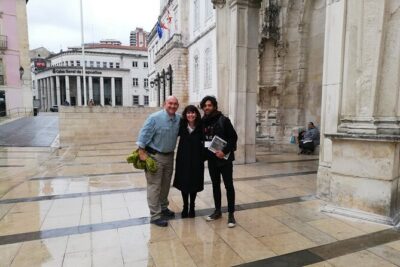
Guided tour of the University and city of Coimbra.
Read our review →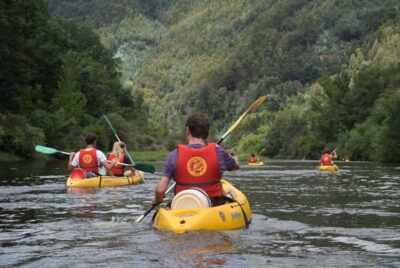
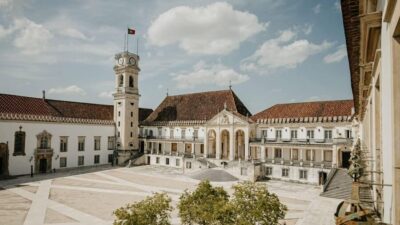

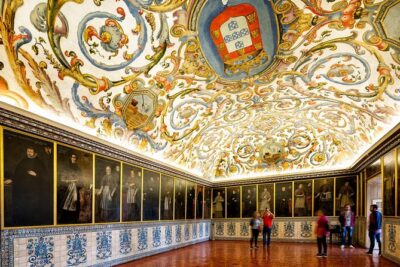
Joanina Library & Coimbra University | Private Former Alumni Tour
Read our review →
Browse the lists this tour appears in