
REVIEW · COIMBRA TOURS
Schist Villages at Lousa Mountain
Portugal has mountain villages few tourists reach. This private trip from Coimbra takes you into the Lousã Mountain by rough mountain roads and on foot, where slate homes, springs, chestnut trees, and quiet woodland replace city streets. I like the flexible private format, and I like that guide Alfredo combines village history with sharp eyes for wildlife. The main consideration is the terrain: steep steps, uneven paths, and narrow unpaved roads are part of the appeal.
The half-day option focuses on three especially rewarding villages, while the full-day version adds Aigra Velha, Aigra Nova, and Pena. At $102.80 per person, the cost is not small, but it covers private transport, a driver-guide, activities, binoculars, and hotel pickup when selected. It makes particular sense if you do not want to drive mountain roads yourself.
In This Review
- What makes this mountain trip worth your time
- Why Lousã Mountain feels different from Coimbra
- Cerdeira, where the path begins under trees
- Candal, the easiest village to reach
- Talasnal, the best-restored village on the route
- Casal Novo, easy to miss from the rough road
- Gondramaz, restoration with a coffee break
- Cadaval Cimeiro and Cadaval Fundeiro, walking through loss
- Aigra Velha at 770 meters
- Aigra Nova, a living village
- Pena, where stone homes defy the slope
- Half-day or full-day: choosing the right route
- The value of $102.80 per person
- What to wear and how much walking to expect
- A personal guide makes the difference
- Booking, cancellation, and who should go
- Should you book the Lousã Mountain schist villages tour?
- FAQ
- Where does the tour start and end?
- Is hotel pickup available?
- How long does the tour last?
- Which villages are included on the half-day route?
- Which villages are only included on the full-day tour?
- Is this a private tour?
- Is transportation included?
- Are meals included?
- What is the cancellation policy?
What makes this mountain trip worth your time
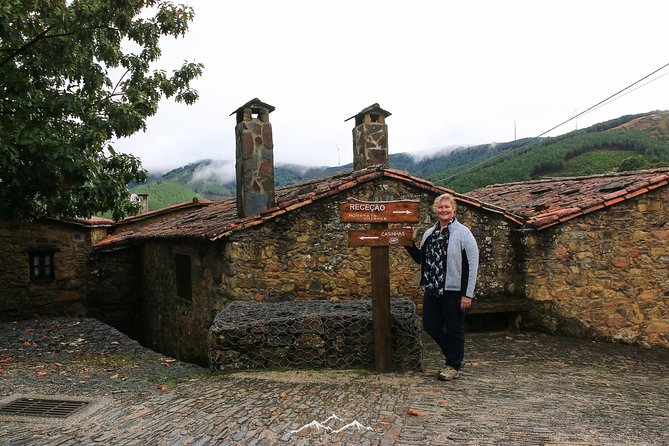
- Cerdeira feels like a storybook village, reached by a small bridge and shaded paths leading toward a spring.
- Talasnal and Candal show two sides of village life, one carefully restored and atmospheric, the other more developed and easier to reach.
- The private vehicle matters, since some roads are unpaved, steep, and without guardrails.
- Short walks bring the villages to life, with steps, woodland, old houses, mountain water, and broad views.
- Alfredo adds natural history, pointing out plants, trees, and wildlife, including deer.
- The full-day route reaches higher and quieter villages, including Aigra Velha at 770 meters and the striking village of Pena.
Why Lousã Mountain feels different from Coimbra
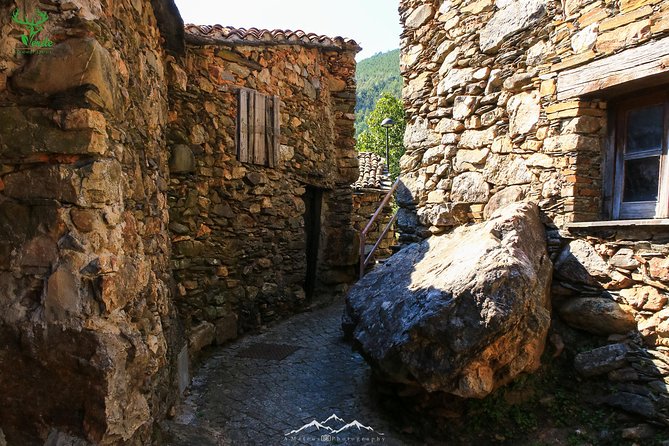
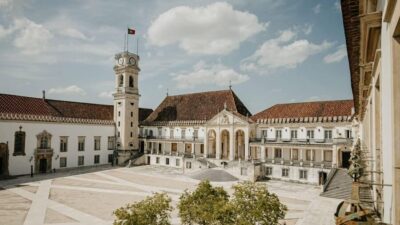
Coimbra gives you university buildings, churches, and city cafés. Lousã Mountain gives you silence, forest, stone lanes, and small communities shaped by the terrain. The villages are built largely from schist, a dark slate-like stone that gives the houses a strong local identity.
This is not a tour of grand monuments. Its reward is slower and more physical. You walk through places where homes cling to slopes, streams cut through the hills, and restoration work has helped keep old villages from disappearing. I like this kind of outing because it shows a less polished side of Portugal.
The tour is private, with only your own group participating, and bookings are limited to a maximum of 10 people. That changes the mood considerably. You can ask questions, linger at a spring, or adjust the pace without trying to keep up with a large bus group.
Alfredo receives the most consistent praise. He is described as warm, patient, friendly, and well informed about local history, Portuguese culture, plants, animals, and village life. He also translates and keeps conversation flowing when people in the group speak different languages. One especially memorable detail is his ability to spot wildlife, including a large deer in the forest.
A few more Coimbra options side by side
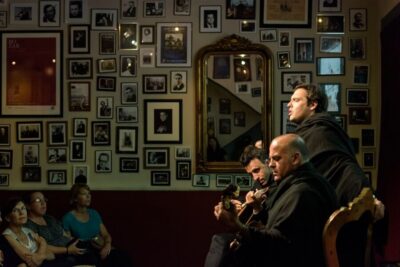
- Coimbra: Live Fado Show with Glass of Port Wine
★ 4.7 · 998 reviews - University of Coimbra guided tours without queue
★ 5.0 · 518 reviews - Guided tour of the University and city of Coimbra.
★ 5.0 · 377 reviews
Cerdeira, where the path begins under trees
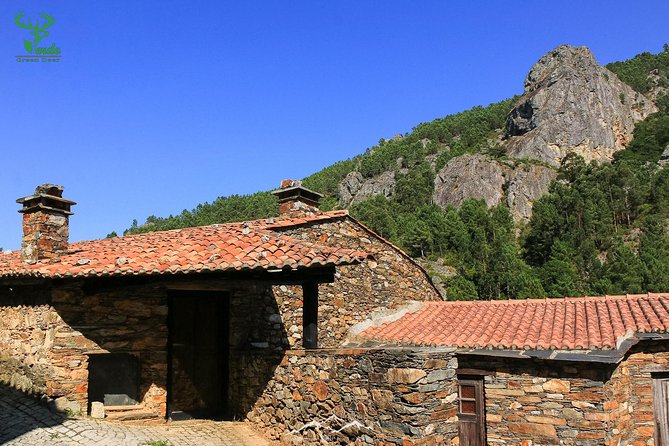
Cerdeira is a fine opening stop because it immediately feels remote. A small bridge marks the entrance, and a few houses appear through the foliage. The slate path leads toward a spring concealed by thick vegetation.
The village sits between steep slopes cut by mountain watercourses. Its quiet setting is part of its charm, but Cerdeira is not simply an abandoned old settlement. Art and creative work have helped give it new life, and at certain times of year it hosts events linking art and plant life.
You get about 30 minutes here, enough to walk through the small cluster and take in the setting. Do not expect a long, formal museum visit. The pleasure comes from details: the stonework, the path, the water, and the sense of a place being brought back carefully rather than rebuilt into a theme park.
Candal, the easiest village to reach
Candal is generally the most developed and most visited of the mountain villages. Its position near the National Highway makes it easier to reach than the more isolated settlements, and it has long welcomed weekend and holiday visitors.
That accessibility gives Candal a different character. It feels less secluded than Cerdeira, but it is also a useful stop for understanding how these villages function today. The mountain air, homes, and local setting remain the focus, while the easier road connection helps support regular life and visits.
You will have around 30 minutes. Use it to look beyond the first row of houses and notice how the village fits into the slopes. The tour is not designed as a long café break here, so keep your attention on the architecture and setting unless your guide suggests otherwise.
Talasnal, the best-restored village on the route
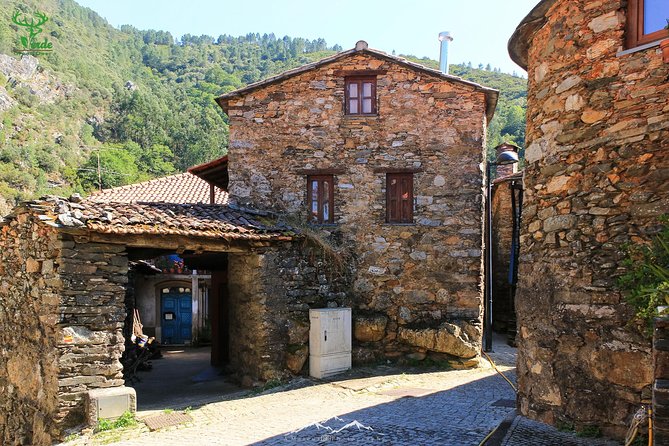
Aldeia do Talasnal is likely to be the visual star of the half-day tour. Nature surrounds it, and many of its schist homes have been restored with unusual care. Small architectural details give the village much of its appeal.
The settlement is also known for food and hospitality. The description hints at its ability to win people over through the mouth, and the trip can include local snacks or a meal if arranged and paid for separately. Chanfana, a traditional goat dish, and local wine were highlights for one participant, while another praised a pastry enjoyed during the full-day route.
Talasnal is not flat or effortless. You should expect steps and uneven lanes. One person with limited stamina felt the guide would have allowed time for breaks, but the walking still requires some care. Wear shoes with a firm sole, especially after rain.
Same corner of the country, a different pace:
- Coimbra: Mondego River Kayaking Tour
★ 4.7 · 324 reviews - Coimbra: Guided tour with a local student
★ 5.0 · 170 reviews - Portugal dos Pequenitos entry ticket
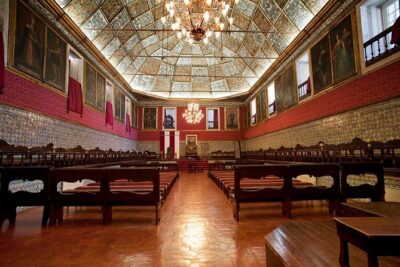
★ 4.2 · 167 reviews - Joanina Library & Coimbra University | Private Former Alumni Tour
★ 5.0 · 135 reviews
Casal Novo, easy to miss from the rough road
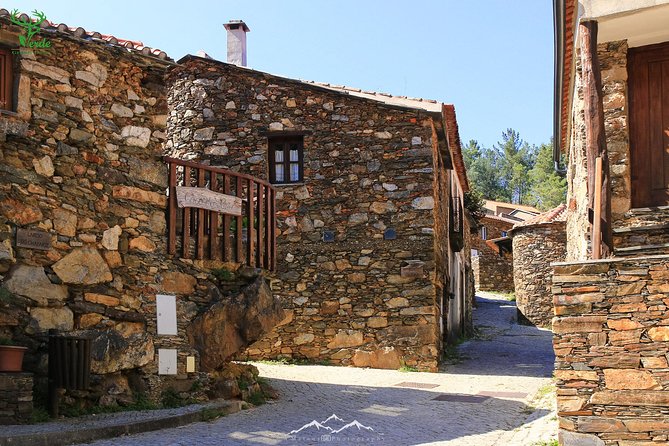
The route between villages includes an unpaved road where Casal Novo can almost disappear from view. It lies in a fold on a steep, north-facing hillside, with woodland masking much of its outline.
This brief pass is a good reminder that Lousã Mountain is not a string of neatly displayed sights. Some villages reveal themselves slowly, and some are better appreciated from the vehicle or from a quick look than through a long stop. If you are hoping to visit every settlement in detail, the schedule may feel brisk.
That said, the changing views are part of the point. The driver handles roads that can be steep, rough, and without rails, allowing you to look outward instead of concentrating on every bend.
Gondramaz, restoration with a coffee break
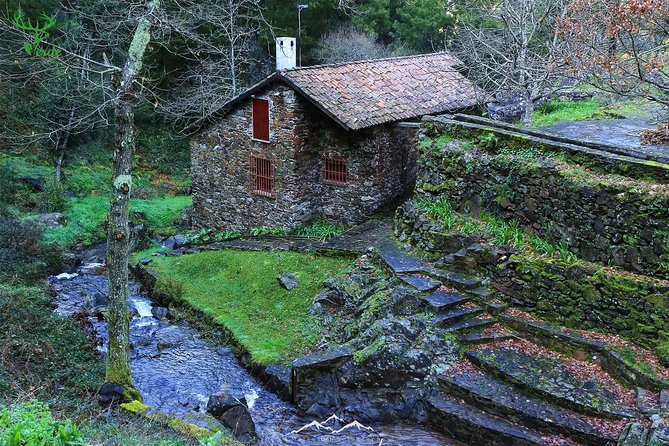
Aldeia de Gondramaz is a fully restored shale village of roughly 50 houses. It includes a tourist resort, and the itinerary makes time for coffee here.
This is a practical pause after several short walks. You can look over a village that has been repaired and adapted for visitors, while also taking a break before continuing into the more remote sections. Gondramaz may feel less raw than the abandoned settlements, but it gives you a clear picture of how restoration can support tourism.
The 30-minute stop is short. If you want a long café visit or plenty of time for photography, ask Alfredo how the schedule can be adjusted. Since the tour is private, there is more room for that conversation than on a fixed coach excursion.
Cadaval Cimeiro and Cadaval Fundeiro, walking through loss
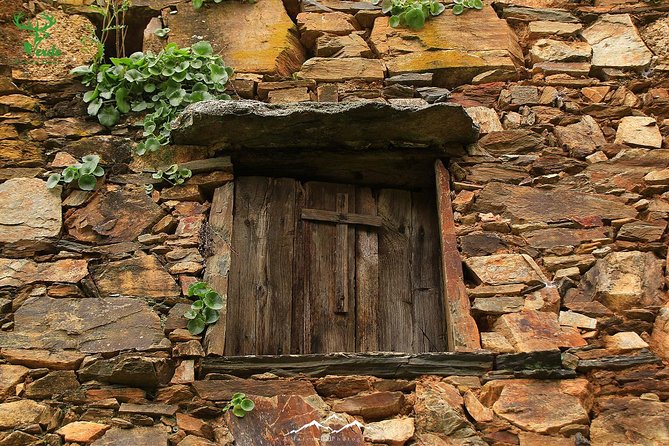
Cadaval Cimeiro and Cadaval Fundeiro are abandoned schist villages that burned twice during the 1980s. Here, the tour includes a hike between the two settlements.
This is one of the more sobering parts of the route. Restored villages can look almost impossibly picturesque, but these places show what happens when buildings and communities are not maintained. The walk gives you a chance to see the remains at close range rather than simply passing them from a vehicle.
The hike is scheduled for about 30 minutes, though the actual feel will depend on the pace of your group and the condition of the ground. The route is not presented as a demanding trek, but you should still be comfortable walking on uneven paths and managing slopes.
Aigra Velha at 770 meters
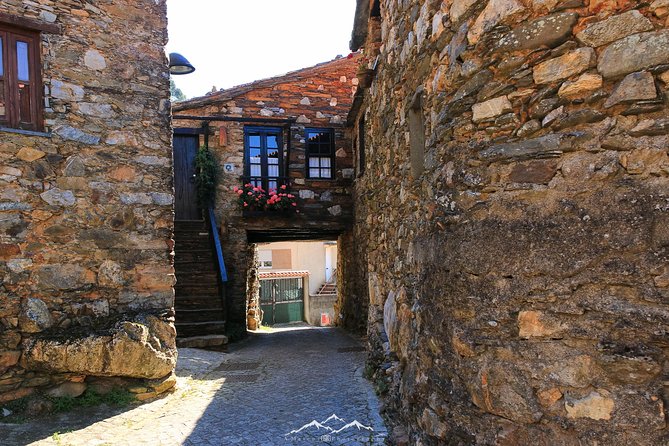
Aigra Velha is included only on the full-day tour. At 770 meters, it is the highest schist village in the area and lies close to the summits of Lousã Mountain.
It is small, but the open views around it give the stop a much wider feel than the village itself. Life here is presented in simple terms, shaped by the seasons, the surrounding land, and the natural cycle of farming.
The full-day route is the right choice if mountain scenery and quiet rural life matter more to you than fitting in other Coimbra sights. You spend longer in the hills and gain a fuller sense of how the settlements relate to one another.
Aigra Nova, a living village
Aigra Nova has a simple layout of low schist buildings along three small streets. Its spring and mild climate support gardens and pasture, and it remains a living community with market gardens, livestock, donkeys, and local activities.
That makes it an important contrast with Cadaval Cimeiro and Cadaval Fundeiro. Here, the village is not just an attractive collection of old buildings. It still has signs of work and daily use.
You get about 30 minutes, so this is a glimpse rather than an extended visit. Keep your eyes open for the small signs of rural life that can be easy to miss if you only photograph the buildings.
Pena, where stone homes defy the slope
Pena is also part of the full-day option. Its buildings combine schist and quartzite, and a centuries-old chestnut tree marks the entrance.
The village developed along a promontory, so the houses appear to hang from the slope. The arrangement is dramatic without needing grand architecture. The topography did the design work, forcing the homes to follow the narrow ground and creating a strong visual impression.
A clear stream runs nearby, and the Penedos de Góis offer more adventurous possibilities in the surrounding area. The tour itself includes a 30-minute stop, not a specialist climbing outing, so do not book it expecting a technical mountain activity. You will get a close look at the village and its setting, along with a taste of the wider outdoor possibilities.
Half-day or full-day: choosing the right route
The half-day tour lasts about four hours and is a sensible choice if you want to add the mountains without giving up most of your day in Coimbra. It includes Cerdeira, Candal, Talasnal, Gondramaz, and the Cadaval villages, with brief stops and walking between selected points.
I would choose the half-day option if you want a first look at the schist villages, have limited time, or prefer a focused outing. The three-village route received especially strong praise for its relaxed feel and useful local context.
The full-day tour adds Aigra Velha, Aigra Nova, and Pena. It gives you more mountain roads, more rural scenery, and a better sense of the difference between restored, active, and abandoned settlements.
Choose the full day if you enjoy nature, quiet places, short hikes, and unhurried conversation. One full-day participant described the villages as a step back into the past and singled out both lunch and a favorite Portuguese pastry as memorable parts of the day.
The value of $102.80 per person
At $102.80 per person, this costs more than a simple self-drive outing. But driving yourself is not necessarily the cheaper or easier option in practice. The route includes rough roads, steep sections, and roads without guardrails, according to the practical details supplied by people who drove through the area.
The price includes a private vehicle, driver-guide, all listed activities, binoculars, one souvenir photo, and hotel pickup and drop-off if you select that option. Food and drinks are not normally included, and meals are optional and paid for locally.
For a solo visitor or couple, the price buys personal attention and removes the stress of navigation. For a group of four or more, the value improves because the private format spreads the cost across your party. Group discounts are also offered, so check the final rate for your dates.
Extra pickup charges of €10 to €20 apply for some locations. Pickup is available from most hotels in central Coimbra, as well as Lousã, Miranda do Corvo, Condeixa-a-Nova, and Penela when parking is available. The standard meeting point is Largo da Portagem in Coimbra, and the tour returns there.
What to wear and how much walking to expect
The tour operates in all weather conditions, but it also requires suitable weather and may be canceled if conditions are poor. Wear layers and bring practical shoes. The mountain can feel different from Coimbra, and rain will make slate paths and steps more slippery.
You should be comfortable with short walks, uphill and downhill sections, and uneven village lanes. The advertised stops are generally 30 minutes, but your walking pace can affect how much ground you cover.
Service animals are allowed, and the tour notes that most people can participate. Still, the terrain deserves an honest warning. If steep steps, unpaved roads, or narrow mountain routes make you uncomfortable, ask about the pace and route before booking.
A personal guide makes the difference
The strongest part of the trip is the guiding. Alfredo is repeatedly praised for his friendly manner, local understanding, and ability to connect the villages with the natural setting. He does not simply point at old houses. He explains how restoration changed the settlements, discusses current village life, and notices trees, flowers, and animals along the way.
That naturalist side gives the tour extra value. Binoculars are included, and Alfredo has spotted wild animals during outings. If you enjoy plants, birds, or woodland scenery, tell him early so he knows what interests you.
The experience also seems to work well for solo participants. One person had Alfredo as the only companion for the day and described the outing as calm and personal, with local people stopping to chat. That kind of contact cannot be promised at every visit, but a small private group gives it a better chance than a large organized tour.
One three-star assessment raised a serious concern about the guide being a dangerous driver. The provider apologized and said it would try to improve. This is a single negative account against a much larger body of very positive feedback, but it is still worth acknowledging because mountain-road safety matters. If you feel uneasy during the drive, say so clearly and ask for a slower pace.
Booking, cancellation, and who should go
The tour is offered in English, though the guide may be multilingual. Confirmation is normally sent at booking, but reservations made within seven days of travel may take up to 48 hours to confirm.
Free cancellation is available up to 24 hours before the start time. Cancellations inside 24 hours are not refunded, and changes during that period are not accepted. If poor weather forces cancellation, you are offered another date or a full refund.
I recommend this for couples, families with older children, solo visitors, photographers, nature lovers, and anyone who wants a rural counterpoint to Coimbra. It suits people who prefer local stories and walking to a checklist of major monuments.
I would hesitate if you need a fully accessible route, dislike rough roads, or want a long, leisurely stop at each village. The schedule covers a lot of ground, and the full-day version is a substantial commitment.
Should you book the Lousã Mountain schist villages tour?
Yes, if you want to see a quieter and more unusual part of central Portugal. The restored houses of Talasnal, Cerdeira’s wooded paths, the abandoned Cadaval villages, and the high views around Aigra Velha offer a useful range of experiences.
Pick half day for a compact introduction. Pick full day for the strongest sense of the mountain, especially if you enjoy rural life and walking. The cost is justified mainly by the private transport and guide, since driving these roads yourself can be stressful.
My practical advice is simple: book the full day if your schedule allows, wear sturdy shoes, ask about pickup fees, and treat Alfredo as your local interpreter rather than just your driver. This is one of the better ways to reach Lousã Mountain without turning the day into a navigation exercise.
FAQ
Where does the tour start and end?
The standard meeting point is Largo da Portagem, 3000-337 Coimbra. The activity ends back at the meeting point.
Is hotel pickup available?
Yes. Pickup is offered from most hotels in central Coimbra, Lousã, Miranda do Corvo, Condeixa-a-Nova, and Penela when parking is available. Other pickup locations may cost an additional €10 to €20.
How long does the tour last?
The half-day tour lasts approximately four hours. A full-day option is also available, but the supplied information does not state an exact full-day duration.
Which villages are included on the half-day route?
The half-day itinerary includes Cerdeira, Candal, Talasnal, Gondramaz, and the Cadaval Cimeiro and Cadaval Fundeiro area.
Which villages are only included on the full-day tour?
Aigra Velha, Aigra Nova, and Pena are listed as full-day-only stops.
Is this a private tour?
Yes. Only your group participates, with a maximum of 10 people per booking.
Is transportation included?
Yes. Transport by private vehicle and a driver-guide are included. Hotel pickup and drop-off are included if that option is selected.
Are meals included?
Food and drinks are not included unless specifically stated. Optional meals are paid separately on site.
What is the cancellation policy?
You can cancel for a full refund up to 24 hours before the start time. Cancellations or changes made less than 24 hours before the tour are not accepted for a refund. If poor weather causes the provider to cancel, you are offered a new date or a full refund.
Recently added in Coimbra
- Time travel at the Convent of Christ Tomar★ 5.0 · 56 reviews
- Soft Canyoning, river Ceira, Góis, Serra da Lousa, Coimbra★ 5.0 · 48 reviews
- Lousa Mountain Private Tour★ 5.0 · 88 reviews
- All of Tomar’s history and loads of fun.★ 5.0 · 39 reviews
- Discovering the charms and places of Coimbra★ 5.0 · 78 reviews
- University of Coimbra – more complete and private visit, ticket included★ 5.0 · 53 reviews
- Schist Villages of Lousã Mountain, half-day from Coimbra★ 5.0 · 42 reviews
- Discovering Nature in Serra da Lousã★ 5.0 · 38 reviews
Coimbra Tours, compared.
University of Coimbra guided tours without queue
Read our review →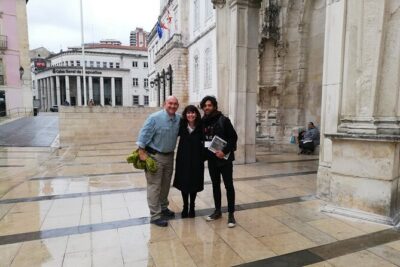
Guided tour of the University and city of Coimbra.
Read our review →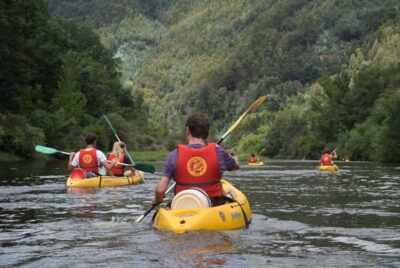

Joanina Library & Coimbra University | Private Former Alumni Tour
Read our review →
Browse the lists this tour appears in