
REVIEW · COIMBRA TOURS
Schist Villages of Lousã Mountain, half-day from Coimbra
Step beyond Coimbra for mountain villages. This four-hour trip to the Schist Villages of Lousã Mountain trades busy city sights for stone houses, steep lanes, forest views, and a quieter side of Portugal. You visit Cerdeira, Candal, and Talasnal with a driver-guide who handles the narrow mountain roads.
I like the small private format, with no more than eight people, and I like the way guides such as Pedro and Xavier adjust their explanations to your questions. The main drawback is physical: steep streets, stairs, and climbs are part of the experience, and the restored villages may not match your picture of untouched medieval Portugal.
The tour costs $102.12 per person and lasts about four hours. That is not a bargain-basement outing, but the price includes transport, a driver-guide, bottled water, taxes, and access fees. For a short trip from Coimbra, it offers a practical way to reach places that are awkward to visit without a confident driver.
In This Review
- Five things to know before you go
- Why Lousã’s schist villages are worth your time
- The ride from Coimbra and what the four hours mean
- Cerdeira, the arts village in the mountains
- Candal, the easiest village to reach
- Talasnal, the most atmospheric stop
- The guide makes the difference on difficult roads
- What the $102.12 price buys you
- Who should book this half-day trip
- Should you book the Schist Villages tour?
- FAQ
- Where does the Schist Villages tour start?
- Where does the tour end?
- How long does the experience last?
- Is the tour available in the morning and afternoon?
- How many villages do you visit?
- Is transportation included?
- Does the tour include hotel pickup?
- Is lunch included?
- How physically demanding is the experience?
- What is the cancellation policy?
Five things to know before you go
- Three very different villages in four hours: Cerdeira is artistic and carefully rebuilt, Candal is the easiest to reach, and Talasnal is the largest and most atmospheric.
- Mountain driving is part of the value: Hairpin turns, switchbacks, and narrow roads make a local driver useful.
- Expect plenty of stairs: You need a moderate level of fitness for the steep streets and uphill viewpoints.
- Morning or afternoon departure: The choice makes this easy to fit around a Coimbra sightseeing schedule.
- A small group keeps it personal: The maximum is eight people, and the experience is described as a private tour with a tailored guide service.
Why Lousã’s schist villages are worth your time
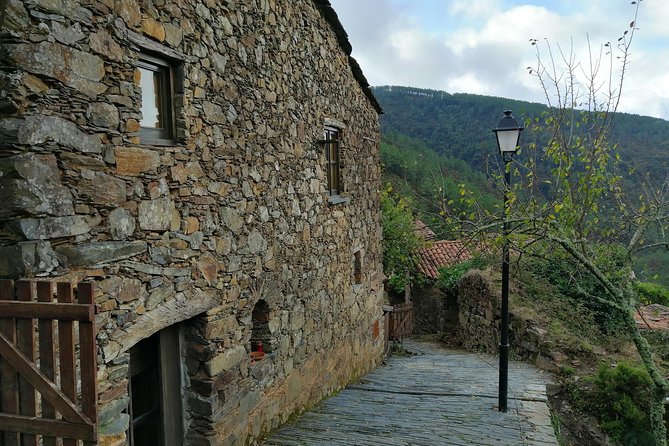
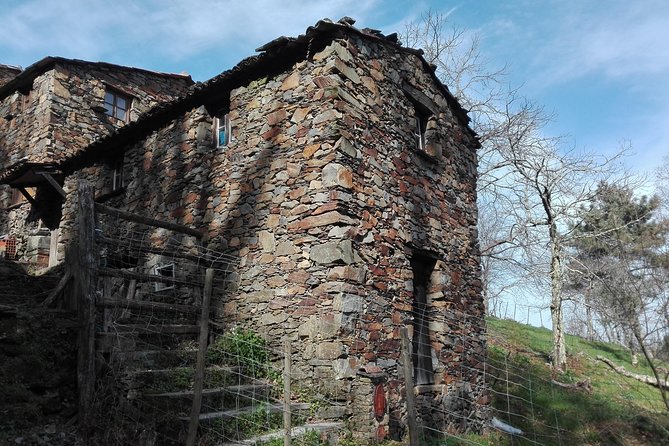
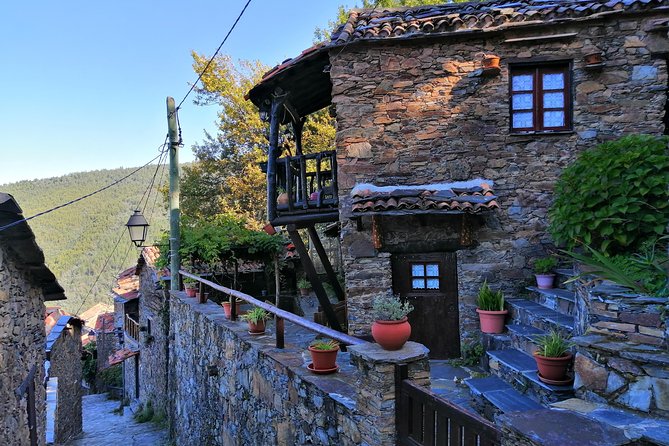
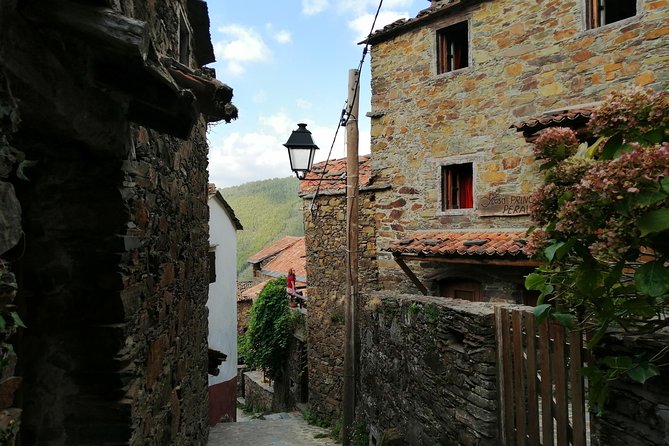
Schist is a dark, layered stone used throughout the villages. It gives the houses a distinctive look, especially when paired with clay and brown wood. These materials are not decoration added for tourists. They are part of the local building tradition and explain why the villages blend so closely with the mountains around them.
The villages also tell a story of repair and renewal. Some buildings have been rebuilt with traditional materials, while Cerdeira has developed a strong connection to arts and crafts. That creates an interesting tension: you are seeing historic village forms, but not always houses left exactly as they were centuries ago.
I find that distinction useful. If you want ruins and untouched old buildings, this may not be your ideal outing. If you want to understand how a small mountain settlement can be restored while keeping its character, the tour is more rewarding.
The setting does much of the work. You can expect mountain streams, hiking paths, and views across the valleys, along with narrow routes marked by red and yellow hiking signs. The guide can help connect these details to the wider area instead of leaving you to simply photograph pretty walls.
A few more Coimbra options side by side
- Coimbra: Live Fado Show with Glass of Port Wine
★ 4.7 · 998 reviews - University of Coimbra guided tours without queue
★ 5.0 · 518 reviews - Guided tour of the University and city of Coimbra.
★ 5.0 · 377 reviews
The ride from Coimbra and what the four hours mean
The tour begins and ends in Coimbra. The listed meeting point is Av. Emídio Navarro 21, 3000-150, and the experience description also mentions round-trip transfers from your Coimbra hotel. Because those details are presented differently, confirm the exact pickup arrangement when booking.
Transport is by air-conditioned minivan, with bottled water included. That matters here. The mountain roads are narrow, winding, and sometimes steep, and several people particularly valued having a guide drive rather than attempting the route themselves.
You will spend about 45 minutes at each of the three villages. The remaining time covers driving between them and the surrounding mountain roads. Four hours gives you a useful introduction, but it does not leave room for long walks, a full meal, or a relaxed exploration of every lane.
The schedule is available in the morning or afternoon. I would choose based on your Coimbra plans rather than assuming one departure is better. The tour can work well as a half-day addition to a city stay, especially if you want a rural change of pace without giving up a full day.
One practical note: the tour does not include lunch. You may have time for a coffee or a short refreshment break, as the experience has included coffee and Beirão liqueur on some outings, but that is not listed as a guaranteed part of the program. Bring a little water and a snack if you tend to get hungry between meals.
Cerdeira, the arts village in the mountains
Cerdeira is the first stop and has a 45-minute visit. It sits in the heart of the mountains and is known for its natural setting and connection to an arts and crafts school.
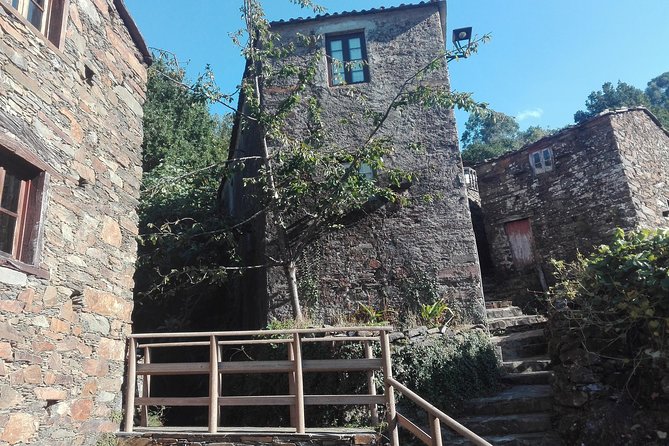
That creative focus gives Cerdeira a different feel from the other stops. The village has been carefully rebuilt with schist, clay, and brown wood, with homes fitted into the surrounding terrain. You can expect to spend your time looking closely at the construction, the way the houses sit against the slope, and the quiet spaces between them.
The village is especially appealing if you enjoy architecture, craft traditions, and small-scale restoration projects. Your guide can explain why these settlements matter and how the materials tie the buildings to the region.
Cerdeira may feel less like a traditional village frozen in time and more like a place given a new life. That is a strength for some people and a limitation for others. The restoration makes the village attractive and easy to appreciate, but it can also soften the rougher, more worn character you may expect from an old mountain settlement.
Admission is listed as free. The short stop is enough to get a clear sense of the village, though you should not expect an extended hike or a long workshop visit within this itinerary.
Candal, the easiest village to reach
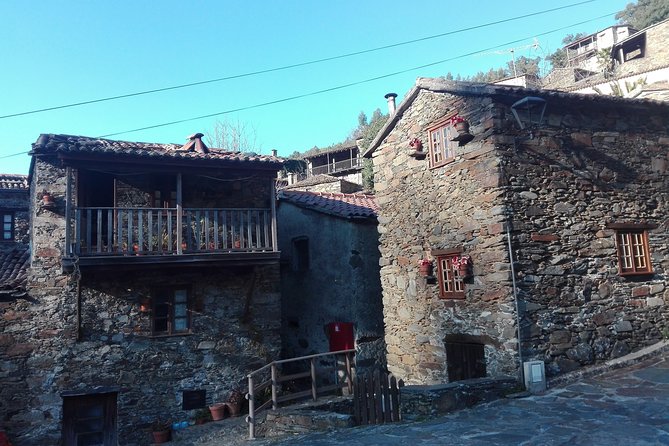
Candal is also allotted about 45 minutes. It is described as the best located, most developed, and most visited of the three, helped by easier access.
The village sits on a south-facing hill, and its narrow streets climb toward a viewpoint. That uphill walk is the central feature of the stop. From above, you can look over the valley and see how the settlement fits into the mountain setting.
Candal is a good place to understand the practical side of visiting these villages. It is easier to reach than the others, but that does not make it flat or effortless. The streets are narrow and steep, so comfortable shoes and a steady pace matter.
I like the contrast between Candal and Cerdeira. Cerdeira draws attention to art and rebuilding, while Candal gives you the clearest sense of a compact hillside village with a view. The 45-minute visit should let you walk through the main lanes and reach a viewpoint, but anyone who wants a long walk should plan a separate visit.
The access fee is included in the tour price. You will not need to budget separately for the scheduled village visits.
Same corner of the country, a different pace:
- Coimbra: Mondego River Kayaking Tour
★ 4.7 · 324 reviews - Coimbra: Guided tour with a local student
★ 5.0 · 170 reviews - Portugal dos Pequenitos entry ticket
★ 4.2 · 167 reviews - Joanina Library & Coimbra University | Private Former Alumni Tour
★ 5.0 · 135 reviews
Talasnal, the most atmospheric stop
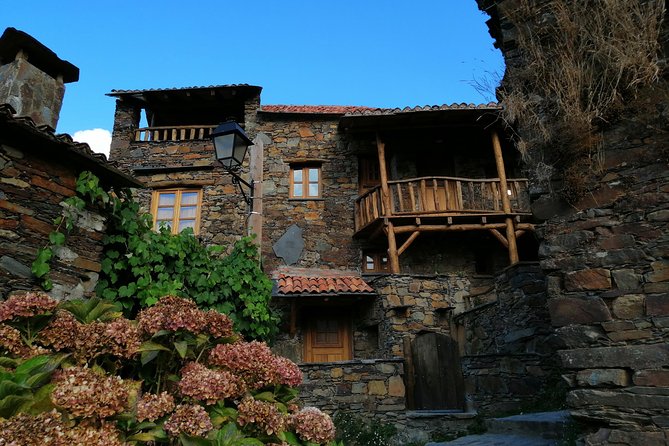
Talasnal is the largest and best-preserved village on the route, and it receives roughly 45 minutes. It is also the stop most likely to make the strongest visual impression.
The village climbs along a hillside, with narrow lanes, stairs, alleys, and balconies opening toward the surrounding mountains. There is no single grand monument here. The pleasure comes from following the route and noticing how the buildings, paths, and natural surroundings work together.
Talasnal has the strongest sense of character in this half-day itinerary. It is the place to slow down, look up and down the slope, and let the layout reveal itself. A guide is useful because you can easily miss a side alley or fail to notice how the houses were built into the incline.
The tradeoff is the climb. You will be walking up and down steps and uneven streets, and the limited time may make the visit feel brisk. If you have knee, balance, or mobility concerns, ask the provider for more detail before booking. The stated requirement is a moderate physical fitness level, and that warning should be taken seriously.
Talasnal’s admission is included. The village is not presented as a museum with a long indoor visit. The appeal is outdoors, in the stonework, slopes, lanes, and views.
The guide makes the difference on difficult roads
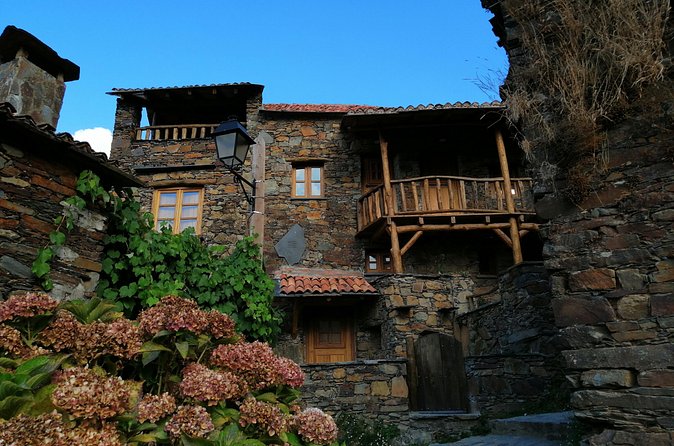
The strongest part of this experience is not simply getting to the villages. It is having someone explain what you are seeing and drive the mountain route with confidence.
Pedro and Xavier are the guides named in the available feedback. Pedro is praised for explaining both the villages and Portugal more broadly, while Xavier is described as friendly, engaging, careful on the mountain roads, and able to tailor the conversation to specific questions.
That flexibility matters in a place where a short visit can otherwise become a series of quick photo stops. A good guide can point out the building materials, explain the cultural importance of the villages, identify mountain trails, and place the restoration work in context.
The schedule can also change. On one outing, a car rally forced a route adjustment, but the guide created a workable alternative and still covered the villages, architecture, and scenery. That is a small but useful sign of practical tour management. Mountain areas can bring road closures or local events, so a driver who knows the area is an advantage.
The driving itself is another reason to consider this tour instead of renting a car. You may prefer driving independently, but the narrow roads and switchbacks can be stressful if you do not know the route. Here, you can watch the scenery while someone else deals with the bends.
What the $102.12 price buys you
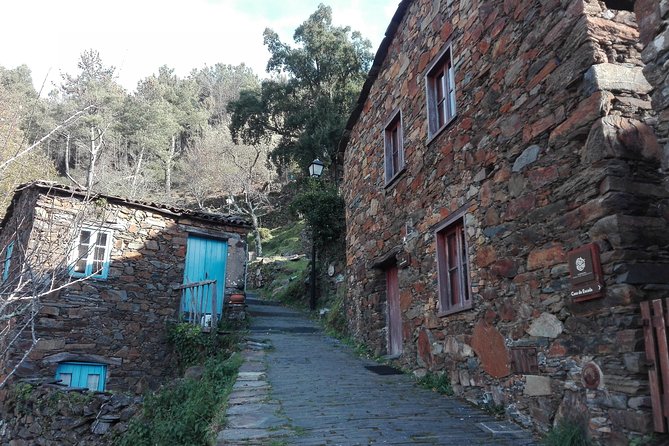
At $102.12 per person, this is a mid-to-high priced half-day excursion. The value depends heavily on how much you would pay for convenience and a private guide.
The price covers:
- Air-conditioned minivan transport
- Driver-guide service
- Bottled water
- Taxes, fees, and handling charges
- Included admission fees at the scheduled stops
You are also paying for access to three villages in a compact four-hour window. Reaching all three independently would require planning, a suitable vehicle, and confidence on mountain roads. If you value local interpretation and do not want to drive, the cost is easier to justify.
The price is less compelling if you want a long hike, a leisurely meal, or several hours in each village. Lunch is not included, and the time at each stop is limited to about 45 minutes.
Group discounts may be available, though the exact savings are not specified. The maximum group size is eight, which should keep the vehicle and conversation more manageable than a large coach tour. The experience is presented as private, so confirm how that format applies to your booking.
Who should book this half-day trip
I would recommend it to you if you are staying in Coimbra and want a rural experience without giving up a full day. It also suits people who enjoy village architecture, mountain scenery, traditional building materials, and local stories more than formal museum visits.
You will likely get the most from it if you have moderate fitness and are comfortable walking uphill. Wear shoes suitable for steep streets and steps. The physical effort is not extreme for most active visitors, but it is enough to make unsuitable footwear unpleasant.
This is also a strong choice if driving mountain roads is not your idea of a holiday. The minivan is air-conditioned, and having a local driver takes away much of the worry connected with narrow lanes and sharp bends.
You may want to skip it if you need step-free sightseeing, dislike short visits, or want buildings untouched by modern restoration. One important criticism of the experience is that many properties have been renovated, so the villages do not always provide a completely raw view of medieval life.
The tour is offered in English. Confirmation is provided at booking, and cancellation is free up to 24 hours before the start time. Cancellations or changes made inside that window are not refunded or accepted.
Should you book the Schist Villages tour?
Yes, if you want a well-organized introduction to an unusual part of central Portugal and you are comfortable with steep streets. The combination of three villages, a small group, local guiding, and mountain transport makes the four-hour format efficient.
I would book it for the guide service and the scenery, not for a long village walk or a full historical reconstruction. Choose Cerdeira for art and restoration, Candal for access and views, and Talasnal for lanes, stairs, and atmosphere. If those details sound appealing, this is one of the more distinctive half-day trips you can make from Coimbra.
FAQ
Where does the Schist Villages tour start?
The listed meeting point is Av. Emídio Navarro 21, 3000-150, Coimbra, Portugal.
Where does the tour end?
The activity ends back at the meeting point in Coimbra.
How long does the experience last?
The tour lasts approximately four hours.
Is the tour available in the morning and afternoon?
Yes. You can choose a morning or afternoon departure.
How many villages do you visit?
The itinerary includes Cerdeira, Candal, and Talasnal.
Is transportation included?
Yes. Transport is provided in an air-conditioned minivan, and bottled water is included.
Does the tour include hotel pickup?
The experience description includes round-trip transfers from your Coimbra hotel, while the stated meeting point is Av. Emídio Navarro 21. Confirm the exact pickup arrangement when booking.
Is lunch included?
No. Lunch is not included in the tour price.
How physically demanding is the experience?
A moderate level of physical fitness is required. The villages include narrow, steep streets, stairs, and uphill climbs.
What is the cancellation policy?
You can cancel up to 24 hours before the experience begins for a full refund. Cancellations or changes made less than 24 hours before the start time are not accepted for a refund.
Recently added in Coimbra
- Time travel at the Convent of Christ Tomar★ 5.0 · 56 reviews
- Soft Canyoning, river Ceira, Góis, Serra da Lousa, Coimbra★ 5.0 · 48 reviews
- Lousa Mountain Private Tour★ 5.0 · 88 reviews
- Schist Villages at Lousa Mountain★ 5.0 · 127 reviews
- All of Tomar’s history and loads of fun.★ 5.0 · 39 reviews
- Discovering the charms and places of Coimbra★ 5.0 · 78 reviews
- University of Coimbra – more complete and private visit, ticket included★ 5.0 · 53 reviews
- Discovering Nature in Serra da Lousã★ 5.0 · 38 reviews
Coimbra Tours, compared.

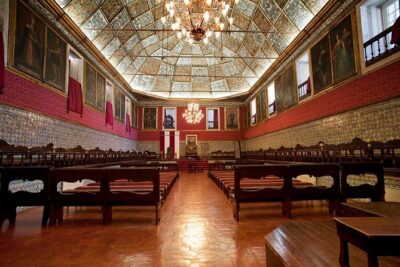
University of Coimbra guided tours without queue
Read our review →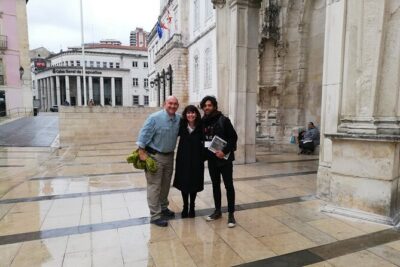
Guided tour of the University and city of Coimbra.
Read our review →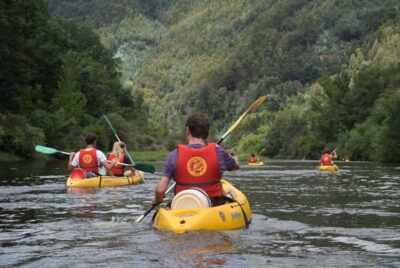

Joanina Library & Coimbra University | Private Former Alumni Tour
Read our review →
Browse the lists this tour appears in