
REVIEW · COIMBRA TOURS
University of Coimbra guided tours without queue
Royal rooms and ancient books await in Coimbra. I like the small-group format and the way guides such as Renan and Filipe connect the university to Portuguese history, rather than simply naming rooms and dates. I also like the reserved admission, which helps you avoid waiting. The main drawback is the strict library schedule: your viewing lasts no more than 10 minutes, and photography is forbidden inside.
This 90-minute visit costs $66.51 per person and covers Coimbra’s most important university rooms. The experience is offered in English, includes admission tickets, and ends where it begins. Take care with the meeting point, since older directions caused confusion for at least one booking, even though the provider says the address has been corrected.
In This Review
- Key points to know before booking
- Why Coimbra University deserves your time
- Starting at King Denis’s statue
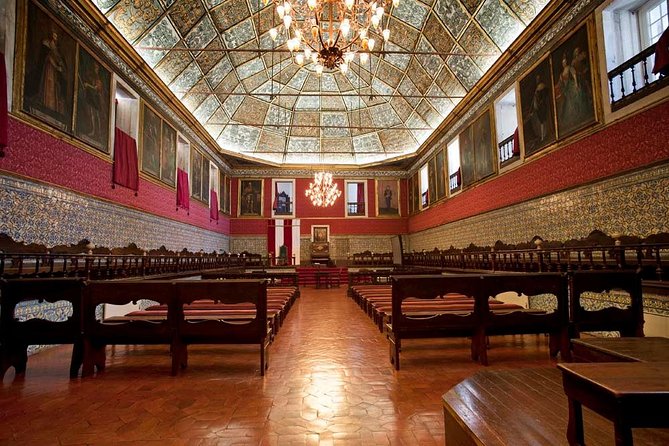
- The School Hall and the university’s working past
- The Royal Palace and Sala dos Capelos
- St. Michael’s Chapel and its remarkable details
- Joanina Library: ten minutes of Baroque drama
- How Renan and Filipe shape the experience
- Price, pace, and who gets the best value
- Small cautions that can save you trouble
- Should you book the Coimbra University tour?
- FAQ
- Where does the University of Coimbra tour begin?
- Where does the tour end?
- How long does the experience last?
- What locations are included?
- Is admission included?
- How long can you stay inside the Joanina Library?
- Can you take photos inside the Joanina Library?
- Is the tour offered in English?
- What is the largest group size?
Key points to know before booking
- The Joanina Library is the star: Expect ornate Baroque decoration, rare books, hidden ladders, and a short, carefully timed viewing.
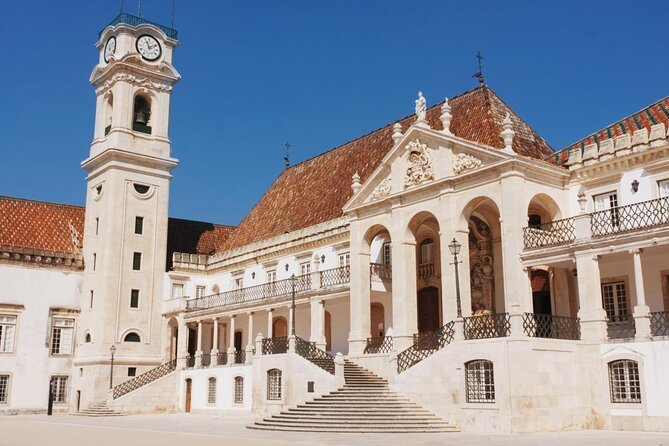
- Four important university spaces are included: You visit the School Hall, Royal Palace, St. Michael’s Chapel, and Joanina Library.
- Guides add the real value: Renan and Filipe are praised for clear English, strong storytelling, and detailed knowledge of Portuguese history.
- Admission is arranged in advance: Your ticket is included, which is useful at a site where timed entry can sell out.
- The group is intended to be small: The advertised maximum is eight people, allowing easier questions and better contact with the guide.
- Meet at King Denis’s statue: The official starting point is Praça Dom Dinis, not the General Library.
Why Coimbra University deserves your time
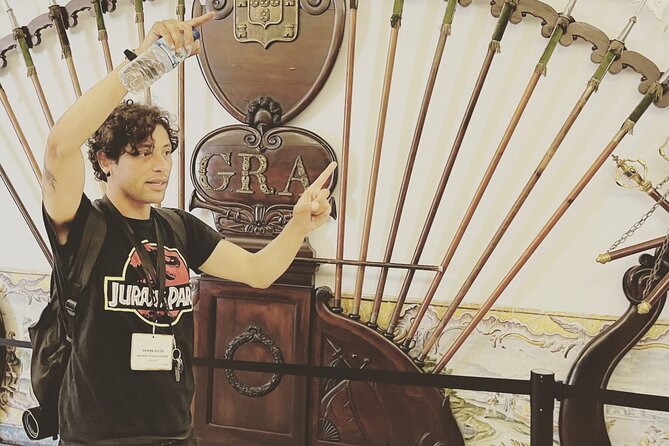
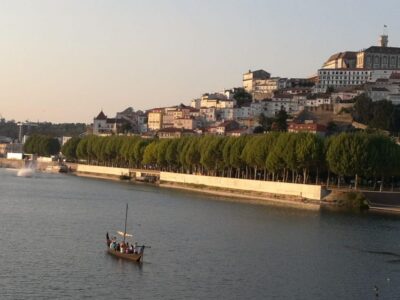
Coimbra is not just another old European university town. Its university occupies a former royal palace high above the city, making the visit both an architectural tour and a lesson in how Portugal was governed, educated, and shaped over centuries.
I like this experience because it gives you a clear route through the university’s ceremonial heart. You are not left to wander from room to room with a short label and a tired audio panel. Instead, the guide explains why the spaces exist, how they were used, and how academic life connected with the Portuguese monarchy.
The university visit also works well as a first major stop in Coimbra. After 90 minutes, you have a framework for understanding the city. You learn about royal power, student traditions, law, religion, and the country’s academic customs. That context makes the rest of Coimbra easier to appreciate.
The price is not low for a 90-minute activity, but admission is included and the group is small. Since tickets are purchased ahead of time to secure entry, the cost is partly paying for access at a timed site and partly paying for a guide who can make the rooms meaningful. If you already plan to visit the university, this is better value than simply buying entry and rushing through on your own.
A few more Coimbra options side by side
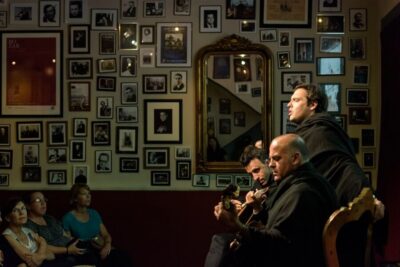
- Coimbra: Live Fado Show with Glass of Port Wine
★ 4.7 · 998 reviews - Guided tour of the University and city of Coimbra.
★ 5.0 · 377 reviews - Coimbra: Mondego River Kayaking Tour
★ 4.7 · 324 reviews
Starting at King Denis’s statue
The meeting point is Praça Dom Dinis, at the statue of King Denis, written locally as Dom Dinis. This matters because the university complex has several libraries, entrances, and open areas, and the wrong landmark can cost you precious time.
The provider says the meeting point information has been corrected. Still, I would arrive early and look specifically for the statue rather than the General Library. One booking had directions that referred to the front of the General Library, while the guide was waiting at the statue. The provider also said it sent a message through Viator the evening before and contacted the person through WhatsApp on the day of the tour.
That is useful advice for you: check your final instructions carefully before leaving your hotel, and make sure the phone number used during your Portugal trip is current. You should not assume that every message will arrive through the same app. The activity is near public transportation, but private transportation is not included, so you need to reach the square on your own.
The tour returns to the meeting point. That makes it easy to continue exploring Coimbra on foot or head back toward your accommodation without arranging a separate ride.
The School Hall and the university’s working past
The route includes the School Hall, one of the university’s important formal spaces. Here, the guide helps connect the architecture with the institution’s role in Portuguese public life.
The strongest part of this tour is not simply seeing an impressive room. It is understanding that Coimbra’s university was tied to royal authority, legal education, and the wider development of Portugal. The guide may also explain academic customs and the unusual legal traditions associated with the university.
One especially interesting subject raised during the visit is the former academic legal system. Student life once had its own courts and even its own prison. That detail gives the university a more complicated character than the usual picture of quiet study and ceremonial robes. It was an institution with rules, authority, and its own internal world.
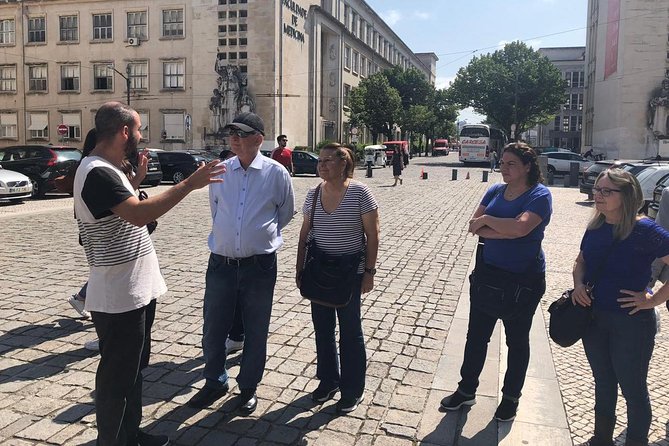
Guides Renan and Filipe receive repeated praise for making these details easy to follow in English. Renan is described as an animated storyteller, while Filipe is praised for clear explanations and careful answers. Filipe also has personal experience as a former student of the university, which can add a useful present-day connection to the older buildings.
The advertised group limit is eight people. That is a real advantage in a room where you want to hear the explanation and ask about details. One booking described a larger group, so group size may not always feel identical in practice, but the listed maximum is eight.
The Royal Palace and Sala dos Capelos
The university’s Royal Palace is the most direct reminder that this was once a royal residence. The tour includes the Sala dos Capelos, the ceremonial hall where academic events still take place.
I find this section especially useful for understanding the university’s unusual setting. You are not visiting a campus built solely for education. You are moving through rooms connected to monarchy, ceremony, and national identity. The guide’s explanation helps you read the space as part palace and part academic institution.
The formal ceremonies held here give the room a living purpose. You may hear about graduation customs, including the symbolic ripping of academic robes and the colors associated with different faculties. These traditions can sound strange when listed quickly, but they become memorable once you see the ceremonial setting where university identity is performed.
This is also where a good guide earns the admission price. Without context, a grand hall is simply a grand hall. With an explanation of royal use, academic ceremony, and Portuguese tradition, the room becomes part of a much larger story.
The pace is generally well suited to a short visit. You have enough time to see the main spaces without turning the tour into a long lecture. Several bookings describe the timing as smooth and the explanations as easy to understand. If you prefer a slow architectural study with lots of independent time, you may find the schedule brisk.
Same corner of the country, a different pace:
- Coimbra: Guided tour with a local student
★ 5.0 · 170 reviews - Portugal dos Pequenitos entry ticket
★ 4.2 · 167 reviews - Joanina Library & Coimbra University | Private Former Alumni Tour
★ 5.0 · 135 reviews - Conimbriga and The Roman Tour
★ 5.0 · 132 reviews
St. Michael’s Chapel and its remarkable details
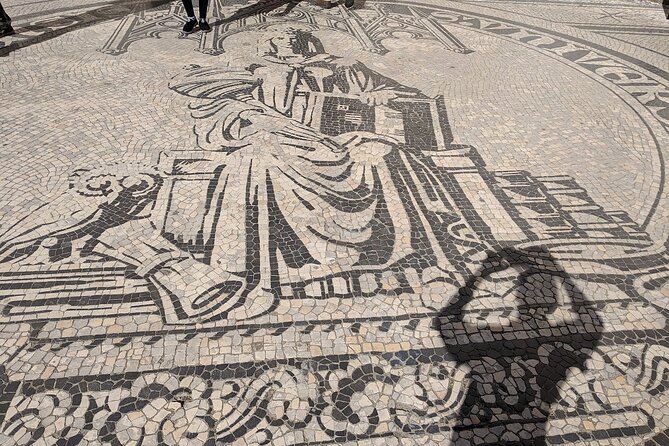
St. Michael’s Chapel brings a different mood to the tour. Its decoration and religious setting contrast with the formal academic rooms, and it shows how closely education, faith, and royal power were once linked.
The chapel is also a good place for the guide to point out details you might miss alone. One unusual fact concerns the pipe organ. Its power must be moderated so the sound does not damage the building. That small practical detail makes the chapel feel less like a frozen monument and more like a functioning historic space that needs care.
The chapel is repeatedly described as one of the essential parts of the visit, along with the library. You should give yourself time to look upward and around rather than focusing only on the guide. Since the overall tour is timed, listen first, then use any quiet moments to notice the decoration.
This stop is valuable for visitors who enjoy architecture but do not want a tour limited to dates. The guide links the physical details to the institution’s past, and that connection helps the chapel hold its place in the wider university story.
Joanina Library: ten minutes of Baroque drama
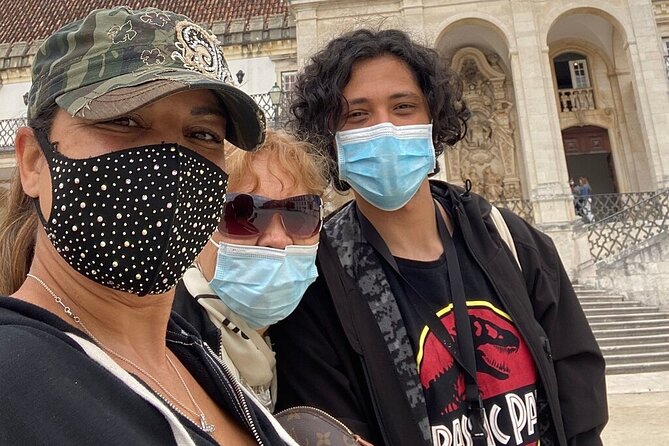
The Joanina Library is the highlight for most people, and the visit is organized differently from the other university rooms. Entry is scheduled every 20 minutes, and your viewing inside is limited to a maximum of 10 minutes. Photography is not allowed.
Ten minutes may sound short, but the limitation helps control the flow through this delicate space. You get a concentrated look rather than unlimited time. Plan to pay attention from the moment you enter, because there is no promise of a second pass.
The library is known for its ornate Baroque interior and collection of more than 60,000 rare volumes. The wooden interiors, decorative details, and old scholarly atmosphere create the strongest visual moment of the tour. Guides also explain the clever hidden ladders used to reach the books.
One of the most memorable details concerns bats. They help protect the books by eating insects, though the furniture needs protection from what the bats leave behind. It is an amusing detail, but it also shows the practical work involved in preserving an old library.
Photography restrictions can disappoint you, especially in a room that seems designed for dramatic pictures. I would treat the visit as a chance to look closely rather than search for the perfect image. The library is small enough that a phone raised in front of you can block someone else’s view, and the short time passes quickly.
The tour’s reserved admission is particularly useful here. You avoid the uncertainty of arriving without a timed place, and the guide can prepare you for what to notice before you enter. That makes the 10-minute visit feel more purposeful.
How Renan and Filipe shape the experience
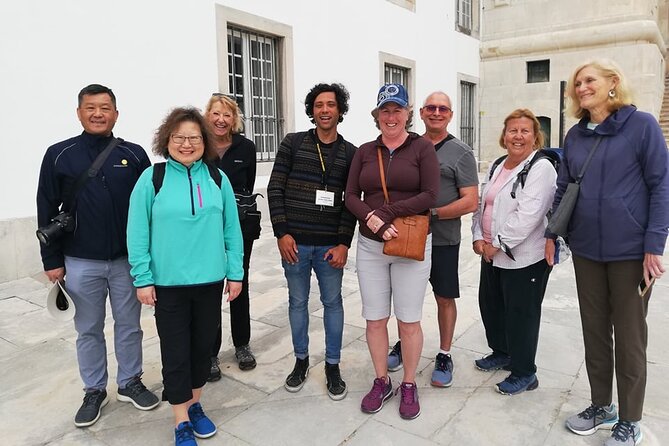
The attraction itself is excellent, but the guide determines how much you take away. Renan and Filipe are the names most often associated with this experience.
Renan is praised for his energy, friendly manner, and storytelling. His explanations cover both the university and Portuguese history, and he is particularly good at turning facts into stories that are easy to remember. His current connection to Coimbra as a student adds another layer, since he can relate the old institution to university life today.
Filipe is praised for his clear English, professionalism, patience, and attention to questions. He is also described as a former student, and that personal connection helps him explain details with an insider’s familiarity. One especially thoughtful touch was a follow-up list of restaurant suggestions and traditional pastries to try in Coimbra.
You should not book this expecting a private guide. The experience is a small-group tour, not an individually designed visit. Still, the limited group size gives you a better chance to hear the explanations and ask questions than a large walking group would.
The audio equipment mentioned in one booking is another practical plus. If it is used for your departure, it should make the guide easier to hear in busy or echoing rooms. Equipment can vary, so I would not book solely for that feature, but it is welcome in a historic complex.
Price, pace, and who gets the best value
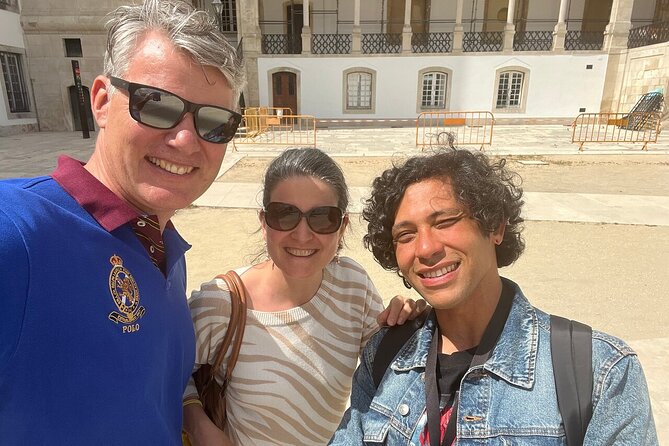
At $66.51 per person, this is a midrange paid attraction rather than a bargain entry ticket. The value depends on how much you want from the university.
I think the price makes sense for first-time visitors who want the key rooms explained in English and prefer not to handle timed admission alone. You get the School Hall, Royal Palace, Sala dos Capelos, St. Michael’s Chapel, and Joanina Library in about 90 minutes, with tickets included.
It is also a practical choice during a short stay. If you have only half a day in Coimbra, this tour covers the place most likely to shape your impression of the city. Many people book about a month ahead, with an average lead time of 29 days. That suggests you should not leave it until the last minute, especially during busy periods.
The tour suits:
- First-time visitors to Coimbra
- People interested in Portuguese history, architecture, and academic traditions
- Families with older children or teenagers
- Visitors who prefer a clear route and live explanations
- Anyone concerned about finding timed library admission
You might choose another approach if you want extensive photography, a private pace, or a long independent visit. The Joanina Library does not allow photos, and its 10-minute viewing period is firm. The activity also does not include transportation, so it is not a door-to-door excursion.
Most people can participate, and service animals are allowed. The tour is near public transportation, but the supplied information does not specify a private pickup or a detailed route from hotels.
Small cautions that can save you trouble
The meeting point deserves the most attention. Go to Praça Dom Dinis and find the King Denis statue. Do not rely on an old voucher instruction that sends you to the General Library.
You should also arrive early. A late arrival can affect the whole group because the library operates on fixed 20-minute entry intervals. Even if the guide is able to reach you, the schedule may not wait.
The activity is non-refundable and cannot be changed after booking. That is a serious consideration if your Portugal plans are uncertain. The provider explains that advance payment is used to buy tickets and protect admission, but you should only reserve once your date and time are firm.
Finally, remember the library rules: no photos and no more than 10 minutes inside. Knowing this in advance prevents disappointment and lets you focus on the room itself.
Should you book the Coimbra University tour?
I would book this experience if you want the university’s main rooms, a strong English-speaking guide, and reserved admission in one compact visit. Renan and Filipe appear to bring warmth, clarity, and plenty of useful detail, which is exactly what this complex needs.
The tour is especially worthwhile for a first visit to Coimbra. The Royal Palace, Sala dos Capelos, chapel, and Joanina Library form a concentrated lesson in Portugal’s academic and royal past. Just confirm the statue meeting point, arrive early, and accept that the library is a short, photography-free viewing.
If you prefer complete freedom or need flexible cancellation, the non-refundable terms may give you pause. For most visitors with a firm schedule, though, the combination of access, small-group attention, and thoughtful storytelling makes this one of Coimbra’s strongest cultural activities.
FAQ
Where does the University of Coimbra tour begin?
The tour begins at Praça Dom Dinis, 3000-393 Coimbra, Portugal, in front of the statue of King Denis, also called Dom Dinis.
Where does the tour end?
The activity ends back at the meeting point.
How long does the experience last?
The guided university visit lasts approximately 1 hour and 30 minutes.
What locations are included?
The route includes the School Hall, Joanine Library, St. Michael’s Chapel, and the Royal Palace, including Sala dos Capelos.
Is admission included?
Yes. Tickets are included in the price.
How long can you stay inside the Joanina Library?
The library viewing time is limited to a maximum of 10 minutes.
Can you take photos inside the Joanina Library?
No. Photography is not allowed inside the library.
Is the tour offered in English?
Yes. The experience is offered in English.
What is the largest group size?
The advertised maximum is eight people. Group discounts are also available.
Recently added in Coimbra
- Time travel at the Convent of Christ Tomar★ 5.0 · 56 reviews
- Soft Canyoning, river Ceira, Góis, Serra da Lousa, Coimbra★ 5.0 · 48 reviews
- Lousa Mountain Private Tour★ 5.0 · 88 reviews
- Schist Villages at Lousa Mountain★ 5.0 · 127 reviews
- All of Tomar’s history and loads of fun.★ 5.0 · 39 reviews
- Discovering the charms and places of Coimbra★ 5.0 · 78 reviews
- University of Coimbra – more complete and private visit, ticket included★ 5.0 · 53 reviews
- Schist Villages of Lousã Mountain, half-day from Coimbra★ 5.0 · 42 reviews
Coimbra Tours, compared.
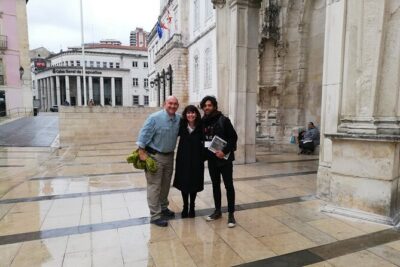
Guided tour of the University and city of Coimbra.
Read our review →


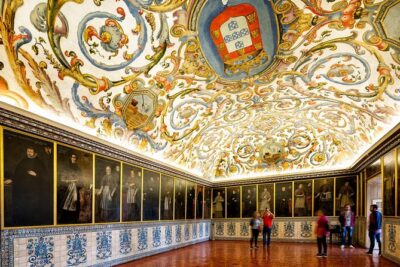
Joanina Library & Coimbra University | Private Former Alumni Tour
Read our review →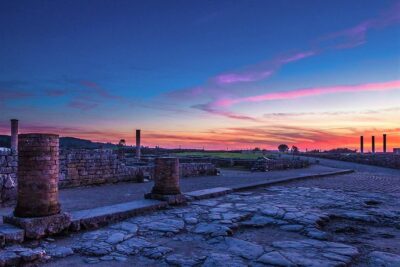
Browse the lists this tour appears in