
REVIEW · COOKING CLASSES
Porto: Pastel de Nata Cooking Class from Scratch
A warm pastry can teach you Porto. This 2.5-hour workshop shows you how to make pastel de nata from scratch, including the pastry dough, not just the custard filling. I like the hands-on format, where the group takes turns with each stage, and I like the easygoing mix of baking, wine, and Portuguese food stories. The main catch is that this is an adults-only group class, and everyone must arrive on time.
The class costs $50 per person, a fair price for an English-language activity that includes instruction, pastries, and wine. I also like that you receive a recipe digitally after the class, giving you a real chance to recreate the pastries at home. Just remember that you are working as part of a group, so you may not personally handle every single step.
In This Review
- Key Points at a Glance
- Why Pastel de Nata Is Worth Learning in Porto
- Entering the Modern Cooking Studio
- Mixing Dough, Shaping Pastry, and Making Custard
- Wine, Stories, and Waiting for the Oven
- Eating the Pastries Fresh From the Oven
- How Interactive Is the Class?
- Value at $50 Per Person
- Who Should Book This Workshop?
- Timing, Meeting Point, and Practical Planning
- Should You Book the Porto Pastel de Nata Class?
- FAQ
- How long does the pastel de nata class last?
- How much does the experience cost?
- Is the class conducted in English?
- Do I make the pastry dough from scratch?
- Is wine included?
- How many people can join the group?
- Can children join the group workshop?
- Can a companion enter without a reservation?
- Is hotel pickup included?
- Can I cancel for a full refund?
- Is the class suitable for gluten or lactose intolerance?
Key Points at a Glance
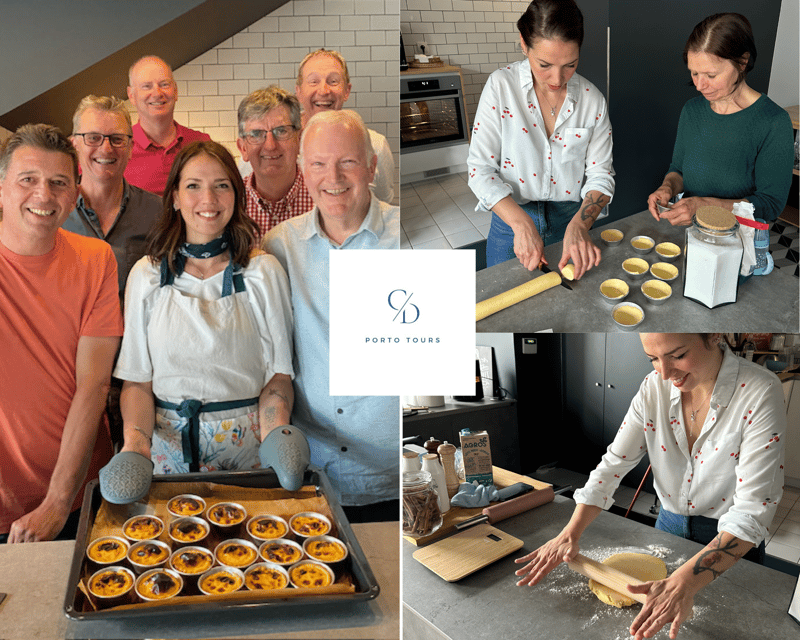
- You make the dough from scratch: This is the detail that sets the workshop apart from many pastry demonstrations.
- The class is genuinely hands-on: Participants rotate through the different stages, usually with a few people working while the rest watch and learn.
- Warm pastries are the reward: You eat the freshly baked pasteis de nata at the end, with some sessions providing one or two extra pastries to take away.
- The host makes the difference: Ana, Clara, Mariah, Vanessa, Maria, and other instructors are praised for humor, patience, and keeping everyone involved.
- Wine and food history are part of the lesson: A regional wine accompanies the class while the host explains Portuguese pastry and culture.
- Strict timing matters: The door closes at the scheduled start time, and late entry is not permitted.
Why Pastel de Nata Is Worth Learning in Porto
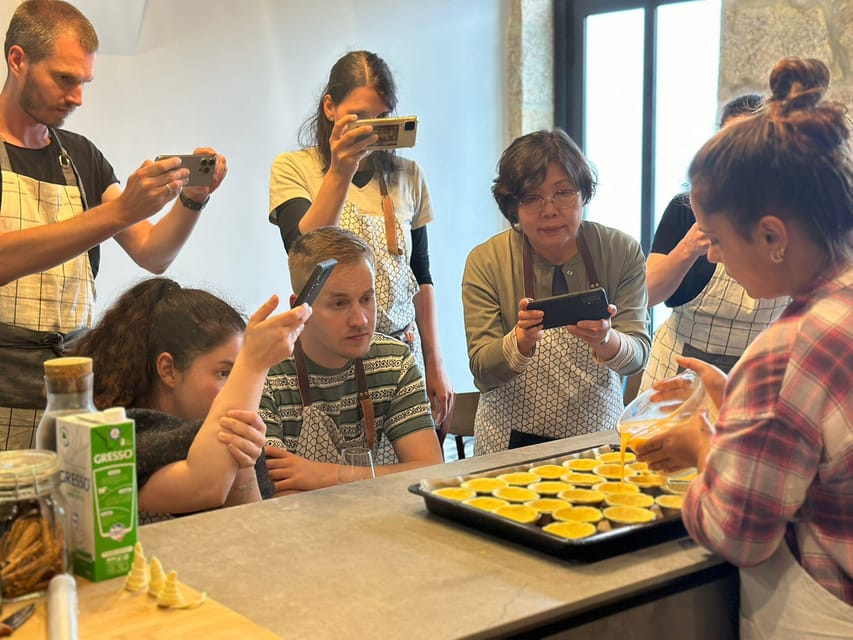
Pastel de nata is one of Portugal’s best-known pastries, but eating one in a café tells you little about how it is made. This class lets you see the work behind the crisp layers, creamy custard, and darkly browned top.
The most useful feature is that you make the dough. Many pastry classes rely on prepared pastry, which makes the activity easier but leaves out the trickiest part. Here, you learn how the dough is handled before it is shaped into the small pastry cases.
That matters if you want to bake at home. The custard is only part of the result. The pastry needs the right texture and shape to create the flaky shell that holds the filling. The instructor explains the method in manageable stages, so you do not need to arrive as an experienced baker.
You also get a little cultural context along the way. The class uses food as a way to talk about Portuguese traditions and pastry-making, rather than treating the recipe as a list of measurements alone. It is a pleasant change from another sightseeing stop, especially after a day of Porto’s hills and tiled churches.
More Cooking Classes in Porto
- Porto: Pastel de Nata Pastry-Making Workshop
★ 4.9 · 1,542 reviews - Porto: Pastel de Nata Cooking Class with Port Wine – Sé
★ 4.8 · 888 reviews - Workshops Pasteis de Nata in Porto, Portugal
★ 4.9 · 520 reviews
Entering the Modern Cooking Studio
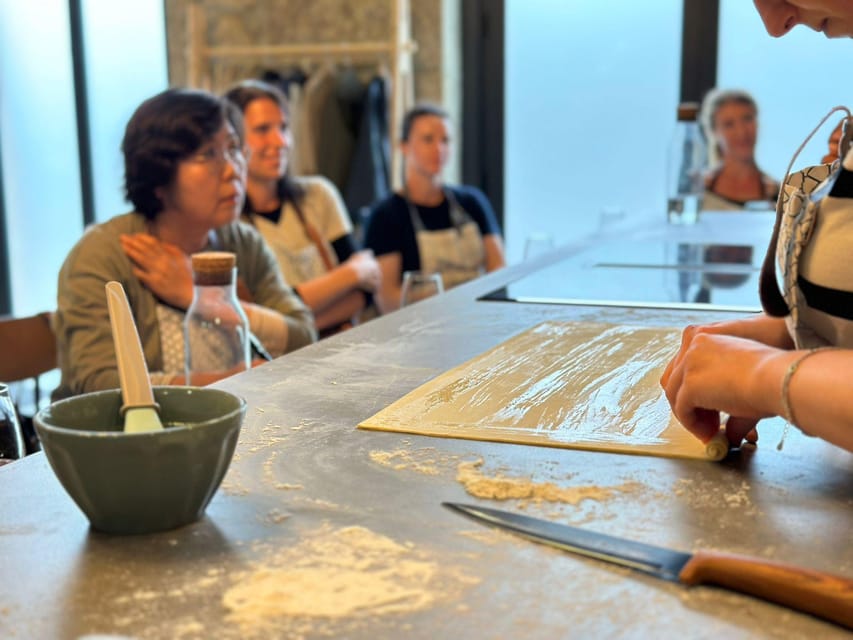
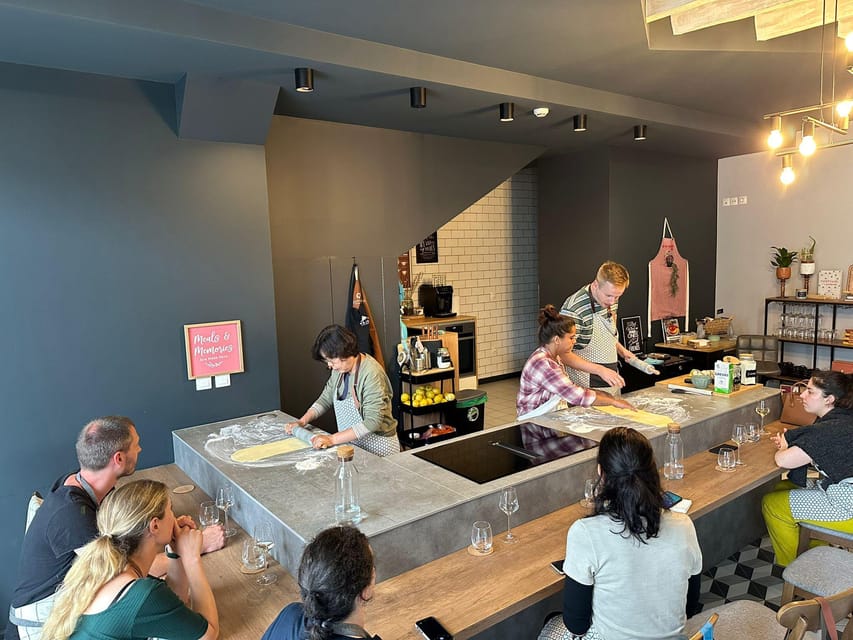
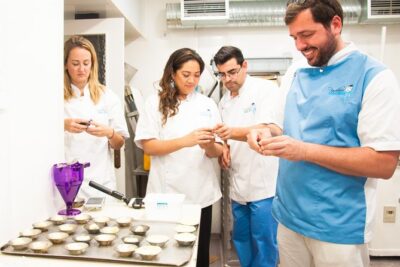
The workshop takes place in a dedicated cooking space, with a modern show kitchen and a large shared table. That setup shapes the whole experience. You are not standing at the back of a room watching a chef work from a distance.
Instead, the group gathers around the table, with ingredients and equipment arranged for the lesson. The largest possible group is 12 people, although some sessions are much smaller. One class had only four participants, which created a more personal feel and gave everyone more chances to work directly with the instructor.
The group format is part of the appeal. You may be paired with people from different countries, and the shared recipe gives everyone an easy reason to talk. The host often learns names and asks about where people come from, helping the room feel relaxed quickly.
There is one limitation. A group of 12 means not everyone can perform every task. Usually, two to four people handle a particular stage while the others watch, ask questions, and take notes. If you want full control of every pastry, a private workshop would be a better fit.
Mixing Dough, Shaping Pastry, and Making Custard
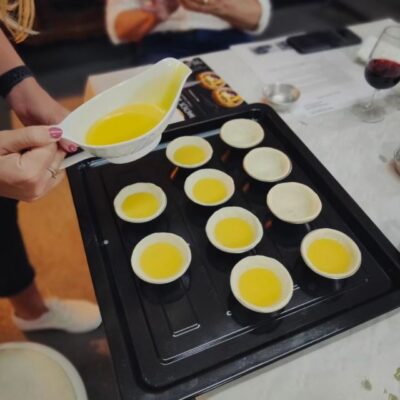
The lesson moves through the recipe step by step. You learn how the pastry dough is prepared, then how it is shaped into the small cases used for the tarts. The filling is prepared as part of the same group process.
The instructor demonstrates each stage before inviting participants to try it. This is helpful if you do not bake often. One participant described the process as a series of straightforward steps, which is a good way to think about it. You are not expected to guess what to do next.
The host also shares practical tips that go beyond the printed recipe. This is important because pastry depends on technique as much as ingredients. One participant wished for a video showing the instructor’s hand movements, noting that the recipe alone cannot capture every detail. That is a fair point: you leave with useful written guidance, but careful observation during class still matters.
Several instructors receive particularly warm praise for the way they teach. Ana is described as patient, friendly, and clear. Clara is praised for explaining each step and involving the whole group. Mariah is known for her humor and ability to keep people engaged. Vanessa and Maria also receive credit for creating a welcoming atmosphere.
The instructors vary, but the teaching style appears consistent: demonstrate, explain, invite people to participate, and keep the pace comfortable. That makes the class suitable for beginners rather than only serious home bakers.
Wine, Stories, and Waiting for the Oven
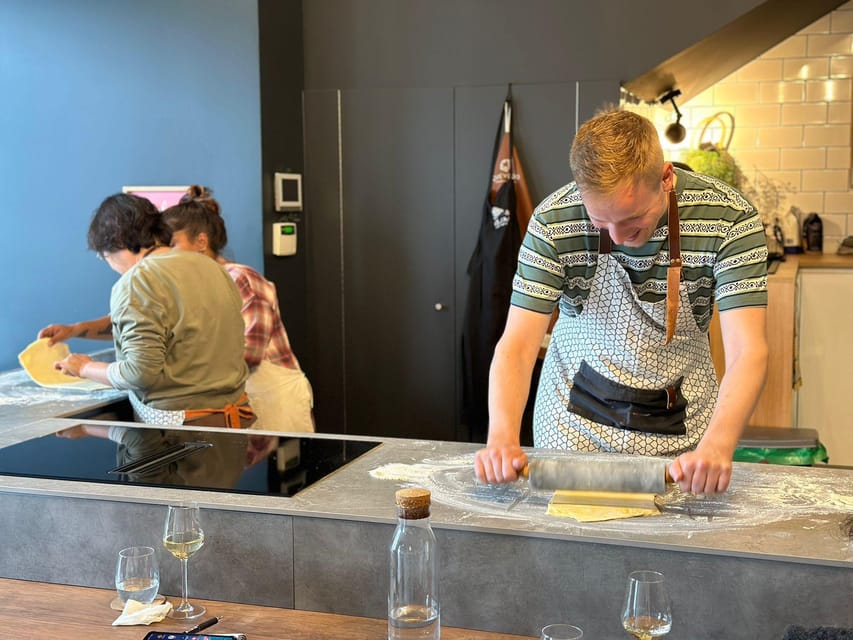
Once the pastries are baking, the class shifts into a social part of the afternoon or evening. You enjoy a regional wine while the host talks about Portuguese food, pastry traditions, and local culture.
The advertised inclusion is one glass of wine. Some sessions have included additional wine, coffee, or iced tea, but you should treat those extras as possible additions rather than guaranteed parts of the booking. The minimum age for alcohol consumption in Portugal is 18.
This pause is useful for more than refreshment. Baking classes can become repetitive while food is in the oven, but the host fills that time with conversation and stories. Several participants especially liked the combination of wine and food talk while waiting for the pastries to finish.
It also gives the class a relaxed rhythm. You are learning, but you are not racing from one instruction to the next. The pace allows time for questions and conversation with the people around you.
If you do not drink alcohol, the supplied information does not promise a specific nonalcoholic replacement. You may want to check before booking if that matters to you.
Same corner of the country, a different pace:
- The Unvanquished Tour in Porto City Center
★ 5.0 · 26,497 reviews - From Porto: Douro Valley w/ Boat Tour, Wine Tasting & Lunch
★ 4.7 · 19,061 reviews - Complete Douro Valley Wine Tour with Lunch, Wine Tastings and River Cruise
★ 5.0 · 12,920 reviews - Porto: Six Bridges Cruise
★ 4.2 · 11,680 reviews
Eating the Pastries Fresh From the Oven
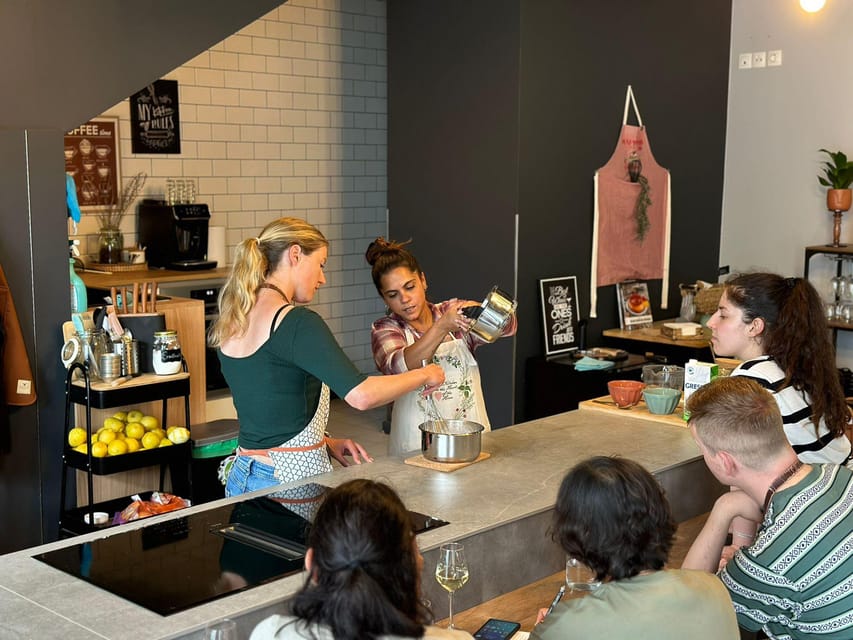
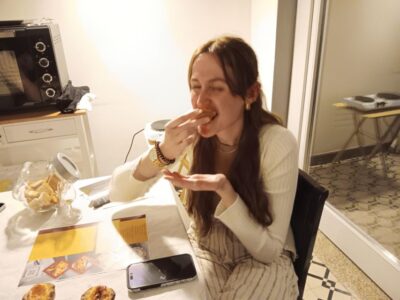
The best part comes when the pastries are ready. You sit down with warm pasteis de nata and taste the result of the group’s work while the texture is at its best.
The finished pastries are repeatedly praised for their flavor, especially straight from the oven. Some sessions provide enough for each person to eat several, and some participants report taking one or two home. The stated inclusions guarantee pastries, but the exact number to eat or carry away is not specified.
That small uncertainty is worth noting. Do not book this as a guaranteed pastry-shopping opportunity. Book it for the lesson and the fresh tasting, with any extras as a welcome bonus.
The tasting also helps you understand what the earlier steps accomplished. You can see the contrast between the crisp pastry shell and soft custard center, then compare that result with the pastries you try elsewhere in Porto.
For many people, this is more satisfying than simply buying another pastel at a bakery. You have watched the dough take shape, helped prepare the filling, and seen the finished pastries come out of the oven. The dessert becomes part of your memory of the city.
How Interactive Is the Class?
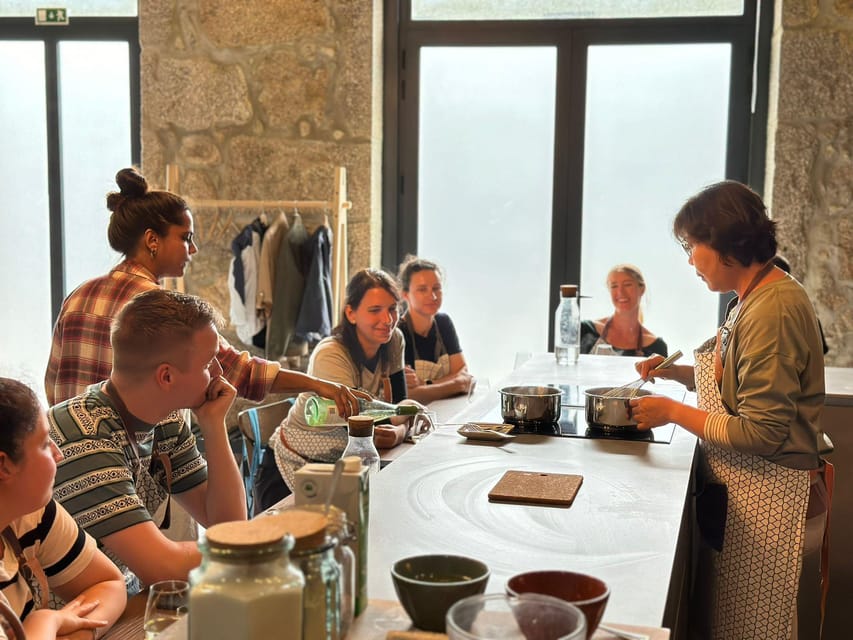
The class is interactive, but it is not an individual baking session. The group works together on the recipe, and participants rotate through the different phases.
You might mix an ingredient, help shape the pastry, or assist with another stage while the rest of the group watches. The instructor explains what is happening and makes sure the process keeps moving.
This arrangement has two clear benefits. First, it takes away the pressure of producing a perfect batch alone. Second, it encourages conversation and makes the activity social, especially for solo visitors.
The tradeoff is that you may have to wait your turn. One participant felt that a different structure could have given everyone more hands-on time. If you are booking because you want intensive kitchen practice, ask about private options for children or consider whether a shared workshop will satisfy you.
For most people, the group format works well. You can learn by watching close-up, then get involved when your turn arrives. The instructors are praised for making sure nobody feels left out.
Value at $50 Per Person
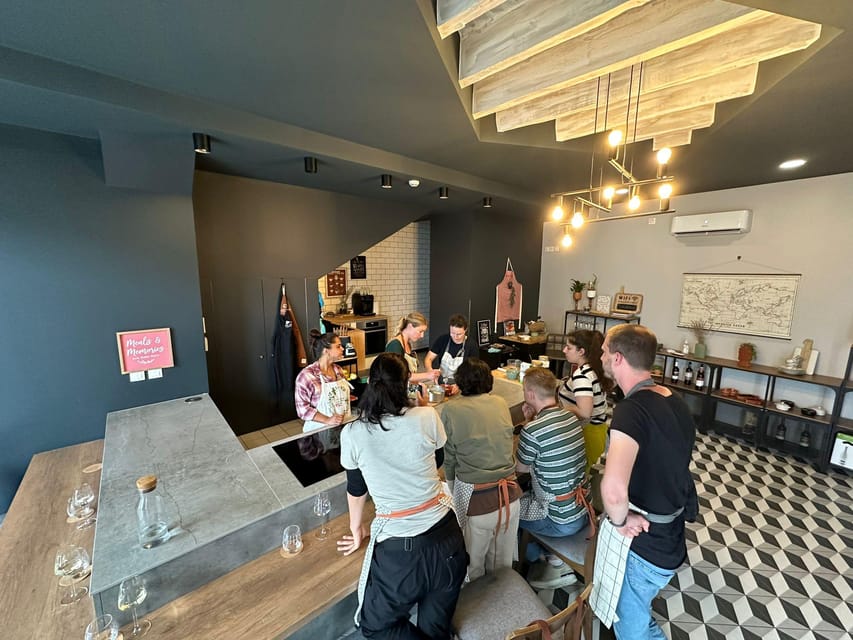
At $50, this is not the cheapest way to eat pastel de nata in Porto. A café pastry costs far less. The value comes from the instruction, the setting, the shared activity, the wine, and the recipe you can use after returning home.
I consider the price reasonable if you want more than a tasting. You receive a 2.5-hour experience, an English-speaking instructor, the pastry class, baked pastries, and at least one glass of wine. You also spend time with local food traditions in a way that does not feel like a standard sightseeing lecture.
The home-baking element strengthens the value. If you make the recipe later, the class becomes useful beyond your holiday. The digital recipe, provided by QR code in some sessions, is a practical touch.
The value is weaker if you dislike group activities or have little interest in baking. You could spend $50 on several pastries and drinks around Porto. This is worth paying for only if the process matters to you.
Who Should Book This Workshop?
I would recommend this class to:
- First-time visitors who want a food-based activity in Porto.
- Couples looking for an easy shared experience.
- Solo visitors who enjoy meeting people at a communal table.
- Beginners who want a guided introduction to pastry.
- Home bakers who want to learn the dough technique.
- Anyone seeking an indoor activity on a rainy day.
- Adults who enjoy a relaxed class with wine and conversation.
It is especially useful as a break from walking. Porto rewards exploration, but its steep streets and uneven routes can make a seated activity welcome. The workshop also works well on a last day, when you want a final taste of Portugal that can travel home with you as a recipe.
This is not suitable for children under 15 in the group format. Families with younger children must request a private workshop. Minors must be accompanied by an adult, and only booked participants may enter the space, so you cannot bring a child or companion to wait inside.
You should also avoid booking if you have gluten or lactose intolerance. The class includes wheat-based pastry and dairy ingredients, and no suitable alternative is provided in the supplied details.
Timing, Meeting Point, and Practical Planning
The class lasts 2.5 hours, with several possible start times depending on availability. Your meeting point can vary according to the option you book, so check the exact location before setting out.
Arrive early. This is not casual advice. The workshop door closes at the scheduled start time, and late entry is not allowed for logistical reasons. There are no exceptions, so leave extra time for finding the location.
Hotel pickup and drop-off are not included. You need to make your own way to the meeting point.
The class is conducted in English. It is listed as a small-group experience, with a maximum of 12 participants. Pets, indoor smoking, and intoxication are not allowed.
Free cancellation is available up to 24 hours before the start time for a full refund. You can also reserve now and pay later, which helps if your Porto schedule is still changing.
Should You Book the Porto Pastel de Nata Class?
Yes, if you want to understand how Portugal’s famous custard tart is made rather than simply eat one. The strongest reasons to book are the from-scratch dough, the friendly instruction, the warm pastries, and the chance to take a useful recipe home.
The class earns its price through its combination of food, learning, and conversation. It is also a good rainy-day plan and a pleasant way to meet people without committing to a full-day tour.
Skip it if you need a private, fully individual lesson, are traveling with children under 15, or cannot eat gluten or lactose. Also skip it if you are likely to arrive late, because the strict start time is nonnegotiable.
For most adults who enjoy Portuguese food, this is an easy recommendation. Just arrive early, expect shared participation rather than nonstop hands-on work, and save room for a warm pastel de nata at the end.
FAQ
How long does the pastel de nata class last?
The class lasts 2.5 hours.
How much does the experience cost?
The listed price is $50 per person.
Is the class conducted in English?
Yes. The live tour guide language is English.
Do I make the pastry dough from scratch?
Yes. The workshop includes making the dough, as well as preparing the pastel de nata.
Is wine included?
Yes. A glass of regional wine is included. Some individual sessions may provide additional drinks, but the confirmed inclusion is one glass.
How many people can join the group?
The group can have up to 12 participants, and small-group availability is offered.
Can children join the group workshop?
Children under 15 cannot join the group workshop. Families with younger children need to request a private workshop.
Can a companion enter without a reservation?
No. Only participants with reservations can enter the workshop space.
Is hotel pickup included?
No. Hotel pickup and drop-off are not included.
Can I cancel for a full refund?
Yes. You can cancel up to 24 hours in advance for a full refund.
Is the class suitable for gluten or lactose intolerance?
No. The experience is not suitable for people with gluten intolerance or lactose intolerance.
Recently added in Porto
- Porto: Tuk tuk Tours with Port Wine Tasting★ 4.5 · 65 reviews
- The Beautiful Story of Porto: Guided Tour with Entry Tickets★ 4.8 · 111 reviews
- Porto: Royal Oporto Tour na Real Companhia Velha★ 4.8 · 395 reviews
- Porto: Entry Ticket at WOW – The Wine Experience Museum★ 4.7 · 356 reviews
- Porto: WOW Daily Ticket★ 4.7 · 42 reviews
- Porto: Luxury Yacht Tour of the 6 Bridges and Douro Estuary★ 4.9 · 521 reviews
- Porto: 6 Bridges Port Wine River Cruise with 4 Tastings★ 4.8 · 182 reviews
- Porto Wine Tasting Experience with Portuguese Tapas Plate★ 4.7 · 356 reviews
Cooking Classes, compared.
Pastel de Nata Cooking Class with Grandma’s Recipe
Read our review →
Pastel de Nata Cooking Class with Port Wine – Sé
Read our review →
Pastel de Nata Masterclass at a Real Bakery in Downtown Lisbon
Read our review →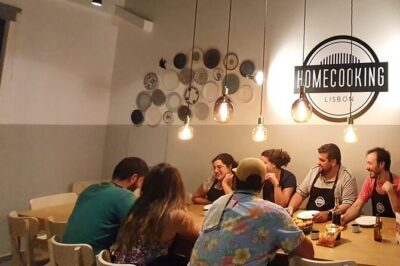
Pastel de Nata Pastry Class: Bake and Enjoy Your Own Treats
Read our review →Browse the lists this tour appears in