
REVIEW · WINE TOURS
Porto: Pastel de Nata Cooking Class with Port Wine – Sé
Sweet pastry, local stories, and a little Port. This 90-minute workshop at Domus Arte gives you a friendly introduction to Portugal’s famous egg tart, with hands-on help from start to finish. I like the relaxed social setting, where you cook alongside other people rather than sit through a demonstration. I also like the practical recipe and pastry tips you take home, plus several warm pastéis de nata in a small transport box. The main limitation is clear: the puff pastry is prepared before class, so you learn the custard and baking process but not the full dough-making stage.
The class costs $41 per person, which is fair for a central Porto activity that includes drinks, snacks, ingredients, instruction, a recipe, and pastries. Guides such as Teresa, Luis, Filipe, and Sofia have earned especially warm praise for keeping the group laughing and involved. Just remember that participation is shared among the group, so book a private workshop if you want to handle every step yourself.
In This Review
- Key points at a glance
- Why make pastel de nata in Porto?
- Arriving at Domus Arte in central Porto
- The first lesson: custard, history, and a shared kitchen
- The custard is the real focus
- The pastry shortcut, and why it matters
- Baking time brings Port and conversation
- Eating the finished pastéis de nata
- What the instructors do well
- Is $41 a good value?
- Dietary needs and practical limits
- Who should book this Porto pastry class?
- Should you book it?
- FAQ
- How long does the pastel de nata class last?
- Where does the class take place?
- What language is the class taught in?
- Is Port wine included?
- Do I make the puff pastry during class?
- What parts of the recipe do I prepare?
- How many pastéis de nata do I receive?
- Can I take the pastries home?
- Are dietary alternatives available?
- Is the class suitable for children and wheelchair users?
Key points at a glance
- The pastry dough is prepared ahead: You learn how to work with the custard and bake the tarts, while receiving the house recipe for making the puff pastry at home.
- Port wine is part of the lesson: Enjoy Port, coffee, juice, water, and sweet and savory snacks while the pastries bake.
- The class takes place near Porto Cathedral: Domus Arte is downtown, close to São Bento station and useful for combining with sightseeing.
- You make several tarts to enjoy later: Your pastéis de nata can be eaten at the venue or packed in a paper box.
- The teaching is warm and beginner-friendly: Instructors guide each person carefully, even if you have little baking experience.
- Dietary alternatives need advance notice: Lactose-free, gluten-free, and vegan versions are available when confirmed ahead of time.
Why make pastel de nata in Porto?
You can buy a pastel de nata almost anywhere in Portugal. Cafés, bakeries, train stations, and hotel breakfast rooms all have them. So why spend part of your Porto visit making one?
The value is in understanding what goes into the pastry. A good pastel de nata has a crisp, layered shell and a soft custard filling, usually marked by dark spots from a very hot bake. The class gives you the basic techniques behind both parts, even though the pastry itself is prepared ahead for time reasons.
You also get a short introduction to the sweet’s Portuguese story. The pastel de nata began in Lisbon and grew into one of Portugal’s best-known pastries. The history section is brief and easy to follow, rather than a long lecture, so the focus stays on cooking and eating.
I see this as a good rainy-day activity, a break from Porto’s steep streets, or a gentle way to begin learning about Portuguese food. It also works well for people who want something social but do not want a full restaurant meal or a long culinary course.
More Cooking Classes in Porto
- Porto: Pastel de Nata Pastry-Making Workshop
★ 4.9 · 1,542 reviews - Workshops Pasteis de Nata in Porto, Portugal
★ 4.9 · 520 reviews - Porto: Pastel de Nata Cooking Class from Scratch
★ 4.9 · 468 reviews
Arriving at Domus Arte in central Porto
Domus Arte is a concept store in downtown Porto dedicated to handmade goods, workshops, and art exhibitions. The class is near Porto Cathedral and São Bento station, putting it in a convenient part of the city for a day of sightseeing.
That location matters. You can pair the class with a walk around the cathedral area, São Bento’s famous station, or the nearby historic center. Hotel pickup and drop-off are not included, but this is not much of a drawback for a central activity.
The venue is described as stroller accessible, and pets are allowed. The class is not suitable for wheelchair users. Domus Arte also has a second location that is wheelchair accessible, but you should confirm the exact venue before booking if access is important.
Once inside, expect a workshop room rather than a formal restaurant kitchen. The setting is designed for making things, taking part, and chatting. Several groups have been very small, sometimes only two or four people, while other sessions bring together a larger mix of couples, solo visitors, families, and friends.
The first lesson: custard, history, and a shared kitchen
The class begins with an introduction to the pastel de nata and its place in Portuguese food culture. You learn how the pastry developed from its Lisbon origins into a national favorite.
The explanation is intentionally accessible. You do not need to know anything about baking, Portuguese cuisine, or pastry terminology. Instructors explain the process in plain language and then move quickly into the practical work.
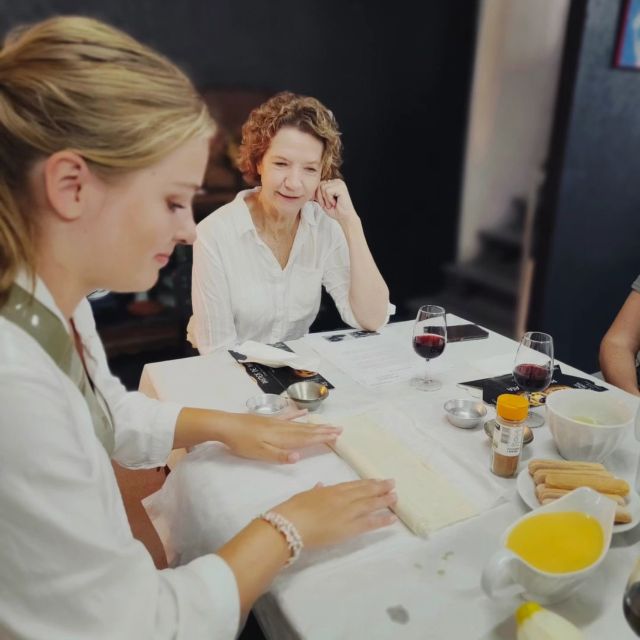
The recipe is prepared as a group. Participants take turns completing different tasks, with the instructor supervising each stage. This format keeps the session active, but it also means you are not guaranteed individual control of every bowl, pan, or pastry.
That distinction is important. The class is hands-on, but it is not a private lesson. You might help with one stage while another participant works on the next. The instructors make an effort to include everyone, and the small groups reported in the feedback are a real advantage when they occur.
If you want to make every tart yourself, ask about the private workshop option. For most people, the shared method is a pleasant way to meet others and avoid the pressure of performing every technique alone.
The custard is the real focus
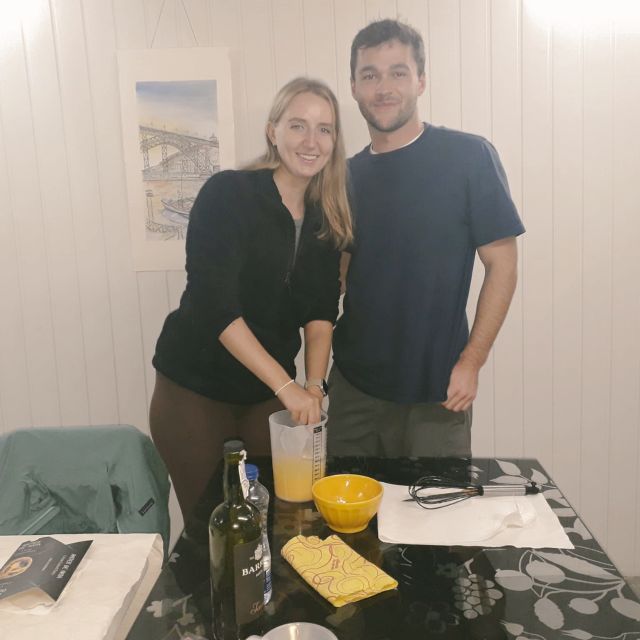
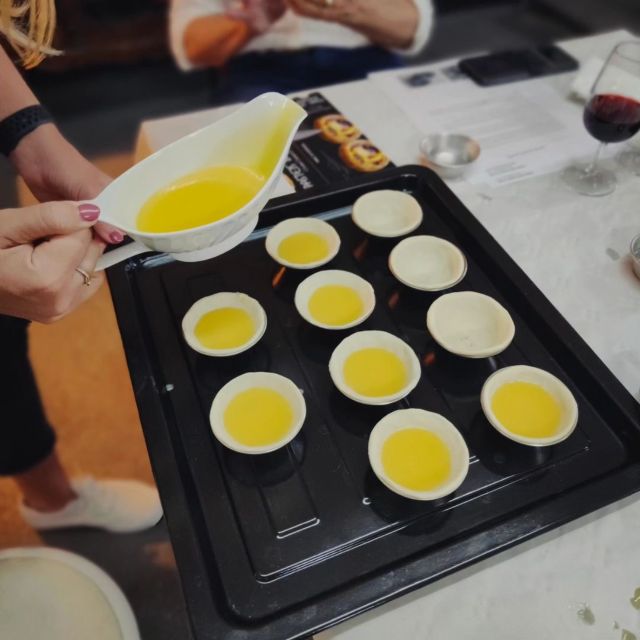
The custard filling is the part of the recipe you prepare during the workshop. The instructor explains the method step by step and helps you avoid the usual mistakes.
This is where the class earns its keep for home cooks. You are not simply given a bowl of filling and told to spoon it into shells. You learn the basic process and receive practical guidance on texture, timing, and possible flavor changes.
One guide, Luis, was praised for explaining variations and making the recipe feel easy to recreate. Another instructor, Teresa, was repeatedly singled out for her energy, humor, and patient teaching. These personal touches matter in a short class, because a rushed or unclear instructor could make the session feel like a production line.
The teaching style appears to suit beginners especially well. You do not need to be a confident baker. One participant who described being poor at baking still found the process manageable because the instructors helped at every stage.
The class also offers tips for changing the recipe at home. The main focus is the traditional version, but you may hear suggestions for alternative flavorings and ingredient substitutions.
More Wine Tastings in Porto
- From Porto: Douro Valley w/ Boat Tour, Wine Tasting & Lunch
★ 4.7 · 19,061 reviews - Complete Douro Valley Wine Tour with Lunch, Wine Tastings and River Cruise
★ 5.0 · 12,920 reviews - Porto: Live Fado Show with Glass of Port Wine
★ 4.8 · 6,498 reviews - Douro Valley: Wine Tour with Lunch, Tastings & River Cruise
★ 4.6 · 6,081 reviews
The pastry shortcut, and why it matters
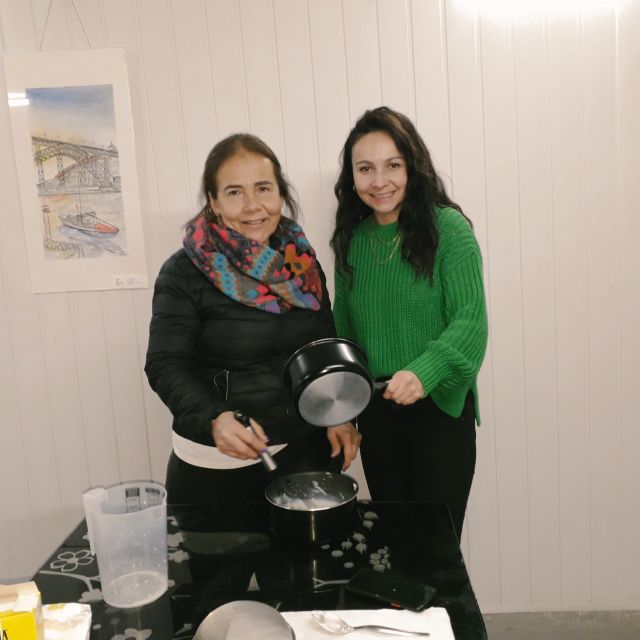
Here is the one part to consider carefully. The puff pastry is prepared ahead of time because the dough takes several hours before it is ready to use.
That saves the class from becoming a long technical pastry course, and it makes sense within a 90-minute schedule. You get to focus on the custard, shaping, and baking rather than waiting for dough to rest.
Still, if your main goal is to master traditional puff pastry from scratch, this class will not provide the full lesson. One participant felt the prepared crust was not quite the same as an original recipe crust. That is a fair criticism, especially for keen amateur bakers who want to learn the whole craft.
You do receive the house-made recipe for both the tart filling and the puff pastry. At home, you can try the complete version when you have several hours available. I would treat this class as an introduction to the full recipe, not a complete pastry apprenticeship.
Baking time brings Port and conversation
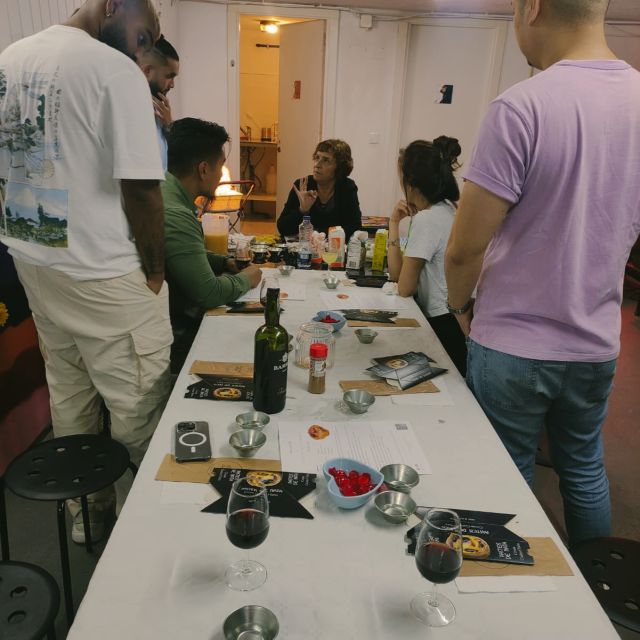
Once the tarts are ready for the oven, the class shifts into a relaxed tasting period. Port wine is served along with juice, water, and coffee. You also receive a selection of sweet and savory snacks.
This is more than a free drinks package. The pause gives the group time to talk, compare results, and ask the instructor questions. Solo visitors can meet people without needing to force a conversation, while couples and families get a shared activity with a natural break.
The Port is a fitting touch. It connects the workshop to northern Portugal and gives you a chance to try a local drink alongside a local pastry. If you do not drink alcohol, juice, water, and coffee are available.
The guides also offer food suggestions for Porto. Several participants appreciated receiving restaurant recommendations after class. This can be useful if you are still deciding where to eat later that day, though the advice will naturally depend on your preferences and the guide on duty.
Eating the finished pastéis de nata
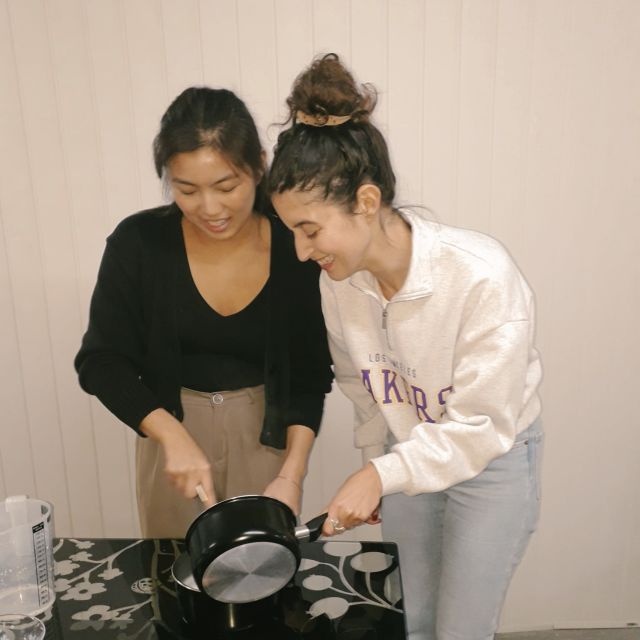
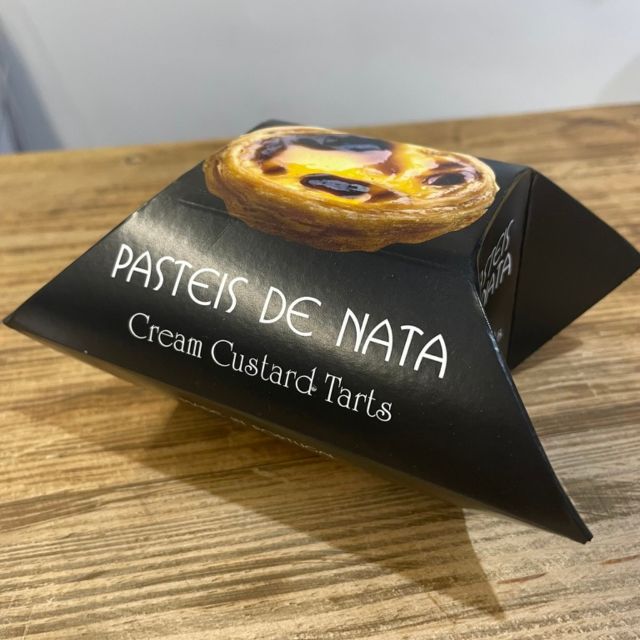
Each participant prepares several pastéis de nata. Depending on the session, you can eat them at Domus Arte or take them away.
A paper transport box is included, which is a small but useful detail. Fresh custard tarts are not ideal for carrying loose in a backpack, especially if you plan to keep walking around Porto afterward.
The finished pastries are the reward for the class. You see the result of the custard work, taste the contrast between filling and pastry, and leave with something more memorable than a recipe card alone.
Some sessions produce three tarts per person, while the exact number may vary. The important point is that you receive several individual pastries, not just a shared sample.
I would eat at least one on site. Pastéis de nata are best enjoyed fresh, and the class gives you the chance to compare your result with the instructor’s technique while the process is still clear in your mind.
What the instructors do well
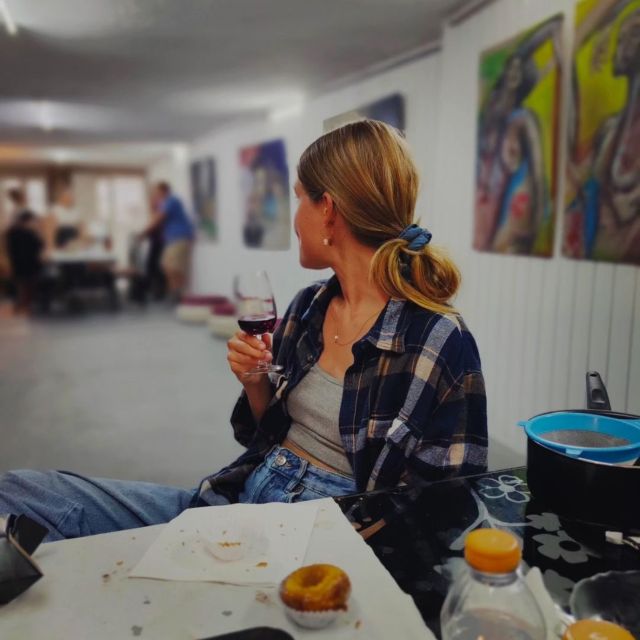
The strongest feature of this workshop is the teaching. The instructors are described as friendly, patient, funny, and good at making strangers feel comfortable.
Teresa is often praised for remembering names, keeping the class lively, and creating an easy atmosphere. Luis and Filipe are also noted for clear explanations, useful tips, and a relaxed approach. Sofia received praise for staying engaged with the group and helping everyone take part.
That does not mean every class will feel identical. Different instructors bring different personalities, and group size can change the rhythm. But the repeated pattern is clear: the teaching aims to be social and supportive rather than formal or intimidating.
I especially like that the class appears to work for mixed groups. You might be a keen baker, a complete novice, a couple on a city break, or part of a birthday or bachelorette celebration. The method allows everyone to contribute at a comfortable level.
Children are welcome from age three, although children under three are not admitted. Since the work is shared and the atmosphere is casual, this can be a good family activity for older children who enjoy food and simple practical tasks.
Is $41 a good value?

At $41 per person, this is not the cheapest way to eat a pastel de nata in Porto. You can buy the pastry itself for far less at a bakery.
The comparison is not really pastry against pastry. You are paying for 90 minutes of instruction, ingredients, drinks, snacks, a central venue, several finished tarts, a transport box, and recipes for both the custard and puff pastry.
I consider the price reasonable if you value an activity rather than just a snack. The class gives you a story, a social setting, and a skill you can use at home. It also fills a useful part of the day without requiring a full-day commitment.
The value is weaker for anyone who mainly wants to make puff pastry from scratch. Since that part is prepared ahead, a serious baker may prefer a longer private lesson. For everyone else, the combination of food, instruction, and Porto tips makes the fee fair.
Free cancellation up to 24 hours before the class and a reserve-now, pay-later option add flexibility. Starting times vary, so check the schedule before building the rest of your day around it.
Dietary needs and practical limits
Lactose-free, gluten-free, and vegan options are available upon request. You must give advance notice, and the team needs to confirm that the requested preparation can be arranged.
Do not assume that a last-minute request will be possible. If you have a serious allergy or strict dietary need, contact the organizer before booking and wait for confirmation.
Smoking is not allowed indoors. The class is stroller accessible, pets are allowed, and wheelchair users are not considered suitable for this activity at the stated location. These details are worth checking before you commit, especially for families and visitors with mobility needs.
The class language is English. If you are comfortable following English instructions, the cooking process is designed to be easy to understand.
Who should book this Porto pastry class?
I would recommend it to first-time visitors who want a simple introduction to Portuguese food. It is also a good choice for solo visitors, since the shared cooking naturally creates conversation.
Families with children over three can enjoy the class, as can couples looking for an activity beyond sightseeing. It also suits small celebrations, such as birthdays, friend trips, and bachelorette weekends.
Keen home bakers should book with realistic expectations. You will learn the filling, baking process, and useful techniques, but the dough is prepared in advance. The recipe lets you continue at home, yet the class itself will not show every stage of puff pastry preparation.
If you want a quiet, private, highly technical lesson, this may not be the right format unless you arrange the private option. If you want an upbeat introduction with food, drinks, and plenty of help, it is a strong choice.
Should you book it?
Book this class if you want to do something social, eat a classic Portuguese pastry, and leave with enough instruction to try the recipe at home. The central location, Port wine, friendly guides, and take-home box make it more useful than a simple tasting stop.
Skip it if you already know how to make custard tarts or if learning puff pastry from scratch is your main aim. For most visitors, though, $41 buys a pleasant break from Porto’s hills and churches, plus a practical memory you can recreate long after the last pastry is gone.
FAQ
How long does the pastel de nata class last?
The workshop lasts 1.5 hours, or 90 minutes.
Where does the class take place?
It takes place at Domus Arte, a concept store in downtown Porto near Porto Cathedral and São Bento station.
What language is the class taught in?
The class is taught in English.
Is Port wine included?
Yes. Port wine, juice, water, and coffee are included, along with a selection of sweet and savory snacks.
Do I make the puff pastry during class?
No. The puff pastry is prepared in advance because it takes several hours to become ready for use. You receive the recipe so you can make it at home.
What parts of the recipe do I prepare?
The class focuses on preparing the custard filling and the baking process. Participants take turns helping with the recipe under the instructor’s guidance.
How many pastéis de nata do I receive?
Each participant prepares several pastéis de nata. Some sessions have produced three per person, but the exact number may vary.
Can I take the pastries home?
Yes. You can eat them at the venue or take them away in an included paper transport box.
Are dietary alternatives available?
Lactose-free, gluten-free, and vegan options are available upon request. Advance notice is required, and the team must confirm the preparation.
Is the class suitable for children and wheelchair users?
Children under three are not permitted. The class is stroller accessible, but wheelchair users are not considered suitable for the stated activity location.
Recently added in Porto
- Porto: Tuk tuk Tours with Port Wine Tasting★ 4.5 · 65 reviews
- The Beautiful Story of Porto: Guided Tour with Entry Tickets★ 4.8 · 111 reviews
- Porto: Royal Oporto Tour na Real Companhia Velha★ 4.8 · 395 reviews
- Porto: Entry Ticket at WOW – The Wine Experience Museum★ 4.7 · 356 reviews
- Porto: WOW Daily Ticket★ 4.7 · 42 reviews
- Porto: Luxury Yacht Tour of the 6 Bridges and Douro Estuary★ 4.9 · 521 reviews
- Porto: 6 Bridges Port Wine River Cruise with 4 Tastings★ 4.8 · 182 reviews
- Porto Wine Tasting Experience with Portuguese Tapas Plate★ 4.7 · 356 reviews
Wine Tours, compared.
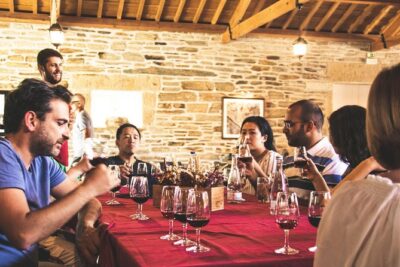
Complete Douro Valley Wine Tour with Lunch, Wine Tastings and River Cruise
Read our review →
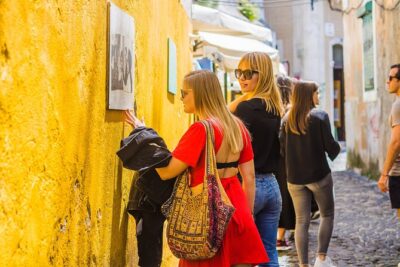
Winner 2025 Undiscovered Lisbon Food & Wine Tour by Eating Europe
Read our review →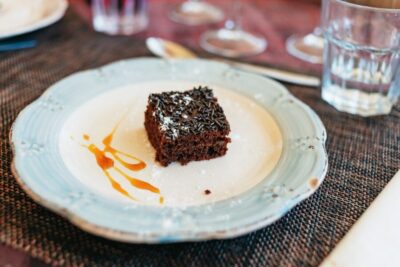
Douro Valley: Wine Tour with Lunch, Tastings & River Cruise
Read our review →
Authentic Small Group Douro Wine Tour with Lunch & River Cruise
Read our review →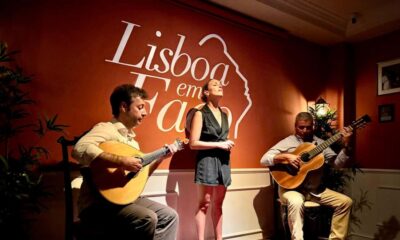
Live Fado Show with Port Wine in Historic Center
Read our review →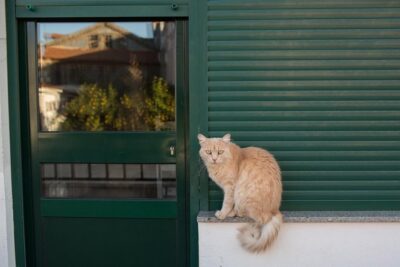
Douro Valley Small-Group Tour with Wine Tasting, Lunch and Boat
Read our review →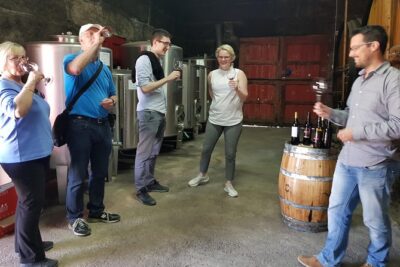
Douro Valley Tour: 2 Vineyard Visits, River Cruise, Winery Lunch
Read our review →Browse the lists this tour appears in