
REVIEW · COOKING CLASSES
Porto: Pastel de Nata Cooking Class with Grandma’s Recipe
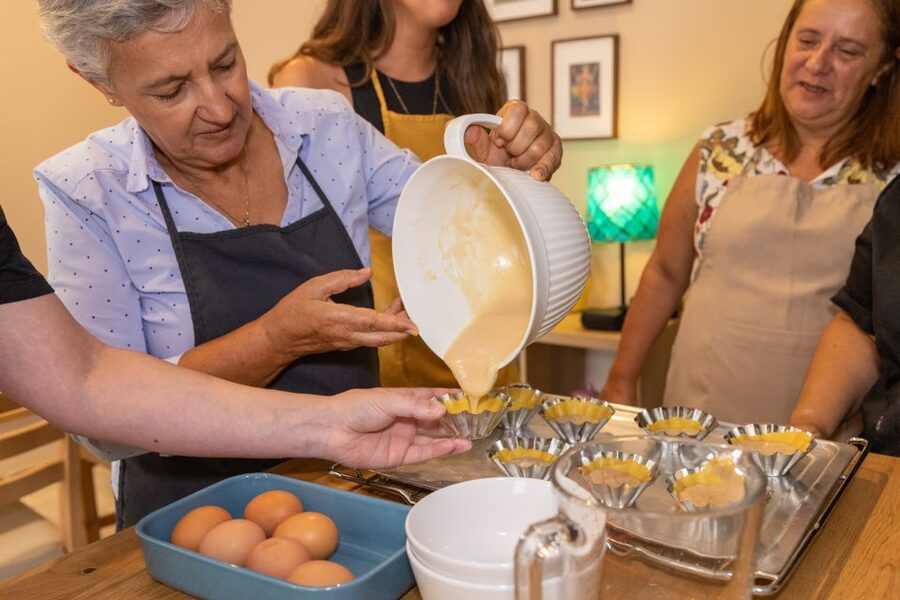
Porto tastes better fresh from the oven. This two-hour pastel de nata class brings you into Joana’s cozy home, where you make Portuguese custard tarts from scratch with a family recipe. I like the hands-on pastry work, especially because the dough is prepared during the class rather than handed to you ready-made. I also like the relaxed meal-at-the-table finish, with warm tarts, coffee, tea, and juice.
The main drawback is location. The home is about 10 minutes by car from central Porto and technically outside the city center, so you’ll need to allow extra time and possibly pay for a rideshare. Still, at $33 per person, this is a strong value for a small, personal food experience.
In This Review
- Key points at a glance
- Why pastel de nata is a fine Porto souvenir
- Arriving at Joana’s home from central Porto
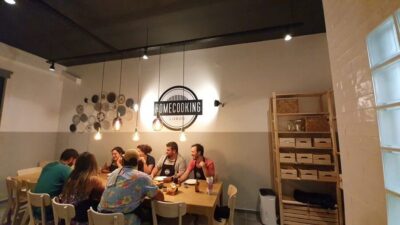
- The welcome: family, food, and a bright kitchen
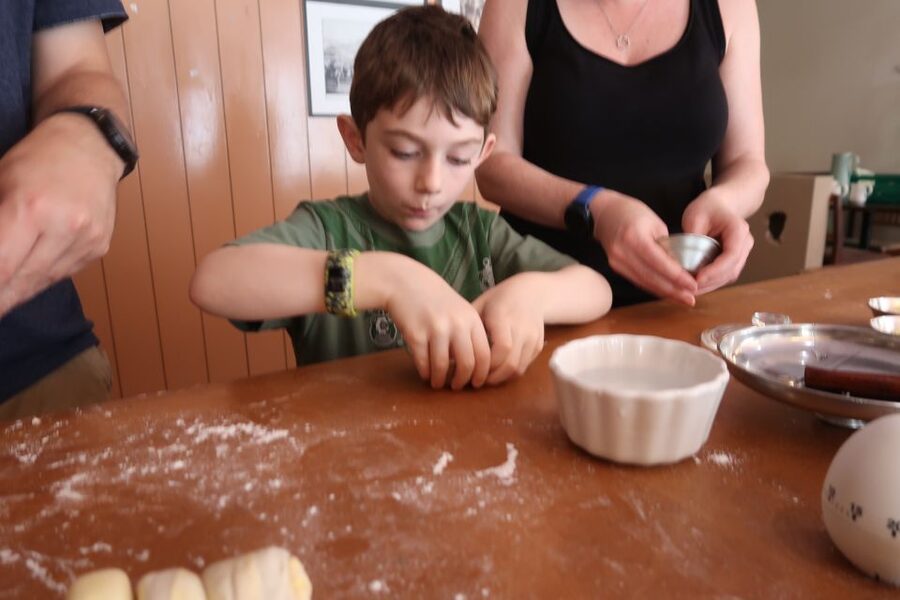
- Making the pastry from scratch
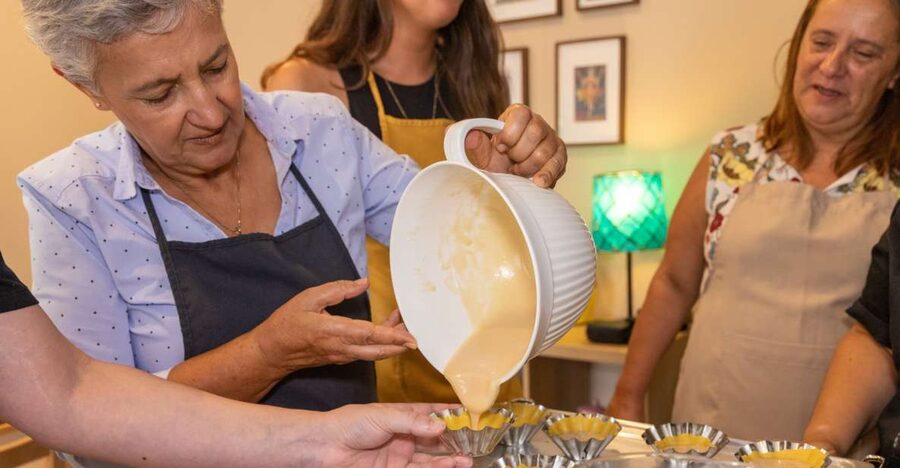
- Preparing the creamy custard
- The oven finish and the best part of the class
- What makes the host part of the value
- Is $33 a good price?
- Who will enjoy this class most?
- Booking details worth knowing
- Should you book the pastel de nata class?
- FAQ
- How long does the pastel de nata class last?
- How much does the experience cost?
- What is included in the class?
- How do I reach the host’s home from Porto city center?
- Is the class suitable for beginners?
- Is the activity suitable for wheelchair users?
Key points at a glance
- Grandmother’s recipe: Learn a family method for making pastel de nata, including the pastry and custard.
- A real home kitchen: The class takes place in Joana’s comfortable, bright apartment rather than a commercial cooking studio.
- Everyone takes part: Groups of up to 10 rotate through the tasks so each person can help with the baking.
- Warm pastries at the end: Sit down with your freshly baked tarts and non-alcoholic drinks.
- Useful for beginners: Joana explains each stage clearly and patiently, while experienced bakers can still pick up helpful technique.
- Plan the ride: Bolt or Uber is easiest, though buses and the metro also connect the home with central Porto.
Why pastel de nata is a fine Porto souvenir
Pastel de nata is Portugal’s famous custard tart: crisp, layered pastry holding a soft, sweet custard center. It is easy to eat in one bite, but the pastry takes care and patience. That makes it a smart choice for a cooking class. You learn a dish that is both deeply Portuguese and realistic to attempt at home.
This class is not only about mixing ingredients. Joana begins by introducing herself and talking about her family, then connects the recipe to her grandmother. That personal start gives the food a place and a story. You are not simply reproducing a bakery item from a printed card. You are learning a method that has been kept in her family.
The setting matters, too. You work in a local home with natural light, music, and a table prepared for the final tasting. It feels informal and friendly. If you prefer polished demonstration kitchens with individual workstations, this may feel less structured. If you like meeting a local person and seeing how a food fits into home life, the setting is the chief attraction.
More Cooking Classes in Portugal:
- Lisbon: Pastel de Nata Baking Class
★ 4.9 · 2,106 reviews - Porto: Pastel de Nata Pastry-Making Workshop
★ 4.9 · 1,542 reviews - Porto: Pastel de Nata Cooking Class with Port Wine – Sé
★ 4.8 · 888 reviews
Arriving at Joana’s home from central Porto
The address is around 10 minutes away by car from Porto city center. Bolt or Uber is the simplest option, and the supplied directions note that a ride can be especially economical for groups of more than two people. One practical warning: the fare can add noticeably to the $33 class price, especially if you are traveling alone or during a busy period.
You can also take public transport. From Bolhão, bus 800 or 801 provides a direct ride of about 20 minutes and stops across the street from the house. The bus accepts payment in coins inside the vehicle, so prepare change before boarding.
From Trindade Station, take the Orange Metro Line to Fânzeres. The direct ride takes about 30 minutes, followed by a walk of roughly 700 meters, or about 10 minutes. This route costs less than a car, but it takes longer, so leave plenty of room before the class begins.
At the address, ring the doorbell marked 2 Andar. Joana waits inside her home. The activity is not wheelchair suitable, and the walk from the metro may be worth considering carefully if you have limited mobility.
The welcome: family, food, and a bright kitchen
The first part is a chance to settle in. Joana welcomes you into her home, introduces herself, and shares details about her family and the recipe. This is useful for solo visitors because the class quickly gives you a small social circle. It also helps couples and families move beyond the usual sightseeing routine.
The kitchen is described as cozy, clean, and filled with natural light. The table is laid out for the work ahead, and all ingredients and cooking utensils are supplied. You do not need to bring specialist equipment, though you should arrive ready to stand, handle dough, and work alongside other people.
English is the working language. Joana’s teaching style comes through clearly in the way the class is organized. She is patient, gives step-by-step instructions, and checks that people understand before moving on. That is important here because laminated pastry and custard both have small technical points that can be easy to miss.
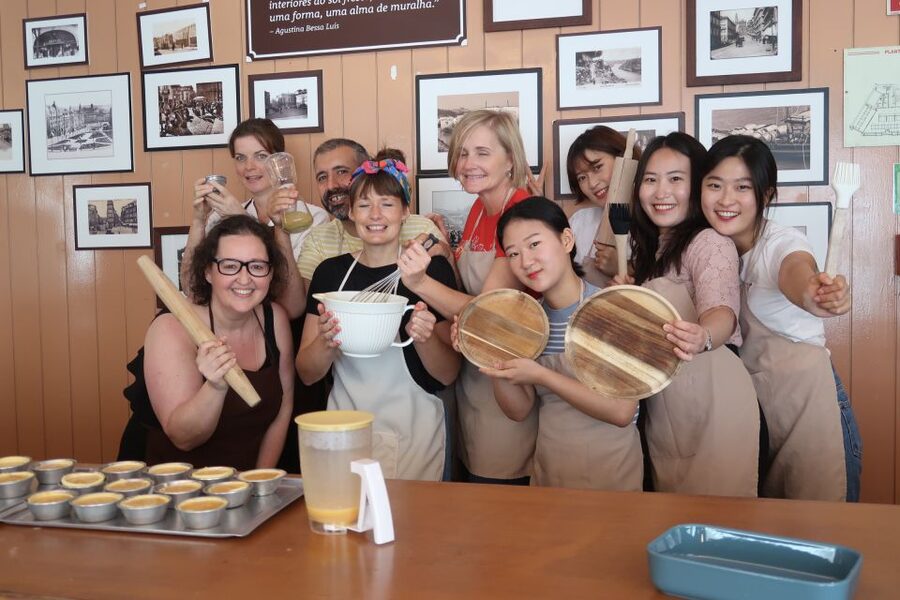
The group size is limited to 10. That is small enough for a friendly atmosphere, but not so small that you receive constant one-to-one instruction. The class uses a rotating system, sometimes dividing into two teams, so everyone contributes. You may not personally perform every single motion from start to finish, but you will be involved in the shared batch.
Making the pastry from scratch
The pastry is the part that gives this class extra value. Some cooking classes prepare the dough in advance so the schedule stays tidy. Here, the process includes making the pastry during the session.
You learn how to work with the dough, then help shape it for the tart shells. This is where the class becomes more than a recipe demonstration. You see how the base is formed and why the finished tart has those thin, flaky layers.
The work is shared. One person may take a turn with a particular step while others watch, ask questions, or prepare the next stage. That system keeps the two-hour schedule workable, but it also means you should not expect a private lesson where you make every tart alone.
This is still accessible for beginners. Joana’s calm instruction keeps the pace from becoming intimidating, and the group setting takes some pressure away. You are making a shared result, so an imperfect fold is not a disaster. More experienced bakers can focus on the details of the pastry technique and compare it with methods they already know.
Same corner of the country, a different pace:
- The Unvanquished Tour in Porto City Center
★ 5.0 · 26,497 reviews - Lisbon City Center Tour – The Unmissable Lisbon
★ 5.0 · 22,234 reviews - Lisbon: Sintra, Pena, Regaleira, Cabo da Roca & Cascais
★ 4.7 · 19,656 reviews - From Porto: Douro Valley w/ Boat Tour, Wine Tasting & Lunch
★ 4.7 · 19,061 reviews
Preparing the creamy custard
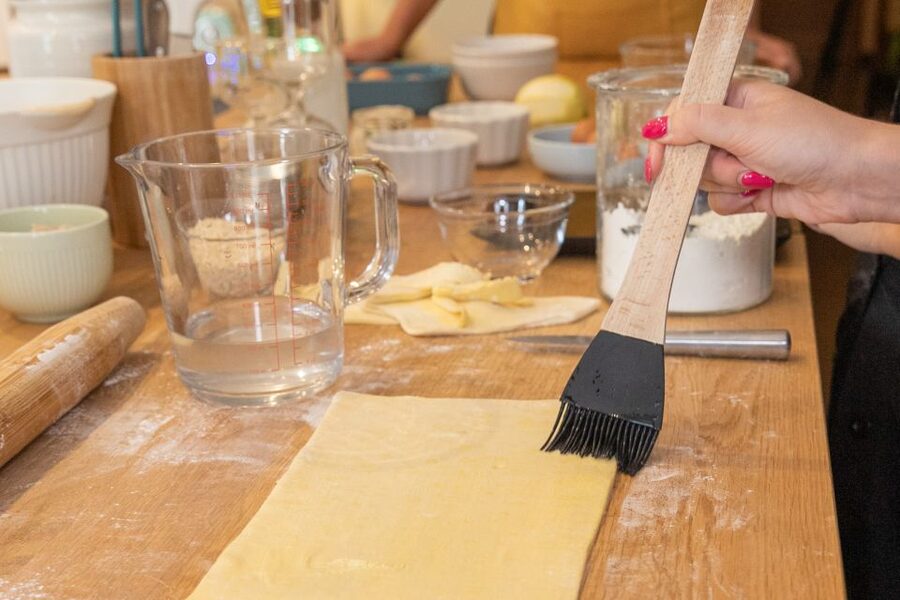
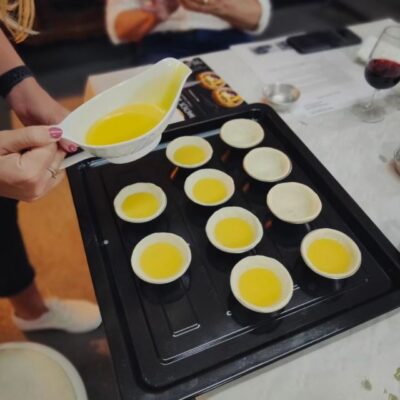
Once the pastry work is underway, the class turns to the custard filling. The appeal of a good pastel de nata comes from contrast: crisp pastry, smooth custard, and a warm center. The recipe gives you a chance to see how that filling is assembled rather than treating it as a mysterious bakery mixture.
Joana explains the steps carefully and shares facts about the pastry as you work. The pace is relaxed rather than rushed, though the full from-scratch process means the time is used well. If you want lengthy cultural discussion, ask questions as the cooking moves along. The two-hour format focuses mainly on producing the pastries.
The class suits mixed ability levels. People with little baking experience can follow the method, while confident home cooks can pay attention to proportions, handling, and timing. One useful benefit is that the recipe is shared afterward, so you can attempt the tarts again in your own kitchen.
Do not expect to leave with a large box of pastries for later. The stated experience ends with the group eating the fresh batch together. The real souvenir is the recipe and the skill to repeat it.
The oven finish and the best part of the class
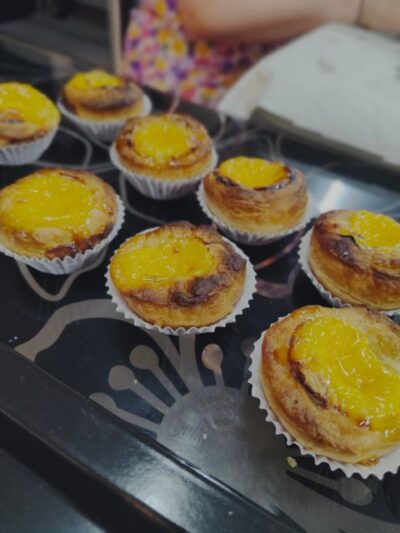
The final stage is baking. This is when the separate jobs come together: pastry shells, custard, and careful preparation become the recognizable Portuguese tart. The reward is immediate, with warm, flaky pastry and creamy filling served soon after baking.
The tasting takes place around the table in Joana’s home. Coffee, tea, and orange juice are included, along with the pastries. The drinks keep the ending simple and social. You can compare results, talk with people from other countries, and ask Joana for further food suggestions around Porto.
The table setting and home atmosphere receive plenty of praise for good reason. This does not feel like grabbing a pastry at a counter and moving on. You have made the food together, so the final bite has a little more meaning.
The class can also be a good rainy-day plan. You are indoors, active, and still connected to Portuguese culture without spending two hours in a museum. It works well in the morning or afternoon, depending on the available start time.
What makes the host part of the value
Joana is the heart of the experience. Her warmth and patience are repeated themes in the feedback, along with her ability to draw quieter people into the activity. That matters if you are traveling alone or worry about joining a group where everyone already knows one another.
Her home adds a personal touch that a commercial kitchen cannot easily copy. The decor, music, clean setup, and carefully arranged table all help create the feeling of being invited in rather than processed through an attraction. A record player and background music have also helped give the class a casual, lived-in mood.
Joana often shares Porto recommendations after the class. That can be useful because advice from someone who lives locally may help you choose where to eat or what to see next. It is not a separate sightseeing tour, so do not book this expecting a guided walk through Porto. The cultural contact comes through conversation, food, and the home setting.
Is $33 a good price?
At $33, the class costs more than buying several pastel de nata from a bakery. That comparison misses the point. You are paying for two hours of instruction, ingredients, equipment, drinks, the use of a private home, and a recipe you can use later.
The class is particularly good value for anyone who would otherwise book a commercial food activity. You receive a small group, a complete pastry process, and a sit-down tasting. The price is also reasonable for a Porto experience that combines food with personal contact rather than offering only a sample.
Factor in transport. A rideshare can add around the cost of another modest activity, depending on where you stay and how many people share the car. Public transport keeps the overall price down, but the metro route takes about 40 minutes including the walk from Trindade, and the bus requires coins.
For two or more people, the car may be the easiest choice. Solo visitors should compare the rideshare price with the bus or metro before booking. The class itself is affordable, but the final cost depends on how you get there.
Who will enjoy this class most?
I would choose this for people who want food to be the center of a cultural experience. It suits couples, families with older children, solo visitors, and anyone who enjoys meeting a small group over a shared task.
It is also a good fit if you want:
- A relaxed indoor activity in poor weather
- A traditional Portuguese recipe you can repeat at home
- A class taught in English
- A personal setting instead of a commercial studio
- A chance to meet people from different countries
- Clear instruction without needing advanced baking skills
You may want something else if your main goal is a professional pastry certificate, a long chef-led workshop, or a class where every participant makes an entirely separate batch. The rotating format is fair and social, but it limits individual time at each station.
The location is another real consideration. It is easy enough to reach, but not a walk from central Porto. If your schedule is tight, account for the ride in both directions.
Booking details worth knowing
The activity lasts two hours, and starting times depend on availability. Ingredients, utensils, the guided class, non-alcoholic drinks, and pastries are included. Transportation is not included.
You can cancel up to 24 hours before the start time for a full refund. A reserve-now, pay-later option is also available, which helps if your Porto plans are still shifting.
The experience is offered in English, with a maximum group size of 10. Since it takes place in a private home and is not suitable for wheelchair users, check the physical details and route before committing.
Should you book the pastel de nata class?
Yes, if you want a personal Porto experience with a practical result. The strongest reasons are the grandmother’s recipe, the from-scratch pastry work, Joana’s patient teaching, and the warm table setting at the end.
I would book it early in your stay if possible. You may leave with recipe ideas and local food recommendations that can shape the rest of your visit. Just allow extra time for the journey and remember that the $33 price does not include transport.
Skip it only if you dislike group cooking, need full wheelchair access, or have no room in your schedule for a trip beyond central Porto. For most food-minded visitors, the class offers a rare combination: you meet a local person, learn a classic Portuguese pastry, and eat the result while it is still warm.
FAQ
How long does the pastel de nata class last?
The class lasts two hours. Starting times vary, so check availability when you book.
How much does the experience cost?
The listed price is $33 per person. Transportation to Joana’s home is not included.
What is included in the class?
Ingredients, cooking utensils, guided instruction, non-alcoholic drinks, and the freshly made pastries are included.
How do I reach the host’s home from Porto city center?
You can use Bolt or Uber, take bus 800 or 801 from Bolhão, or take the Orange Metro Line from Trindade to Fânzeres, followed by a walk of about 700 meters. The bus requires payment in coins inside the vehicle.
Is the class suitable for beginners?
Yes. Joana explains the process step by step and helps participants throughout the activity. Experienced bakers can also take part and learn the full pastry process.
Is the activity suitable for wheelchair users?
No. The activity is not suitable for wheelchair users.
Recently added in Portugal
- Lisbon Cinematic Photoshoot with Top-Rated Photographer★ 5.0 · 76 reviews
- City Centre Run in Lisbon★ 5.0 · 164 reviews
- City of Neighborhoods Tour 1H 30M Private Tour by Tuk Tuk★ 5.0 · 38 reviews
- Central Lisbon E-Bike Tour★ 5.0 · 168 reviews
- Hands on Portuguese Cooking Class in Lisbon★ 5.0 · 136 reviews
- Lisbon Sailing Catamaran Public Cruise with drinks★ 5.0 · 304 reviews
- Lisbon City Tour by Tuk Tuk★ 4.5 · 137 reviews
- Romantic Private Sailboat in Lisbon for couples★ 5.0 · 38 reviews
Cooking Classes, compared.
Pastel de Nata Cooking Class with Port Wine – Sé
Read our review →
Pastel de Nata Masterclass at a Real Bakery in Downtown Lisbon
Read our review →
Pastel de Nata Pastry Class: Bake and Enjoy Your Own Treats
Read our review →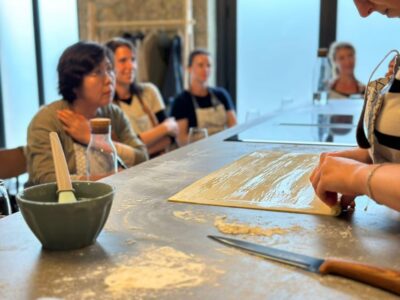
Browse the lists this tour appears in