
REVIEW · COOKING CLASSES
Lisbon: Pastel de Nata Baking Class
Pastel de nata is better when you make it. This two-hour Lisbon baking class turns Portugal’s famous custard tart into a hands-on lesson, with chefs guiding you through the pastry, custard, shaping, and baking. I like the clear step-by-step format, and I like that the class adds Portuguese drinks and food culture instead of treating the tart as just another recipe. The main drawback is location: Homecooking Lisbon HUB may not be close to central Lisbon, so you may need a bus or taxi.
The class costs $64 per person, which is fair if you want more than a quick tasting. Your fee covers ingredients, equipment, instruction, insurance, and drinks including coffee, homemade juice, water, Porto wine, and a tasting of ginjinha. The result is both a sweet snack and a practical memory you can try to recreate at home.
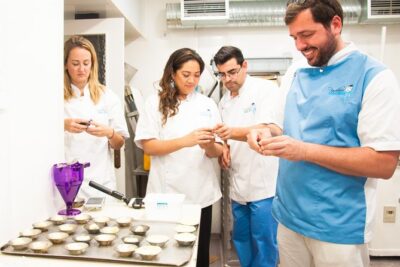
The atmosphere sounds friendly and relaxed, with instructors such as Marta, Beatrice, Bea, Miyuki, and Miguel praised for being patient and entertaining. You may work in pairs, and a class of about 12 people gives the session a social feel. It is not designed for children under six or people with mobility impairments, and the final pastry tasting can feel rushed if the class runs tightly to time.
In This Review
- Key points to know before booking
- Why pastel de nata makes a good Lisbon class
- Arriving at Homecooking Lisbon HUB
- The opening: food, culture, and a friendly kitchen
- Working the dough with your hands
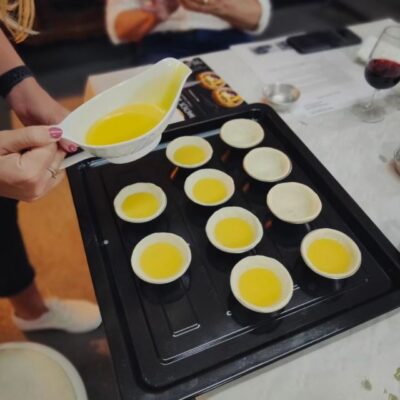
- Making the custard and filling the shells
- The oven stage and the first warm bite
- Coffee, Porto wine, and ginjinha
- The instructors make the difference
- Is $64 good value?
- Who should book this class?
- Should you book the Lisbon pastel de nata class?
- FAQ
- How much does the pastel de nata baking class cost?
- How long does the class last?
- Where does the class meet?
- What drinks are included?
- Is the class taught in English?
- Are children allowed to join?
- Can I cancel the booking or pay later?
Key points to know before booking
- You make the pastry yourself: The class covers dough, custard, shaping, filling, and baking rather than offering only a demonstration.
- Fresh tarts are the payoff: You eat your own pastel de nata warm from the oven, with some sessions allowing extra pastries to be taken away.
- Portuguese drinks are part of the lesson: Coffee, homemade juice, water, Porto wine, and ginjinha are included.
- The instructors get the strongest praise: Marta, Beatrice, Bea, Miyuki, Miguel, and others are described as warm, patient, funny, and clear.
- Pairs may be used: Solo participants can be matched with another person, which helps with shared preparation but may not suit someone wanting a completely private class.
- Allow time to reach the venue: The meeting point is Homecooking Lisbon HUB, and it may require transport from central Lisbon.
Why pastel de nata makes a good Lisbon class
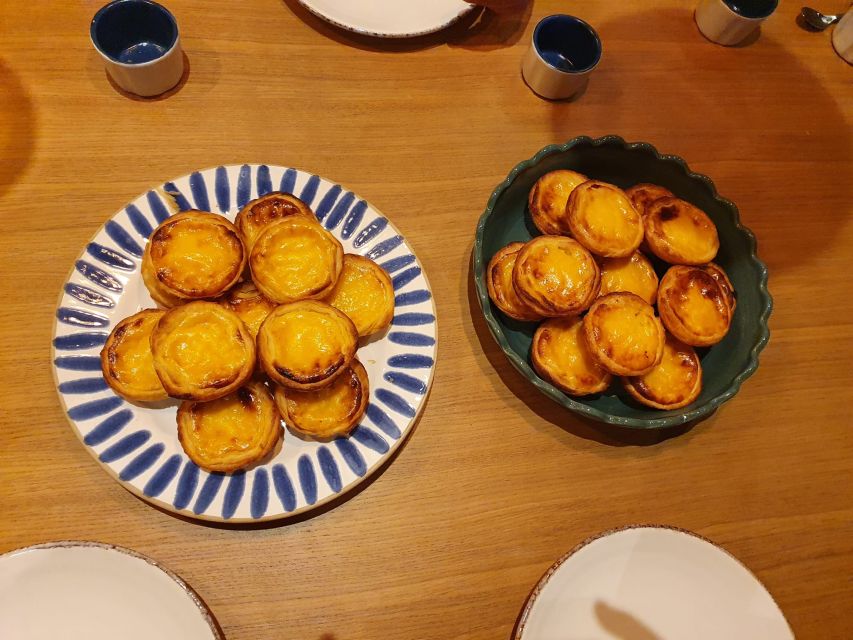
Lisbon is full of pastry shops, so you can easily eat several pastel de nata without ever learning what goes into one. This class gives you a better sense of why the pastry has such a distinctive character: crisp layers, a soft custard center, and a browned top that looks almost scorched.
The value is in the contrast between simple ingredients and careful technique. Flour, butter, sugar, eggs, and milk are familiar enough. The tricky part is handling the pastry and custard so the finished tart has the right texture.
I like this kind of food class because it gives you a way to understand a local dish without turning it into a lecture. You hear about Portuguese gastronomy and the origins of the pastry while your hands are busy. That balance keeps the class lively, especially for people who do not normally spend their holidays in kitchens.
It also gives you a useful point of comparison for the bakeries you visit later. After shaping dough and tasting the custard, you will pay closer attention to flaky pastry, caramelized tops, and the difference between a warm tart and one that has been sitting out.
More Cooking Classes in Lisbon
- Lisbon: Traditional Portuguese Cooking Class
★ 4.9 · 592 reviews - Pastel de Nata Masterclass at a Real Bakery in Downtown Lisbon
★ 5.0 · 491 reviews - Pastel de Nata Pastry Class: Bake and Enjoy Your Own Treats
★ 5.0 · 485 reviews
Arriving at Homecooking Lisbon HUB
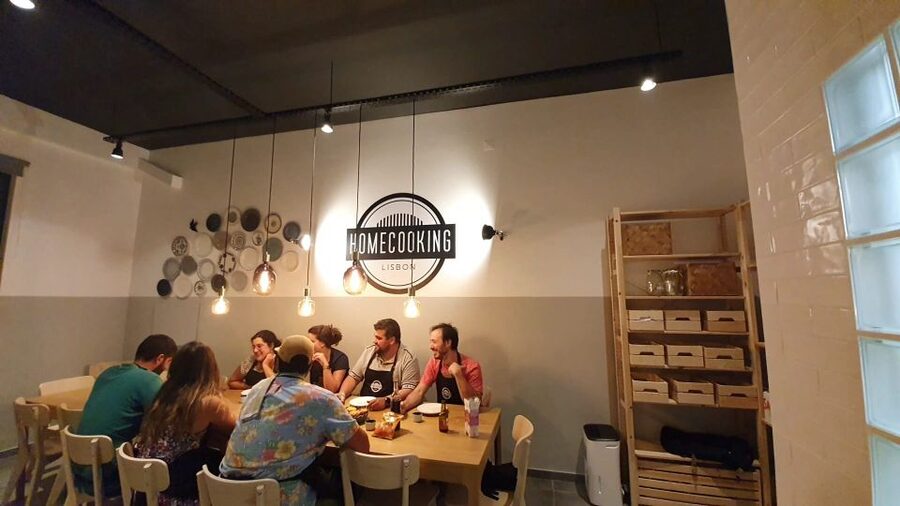
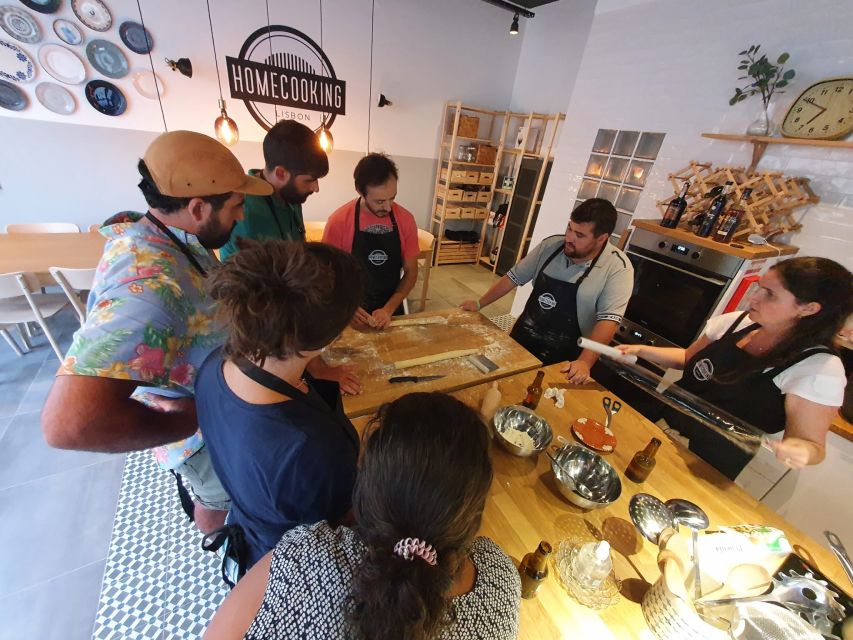
The meeting point is Homecooking Lisbon HUB, a cooking space described as clean, modern, and welcoming. The kitchen setup matters here. A pastry class can become frustrating when there is not enough room or equipment, but the available information points to a well-prepared space with cooking utensils and ingredients ready for use.
Plan your route before class day. The venue is in the Lisbon District, but one participant found it less central than expected and used a taxi. Another noted a bus stop directly outside. This makes public transport possible, though the best option depends on where you are staying and the class start time.
There has also been a temporary location issue during construction, with a last-minute booking affected by a change of venue. The problem was resolved quickly, but I would still check the meeting details on the day of your class. That small step can save you from arriving at the wrong kitchen with butter on your mind.
The activity does not include hotel pickup or drop-off. If you are staying in the historic center, budget extra time for the journey rather than treating this as a class you can reach with a quick walk.
The opening: food, culture, and a friendly kitchen
The session begins with an introduction to the pastry and Portuguese food traditions. The instruction is in English, and the class has been well received by people from many countries. Several instructors are praised for making the history easy to follow and for sharing personal or family connections to Portuguese cooking.
This early explanation gives the recipe some meaning. You are not just learning how to fill a tart shell. You are learning why pastel de nata is such a familiar part of everyday Portuguese eating.
The social setup is another reason this works well for couples, friends, and solo participants. You may be placed in a pair, particularly if you arrive alone. That means you will share some preparation, but it also gives you an easy way to meet someone without forcing small talk over a restaurant table.
A solo participant worked with someone they had not met and still found the arrangement enjoyable. That is a useful sign for people who want a social activity but do not have a full group of friends with them.
Families can also make it work with older children. One family successfully included children aged 12, 9, and 7, while another class included two 10-year-olds. The official restriction is clear, though: children under six are not suitable for this activity.
Working the dough with your hands
The pastry stage is where the class becomes properly hands-on. You handle the dough, feel its texture, and learn how it is folded or shaped for the tart shells. One participant who had never made puff pastry before found this part especially rewarding.
This is the strongest reason to choose the class over a simple pastel de nata tasting. You get to see that the crisp shell is not an afterthought. It requires attention, and the instructor can correct your technique before the pastries go into the oven.
Some ingredients are measured in advance. That might sound less hands-on, but it makes sense in a two-hour class. Pre-measuring keeps the group moving and leaves enough time for the parts where technique matters most. The instructors explain why certain ingredients are prepared ahead, so you still understand the process rather than merely following orders.
You may work in pairs during this stage. For some people, that makes the class easier and more social. If you want every pastry step to be entirely your own, the shared format may feel slightly less personal.
Instructors are present to help when the dough becomes awkward. Marta is praised for making sure everyone stayed involved, while Bea, Beatrice, and Miyuki are described as attentive and encouraging. The tone seems practical rather than intimidating, which is important when a pastry looks easy in a bakery window but proves more delicate at the worktable.
Same corner of the country, a different pace:
- Lisbon City Center Tour – The Unmissable Lisbon
★ 5.0 · 22,234 reviews - Lisbon: Sintra, Pena, Regaleira, Cabo da Roca & Cascais
★ 4.7 · 19,656 reviews - Lisbon: Jerónimos Monastery Entrance Ticket
★ 4.1 · 14,164 reviews - Lisbon: History, Stories and Lifestyle Walking Tour
★ 4.8 · 10,902 reviews
Making the custard and filling the shells
Next comes the custard. The class explains the ingredients and the traditional method, with attention given to the difference between using the right ingredients and following the classic technique.
This is another useful lesson for home bakers. Custard can look straightforward, but small changes affect its thickness and finish. The instructor guides you through the process and explains what you are doing, rather than handing you a finished filling.
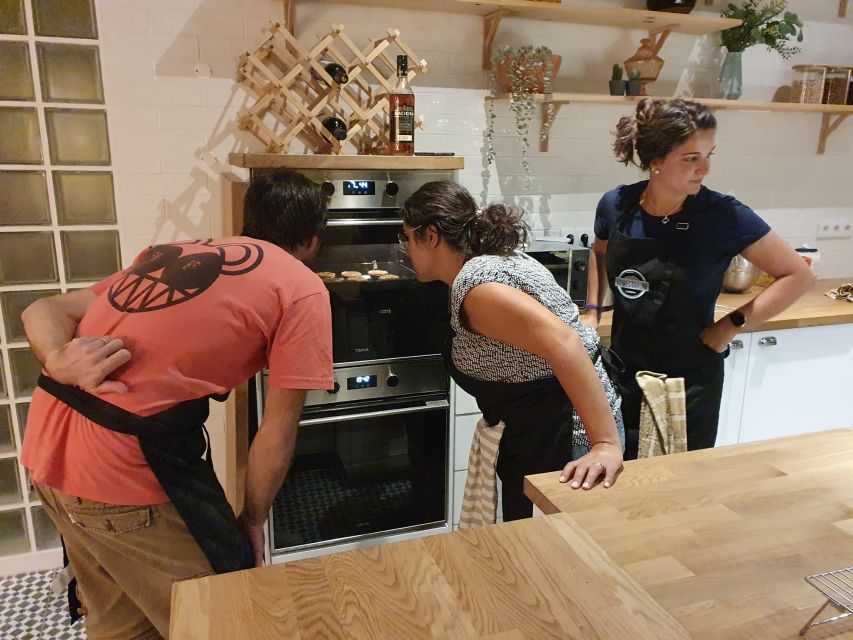
Once the pastry shells and custard are ready, you fill the tarts and prepare them for the oven. The steps are simple enough for beginners to follow, but there is still enough detail to make the work feel real. You are not just decorating ready-made pastries.
The best sessions seem to keep a steady pace. People describe the instructions as clear, easy to follow, and well organized. Even participants with little baking experience felt able to keep up.
I would not book this expecting a professional pastry qualification. You get an approachable introduction to the method, not an advanced technical workshop. Still, you leave with a much better idea of how the pastry and custard fit together, which is exactly what most holiday bakers need.
The oven stage and the first warm bite
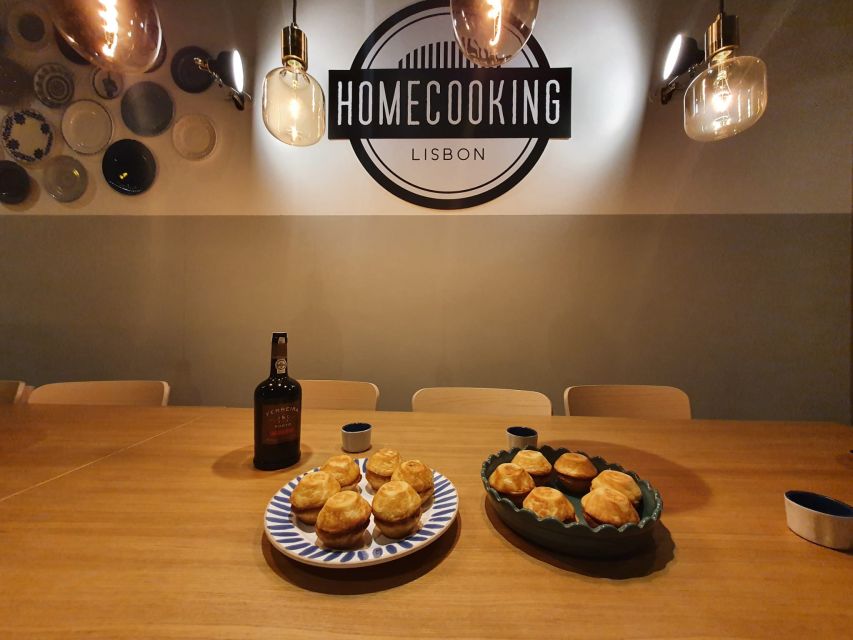
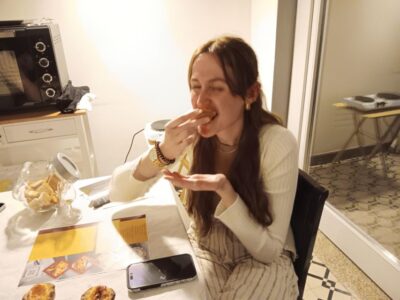
The oven is where the work pays off. You smell the pastries baking, then watch the pastry crisp and the custard set. The finished tarts are served for you to taste, and the best part is eating them warm.
Several participants describe the results as flaky, creamy, delicious, and surprisingly successful. That matters because a cooking class should not only explain a dish. It should give you a satisfying result at the end.
The fresh-from-the-oven texture is likely to be better than what you find in a pastry case later in the day. The contrast between crisp pastry and soft filling gives you a clearer idea of what to look for when you order pastel de nata around Lisbon.
There may also be enough pastries to take some back to your hotel. One family had enough for the rest of their trip, and another participant took extra tarts away. The exact amount may depend on the group and the class arrangement, so I would treat this as a welcome possibility rather than a guaranteed takeaway package.
Do not plan a major appointment immediately after class. The official duration is two hours, but the ending may feel quick when the group is eating, talking, and collecting pastries. One participant specifically wished for more time at the end. If you want to linger over the final tasting, leave yourself some breathing room.
Coffee, Porto wine, and ginjinha
The drinks add more value than they might first appear to. Coffee and water are practical, while homemade juice keeps the tasting accessible to people who do not want alcohol. Porto wine and ginjinha bring in two familiar Portuguese flavors.
Ginjinha, often called ginja, is a sweet cherry liqueur traditionally served in Portugal. Here, you get a tasting as part of the experience. It is a small detail, but it turns the class into a broader introduction to local food and drink.
The inclusion of drinks also makes the final stage more sociable. You sit, taste, compare results, and talk with the people you have been cooking beside. That suits couples and friends, but it also helps solo participants feel part of the group.
There is one caveat: the drinks may not always be identical in every session. One person noted that wine was not provided during their class, despite the general drink list including Porto wine. If that particular tasting matters to you, confirm what will be served when you arrive.
The instructors make the difference
The most consistent strength is the teaching. Names vary by session, but the pattern is clear. Marta is praised for her humor and guidance. Beatrice and Bea receive strong praise for warmth, patience, and clear explanations. Miyuki is remembered for being hospitable and fun, while Miguel is praised for his enthusiasm and practical help.
Other instructors, including Pedro, Rachel, and Cynthia, are also described as friendly and easy to follow. The class can move between instruction, personal stories, cultural context, and hands-on help without becoming stiff.
That personal approach is important in a recipe class. If your pastry does not fold perfectly or your filling needs help, you want someone nearby who will fix the problem without making you feel foolish.
The language is English, and the instruction is intended for English speakers. One instructor was also praised for switching between Portuguese, English, and Spanish, though you should count on English as the standard language.
The class has a high overall rating of 4.9 from more than 2,100 ratings. That does not mean every session will be identical, but it supports the view that teaching and atmosphere are the main reasons people enjoy this activity.
Is $64 good value?
At $64, this is not the cheapest way to eat pastel de nata in Lisbon. A bakery visit costs much less, and you can sample the pastry at several famous spots for a small amount.
The comparison changes when you count what is included. You get two hours of instruction, all ingredients, cooking equipment, drinks, insurance, cultural background, and your own freshly baked pastries. You also get the chance to learn a recipe rather than simply consume it.
I think the price is fair for couples, food lovers, and people who want a planned activity on a rainy afternoon. It is less compelling if you only want to taste the pastry or if you already bake custard tarts regularly.
The class also has value as a social event. You meet people from different countries, share a work surface, and finish with food that everyone helped prepare. That can make it a better use of $64 than another standard meal, particularly if you have already spent several days sightseeing.
You can reserve now and pay later, which helps if your Lisbon plans are still shifting. Cancellation is free up to 24 hours before the activity for a full refund. Those terms reduce the risk of booking ahead.
Who should book this class?
I would recommend it to:
- Couples seeking a relaxed activity together
- Solo participants who enjoy meeting people through food
- Families with children aged six and above
- Beginners who want clear instruction rather than a demanding pastry course
- Visitors interested in Portuguese food culture
- Anyone who wants to understand pastel de nata before tasting it across Lisbon
I would be more cautious if you have limited mobility, since the activity is not suitable for people with mobility impairments. I would also think twice if you dislike shared work or need a completely private lesson.
The class is conducted in English, so it suits English-speaking visitors. Its two-hour length fits neatly into a day of sightseeing, though you should account for the journey to the venue and possible extra time at the end.
Should you book the Lisbon pastel de nata class?
Yes, if you want to do something active and local rather than simply buy another pastry. The class earns its price through hands-on preparation, warm results, generous drink options, and instructors who make beginners feel capable.
Book it earlier in your Lisbon stay if you can. Learning the method first will make later bakery visits more interesting, and you may want to try the recipe again at home while the steps are still fresh.
Skip it if your priority is a central location, a private cooking lesson, or the lowest possible cost. For everyone else, this is a friendly, useful two hours with a delicious finish and just enough Portuguese flavor to make it more than a standard baking workshop.
FAQ
How much does the pastel de nata baking class cost?
The class costs $64 per person.
How long does the class last?
The activity lasts two hours.
Where does the class meet?
The meeting point is Homecooking Lisbon HUB in the Lisbon District, Portugal.
What drinks are included?
Included drinks are homemade juice, coffee, water, Porto wine, and a ginjinha tasting. Availability may vary by session.
Is the class taught in English?
Yes. The listed instructor language is English.
Are children allowed to join?
Children under six are not suitable for the activity. Older children have taken part in previous sessions.
Can I cancel the booking or pay later?
You can cancel up to 24 hours in advance for a full refund. A reserve-now-and-pay-later option is also available.
Recently added in Lisbon
- Lisbon Cinematic Photoshoot with Top-Rated Photographer★ 5.0 · 76 reviews
- City Centre Run in Lisbon★ 5.0 · 164 reviews
- City of Neighborhoods Tour 1H 30M Private Tour by Tuk Tuk★ 5.0 · 38 reviews
- Central Lisbon E-Bike Tour★ 5.0 · 168 reviews
- Hands on Portuguese Cooking Class in Lisbon★ 5.0 · 136 reviews
- Lisbon Sailing Catamaran Public Cruise with drinks★ 5.0 · 304 reviews
- Lisbon City Tour by Tuk Tuk★ 4.5 · 137 reviews
- Romantic Private Sailboat in Lisbon for couples★ 5.0 · 38 reviews
Cooking Classes, compared.
Pastel de Nata Cooking Class with Grandma’s Recipe
Read our review →
Pastel de Nata Cooking Class with Port Wine – Sé
Read our review →
Pastel de Nata Masterclass at a Real Bakery in Downtown Lisbon
Read our review →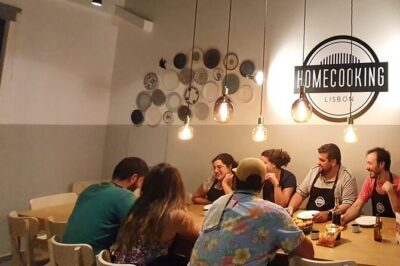
Pastel de Nata Pastry Class: Bake and Enjoy Your Own Treats
Read our review →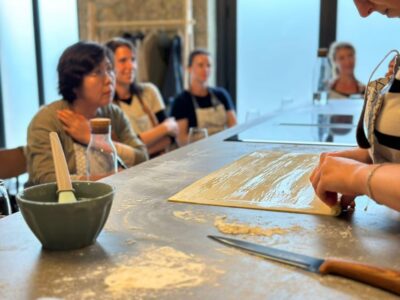
Browse the lists this tour appears in