
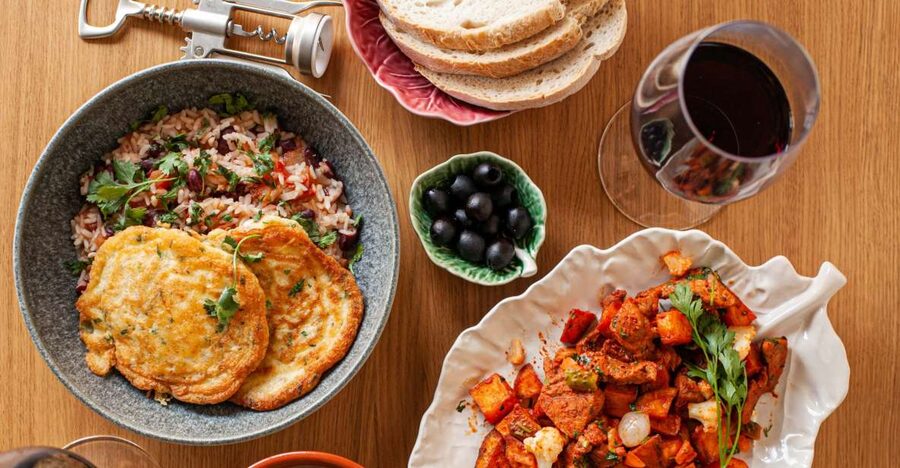
REVIEW · COOKING CLASSES
Lisbon: Traditional Portuguese Cooking Class
Come hungry, leave with recipes. This three-hour class at Homecooking Lisbon HUB gives you a friendly, hands-on way to understand Portuguese food beyond the restaurant table. I especially like the small groups of up to 10 and the generous spread of wine, beer, snacks, homemade juice, coffee, and water. The main consideration is that the menu changes with the season, and one dish, pork ribs, has been found tough by at least one participant.
The class is led in English by a rotating team of chefs and instructors, including Pedro, Miguel, Teresa, Beatriz, Bee, Miyuki, Kriszti, and Tereza. You cook a traditional four-course meal step by step, then sit down together to eat it. It is social, practical, and much more personal than simply ordering bacalhau or pastel de nata in a Lisbon café.
In This Review
- Five things to know before you book
- Arriving at Homecooking Lisbon HUB
- Starting with Portuguese snacks, wine, and conversation
- Four courses, taught one step at a time
- Learning the stories behind Portuguese food
- Sitting down to eat what you prepared
- Dietary needs and comfort in the kitchen
- What the $100 price includes
- Who will enjoy this Lisbon cooking class?
- Timing, transport, and booking advice
- Should you book Homecooking Lisbon?
- FAQ
- How long is the Portuguese cooking class in Lisbon?
- What is included in the $100 price?
- Is the cooking class taught in English?
- How many people are in the class?
- Do I need cooking experience?
- Is the class suitable for children?
Five things to know before you book
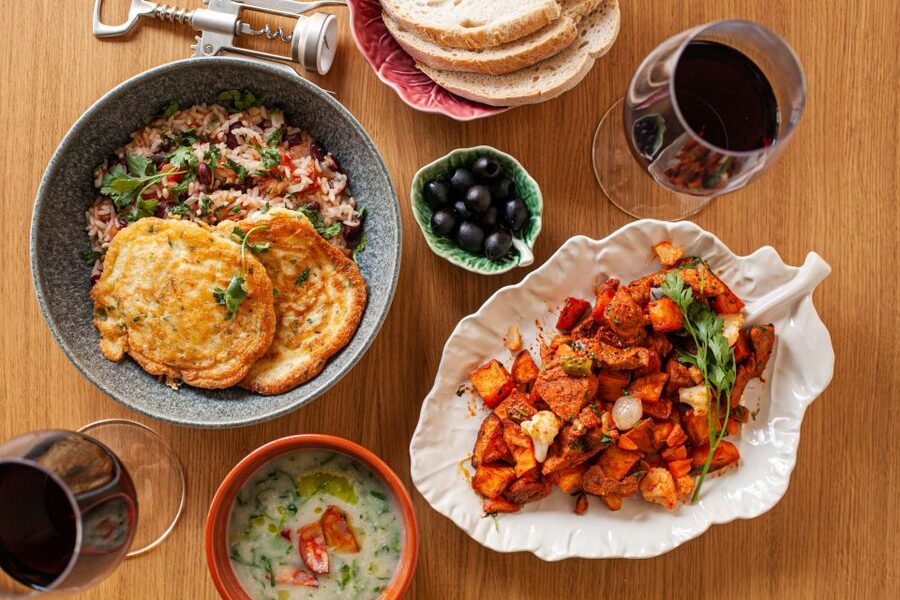
- You cook four traditional Portuguese dishes: This is a hands-on class, not a demonstration where you watch from the sidelines.
- Drinks are part of the experience: Wine, beer, homemade juice, water, coffee, and food samples are included.
- The atmosphere is social: You work alongside an international group, often sharing tasks and a final meal.
- The menu can change: Seasonal cooking is part of the lesson, so the exact dishes are not fixed in the information provided.
- Plan your route and your appetite: The meeting point is Homecooking Lisbon HUB, outside the most central sightseeing areas, and the meal can be surprisingly filling.
Arriving at Homecooking Lisbon HUB

The class meets at Homecooking Lisbon HUB in the Lisbon District. Hotel pickup and drop-off are not included, so you need to make your own way there. One useful detail from the experience is that a city bus stops right in front of the establishment, which can make the trip simple if you are staying in central Lisbon.
The location is described as just far enough outside the center to give you a better feel for a local neighborhood. That is a plus if you want your food activity to take you beyond the familiar Baixa and Alfama routes. It is less convenient if you are trying to squeeze the class between tightly scheduled sightseeing stops.
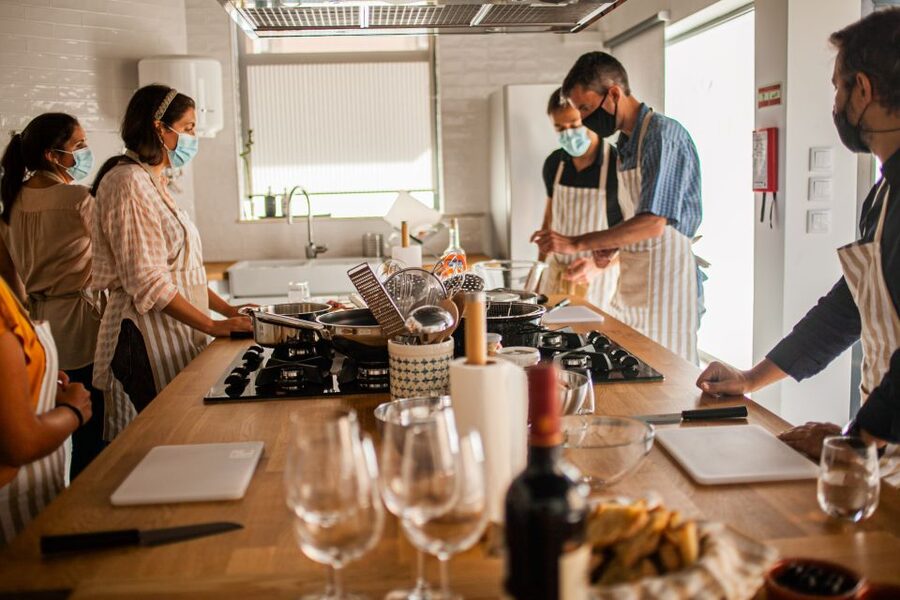
Once inside, you enter a cozy kitchen set up for shared cooking. Ingredients and equipment are supplied, so you do not need to shop, pack utensils, or know where to find unfamiliar Portuguese products. The staff has the work area prepared before you arrive, which keeps the class moving and gives you more time to cook.
The group size is limited to 10 participants. That matters here. In a kitchen class, 20 people can turn every chopping board into a traffic jam. A group of 10 gives you a better chance to ask questions, take part in the cooking, and get help when a sauce, pastry, or cooking time needs attention.
More Cooking Classes in Lisbon
- Lisbon: Pastel de Nata Baking Class
★ 4.9 · 2,106 reviews - Pastel de Nata Masterclass at a Real Bakery in Downtown Lisbon
★ 5.0 · 491 reviews - Pastel de Nata Pastry Class: Bake and Enjoy Your Own Treats
★ 5.0 · 485 reviews
Starting with Portuguese snacks, wine, and conversation
The opening is deliberately relaxed. You begin with finger food, snacks, and drinks while the chef introduces the dishes and talks about Portuguese food culture. Wine and beer are included, along with nonalcoholic choices such as homemade juice, water, coffee, and other drinks specified for the class.
This early food matters for more than comfort. It sets up the class as a shared meal rather than a technical workshop. You get to talk with the people at your table, taste a few local flavors, and settle into the kitchen before the more active work begins.
Some classes have included tastings of ginja, port wine, and sweet almond liqueur toward the end. Those details may vary, but they show the wider food-and-drink focus of the experience. You are not simply learning a recipe. You are getting a quick introduction to the way Portuguese meals often connect food, drink, family stories, and long conversation.
One especially memorable detail is the chorizo grill mentioned by a participant. It is the sort of small local cooking tool that can make a class feel rooted in Portugal rather than like a generic international cooking lesson. You learn not only what goes into a dish, but also something about how it is traditionally prepared.
Four courses, taught one step at a time
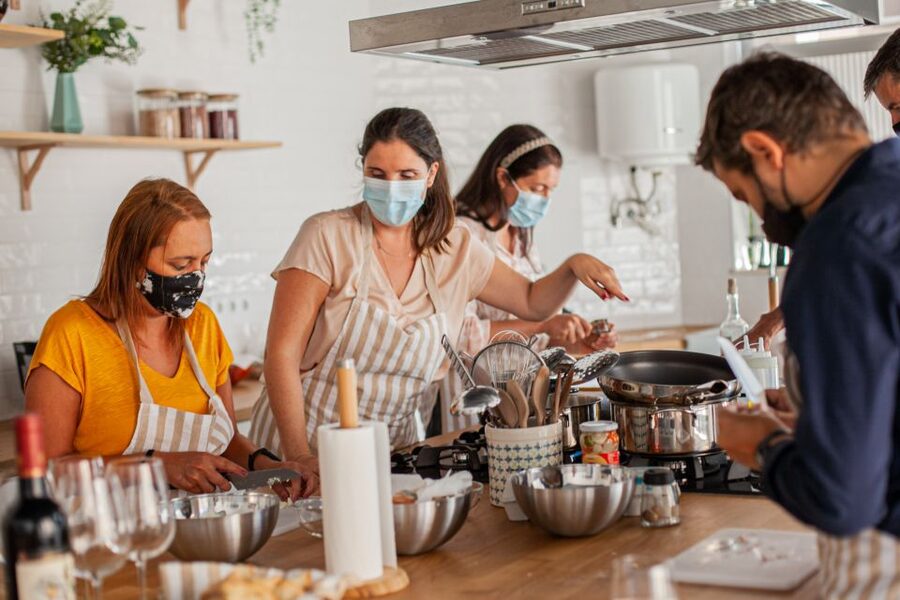
After the introductions, the group moves into the main cooking session. The chef explains each dish, ingredient, spice, and method before you begin. You then follow the process in stages, with the instructors helping as needed.
The teaching style is designed for mixed ability levels. You do not need prior cooking experience, and the instructors make a point of helping people feel comfortable. Some participants have enjoyed being pushed beyond their normal cooking habits, while others have appreciated being able to work at their own pace.
The work is collaborative. You may cook in pairs or share jobs with other people in the group. That arrangement keeps the class social, though it also means you will not personally perform every single task from every dish. If you want a strict, individual cooking exam, this is not that. If you enjoy preparing food with other people, it is a good match.
The menu is described as seasonal and traditional, rather than fixed year-round. Reviews refer to local dishes, Portuguese dessert, and pastel de nata, but you should not assume that every item appears at every session. The changing menu is a benefit for a repeat visit, though it makes it harder to plan around one particular favorite dish.
The class has included pork ribs, and one participant found that cut tough and not especially appealing. That is a fair reminder that home-style cooking is not always restaurant-perfect. A traditional dish may be satisfying for its method and place in Portuguese food culture even if one ingredient does not suit every palate.
Learning the stories behind Portuguese food
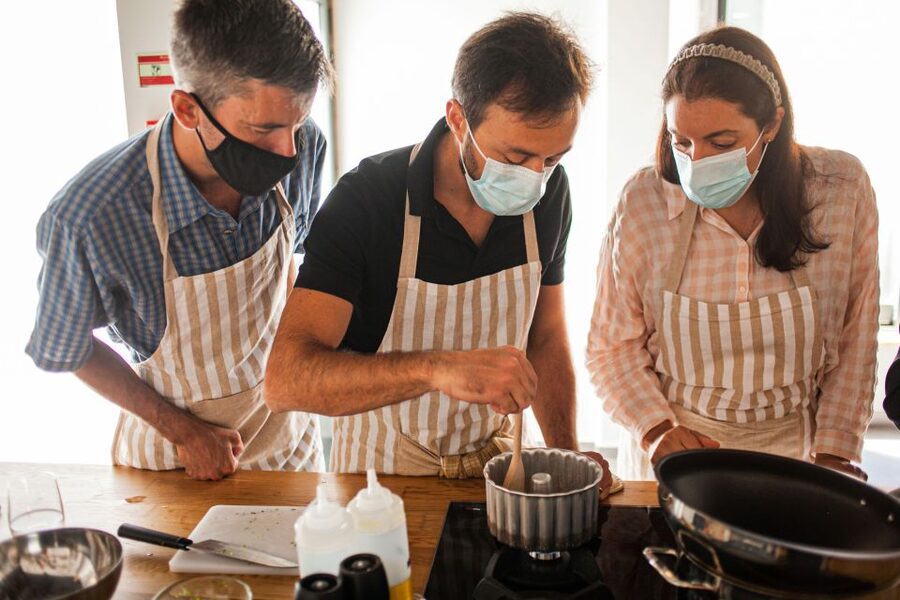
The strongest part of the class is the link between recipes and culture. The chefs explain why dishes are prepared in particular ways and add stories about Portuguese life, family cooking, and Lisbon’s past. One instructor connected the recipes with dishes learned from her mother, giving the lesson a personal feel rather than treating Portuguese cuisine as a list of ingredients.
You also get practical guidance. Instructors explain techniques clearly, offer alternate uses for ingredients, and help you correct problems as you work. Tereza, Theresa, Beatriz, Miguel, Pedro, Bee, Miyuki, and the other named instructors are repeatedly described as warm, patient, attentive, and good at including everyone.
That consistency is important. A cooking class can be ruined by a teacher who talks over the group or leaves beginners lost at the counter. Here, the instructors appear to make a real effort to circulate, answer questions, and keep people involved. Theresa, for example, has been praised for giving clear directions while making sure every participant felt at ease in the kitchen.
The class is also a useful cultural activity for people who do not cook much. You can learn a few home-style methods without needing to commit to a full culinary course. The recipes are practical enough to take home, and several participants were excited to recreate them after returning home.
Same corner of the country, a different pace:
- Lisbon City Center Tour – The Unmissable Lisbon
★ 5.0 · 22,234 reviews - Lisbon: Sintra, Pena, Regaleira, Cabo da Roca & Cascais
★ 4.7 · 19,656 reviews - Lisbon: Jerónimos Monastery Entrance Ticket
★ 4.1 · 14,164 reviews - Lisbon: History, Stories and Lifestyle Walking Tour
★ 4.8 · 10,902 reviews
Sitting down to eat what you prepared
The reward comes when the cooking ends and the four courses are served. You sit down with the group and share the food you have helped prepare. The meal can be larger than expected, so I would not eat a heavy lunch or dinner beforehand.
This final table is where the social side pays off. You have spent several hours chopping, stirring, tasting, and laughing together, so the meal feels more like a communal dinner than a quick class conclusion. It is also a nice way to meet people from different countries without forcing conversation over a formal restaurant meal.
The food receives especially strong praise, with several people calling it the best meal they had in Portugal or simply delicious from start to finish. That does not mean every dish will suit every taste. The menu is traditional, and the pork-rib comment shows that texture and cuts can be personal matters. Still, the combination of fresh preparation, shared effort, and guidance gives the meal a value that a standard restaurant order cannot match.
Pastel de nata has appeared as part of the cooking experience, and one participant was pleased to take home a generous amount of tarts. You should treat that as a possible feature rather than a fixed promise, since the menu changes. If Portuguese custard tarts are your main goal, confirm the current menu before booking.
Dietary needs and comfort in the kitchen
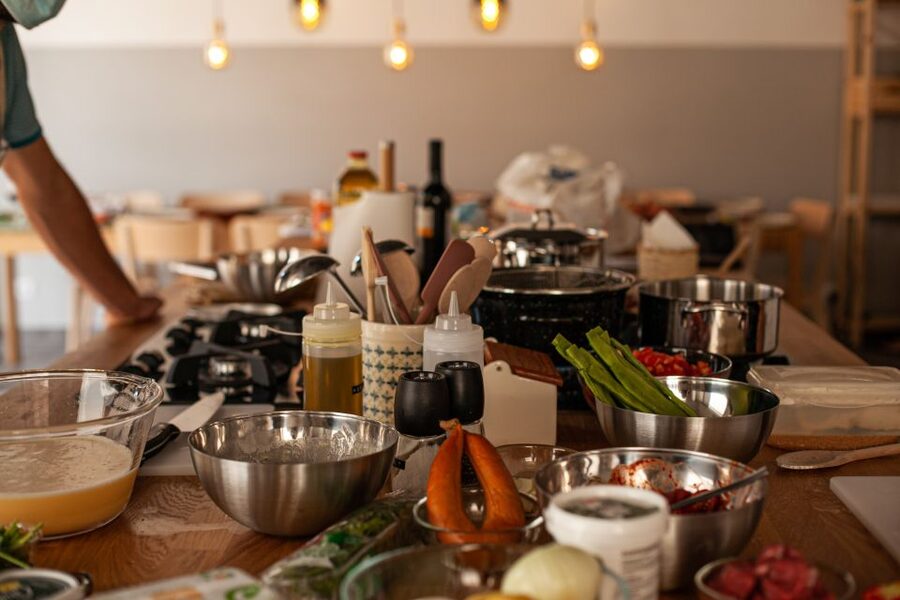
The available information does not provide a full list of dietary accommodations, so you should contact the provider before booking if you have a serious allergy or strict food requirement. One class handled several food preferences and allergies with enough choices for everyone, which is encouraging, but it should not replace direct confirmation.
The instructors are described as attentive and inclusive. That helps if you are nervous about cooking in front of strangers or unsure about unfamiliar ingredients. The class is in English, and all listed instruction is provided in English.
The activity is not suitable for children under 6 or people with mobility impairments. Older children can take part in some groups. One family enjoyed the class with children aged 8, 10, and 11, and another family found the chef funny, welcoming, and good with children. Still, the cooking space is shared, and the experience works best for children who can follow instructions and participate safely.
What the $100 price includes
At $100 per person, this is not the cheapest way to eat in Lisbon. You can find a filling Portuguese meal for less, especially if you eat at a neighborhood café. The value here comes from combining food, instruction, drinks, equipment, cultural context, and a three-hour social experience.
The price includes all ingredients and kitchen gear for the four-course meal. It also includes instructor guidance, snacks and finger food, wine, beer, homemade juice, coffee, and water. Insurance is included as well.
If you compare it with a short cooking demonstration, the class gives you more to do and more to eat. If you compare it with a private lesson, the small-group format is less personal, but the cost is likely easier to justify. You are paying for a full evening or afternoon activity, not just the finished plate.
I think the price is fair for people who value participation. It is less compelling for someone who mainly wants a cheap meal or has little interest in cooking. The included drinks and generous portions improve the deal, but you should book for the experience, not just the dinner.
Who will enjoy this Lisbon cooking class?
I would recommend it most strongly to you if you fit one or more of these groups:
- You want an easy introduction to Portuguese food and cooking.
- You enjoy meeting people while on holiday.
- You prefer practical cultural activities to passive sightseeing.
- You have little cooking experience but want patient instruction.
- You are traveling as a couple, family with older children, or small friend group.
- You want recipes and techniques you can use at home.
It is also a good first or second-day activity. The food discussion can help you recognize ingredients and dishes during the rest of your time in Portugal. You may leave with a better sense of what to order, how certain foods are made, and why the same ingredients appear in different local recipes.
I would hesitate if you need a private class, have significant mobility limitations, or want a guaranteed menu. The group format is part of the charm, but it also means the experience depends partly on the mix of people attending. Most of the appeal comes from cooking and eating together.
Timing, transport, and booking advice

The activity lasts up to three hours, with starting times based on availability. Check the schedule carefully and allow enough time to reach the Homecooking Lisbon HUB. Since there is no hotel transfer, use the bus or another form of local transport that suits your location.
Book with an empty stomach. The opening snacks, drinks, four-course meal, and possible extras can add up to a substantial amount of food. You will enjoy the final meal more if you arrive ready to eat, rather than squeezing the class between a large lunch and an evening reservation.
The class offers free cancellation up to 24 hours before the start time for a full refund. You can also reserve now and pay later, which is useful if your Lisbon plans are still moving around. These terms make it easier to fit the class into a changing itinerary.
The overall rating is 4.9 from 592 reviews, and the comments are remarkably consistent about the same points: friendly instruction, clear explanations, tasty food, good organization, and a fun group atmosphere. The names change, but the praise for the teaching team remains steady.
Should you book Homecooking Lisbon?
Yes, if you want to eat Portuguese food and learn how it reaches the table. The class offers a strong mix of cooking, stories, drinks, and shared dining, with enough structure for beginners and enough local detail to keep confident cooks interested.
Book it especially if you like meeting people and want more than a restaurant meal. Skip it if you dislike group activities, need a fixed menu, or are looking only for the lowest-cost dinner in Lisbon. For most visitors who want an approachable taste of Portuguese home cooking, the $100 price is justified by the four courses, drinks, instruction, and three hours of hands-on time.
FAQ
How long is the Portuguese cooking class in Lisbon?
The class lasts up to three hours. Starting times depend on availability.
What is included in the $100 price?
The price includes ingredients, cooking equipment, instructor guidance, snacks, finger food, wine, beer, homemade juice, coffee, water, and insurance.
Is the cooking class taught in English?
Yes. The listed instruction language is English.
How many people are in the class?
The class is a small-group activity limited to 10 participants.
Do I need cooking experience?
No. The instructors provide step-by-step guidance and assistance for different experience levels.
Is the class suitable for children?
Children under 6 are not permitted. Older children may be able to participate, but the activity is not suitable for people with mobility impairments.
Recently added in Lisbon
- Lisbon Cinematic Photoshoot with Top-Rated Photographer★ 5.0 · 76 reviews
- City Centre Run in Lisbon★ 5.0 · 164 reviews
- Hands on Portuguese Cooking Class in Lisbon★ 5.0 · 136 reviews
- City of Neighborhoods Tour 1H 30M Private Tour by Tuk Tuk★ 5.0 · 38 reviews
- Central Lisbon E-Bike Tour★ 5.0 · 168 reviews
- Lisbon Sailing Catamaran Public Cruise with drinks★ 5.0 · 304 reviews
- Lisbon City Tour by Tuk Tuk★ 4.5 · 137 reviews
- Romantic Private Sailboat in Lisbon for couples★ 5.0 · 38 reviews
Cooking Classes, compared.
Pastel de Nata Cooking Class with Grandma’s Recipe
Read our review →
Pastel de Nata Cooking Class with Port Wine – Sé
Read our review →
Pastel de Nata Masterclass at a Real Bakery in Downtown Lisbon
Read our review →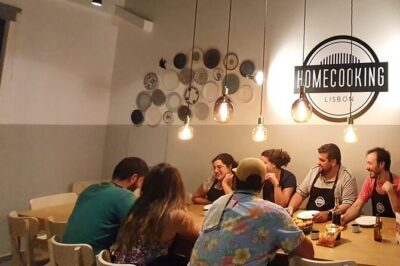
Pastel de Nata Pastry Class: Bake and Enjoy Your Own Treats
Read our review →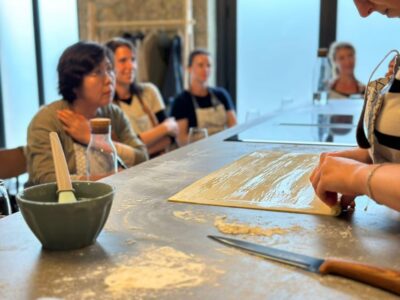
Browse the lists this tour appears in