
REVIEW · COOKING CLASSES
Lisbon: 2-Hour Pastel de Nata Cooking Class
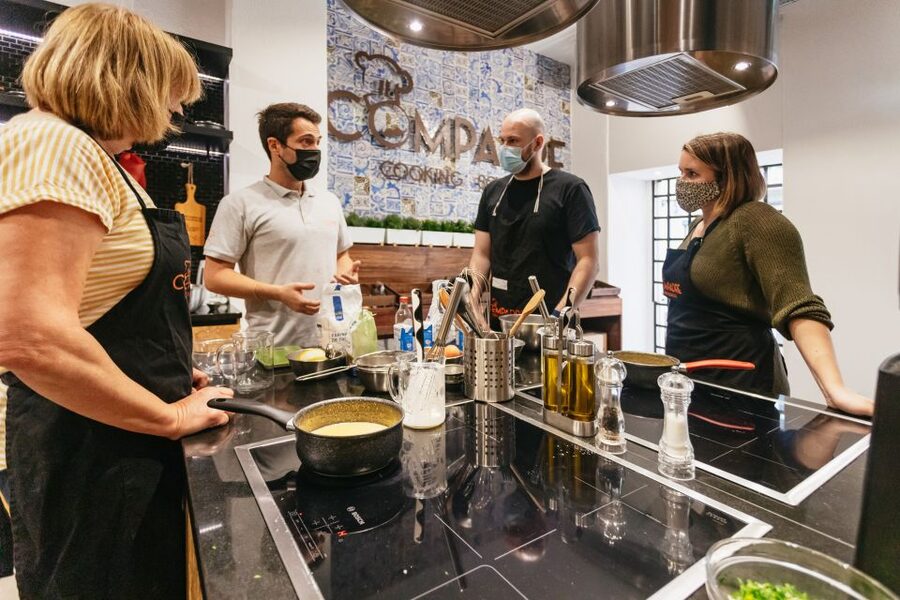
Custard, pastry, and a little Lisbon magic. This two-hour class puts Portugal’s famous pastel de nata at the center of a friendly kitchen lesson, with Anna and Marta guiding you through the process in English. I like the clear, practical teaching and the chance to make a second Portuguese treat, often farófios or cod fritters. I also like that you leave with two recipes, not just a full stomach.
The main consideration is that this is a light, beginner-friendly workshop rather than a serious pastry course. The dough is prepared in advance, and the custard is deliberately simple, so you learn useful techniques without making every component from scratch. Also, the promised tea and coffee may not always appear, and the pastries themselves are not quite a full lunch.
In This Review
- Key points at a glance
- Why pastel de nata makes a good Lisbon lesson
- Arriving at the local kitchen
- The first steps: pastry, custard, and simple technique
- The second Portuguese recipe adds real value
- A lesson in Portuguese food culture, not just baking
- The tasting at the end
- How much cooking do you really do?
- Is $64 per person fair?
- Who should book this Lisbon cooking class?
- My practical verdict
- FAQ
- How long does the pastel de nata cooking class last?
- How much does the experience cost?
- What language is the class taught in?
- What food will I make?
- Are ingredients and cooking equipment included?
- Is a meal included?
- Is the class suitable for people with back problems or vegan diets?
Key points at a glance
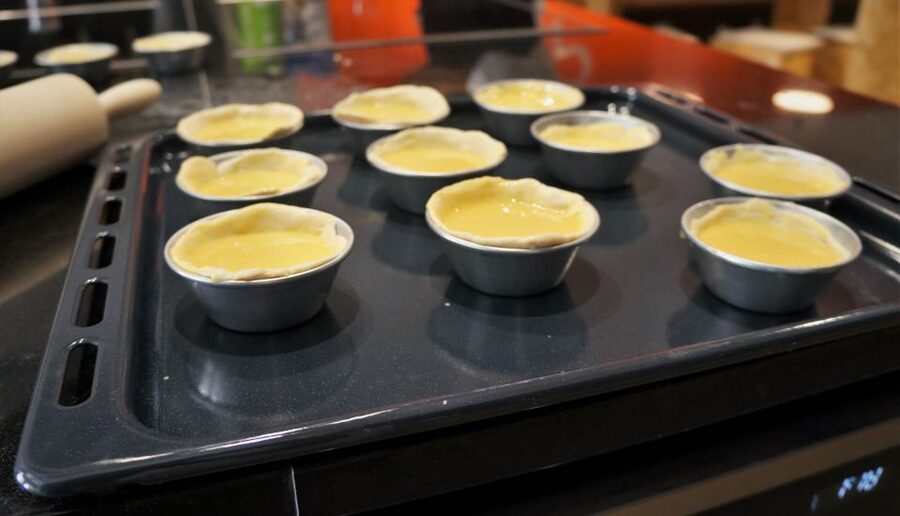
- Make Portugal’s national pastry: Shape the pastry shells, prepare the custard, and bake your own pastel de nata.
- Learn a second Portuguese recipe: The extra dish can include farófios, a meringue and custard dessert, or savory cod fritters.
- Hear the story behind the tart: Anna and Marta explain the pastry’s 19th-century monastic origins and its place in Portuguese food culture.
- Suitable for beginners and families: The instructions are simple, the kitchen is clean and well equipped, and even children can take part with adult help.
- Plan for standing: You will be on your feet for about 1 hour and 20 minutes, making this a poor choice for anyone with back problems.
- Good value for a food-focused afternoon: At $64 per person, the price covers ingredients, equipment, instruction, two recipes, insurance, and a shared tasting.
Why pastel de nata makes a good Lisbon lesson
Lisbon is full of postcard sights, but food often gives you a better feel for daily life. Pastel de nata is not merely a sweet snack to grab with an espresso. It is one of Portugal’s best-known symbols, with roots in 19th-century monasteries and a recipe that has spread far beyond the country.
That makes this class useful even if you already plan to eat several pasteis during your stay. You learn what goes into the crisp shell, how the custard is handled, and why the finished pastry has such a loyal following. The historical notes are short and practical, not a lecture that steals time from the kitchen.
I especially like the way the class turns a familiar bakery item into something you can repeat at home. You may not recreate every bakery oven or master the pastry on your first attempt, but you will leave with a workable method and a better idea of what to look for in Lisbon bakeries.
More Cooking Classes in Lisbon
- Lisbon: Pastel de Nata Baking Class
★ 4.9 · 2,106 reviews - Lisbon: Traditional Portuguese Cooking Class
★ 4.9 · 592 reviews - Pastel de Nata Masterclass at a Real Bakery in Downtown Lisbon
★ 5.0 · 491 reviews
Arriving at the local kitchen
The meeting point is the local partner’s kitchen, and when entering the address, make sure the city is listed as Lisbon. There is no hotel pickup or drop-off, so you need to make your own way there and allow time to find the kitchen before the start.
The location is described as a clean, modern, well-equipped facility. One class member particularly appreciated the air conditioning during hot weather. That matters in Lisbon, where a warm afternoon in a kitchen can quickly make pastry work less pleasant.
You should wear comfortable shoes. This is not a sit-down demonstration where you watch someone else do the work. You will move around the kitchen, handle ingredients, and remain standing for roughly 80 minutes.
The welcome may be fairly practical rather than polished. Water is available at the tables for the meal, but at least one participant expected a cold drink on arrival and did not receive one. I would arrive with your expectations set correctly: this is a hands-on cooking workshop, not a hosted restaurant reception.
The first steps: pastry, custard, and simple technique
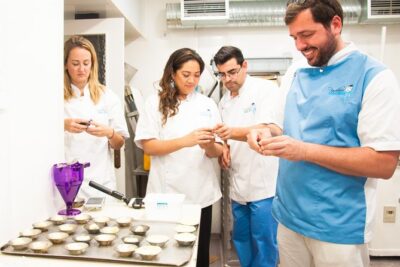
The class begins with instruction from an English-speaking teacher. Anna is often praised for her energy, storytelling, and ability to make the steps easy to follow. Marta is also described as warm, organized, and helpful, and the two instructors work well together when teaching as a pair.
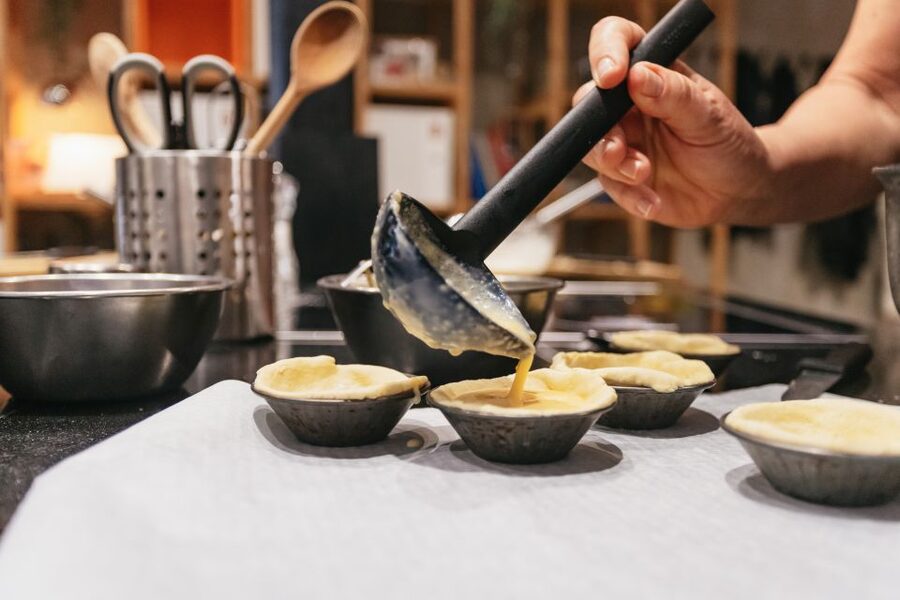
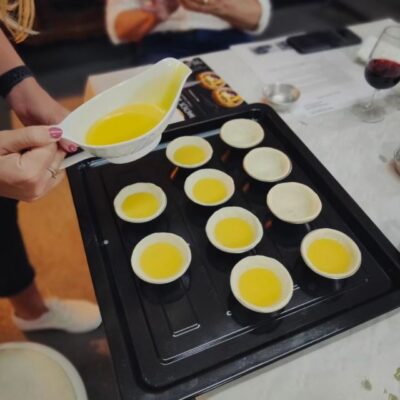
You will make the pastry shells and prepare the filling for the pastel de nata. The techniques are presented in a way that works for beginners, with advice on how to shape the dough and get a good result without needing advanced baking skills.
Here is an important detail: the pastry dough is prepared ahead of time. The custard is also very simple. If you want to learn laminated pastry from the first weighing of flour through every fold and rest, this class will feel limited. The purpose is to show you the key shaping and filling steps, keep the pace moving, and make sure the group produces something delicious within two hours.
For most people, that is a sensible trade-off. Full pastry production takes much longer and demands more equipment, patience, and technical skill. In this workshop, you spend your time on the parts you can readily understand and repeat at home.
The class is designed to be interactive. You do not need to be a confident cook. One participant described being an awful cook and still finding the process easy. That is the right audience for this experience: curious eaters who want to work with their hands, not professional bakers seeking a certification.
The second Portuguese recipe adds real value
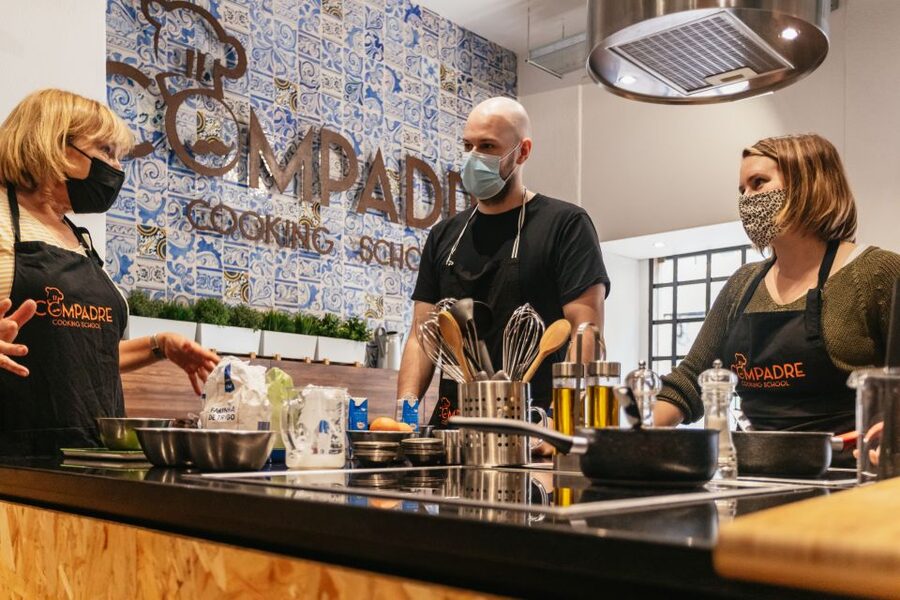
The extra recipe is one of the best reasons to book this class instead of a pastry-only lesson. Depending on the session, you may make farófios, a traditional dessert of poached meringue with custard, or savory cod fritters. The supplied examples include both types of second dish, so you should not assume the same recipe will appear every time.
That variety gives the class a wider food focus. Pastel de nata teaches you about pastry and custard. The second dish introduces another part of Portuguese cooking, including the country’s fondness for cod in the case of the fritters.
Several people particularly enjoyed this bonus recipe. Cod fritters were called a delicious extra, while farófios paired naturally with the custard theme of the tart. The second recipe also keeps the class from feeling like two hours spent repeating one small pastry.
You receive both recipes to take home. That is more useful than leaving with only a few baked tarts, especially if you want to cook for family or friends after your holiday. One practical tip: if the class offers bags for leftovers, use them. The pastries tend to disappear quickly.
Same corner of the country, a different pace:
- Lisbon City Center Tour – The Unmissable Lisbon
★ 5.0 · 22,234 reviews - Lisbon: Sintra, Pena, Regaleira, Cabo da Roca & Cascais
★ 4.7 · 19,656 reviews - Lisbon: Jerónimos Monastery Entrance Ticket
★ 4.1 · 14,164 reviews - Lisbon: History, Stories and Lifestyle Walking Tour
★ 4.8 · 10,902 reviews
A lesson in Portuguese food culture, not just baking
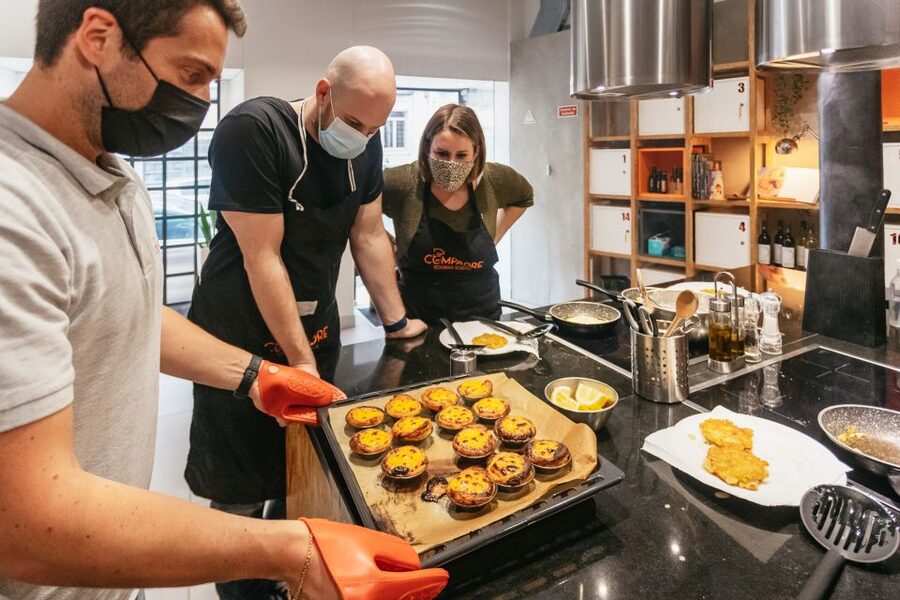
The best teaching here combines food preparation with a little context. You hear about the monastic beginnings of pastel de nata and how the pastry became a national favorite. The instructors also share advice about where to try pasteis in Lisbon, which can help you turn the class into a small tasting project for the rest of your stay.
I like this kind of food history because it stays connected to what is in front of you. You are not memorizing dates for their own sake. You are learning why the tart matters, then eating the result while the explanation is still fresh.
The class also creates easy contact with other people. The group may include different ages and nationalities, and the shared cooking gives everyone something to talk about. If you arrive alone, this can be a comfortable way to meet people. A solo participant was able to book and enjoyed the social side of the session.
The atmosphere is casual rather than formal. You work together, listen to instructions, and sit down at the end to taste what you made. If you prefer a quiet private lesson, a group setting may feel less tailored. If you enjoy a bit of conversation and shared amusement when pastry shapes are not quite perfect, the format works well.
The tasting at the end
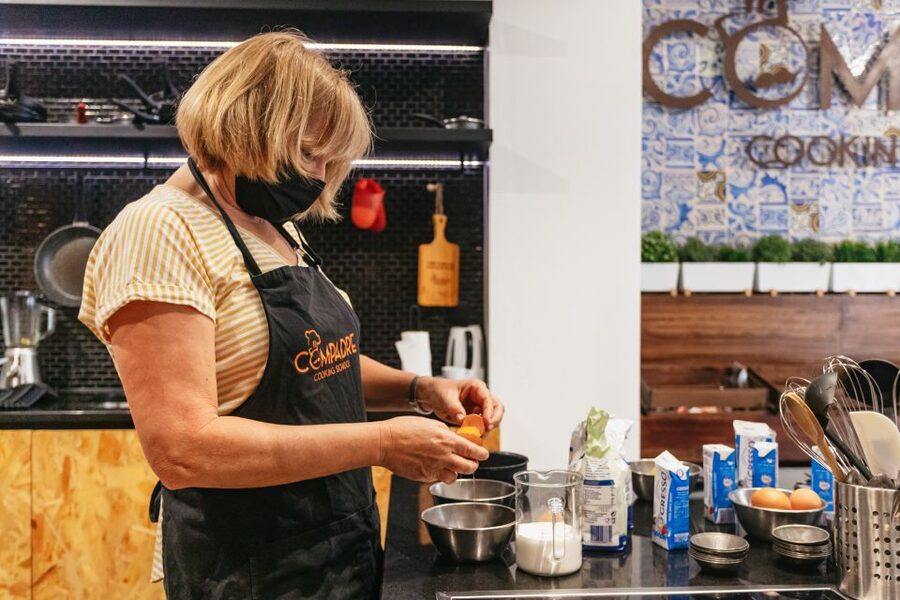
After the cooking, you sit down together and eat the pastries and second dish. Tea is included in the stated package, and coffee is mentioned in the description, but the drink service seems worth confirming on the day. One participant received water but no tea or coffee.
The phrase light meal needs a little interpretation. In practice, you are mainly eating the desserts and other food made during the class. That can be satisfying, but it should not replace a planned lunch if you are hungry or have a long afternoon ahead.
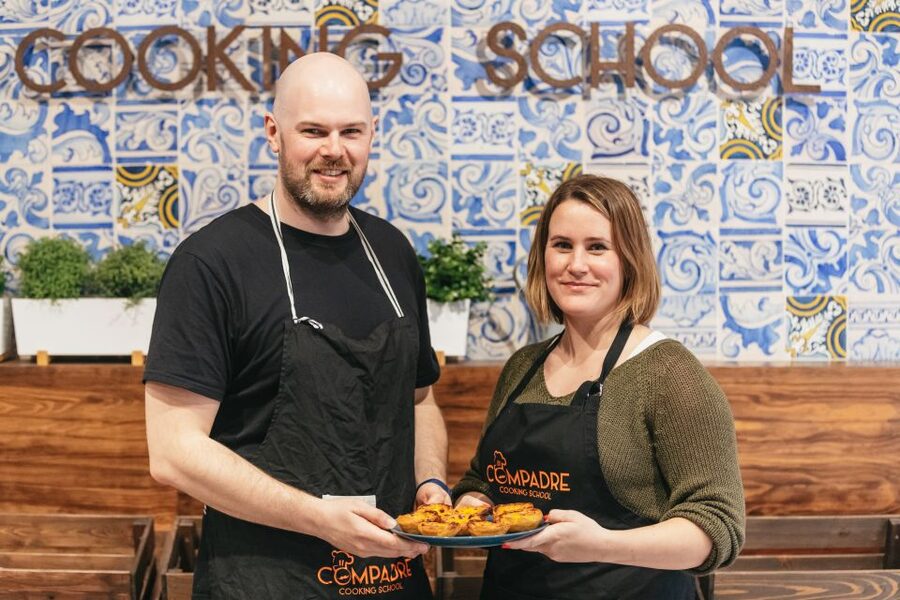
This tasting is still an important part of the experience. You can compare the finished texture with the techniques just demonstrated, ask last questions, and enjoy the social payoff of the work. The pastries may taste especially good because you made them, but the class also gives you a way to judge the crisp shell and creamy filling in the pasteis you buy elsewhere.
If you do not eat everything, bags may be available for takeaway portions. That makes the class more useful for families, couples, or anyone hoping to share a taste with people back at the hotel.
How much cooking do you really do?
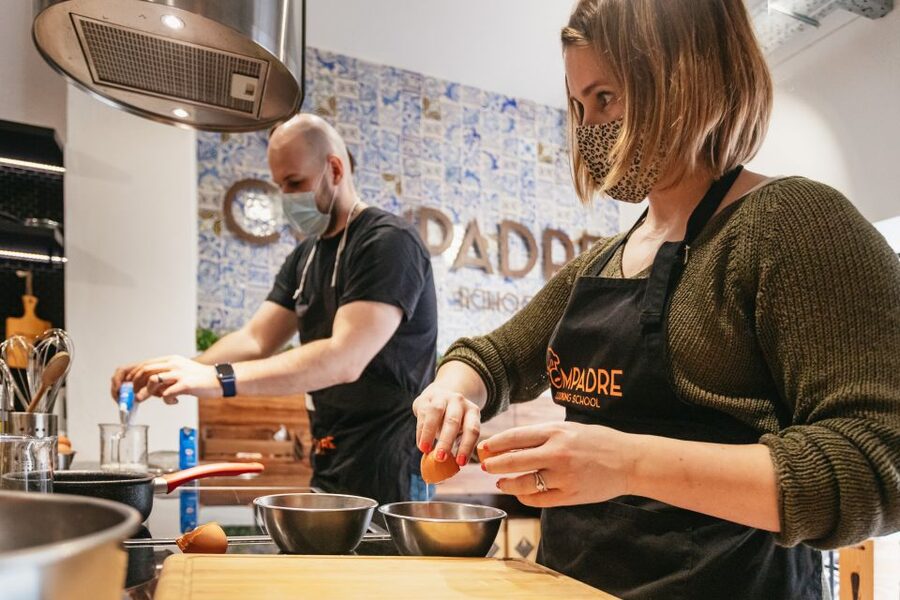
This is the key question before booking. You take part in the preparation, but the class does not cover every stage from raw ingredients to finished pastry. The dough is premade, and the custard is easy, so much of the value lies in shaping, assembling, baking, tasting, and learning the method.
For a first cooking class in Lisbon, I see this as a strength. You get hands-on work without being buried in technical pastry details. The instructors can focus on practical tips, and the group can finish both recipes inside the two-hour schedule.
For an experienced baker, the class may be too basic. You will not spend the session working through advanced lamination, fermentation, or complex custard science. The experience is better understood as a cultural cooking activity with useful home-baking instruction.
The strong scores, 4.8 out of 5 from 461 reviews, fit that purpose. The most praised features are consistent: friendly instructors, clear explanations, tasty results, an enjoyable atmosphere, and good stories about the pastry. The few reservations are also clear: the cooking is not fully from scratch, and refreshments may not match the wording used to describe the class.
Is $64 per person fair?
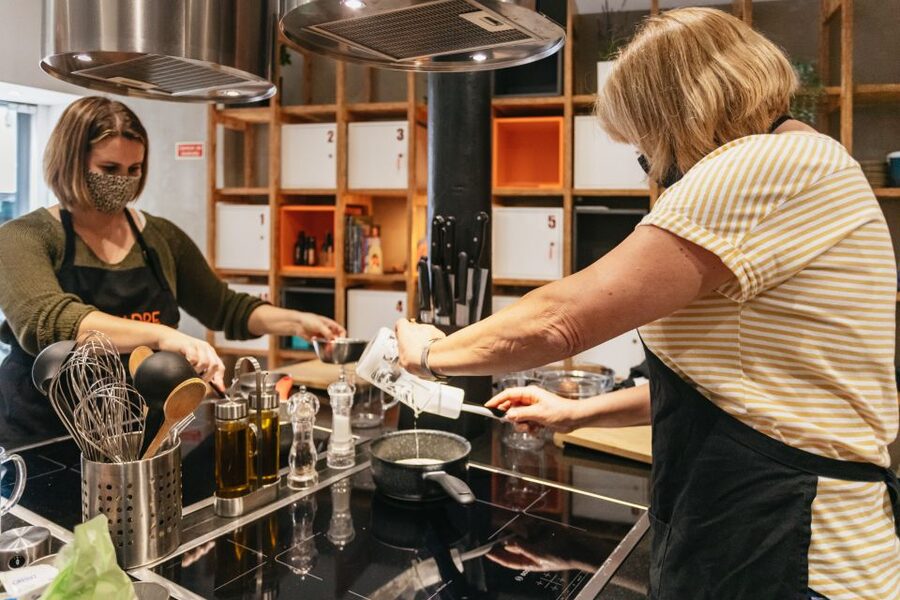
At $64, this is not the cheapest way to eat pastel de nata in Lisbon. You can buy the pastry very cheaply at bakeries and cafés. The price is paying for far more than the food itself.
You receive two hours of instruction, ingredients, kitchen equipment, utensils, an English-speaking instructor, insurance, two recipes, and a shared tasting. You also gain a practical activity that breaks up sightseeing and gives you something to remember beyond another photograph of a church or viewpoint.
I consider the price fair for visitors who value participation. It is particularly reasonable for couples, families, and solo visitors who want a planned activity with local food at its center. The value drops if you only want to taste the pastry or if you expect a full meal and a detailed professional baking course.
The reserve-now-and-pay-later option can help if your Lisbon schedule is still taking shape. Free cancellation is available up to 24 hours before the activity for a full refund. Starting times vary, so check availability before building the class into a tight sightseeing day.
Who should book this Lisbon cooking class?
I would recommend it to:
- First-time visitors who want a food-based introduction to Portugal
- Couples looking for a relaxed shared activity
- Families with children who enjoy simple kitchen tasks
- Solo visitors who like meeting people through an organized activity
- Beginner cooks who want a recipe they can repeat at home
- Pastry fans who want to understand pastel de nata beyond the bakery counter
It is less suitable for anyone with back problems because of the long period standing. It is also not a strong match for strict vegans. Portuguese cuisine is not especially vegan-friendly, so contact the local supplier before booking if you follow a vegan diet.
Vegetarians may be accommodated more easily. One vegetarian participant had no trouble, but you should still contact the supplier in advance with any dietary needs rather than relying on an assumption.
Smoking and pets are not allowed. Those are small points, but they are useful to know before you arrive.
My practical verdict
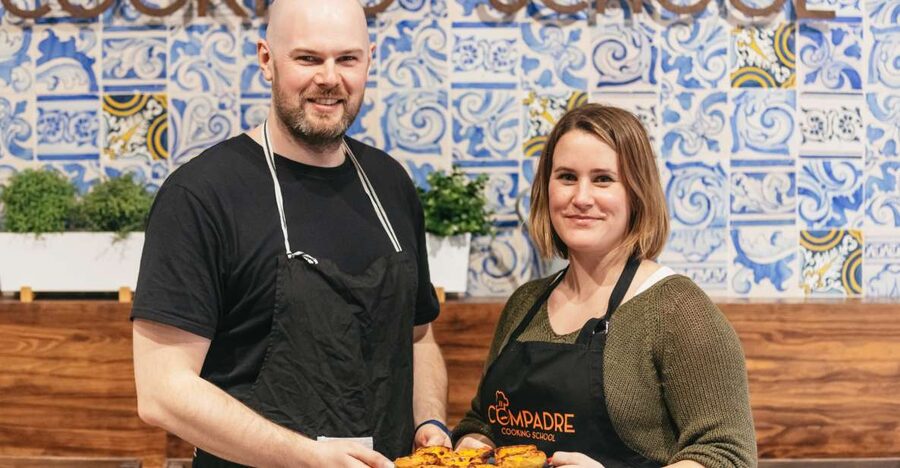
I like this class because it gets the balance mostly right. You learn the story of Portugal’s signature tart, use your hands, make a second local recipe, and sit down with the group to eat the results. Anna and Marta receive repeated praise for their warmth, energy, clear teaching, and good humor.
Do not book it expecting a full pastry apprenticeship. The premade dough and simple custard keep the class accessible, but they also limit how much technical baking you learn. Do not count on the pastries as a complete lunch, and check the drink arrangements if tea and coffee matter to you.
Book it if you want a friendly, useful two-hour break from sightseeing and would enjoy taking Portuguese recipes home. Skip it if you only want a professional-level baking lesson, a private class, or a substantial meal. For most food-minded visitors, $64 buys a pleasant activity, a bit of culture, and a recipe you can use long after Lisbon’s last tile-covered street.
FAQ
How long does the pastel de nata cooking class last?
The class lasts two hours.
How much does the experience cost?
The listed price is $64 per person.
What language is the class taught in?
The instructor teaches in English.
What food will I make?
You will make pastel de nata and one additional traditional Portuguese recipe. The second recipe may include farófios or cod fritters.
Are ingredients and cooking equipment included?
Yes. Cooking equipment, utensils, and ingredients are included.
Is a meal included?
A light meal to share is provided after cooking, mainly using the food made during the class. Tea is included in the stated inclusions, while coffee is mentioned in the activity description. Since drink service may vary, do not rely on this as a full lunch.
Is the class suitable for people with back problems or vegan diets?
The activity is not recommended for people with back problems because you will stand for about 1 hour and 20 minutes. Portuguese cuisine is not very vegan-friendly, so vegans should contact the local supplier beforehand.
Recently added in Lisbon
- Lisbon Cinematic Photoshoot with Top-Rated Photographer★ 5.0 · 76 reviews
- City Centre Run in Lisbon★ 5.0 · 164 reviews
- City of Neighborhoods Tour 1H 30M Private Tour by Tuk Tuk★ 5.0 · 38 reviews
- Central Lisbon E-Bike Tour★ 5.0 · 168 reviews
- Hands on Portuguese Cooking Class in Lisbon★ 5.0 · 136 reviews
- Lisbon City Tour by Tuk Tuk★ 4.5 · 137 reviews
- Lisbon Sailing Catamaran Public Cruise with drinks★ 5.0 · 304 reviews
- Romantic Private Sailboat in Lisbon for couples★ 5.0 · 38 reviews
Cooking Classes, compared.
Pastel de Nata Cooking Class with Grandma’s Recipe
Read our review →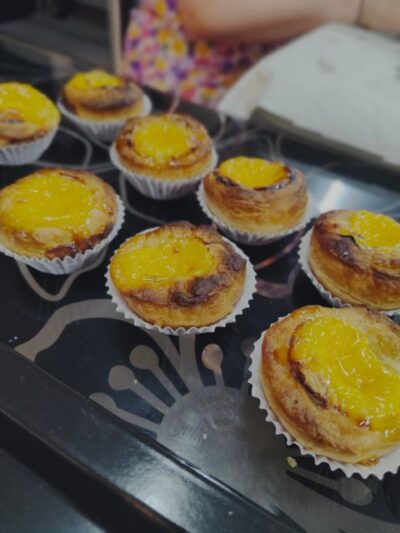
Pastel de Nata Cooking Class with Port Wine – Sé
Read our review →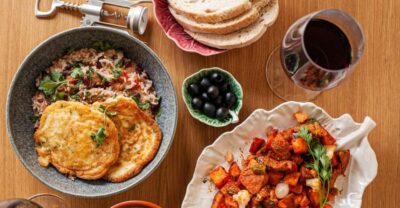

Pastel de Nata Masterclass at a Real Bakery in Downtown Lisbon
Read our review →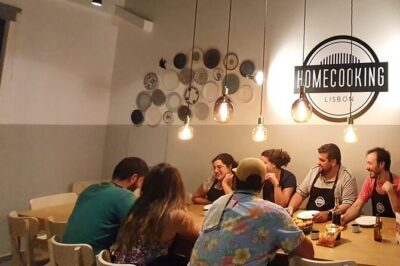
Pastel de Nata Pastry Class: Bake and Enjoy Your Own Treats
Read our review →Browse the lists this tour appears in