

REVIEW · COOKING CLASSES
Lagos: Bake Pastel de Nata – Class in Lagos, Algarve
Fresh pastries make good souvenirs. This two-hour pastel de nata class in Lagos turns one of Portugal’s best-known treats into a hands-on cultural activity, not just something you buy at a café. You prepare the pastry, mix the custard, bake the tarts, and eat the warm results with the group.
I like the friendly, social setup, especially for solo visitors or couples who want an easy way to meet people from different countries. I also like that Joana and her co-instructors explain the process in clear stages, then send you the recipe as a PDF so your Portuguese baking lesson does not end when you leave the kitchen.
The main consideration is price. At $53 per person, this is not a cheap snack stop, and one parent noted that teenagers are charged as adults. You are paying for instruction, ingredients, the kitchen setting, and the social experience, not simply for a few pastries.
In This Review
- Key points about the Lagos pastry workshop
- Why pastel de nata is a smart Lagos activity
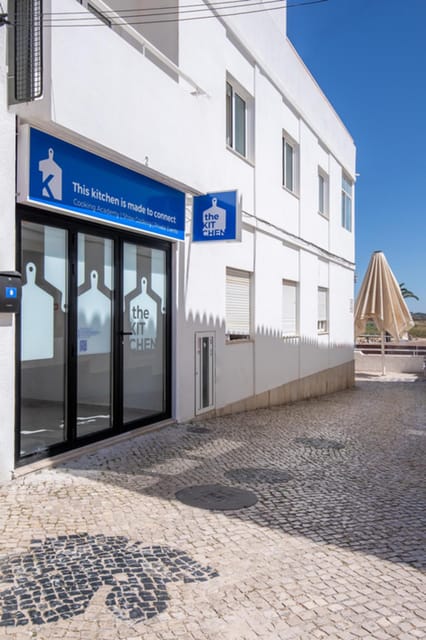
- Arriving at the central Lagos kitchen
- The pastry stage: hands-on work with puff pastry
- Making the custard filling
- Filling, baking, and the best part of the afternoon
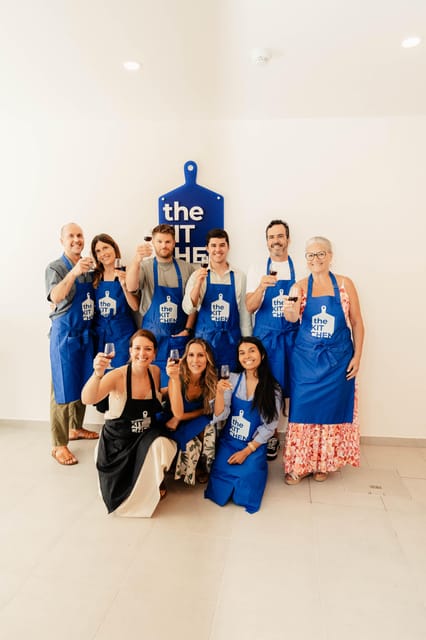
- The people make the class work
- What $53 buys you in Lagos
- Who will enjoy this class most
- Timing, cancellation, and useful planning tips
- Is the Lagos pastel de nata class worth booking?
- FAQ
- How long does the pastel de nata class last?
- How much does the class cost?
- Where does the class take place?
- What will I learn to make?
- Are ingredients and cooking tools included?
- Do I receive the recipe after the class?
- What languages are offered?
- How large is the group?
- Can I cancel the booking?
Key points about the Lagos pastry workshop
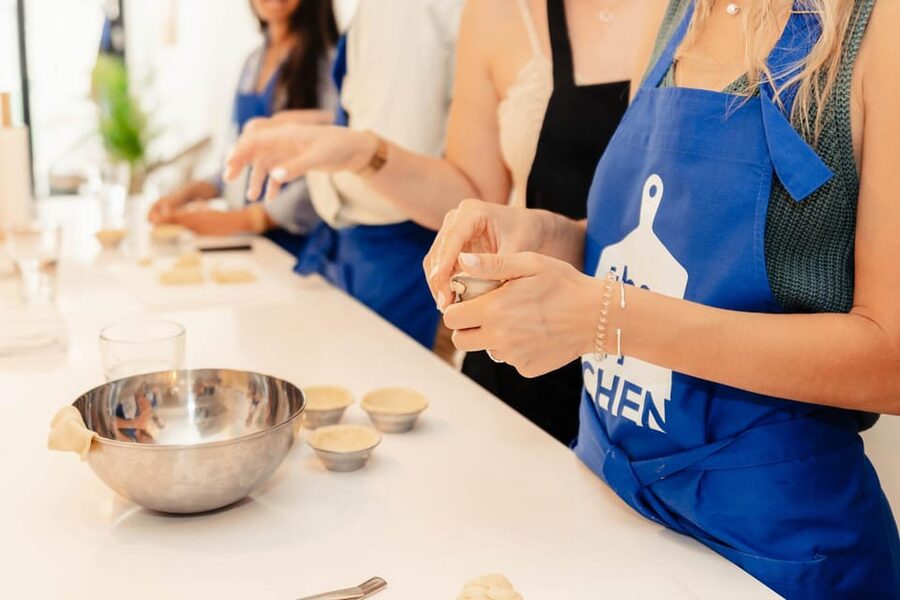
- You make every main component: Learn the custard, prepare the puff pastry, shape the shells, combine the parts, and bake them.
- The group is limited to 10 people: That keeps the class small enough for personal help and conversation.
- Joana is a warm and engaging host: Several instructors have led sessions, including Patricia, Margareta, and Lara, but Joana receives especially frequent praise.
- Fresh pastéis de nata are served hot: You taste the batch soon after baking, with port wine included in some sessions.
- You receive the recipe by email: The PDF makes it easier to repeat the process at home.
- The class works for mixed ability levels: Families, solo visitors, couples, and people who do not usually bake can all take part.
Why pastel de nata is a smart Lagos activity
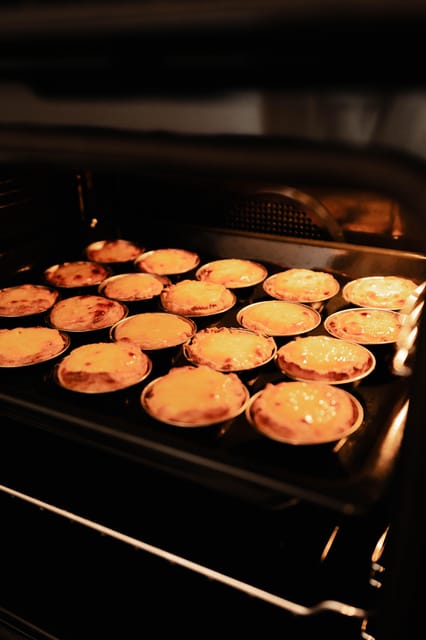
Lagos is famous for beaches, cliffs, boat trips, and long sunny afternoons. Those are good reasons to come, but a pastry class gives you a different look at Portugal. Instead of only eating local food, you learn how one of the country’s signature sweets comes together.
Pastel de nata is built from two simple ideas that require care: flaky pastry and creamy custard. The class lets you see the small choices behind the finished tart. You learn how the pastry is prepared, how the filling is made, how the two parts are joined, and how baking brings them together.
I like this kind of food activity because it gives you a useful skill. A tasting disappears in minutes. A recipe, plus the confidence to try it again, can follow you home.
The class also creates a natural setting for conversation. You may be working beside people from Canada, the United States, the United Kingdom, Australia, the Netherlands, Portugal, South Africa, or elsewhere. The cooking gives everyone something to do, so conversation does not feel forced.
More Cooking Classes in Lagos:
- Pastel de Nata Baking Class – Portugal’s Famous Custard Tart
★ 5.0 · 74 reviews - Lisbon: Pastel de Nata Baking Class
★ 4.9 · 2,106 reviews - Porto: Pastel de Nata Cooking Class with Grandma’s Recipe
★ 5.0 · 1,565 reviews
Arriving at the central Lagos kitchen
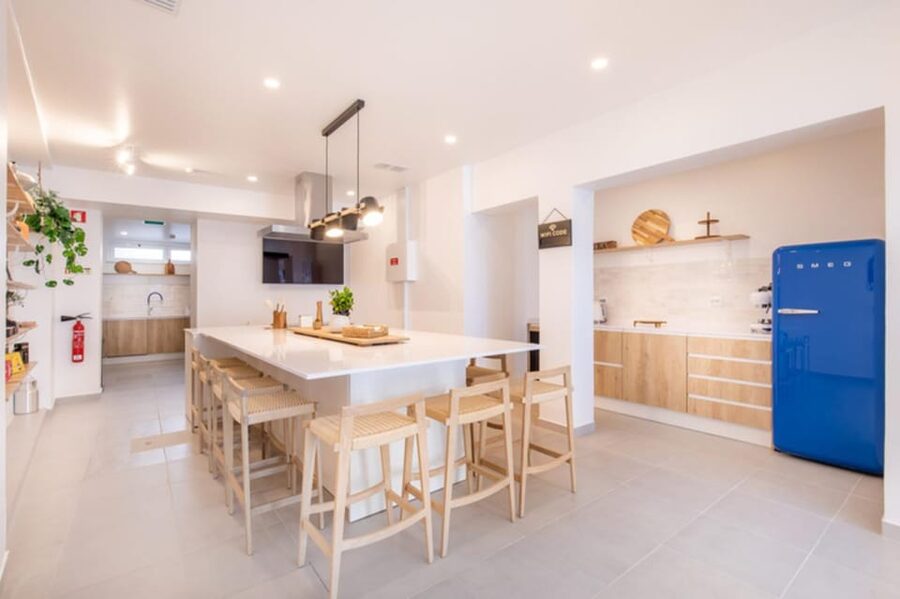
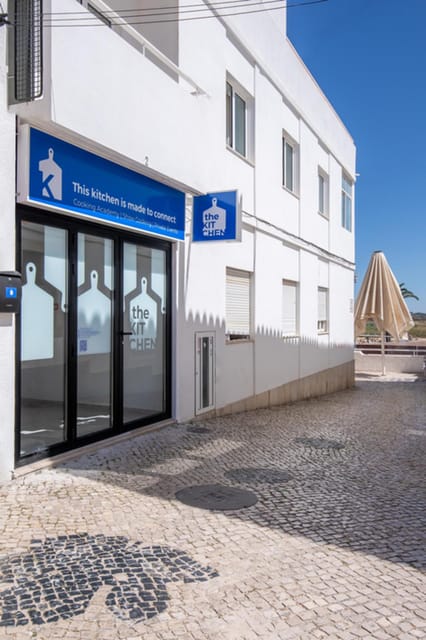
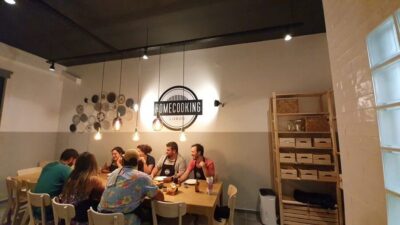
The experience takes place at The Kitchen, a cooking class and private events venue in Lagos. The location is described as central, and the kitchen has been praised for being clean, attractive, and tastefully decorated.
That setting matters. You are not trying to follow a recipe in a crowded restaurant while other diners watch. You have cooking tools, ingredients, and work space set aside for the class. Several people particularly liked the spotless, efficient kitchen and the freedom to take part directly.
The group size is capped at 10. That is small enough to make a real difference. In a large cooking demonstration, you might spend most of the time looking at someone else’s hands. Here, you should expect to handle the ingredients yourself, with guidance available when a step needs more care.
The instruction is offered in English and Portuguese. That makes the class practical for international visitors while keeping a link to local language and culture.
The pastry stage: hands-on work with puff pastry
The class begins with the pastry, one of the parts that can seem mysterious when you buy a perfect tart from a bakery. You are shown how to prepare the puff pastry and form it for the small tins.
This is not presented as a lecture. The point is to work with the dough and understand the sequence. You may not leave ready to open a bakery, but you should come away with a clearer idea of how the pastry gets its layered texture and crisp shell.
The instructors are repeatedly praised for giving easy instructions and taking people through the method one step at a time. That is helpful if you bake often, but it matters even more if you are the sort of cook who normally watches from the edge of the kitchen.
A few practical expectations are worth keeping in mind. This is a short class, not an advanced pastry course. The aim is to teach you a traditional recipe in a relaxed format, not to cover every technical problem that can arise in professional baking.
Still, the hands-on format gives the lesson value. You are not simply copying a finished product. You get a feel for the dough and the shaping process, which helps when you try the recipe later.
Making the custard filling
Next comes the creamy custard. The filling is the soft center that gives pastel de nata its character, and the class covers how to prepare it before it goes into the pastry shells.
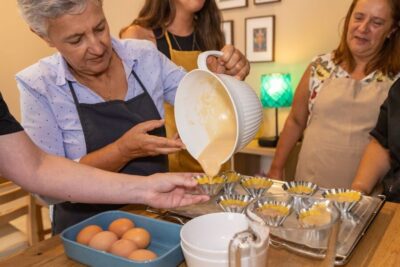
This part is useful because custard can look simple but demands attention. The teacher explains the steps and shares practical tips, giving you a chance to understand how the filling should come together rather than just handing you a bowl that is already finished.
Joana is especially well regarded for her clear explanations, patience, and ability to keep the mood light. One family found the activity easy to follow even with an 11-year-old child, while people who described themselves as poor bakers still enjoyed taking part.
The mix of instruction and conversation is part of the appeal. Joana has also shared local tips about Lagos and Portugal during sessions. That adds a little extra value for someone who has just arrived and wants suggestions beyond the usual sightseeing list.
A few more Lagos options side by side
- Lagos: Combo Dolphin and Benagil Tour with Marine Biologist
★ 4.7 · 2,352 reviews - Lagos: Ponta da Piedade Rock Formations Guided Boat Tour
★ 4.9 · 2,290 reviews - Boat trip to the grottos at Ponta da Piedade, Lagos
★ 5.0 · 1,197 reviews - Boat Trip to Ponta da Piedade from Lagos
★ 5.0 · 1,016 reviews
Filling, baking, and the best part of the afternoon
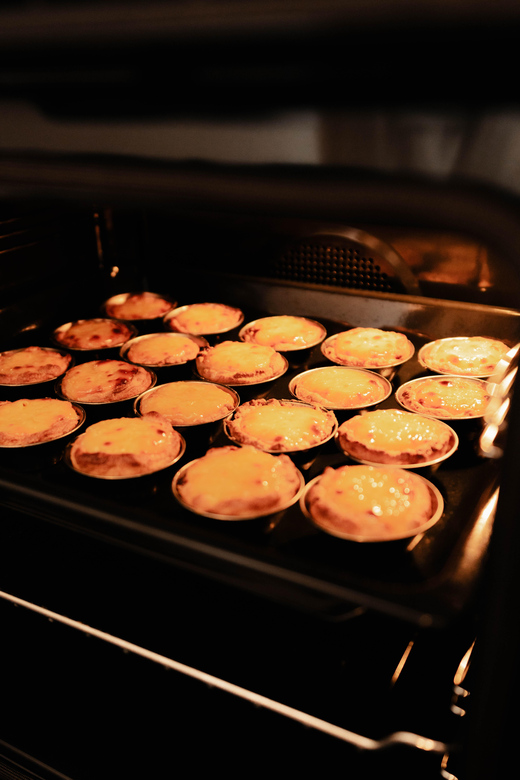
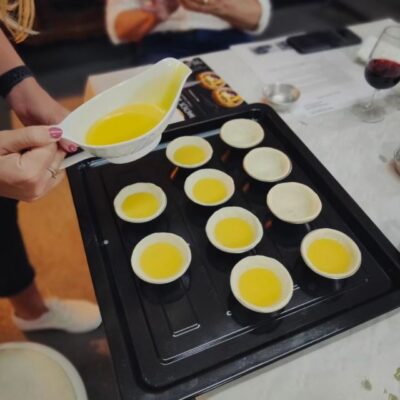
Once the pastry and custard are ready, you combine them and prepare the tarts for baking. This is the point where the separate pieces begin to look like the pastry you know from Portuguese cafés.
The waiting time is part of the social rhythm. Some sessions include port wine while the pastries bake, giving the group a chance to talk and celebrate the work. The port is a pleasant local touch, though it is not the main reason to book the class.
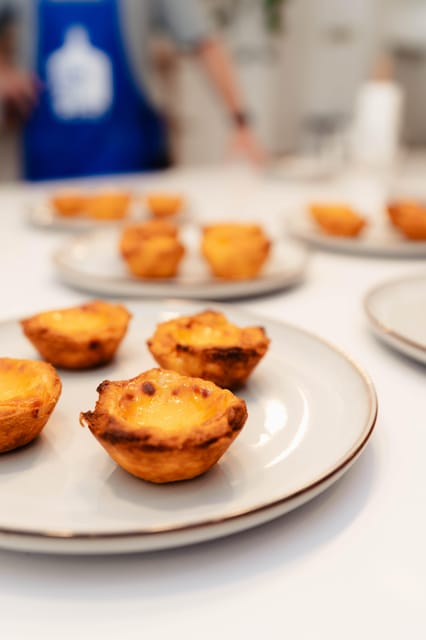
Then comes the payoff: fresh pastéis de nata served soon after they leave the oven. Warm pastry and custard are hard to beat, especially when you made them yourself. Several people felt their batch compared favorably with pastéis they had eaten elsewhere in Portugal.
Do not expect to take home a large box of pastries. One family specifically wished they could bring home more. The stated focus is tasting the fresh batch at the end, while the recipe PDF gives you the means to make more later.
One useful tip from the class is that the instructors can recommend where to buy baking tins nearby. If you decide to repeat the recipe at home, this may save you time searching for the right equipment.
The people make the class work
The strongest part of this activity is not just the pastry. It is the tone created by the instructors.
Joana is often described as welcoming, energetic, funny, and attentive to everyone in the room. Solo participants have found it easy to join the group, while couples and families have appreciated the relaxed pace. Her local stories and personal suggestions give the class a sense of place.
Other sessions have been led by Patricia, Margareta, and Lara. The descriptions of these instructors are also positive, with praise for friendliness, clear teaching, and patience. If your booking shows a different instructor, the central format remains the same: guided preparation followed by a shared tasting.
The group can become quite talkative. One session ran beyond the advertised two hours because people were enjoying the conversation and there was no immediate need to clear the kitchen for another class. That is a pleasant bonus if you have a flexible afternoon, but you should avoid booking a tight connection afterward.
A small group also encourages cultural exchange without making it the sole purpose. You are there to bake, and conversation grows naturally around the work.
What $53 buys you in Lagos
At $53 per person, this is a mid-range food activity rather than a budget diversion. The fee includes the ingredients and cooking tools needed for the class, instruction in English or Portuguese, the finished pastries, and a recipe PDF sent by email afterward.
The value depends on what you want from a food experience. If you only want to taste pastel de nata, you can spend far less at a bakery. If you want a relaxed class with a clean kitchen, an instructor, drinks during the wait, and a recipe you can use again, the price is easier to justify.
I see the strongest value for people who enjoy participation. You are paying for two hours of guided activity and conversation, not just food. It is also a useful break from beach time, especially on a day when you want an indoor plan in central Lagos.
Families should calculate the total carefully. A teenager counts as an adult, so the cost can rise quickly for a larger family. One family still had a very good time, but felt the price was high for the amount of pastry produced.
The experience has a 4.9 rating from 198 reviews, with praise concentrated on the instructors, clear directions, good atmosphere, and delicious results. There are also two four-star ratings, which provide a useful check on the enthusiasm. One person wanted more participation in the preparation and more pastries to take away.
Who will enjoy this class most
This is a good fit for:
- First-time bakers: The instructions are broken into clear steps, and help is available.
- People who love Portuguese food: You learn the method behind a national favorite.
- Solo visitors: The small group and shared work make meeting people easy.
- Couples and families: The activity is social, practical, and suitable for different ages.
- Visitors taking a break from the beach: It gives you a two-hour indoor plan in Lagos.
- Home cooks: The emailed recipe makes the class useful after your holiday.
You do not need to be an expert baker. In fact, people who rarely bake have enjoyed it because the class is designed around guidance rather than prior skill.
You may want to skip it if you dislike group activities, want a private cooking lesson, or are mainly looking for a large food tasting. The class is social and hands-on, but it is still a shared workshop with up to 10 participants.
Timing, cancellation, and useful planning tips
The activity lasts two hours, with starting times based on availability. Check the time before booking, especially if you are planning a boat trip, a long lunch, or a drive afterward. Since a talkative group can run over, leave a little breathing room in your schedule.
You can cancel up to 24 hours in advance for a full refund. You can also reserve the spot and pay later, which helps if your Algarve plans are still shifting.
The class provides the ingredients and tools, so you do not need to arrive with baking equipment. Wear something suitable for practical kitchen work, and plan to enjoy the finished pastries rather than expecting a take-home box.
The recipe arrives by email as a PDF. Save it while you still have a good internet connection, or keep an eye on your inbox after the class so it does not get lost among holiday messages.
Is the Lagos pastel de nata class worth booking?
I would book this class if you want more than another food stop. The combination of clear teaching, a central and clean kitchen, a small group, warm pastries, and local conversation makes it a pleasant two-hour addition to a Lagos visit.
The decision is less clear for a family watching every euro or for anyone who wants to take home a substantial amount of food. At $53 per person, the class earns its price through participation and instruction, not quantity.
For solo visitors, couples, curious home cooks, and anyone who wants a break from the Algarve sun, it is an easy recommendation. You leave with a full stomach, a Portuguese recipe, and a better sense of how much care goes into that small custard tart.
FAQ
How long does the pastel de nata class last?
The class lasts two hours, although a particularly talkative group may finish later if there is no following class scheduled.
How much does the class cost?
The listed price is $53 per person.
Where does the class take place?
It takes place at The Kitchen, Cooking Classes & Private Events, in Lagos in Portugal’s Algarve.
What will I learn to make?
You will learn to prepare the creamy custard, make the puff pastry, combine the two parts, and bake the pastéis de nata.
Are ingredients and cooking tools included?
Yes. The ingredients and cooking tools needed for the pastries are included.
Do I receive the recipe after the class?
Yes. The recipe is sent by email as a PDF so you can try making the pastries at home.
What languages are offered?
Instruction is available in English and Portuguese.
How large is the group?
The class is a small-group activity limited to 10 participants.
Can I cancel the booking?
Yes. You can cancel up to 24 hours in advance for a full refund. You can also reserve now and pay later.
Recently added in Lagos
- Wild and Wonderful West Coast Full Day Tour★ 5.0 · 92 reviews
- NEW Lagos-Watching Dolphins and Benagil Cave with Biologists★ 4.5 · 147 reviews
- TUK TUK Tour around Lagos Old & New Town & beaches – Best way to know Lagos★ 5.0 · 488 reviews
- Sunset Yoga at Lagos’s beautiful beach by el Sol Lifestyle★ 5.0 · 52 reviews
- Sunrise SUP Caves Tour in Lagos – Small Group Experience★ 5.0 · 49 reviews
- Small group Wine Tasting Tour from Lagos★ 5.0 · 145 reviews
- Sagres & Cape St. Vincent Half-Day Tour★ 5.0 · 116 reviews
- Small-Group Day Tour of Silves and Monchique with Wine Tasting★ 5.0 · 133 reviews
Cooking Classes, compared.
Pastel de Nata Cooking Class with Grandma’s Recipe
Read our review →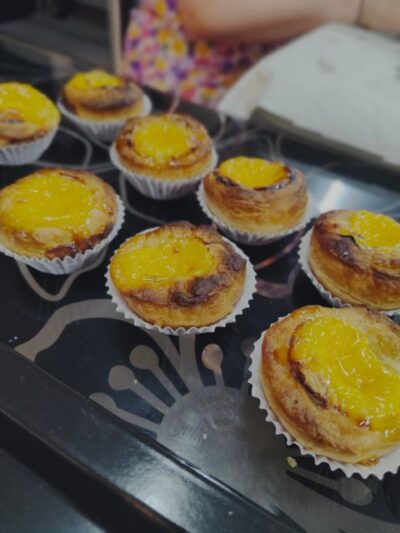
Pastel de Nata Cooking Class with Port Wine – Sé
Read our review →
Pastel de Nata Masterclass at a Real Bakery in Downtown Lisbon
Read our review →
Pastel de Nata Pastry Class: Bake and Enjoy Your Own Treats
Read our review →Browse the lists this tour appears in