
REVIEW · WALKING TOURS
Óbidos: Medieval Tales & Secrets Spots Guided Walking Tour
Óbidos rewards slow feet and a curious eye. This two-hour walk combines Moorish castle walls, royal stories, and tucked-away lanes with a tasting of ginjinha served in a chocolate cup. I like the way the guide connects small churches and paintings to the wider story of Portugal, and I especially like that the route leaves the busiest streets for quieter corners and better photos. The main drawback is the terrain: steep, uneven stone paths make this a poor choice for wheelchair users, people with mobility impairments, or anyone recovering from recent surgery.
The $41 price is fair if you want context rather than a quick stroll and souvenir stop. Guides such as Ivo, João Pedro, JP, Bruno, Maria, Jorge, and JC have been praised for clear explanations, patience, humor, and a willingness to answer side questions. Still, two hours moves quickly, and this is a walking tour, not a leisurely day with long visits inside every site.
In This Review
- Five details that make this Óbidos walk worthwhile
- Starting outside the walls at Óbidos Tourist Office
- Why a guide changes your first look at Óbidos
- The Castle of Óbidos and its Muslim beginnings
- The Town of the Queens and Portugal’s royal women
- Churches, chapels, and the art of Josefa de Óbidos
- Óbidos’s Moorish and Jewish quarters
- Two bookshops with unusual addresses
- Camões Mark, Casa da Música, and the town’s smaller stories
- Outside-the-walls walking and the best photo chances
- The final sip: ginjinha in chocolate
- Is $41 a good value for two hours?
- Who should book this walk?
- My verdict on the Óbidos walking tour
- FAQ
- Where does the Óbidos walking tour begin?
- How long does the tour last?
- What languages are available?
- Is the ginjinha tasting included?
- Is food included?
- Which major sites are visited?
- Is the tour suitable for wheelchair users?
- What should I bring?
Five details that make this Óbidos walk worthwhile
- Ginjinha in a chocolate cup: You taste Óbidos’s famous sour cherry liqueur, then eat the cup.
- Five works by Josefa de Óbidos: The tour introduces the celebrated seventeenth-century local painter, whose work was exhibited at the Louvre.
- A 1300-year-old Muslim castle: Óbidos Castle gives the walk its strongest sense of time and place.
- Bookshops in former religious buildings: São Tiago Bookstore occupies a former church and royal chapel, while Ler Devagar is located in a former royal chapel.
- The Town of the Queens: Stories of Catherine of Austria, Isabel of Aragon, and Leonor de Avis explain why Óbidos received this royal nickname.
Starting outside the walls at Óbidos Tourist Office
You meet your guide in front of the Óbidos Tourist Office, near the main parking area and outside the walls. This is a useful starting point because you avoid the confusion of trying to locate one another inside the narrow medieval streets.
I suggest arriving with comfortable shoes already on. The route includes stone lanes, slopes, stairs, and potentially slippery surfaces, especially after rain. The tour can be canceled because of poor weather, so check the conditions before setting out.
The walk returns to the same tourist office after two hours. That makes it easy to continue exploring, find lunch, or return to your car without having to navigate to a second meeting point.
More Walking Tours in Portugal:
- Lisbon: History, Stories and Lifestyle Walking Tour
★ 4.8 · 10,902 reviews - Best of Lisbon Small-Group Guided Walking Tour
★ 5.0 · 4,869 reviews - Lisbon: Food and Wine Small Group Walking Tour
★ 4.9 · 4,082 reviews
Why a guide changes your first look at Óbidos
Óbidos is easy to photograph but less easy to understand on your own. Whitewashed buildings, painted doorways, tiled details, churches, and the castle quickly fill your camera, yet the meaning behind them can slip past you.
A good guide gives the streets a plot. I like that this experience does not treat the town as one frozen medieval picture. It brings together Muslim beginnings, Jewish and Moorish neighborhoods, Portuguese royalty, religious charity, fine art, books, and local food.
The strongest praise has gone to the guides’ storytelling. Ivo is repeatedly described as warm, patient, and able to turn facts into memorable stories. João Pedro, JP, Bruno, Maria, Jorge, and JC are also praised for clear delivery and personal attention. Some tours have been small enough for four people, though the supplied information does not promise a fixed group size.
You should also expect the guide to adjust the pace when possible. Several people appreciated time for photographs and questions. That matters in Óbidos, where a rushed group can miss a painted detail or a quiet alley just around the corner.
The Castle of Óbidos and its Muslim beginnings
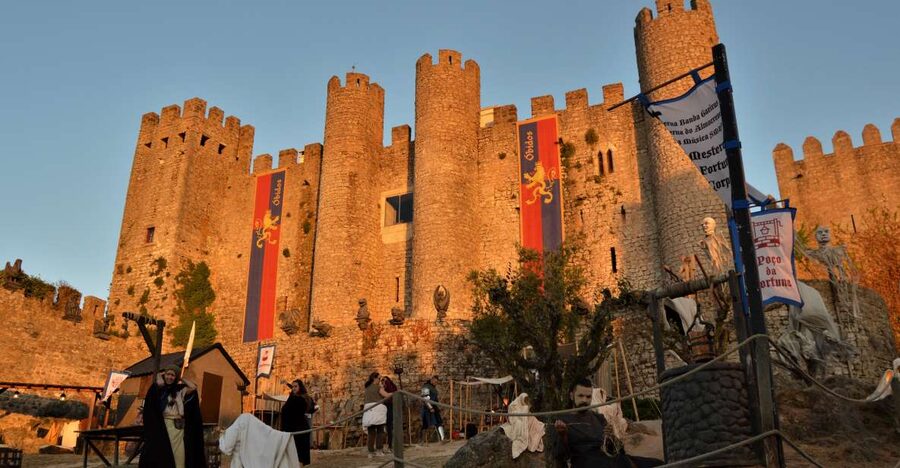
The castle is the tour’s largest historical stop and the point where Óbidos’s long past becomes easiest to picture. It is described as roughly 1300 years old and of Moorish origin, giving you a direct link to the period of Muslim rule on the Iberian Peninsula.
The visit is guided rather than simply a walk past the outer walls. Your guide explains the castle area and places it within the story of the town. From here, Óbidos feels less like a decorative village and more like a fortified settlement shaped by power, defense, religion, and royal interest.
The castle section also requires the most care underfoot. The surfaces are old and uneven, and the route is not suited to wheelchair users or people with limited mobility. You should not book this walk expecting smooth access throughout.
The castle is only one part of the experience, which is a strength. You receive the major landmark without losing the smaller details that make Óbidos worth more than a short photo stop.
The Town of the Queens and Portugal’s royal women
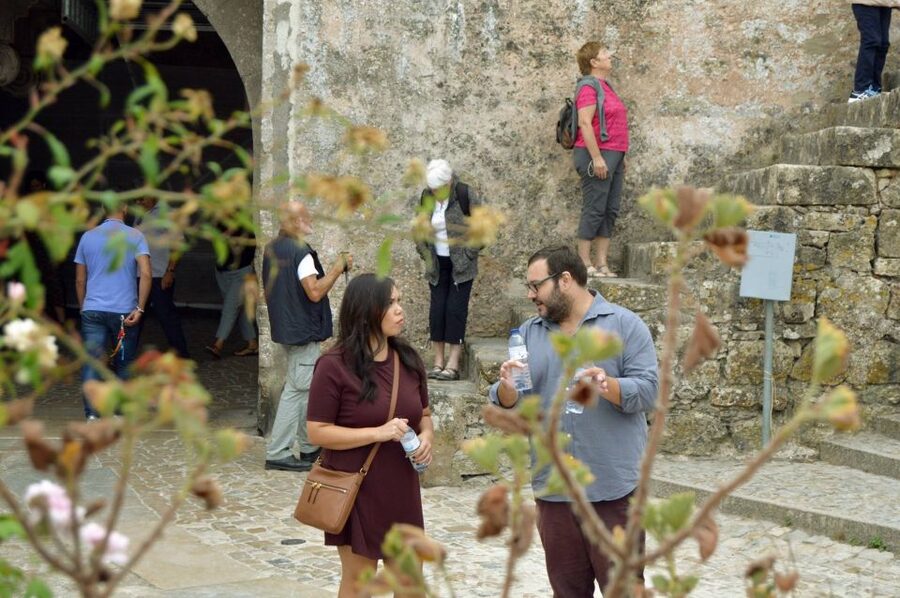
Óbidos is known as the Town of the Queens because Portuguese queens held a special connection with it for centuries. The tour uses that theme to introduce Catherine of Austria, Isabel of Aragon, also called Queen Saint Isabel, and Leonor de Avis.
Leonor, the wife of King John II, is especially important here. She established one of the early branches of the Holy House of Mercy in Óbidos. This charitable network became the oldest surviving hospital and relief system in the world, later spreading overseas during the Portuguese Empire.
That story adds weight to places that might otherwise look like attractive old buildings. The Almshouse Church and related religious sites become part of a larger discussion about care, charity, royal influence, and Portugal’s overseas reach.
I appreciate this focus because it broadens the usual castle narrative. You hear about women who shaped institutions and town life, not only kings, battles, and fortifications. The title Most Perfect Queen attached to Leonor gives the guide a strong character to explore.
A few more Portugal options side by side
- Porto: Guided Tour by Tuk-Tuk & Optional Douro River Cruise
★ 4.5 · 5,980 reviews - Lisbon: Private Guided Tuk-Tuk Tour with Hotel Pickup
★ 4.9 · 4,552 reviews - Benagil: Guided Kayaking Tour to the Benagil Cave
★ 4.7 · 3,135 reviews - Porto: City Highlights 3-Hour Guided Electric Bike Tour
★ 4.8 · 3,092 reviews
Churches, chapels, and the art of Josefa de Óbidos
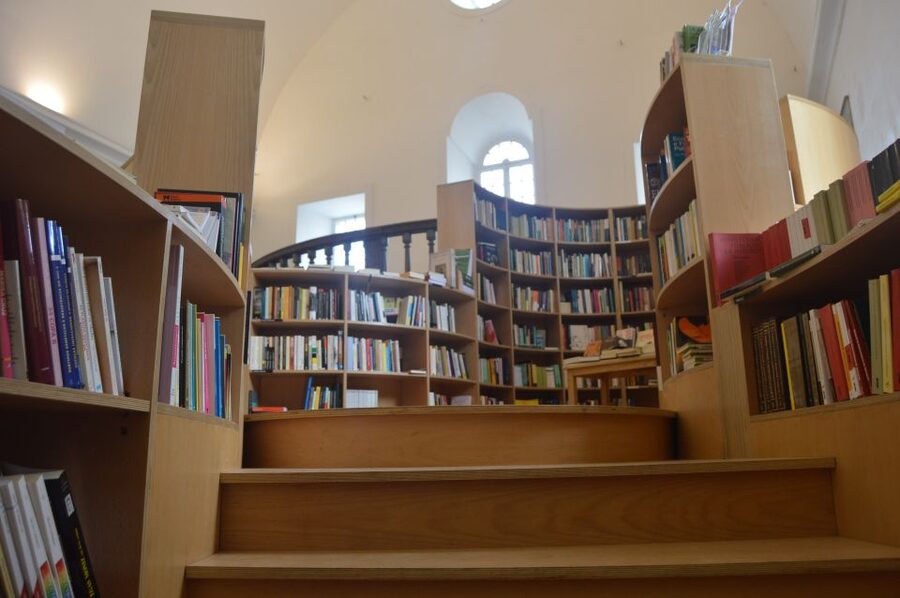
The route includes several religious buildings and art stops:
- Museum of the Saint John the Baptist Church
- Saint Peter Church
- Saint Martin Chapel
- Almshouse Church
- Saint Mary Church
- Saint Mary Plaza
- The chapel connected with the Maney’s Tower area
The exact amount of time at each place depends on the group and the guide, but together they show how much lies inside Óbidos’s walls. This is not only a castle town. It is also a place where churches, chapels, charitable work, and local art overlap.
A major artistic highlight is the chance to see five original paintings by Josefa de Óbidos. Born locally and active in the seventeenth century, Josefa became a celebrated painter and the first Portuguese female artist to have work exhibited at the Louvre in Paris.
That detail gives the paintings a wider importance. You are not simply ticking off a local artist. You are seeing work connected to a woman who earned a place in a male-dominated art world and became known beyond Portugal.
The tour also includes the superb Pietà by Renaissance master Nicolau de Chanterene. If you enjoy art, this is one of the best reasons to choose the guided walk rather than wander without a plan. A guide can point out why a work matters and help you notice details that a quick glance would miss.
Óbidos’s Moorish and Jewish quarters
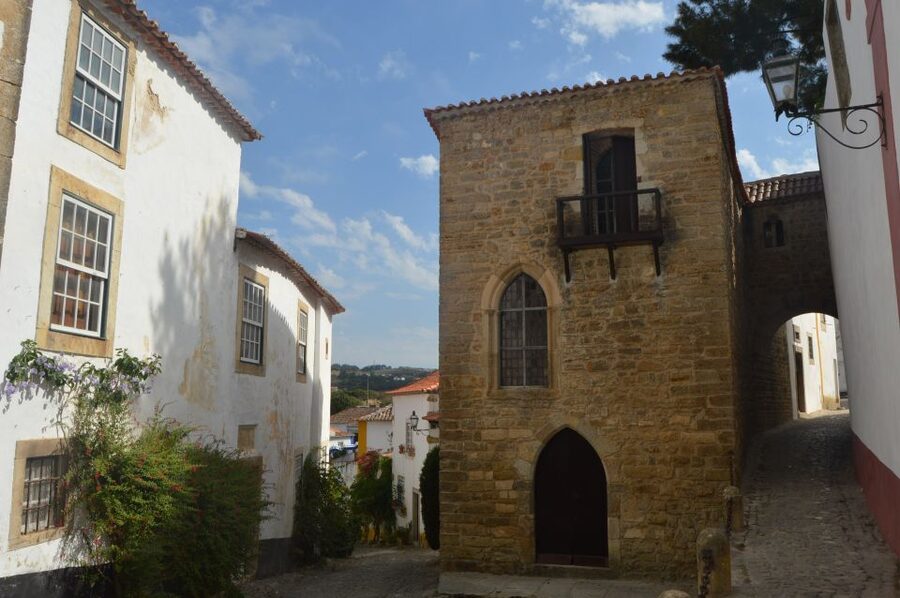
The old Moorish and Jewish neighborhoods are among the most useful parts of the route for understanding the town’s layers. Their narrow streets and lanes are not just atmospheric backdrops. They help you imagine how different communities lived within the fortified settlement.
The tour’s value here comes from combining the physical setting with explanation. Without that context, you might see only white walls, stone paving, and low doorways. With the guide, the lanes become part of Óbidos’s changing religious and social story.
This is also where the quieter route matters most. Several people specifically appreciated being led away from the main streets and into less obvious corners. You may find fewer people in these areas and better opportunities for photographs without a parade of shoppers behind you.
Do not expect an untouched medieval town. Óbidos is a popular stop, and the central streets can be busy. The benefit is that the guide knows how to add quieter passages to a short route.
Two bookshops with unusual addresses
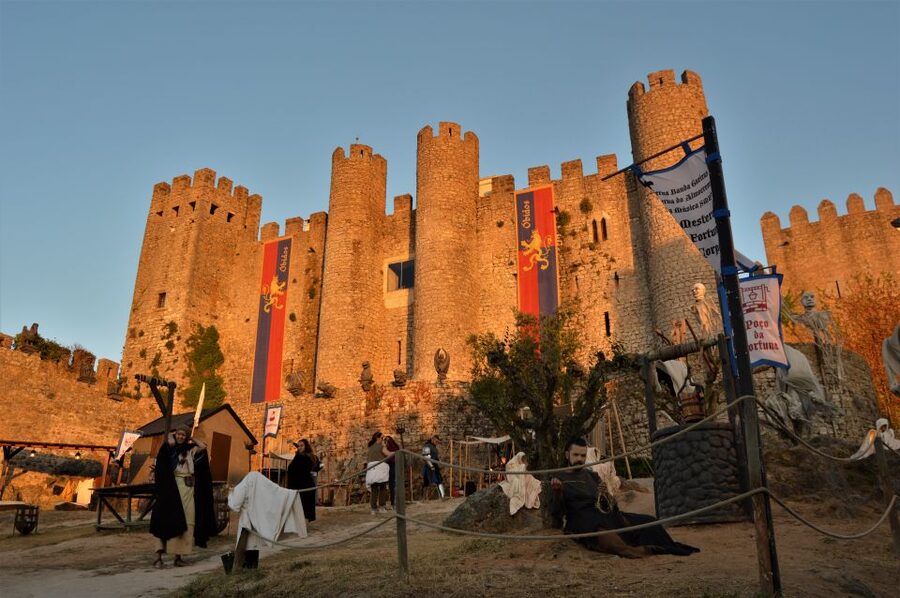
The bookshops are a clever part of the walk because they show modern Óbidos using historic spaces in a fresh way.
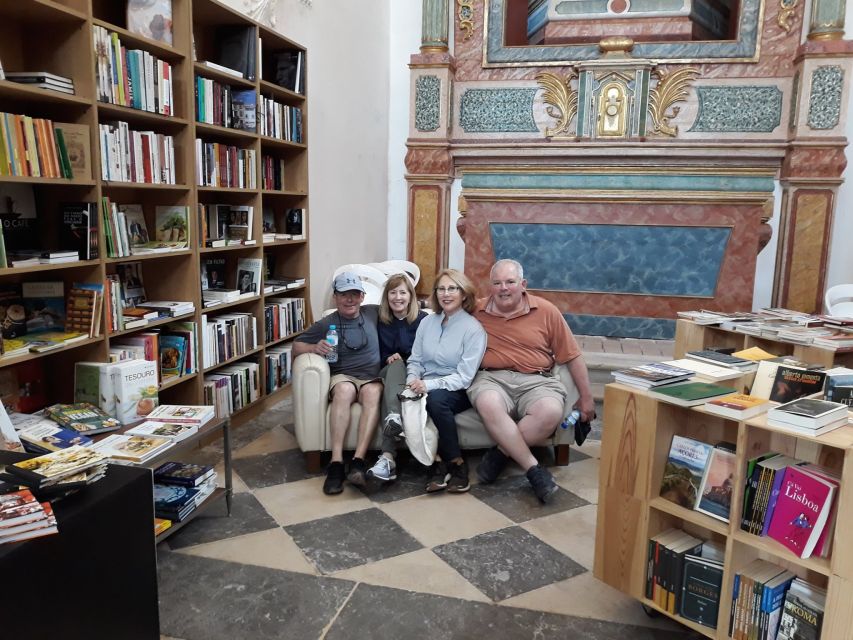
São Tiago Bookstore is located in a former church and royal chapel. That setting alone makes it more memorable than a standard shop. You can look at books in a building that once served a very different purpose, linking present-day culture with the town’s religious and royal past.
The experience also identifies Ler Devagar, a fashionable bookstore in a former royal chapel. The route information names Livraria do Mercado, or Market Bookstore, as a bookstore and organic products shop as well. Since the exact bookstore sequence may vary, ask your guide which two locations the group will enter that day.
These stops are valuable because they break up the stone-and-church pattern. You get a glimpse of Óbidos as a living town, not simply a preserved monument. If you enjoy books, architecture, or unusual shops, this part may be a pleasant surprise.
Camões Mark, Casa da Música, and the town’s smaller stories
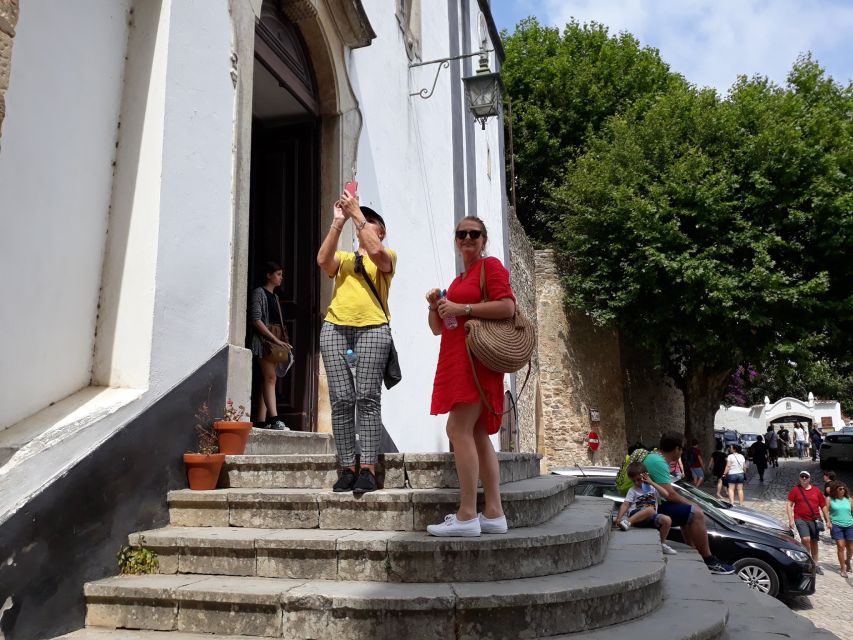
The walk also includes the Camões Mark and Casa da Música. These stops add cultural texture beyond the castle and churches.
The supplied details do not specify how long the group remains at each location, so I would treat them as story points rather than full performances or extended visits. Their place in the route helps connect Óbidos with Portuguese literary and musical life.
This is where the guide’s style matters most. People who enjoyed the experience valued stories and local detail rather than a long string of dates. Guides were praised for making Portugal’s past clear to groups of different ages and languages, and for answering questions without losing the flow of the walk.
If you prefer a tour that focuses only on major monuments, the number of smaller stops may feel busy. If you like seeing how a town works beyond its headline attraction, the variety is a strong point.
Outside-the-walls walking and the best photo chances
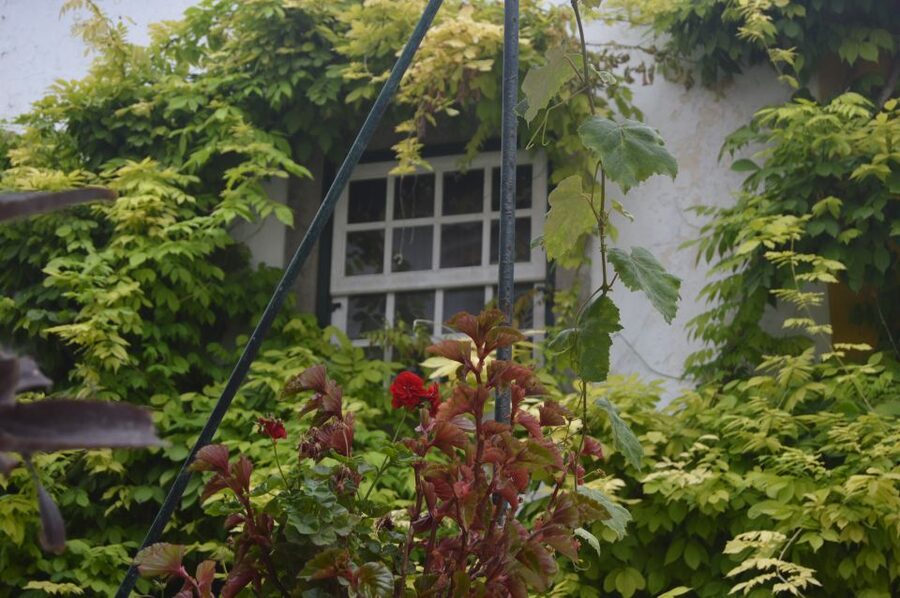
The route includes an out-of-the-walls walk, giving you a different view of Óbidos after exploring its interior. Moving beyond the main lanes helps you understand the town as a fortified whole rather than a collection of pretty streets.
Photography is treated as part of the experience. Guides have offered to take pictures at attractive stops, and several people valued the chance to pause rather than being pushed onward. JP was praised for making the visit feel personal, while Ivo was noted for helping people find less crowded places for photos.
I would still bring a phone or camera that is easy to use quickly. Two hours is not long, and you will want to balance pictures with listening. Comfortable shoes matter more than stylish ones here.
The final sip: ginjinha in chocolate
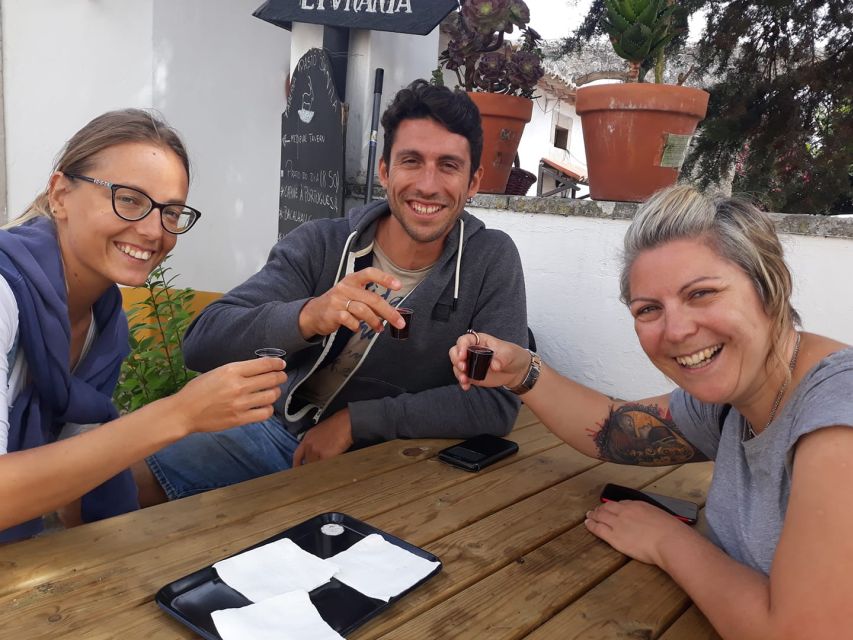
The ginjinha tasting is a small but effective finish. This traditional sour cherry liqueur is served in an edible chocolate cup, so you drink the liqueur and then eat the vessel.
The tasting is included in the $41 price, along with the guide. Food is not included, so do not mistake the tasting for a meal or a full food tour.
I like this ending because it is local, brief, and tied to Óbidos rather than added as a generic drink stop. It gives you a taste of the town’s traditions and a simple memory to carry into lunch or the rest of your sightseeing.
If you do not drink alcohol, the supplied information does not mention an alternative tasting. Ask before booking if that matters to you.
Is $41 a good value for two hours?
At $41 per person, this is not the cheapest way to walk around Óbidos. You can enter the town and see its streets without paying for a guide.
The value comes from what you might miss without help: the five Josefa de Óbidos paintings, the Pietà by Nicolau de Chanterene, the royal women’s connection to the town, the Moorish and Jewish quarters, the unusual bookshops, and quieter photo spots.
I consider the price reasonable for a first visit, especially if you care about art and Portuguese history. It also makes sense if your time is limited and you want a clear introduction before exploring independently.
The value is weaker if you have already spent a full day studying Óbidos, prefer to move alone, or want extended time inside every church and shop. This is a guided overview with plenty of stops, not a private museum tour.
Who should book this walk?
I would recommend it most strongly to first-time visitors, history fans, art lovers, photographers, and anyone who wants more than the main shopping street. Families can benefit from the stories, especially since one guide was praised for making the past clear to a multilingual, mixed-age group.
It also suits people who like a relaxed guide. The strongest feedback centers on patient explanations, personal attention, humor, and willingness to stop for questions or photographs.
You should think twice if uneven stone surfaces are difficult for you. The experience is specifically not suitable for people with mobility impairments, wheelchair users, or people with recent surgeries. Rain can also affect the schedule.
English and Portuguese are available. Free cancellation up to 24 hours before the start and reserve-now, pay-later booking make the plan flexible, but the key practical choice is still your footwear and comfort on old streets.
My verdict on the Óbidos walking tour
I like this tour because it gives Óbidos a human scale. You see the castle, but you also hear about queens, charity, painters, neighborhoods, books, churches, and local drink.
The most highly praised feature is the guiding. Ivo, João Pedro, JP, Bruno, Maria, Jorge, and JC are described as warm, clear, engaging, and generous with their time. That personal touch is what turns a pretty two-hour walk into a useful introduction to Portugal.
Book it if you want stories, art, and quieter corners woven into your first look at Óbidos. Skip it if you need step-free access or prefer a self-guided visit with no fixed pace. For most able walkers, $41 is a sensible price for the castle context, local art, royal history, bookstore stops, photo help, and chocolate-cup ginjinha in one compact outing.
FAQ
Where does the Óbidos walking tour begin?
The meeting point is in front of the Óbidos Tourist Office, near the main parking area outside the town walls.
How long does the tour last?
The guided walking tour lasts two hours and returns to the Óbidos Tourist Office.
What languages are available?
The tour is offered in English and Portuguese.
Is the ginjinha tasting included?
Yes. The tour includes a tasting of Óbidos ginjinha, a sour cherry liqueur served in a chocolate cup.
Is food included?
No. Food is not included, although the liquor tasting is included.
Which major sites are visited?
The route includes Óbidos Castle, Saint Mary Church, Saint Peter Church, Saint Martin Chapel, the Almshouse Church, the Museum of the Saint John the Baptist Church, the Moorish and Jewish neighborhoods, two bookstores, and an out-of-the-walls walk.
Is the tour suitable for wheelchair users?
No. The experience is not suitable for wheelchair users or people with mobility impairments. It is also not suitable for people with recent surgeries.
What should I bring?
Bring comfortable shoes for uneven stone streets and walking. The tour may be canceled because of weather conditions.
Recently added in Portugal
- Lisbon Cinematic Photoshoot with Top-Rated Photographer★ 5.0 · 76 reviews
- City Centre Run in Lisbon★ 5.0 · 164 reviews
- City of Neighborhoods Tour 1H 30M Private Tour by Tuk Tuk★ 5.0 · 38 reviews
- Central Lisbon E-Bike Tour★ 5.0 · 168 reviews
- Hands on Portuguese Cooking Class in Lisbon★ 5.0 · 136 reviews
- Lisbon Sailing Catamaran Public Cruise with drinks★ 5.0 · 304 reviews
- Lisbon City Tour by Tuk Tuk★ 4.5 · 137 reviews
- Romantic Private Sailboat in Lisbon for couples★ 5.0 · 38 reviews
Walking Tours, compared.


Best of Lisbon Small-Group Guided Walking Tour
Read our review →

Porto Walking Tour, Lello Bookshop, River Cruise and Cable Car
Read our review →
Best of Lisbon Walking Tour: Rossio, Chiado & Alfama
Read our review →
Experience Porto’s Charm: 3-Hour Guided Walking Tour
Read our review →
Enjoy a Guided Levada Walk in the Rabaçal Valley
Read our review →Browse the lists this tour appears in