
REVIEW · DOLPHIN WATCHING
Lisbon: Dolphin Watching with Marine Biologist
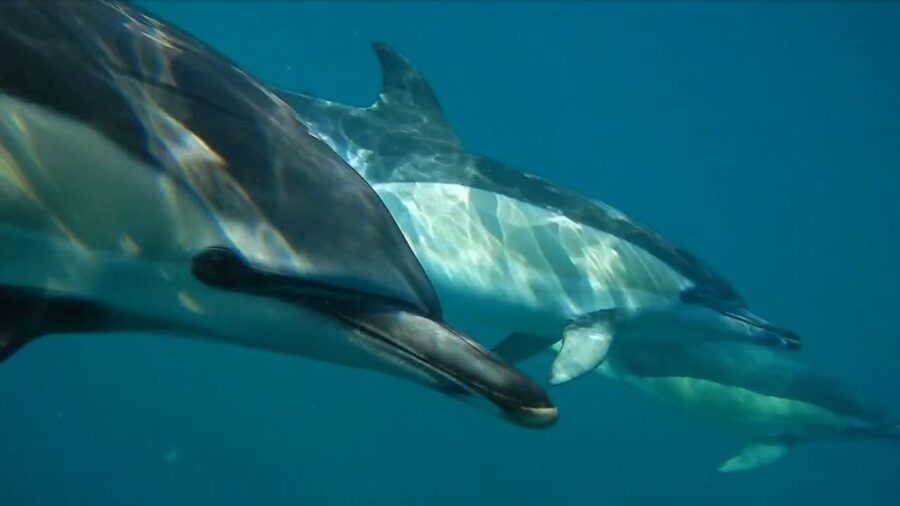
Wild dolphins are closer than you think. From Lisbon’s riverfront, SeaEO Tours takes you by fast rigid inflatable boat toward the meeting point of the Tagus and Atlantic, where dolphins and other marine life may appear. The three-hour trip combines a lively ride, clear wildlife guidance, and fine views of Lisbon’s waterfront monuments.
I especially like the small-group feel and the presence of a marine biologist who explains animal behavior rather than simply pointing at fins. I also like the company’s respectful approach: the boat keeps its distance and does not feed or touch wildlife. The main consideration is the sea itself. A small RIB can bounce hard in rough water, and dolphins are wild animals, so a sighting is never guaranteed.
In This Review
- Key points to know before booking
- Why this Lisbon dolphin tour is worth your time
- Meeting the boat beneath Lisbon’s red bridge
- Leaving the Tagus for the Atlantic
- Searching for dolphins near Cascais
- Bugio Lighthouse and the view from the sea
- Returning past Belém’s great monuments
- What the three-hour ride feels like
- The conservation side of the experience
- Who will enjoy this tour most
- Booking, cancellation, and practical value
- Should you book the Lisbon dolphin tour?
- FAQ
- Where does the Lisbon dolphin tour depart from?
- How long does the dolphin-watching trip last?
- Are dolphin sightings guaranteed?
- What other marine life might I see?
- Is a marine biologist included?
- Which languages are available?
- What should I bring?
- Can I take the tour if I get seasick?
- Can I cancel the booking?
Key points to know before booking
- The boat leaves from Lisbon itself: You depart from Doca de Santo Amaro beneath the large red bridge, making this practical even if you are staying in the city without a car.
- Sightings are strong but never certain: The local operator reports a 97 percent sighting rate, yet nature makes the final decision.
- The marine biologist adds real value: You learn about dolphin species, seabirds, conservation, and behavior instead of simply watching a boat chase animals.
- The ride is part of the attraction: The speedboat reaches open water quickly, but the small craft can feel bumpy when the sea is choppy.
- Lisbon’s monuments frame the return: You see Belém Tower, the Monument to the Discoveries, Jerónimos Monastery, and Bugio Lighthouse from the water.
- Bring warmth and sun protection: A jacket, sunscreen, comfortable clothes, and secure shoes matter more than you might expect.
Why this Lisbon dolphin tour is worth your time
At $76 per person, this is not the cheapest way to spend three hours in Lisbon. But the price covers the marine biologist, boat crew, fuel, insurance, taxes, and safety equipment. You are also paying for a licensed cetacean-watching operation, not just a quick harbor cruise with a hopeful captain.
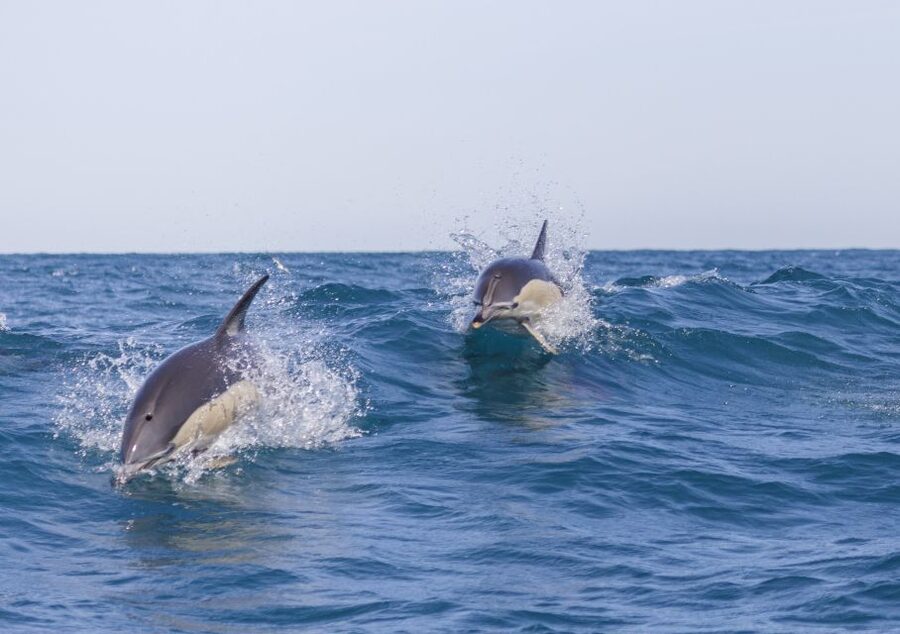
I think the value is strongest if you care about wildlife and want more than a standard sightseeing trip. The trip can produce several memorable sightings, including bottlenose dolphins, common dolphins, harbour porpoises, seabirds, and occasionally sunfish. Some outings have even encountered orcas, which belong to the dolphin family, though that is an exceptional possibility rather than something to expect.
The activity has a 4.9 rating from 1,853 bookings, and the praise focuses on three things: the crew’s care for the animals, the marine biologist’s explanations, and the thrill of the RIB ride. Those are the parts that make the tour worthwhile even during a slow search.
Still, keep your expectations sensible. One outing took around two and a half hours to find dolphins. Another saw none, although the operator offered a free return trip. If a guaranteed animal encounter is essential to your day, this is not the right kind of activity. If you accept the search as part of the experience, the outing makes more sense.
More Dolphin Watching Trips in Lisbon
- Lisbon: Tagus River Cruise to the Ocean & Dolphin Watching
★ 4.0 · 3,019 reviews - Lisbon: Dolphin Watching with Marine Biologist – Small Group
★ 4.9 · 867 reviews - Lisbon: Dolphin Watching with a Marine Biologist – Ocean Safari
★ 5.0 · 812 reviews
Meeting the boat beneath Lisbon’s red bridge
The departure point is SeaEO Tours at Doca de Santo Amaro, Gate 3. The most useful landmark is the large red bridge overhead. The dock is in the Alcântara area, along the Lisbon waterfront, and the boat is situated beneath the bridge.
Allow time to find Gate 3. The address is correct, but the pier can be confusing if you rely only on general directions. Use the provided Google Maps location and look for the dock under the bridge rather than searching for a large terminal building.
The tour begins with a safety briefing. You receive a lifejacket, meet the crew and marine biologist, and hear how the boat will operate around dolphins and other animals. This matters because the trip is conducted under Portugal’s rules for observing cetaceans in the wild. The aim is to watch without crowding or stressing the animals.
The boat is a rigid inflatable craft, often called a RIB. It is fast, open to the weather, and designed for quick travel across the water. You do not get a padded tourist vessel with a broad indoor cabin. You get a close-to-the-water ride with good sight lines, which is exactly why the boat works well for wildlife viewing.
Leaving the Tagus for the Atlantic
The first part of the trip takes you away from Lisbon’s riverfront. The city begins to look different from the water, with the waterfront monuments and bridges opening up behind you. The speed of the boat helps cover the distance toward open sea, where the waters around the Tagus and Atlantic meet.
That meeting area is important. Mixing river and ocean waters can support fish and other marine life, which in turn attracts dolphins and seabirds. The marine biologist gives context as you travel, explaining the animals you might see and why they use these waters.
The guide’s role is a major strength. Names mentioned by customers include Bart, Sara, Sid, Sarah, Cidonio, and Lunor, though the exact team depends on the departure. Guides have explained dolphin species, feeding behavior, marine conservation, and local history in several languages. Portuguese, English, French, Italian, and Spanish are available.
You may spend a fair amount of time simply scanning the surface. That is not dead time. The crew is watching for movement, blows, fins, seabird activity, and signs of fish. Keep your eyes moving, and do not expect the crew to stop at the first distant splash. Finding wild animals takes patience.
Searching for dolphins near Cascais
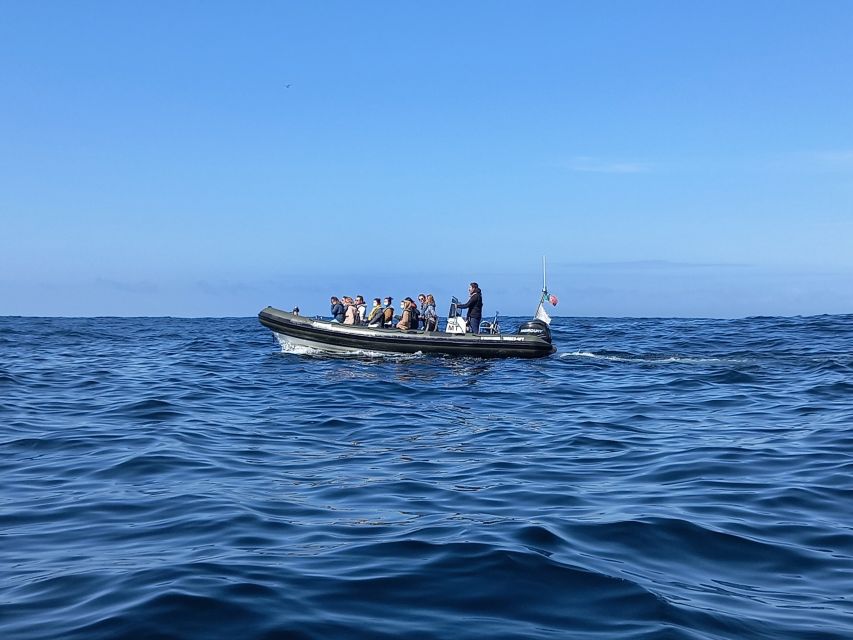
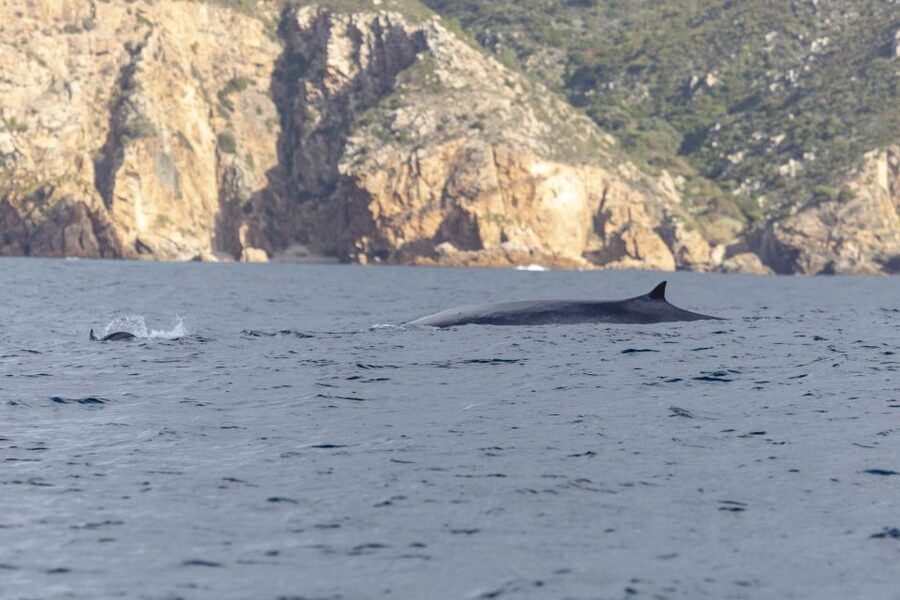
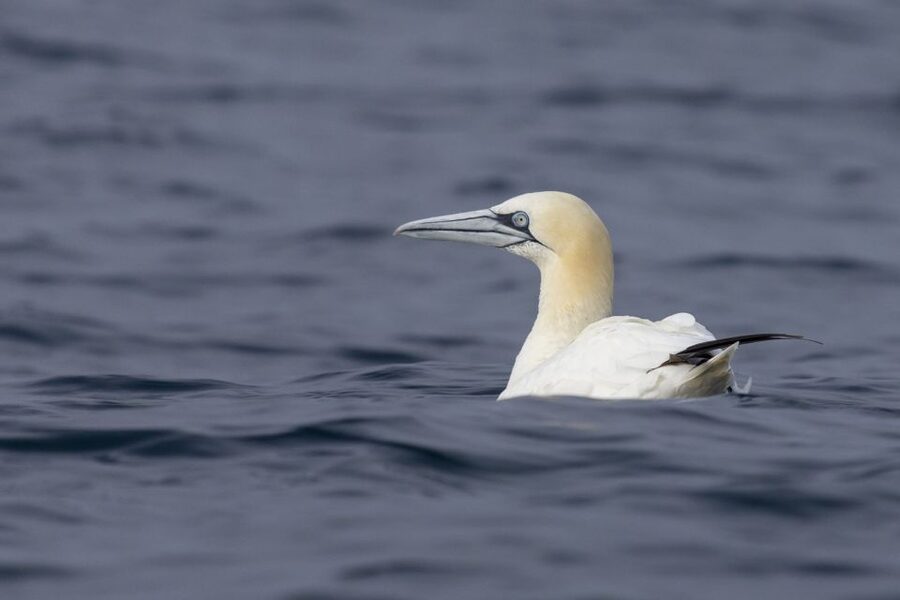
The open-water section is the heart of the tour. The boat travels toward the waters near Cascais, represented in the route by the area around JJ85+VG Cascais. Here, the crew searches for dolphins, whales, sharks, jellyfish, sea turtles, fish, and seabirds.
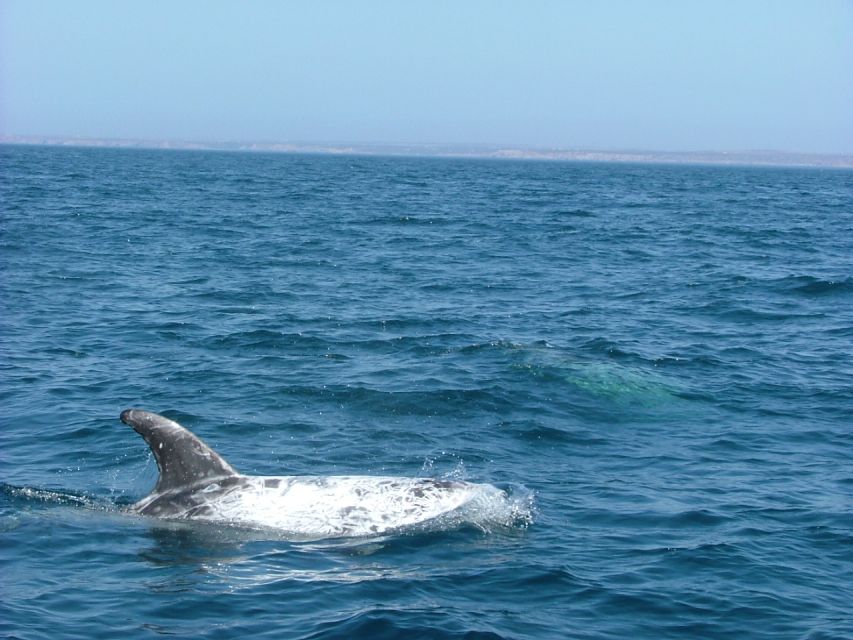
The wording can make the trip sound like a checklist, but sightings vary. You may see several species in one outing, or you may spend much of the time searching. Recent trips have included two or three dolphin species, groups of bottlenose dolphins, harbour porpoises, sunfish, and large pods numbering around 20 or even 30 animals.
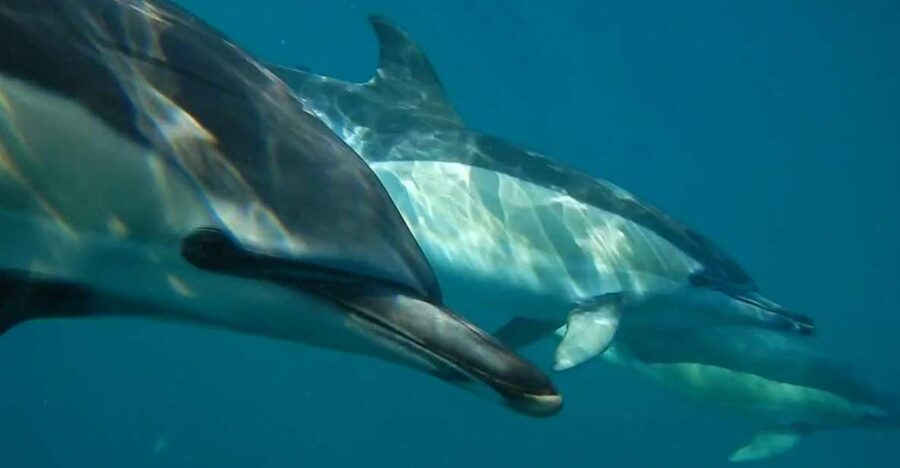
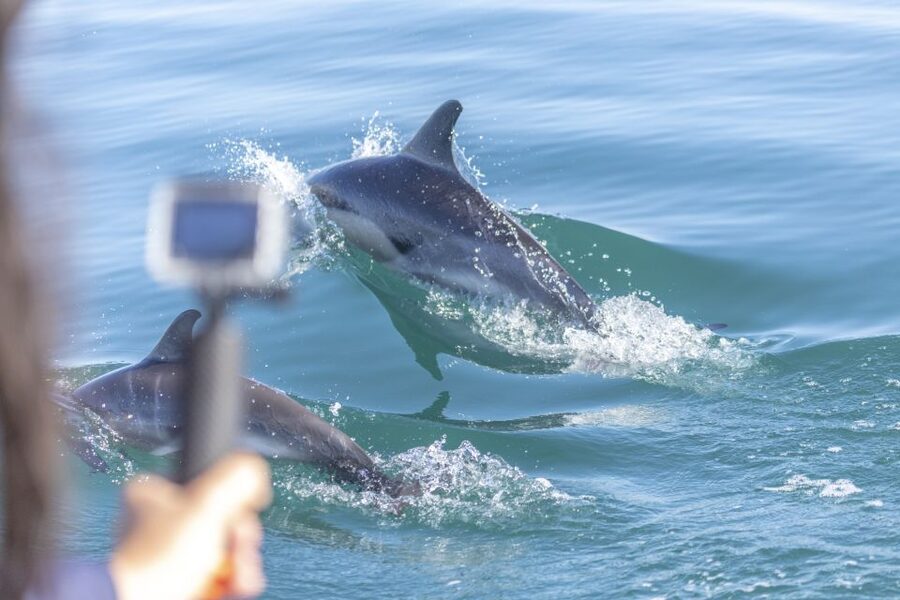
When dolphins appear, the best part is often not a dramatic jump. You may see them traveling steadily, surfacing together, swimming beside the boat, or passing beneath it. Young dolphins can be especially curious and may approach on their own. The crew’s practice is to keep a suitable distance, allowing the animals to choose how close they come.
That approach deserves emphasis. The boat does not feed the dolphins, touch them, or try to force an interaction. Some customers have seen dolphins come near precisely because the boat was not pressing into the pod. For me, that is a better form of wildlife tourism: you get a thrilling sight while the animals keep control of the encounter.
The RIB makes it possible to shift position when needed, but the trip is not a guaranteed pursuit. Conditions, animal movement, and visibility all matter. Clear, calm weather gives you a better chance of enjoying the ride and spotting distant animals. Even on a successful day, the first sighting may take 40 minutes or much longer.
A few more Lisbon options side by side
- Lisbon City Center Tour – The Unmissable Lisbon
★ 5.0 · 22,234 reviews - Lisbon: Sintra, Pena, Regaleira, Cabo da Roca & Cascais
★ 4.7 · 19,656 reviews - Lisbon: Jerónimos Monastery Entrance Ticket
★ 4.1 · 14,164 reviews - Lisbon: History, Stories and Lifestyle Walking Tour
★ 4.8 · 10,902 reviews
Bugio Lighthouse and the view from the sea
The route includes the Fort of São Lourenço do Bugio, usually recognized by its round fort and Bugio Lighthouse at the mouth of the Tagus. From the water, this low defensive structure has a strong sense of place. It marks the transition between river and ocean and gives the trip a useful sightseeing element beyond wildlife.
The guide may discuss the fort and the coast while the boat passes. The view is broad and open, but remember that the RIB is moving at speed and the sea can be rough. You may not get a long, quiet photo stop at every landmark.
The coastline near Cascais adds another layer to the outing. You are not simply transported to a viewing area and returned. The route gives you a sense of how Lisbon sits beside the river and how quickly the urban waterfront opens into the Atlantic.
Returning past Belém’s great monuments
The trip back brings Lisbon’s best-known waterfront sights into view from a fresh angle. The boat passes Belém Tower, with a short visit or sightseeing stop of about five minutes listed in the route. You also see the Monument to the Discoveries and, from the river, the Jerónimos Monastery.
These monuments are familiar from land, but the river changes their scale. The Monument to the Discoveries looks especially fitting from the water, since it faces the route once used by ships leaving Portugal. Belém Tower also makes more sense when you see its position at the river’s edge rather than only from the promenade.
The guide adds local context as you travel. This is useful because the boat ride could otherwise become a blur of fast turns, spray, and photos. The return section gives you time to settle down after the wildlife search and connect the natural setting with Lisbon’s maritime past.
Some outings have included a small taste of Moscatel de Setúbal near the end. Do not count on this as a central feature, and food and water are not included. The practical move is to eat beforehand and bring your own water.
What the three-hour ride feels like
Three hours is a good length for this activity. A shorter trip might not reach productive water, while a much longer outing could become tiring in an open boat. The exact balance depends on how long it takes to find animals.
The ride is fast and entertaining. Several people describe it as exciting even when dolphins did not appear. The craft offers open views from every seat, and you are close enough to feel the speed and motion of the sea.
That same design creates the main physical drawback. A small boat can be bumpy, especially in wind or choppy water. If you have back problems, motion sickness, or little tolerance for spray and cold air, think carefully before booking.
A good breakfast can help with seasickness, but the operator advises avoiding milk, cream, and yogurt beforehand if you are prone to feeling ill. Bring a jacket even on a warm Lisbon day. The boat’s speed creates a strong wind chill, and several people specifically wished they had dressed warmer.
Wear comfortable shoes with secure soles. High heels are not allowed, and comfortable clothes make it easier to sit safely during the ride. Bring sunscreen and a camera, but protect the camera from spray and keep your hands free when the boat accelerates.
The conservation side of the experience
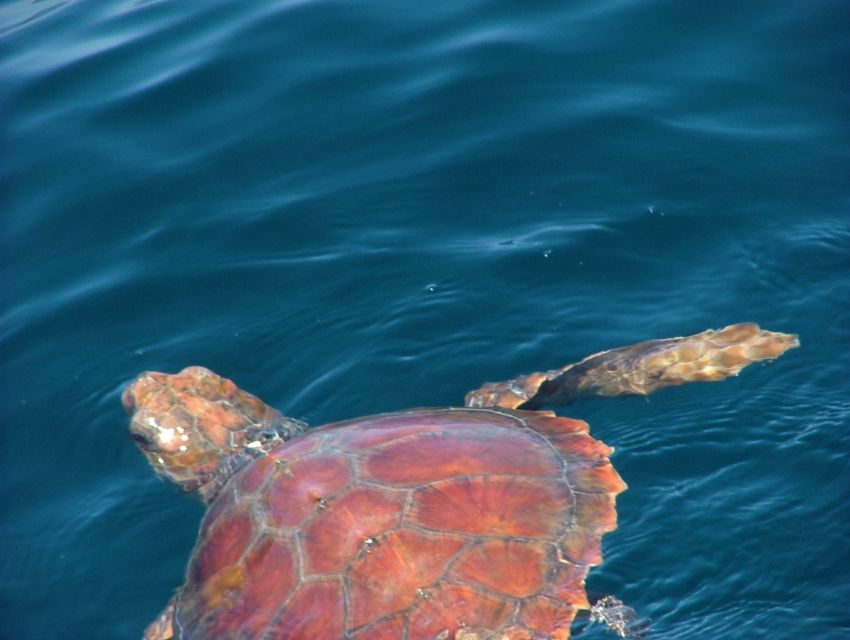
The best wildlife excursion teaches you how to look. Instead of treating dolphins as performers, the marine biologist explains what the animals are doing and why their behavior matters. You learn to notice travel patterns, group movement, feeding, and the difference between species.
The guides also speak about marine conservation. One particularly telling detail is that crew members have collected plastic or rubbish spotted in the water. That does not turn the trip into a formal cleanup, but it shows a practical concern for the environment around Lisbon.
Rules are simple: do not feed animals, touch marine life, smoke, drink alcohol, use drugs, or litter. These limits are not there to spoil the fun. They help keep the encounter wild and reduce the chance of harm to both animals and passengers.
The tour is offered by certified and licensed companies permitted to observe cetaceans in their natural habitat. That certification matters when you are choosing between a responsible wildlife trip and an operator that treats animals as scenery.
Who will enjoy this tour most
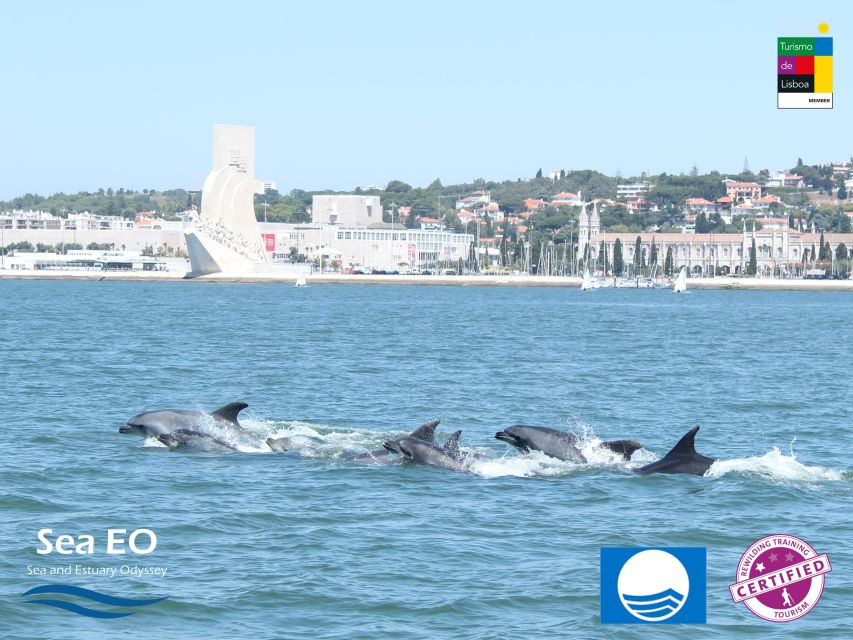
I would choose this outing if you want a mix of nature, speed, and Lisbon views. It suits couples, families with older children, and anyone who would rather spend a morning or afternoon outdoors than inside another museum.
It is especially good for people who enjoy learning. The marine biologist gives the wildlife meaning, and the multilingual crew can explain the experience in Portuguese, English, French, Italian, or Spanish. The small boat also makes it easier to hear the guide and see the water from almost any position.
It is less suitable for children under five, pregnant women, people with severe back problems, people with mobility impairments, and wheelchair users. The operator does not provide refunds for those exclusions, so check carefully before paying.
You should also think about the weather. The company may cancel if conditions are unsafe, offering another date or a full refund. A calm, clear day is the most comfortable choice, although the crew decides whether the sea is suitable.
Booking, cancellation, and practical value
The $76 price includes the boat, crew, marine biologist, fuel, lifejackets, insurance, and taxes. Food, water, and hotel transfers are not included, so budget for getting to Alcântara and bring a bottle of water.
You can cancel up to 24 hours before departure for a full refund. The reserve-now, pay-later option also helps if your Lisbon plans are still shifting. The operator contacts you by mobile phone 24 hours before the activity, so provide a working number and check for messages.
If the minimum number of passengers is not reached, you may be offered another date or an alternative with a local partner. If weather cancels the trip, you can choose a new date or receive a full refund.
The value depends on your attitude. For a guaranteed sightseeing cruise, the price may feel high. For a licensed wildlife outing with specialist guidance, an exciting boat ride, and the chance to see dolphins in their natural environment, it is fair.
Should you book the Lisbon dolphin tour?
Book it if you want a respectful wildlife experience and you can handle a small, lively boat. The marine biologist, strong sighting record, excellent guides, and views of Bugio Lighthouse and Belém make this more than a simple dolphin hunt.
Skip it if you need calm water, guaranteed sightings, indoor seating, or easy access for limited mobility. If you do book, choose a clear day when possible, eat a sensible breakfast, bring a warm jacket, and arrive ready to spend time looking at an empty ocean before nature rewards you.
That patience is part of the bargain. When a pod finally appears beside the RIB, the moment feels earned rather than staged.
FAQ
Where does the Lisbon dolphin tour depart from?
The tour departs from SeaEO Tours at Doca de Santo Amaro, Gate 3. The dock is beneath the large red bridge in the Alcântara neighborhood.
How long does the dolphin-watching trip last?
The activity lasts three hours, including the boat ride, safety briefing, wildlife search, sightseeing, and return to Doca de Santo Amaro.
Are dolphin sightings guaranteed?
No. Dolphins are wild animals, so sightings cannot be guaranteed. The local partner reports a 97 percent chance of seeing dolphins.
What other marine life might I see?
Possible sightings include seabirds, fish, sharks, jellyfish, sea turtles, whales, harbour porpoises, sunfish, and several dolphin species.
Is a marine biologist included?
Yes. A marine biologist leads the wildlife portion of the trip and explains dolphin species, seabirds, marine behavior, and conservation.
Which languages are available?
The live guides speak Portuguese, English, French, Italian, and Spanish.
What should I bring?
Bring comfortable shoes, comfortable clothes, sunscreen, a camera, and a jacket. Food and water are not included, so you should bring water and eat before departure.
Can I take the tour if I get seasick?
You can consider the trip, but the small RIB may feel bumpy in rough conditions. If you are prone to seasickness, eat breakfast without milk, cream, or yogurt, and check the weather conditions before going.
Can I cancel the booking?
Yes. You can cancel up to 24 hours in advance for a full refund. If weather causes cancellation, the operator offers another date or a full refund.
Recently added in Lisbon
- Lisbon Cinematic Photoshoot with Top-Rated Photographer★ 5.0 · 76 reviews
- City Centre Run in Lisbon★ 5.0 · 164 reviews
- City of Neighborhoods Tour 1H 30M Private Tour by Tuk Tuk★ 5.0 · 38 reviews
- Central Lisbon E-Bike Tour★ 5.0 · 168 reviews
- Hands on Portuguese Cooking Class in Lisbon★ 5.0 · 136 reviews
- Lisbon City Tour by Tuk Tuk★ 4.5 · 137 reviews
- Lisbon Sailing Catamaran Public Cruise with drinks★ 5.0 · 304 reviews
- Romantic Private Sailboat in Lisbon for couples★ 5.0 · 38 reviews
Dolphin Watching, compared.

Benagil Caves & Dolphin Watching Speed Boat Tour
Read our review →
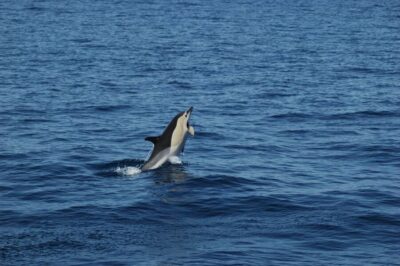
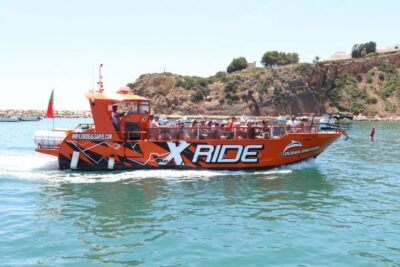
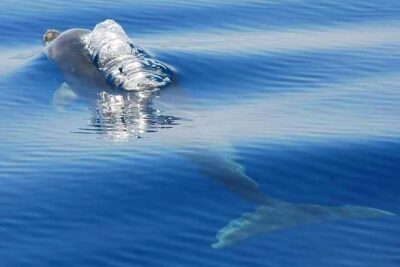
Dolphins Search and Benagil Caves from Albufeira
Read our review →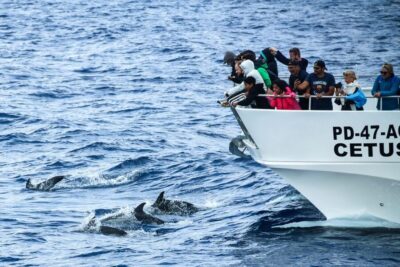
Benagil Caves & Dolphins Watching with Biologist
Read our review →Browse the lists this tour appears in