
REVIEW · DOLPHIN WATCHING
From Ponta Delgada: Whale and Dolphin Watching Trip
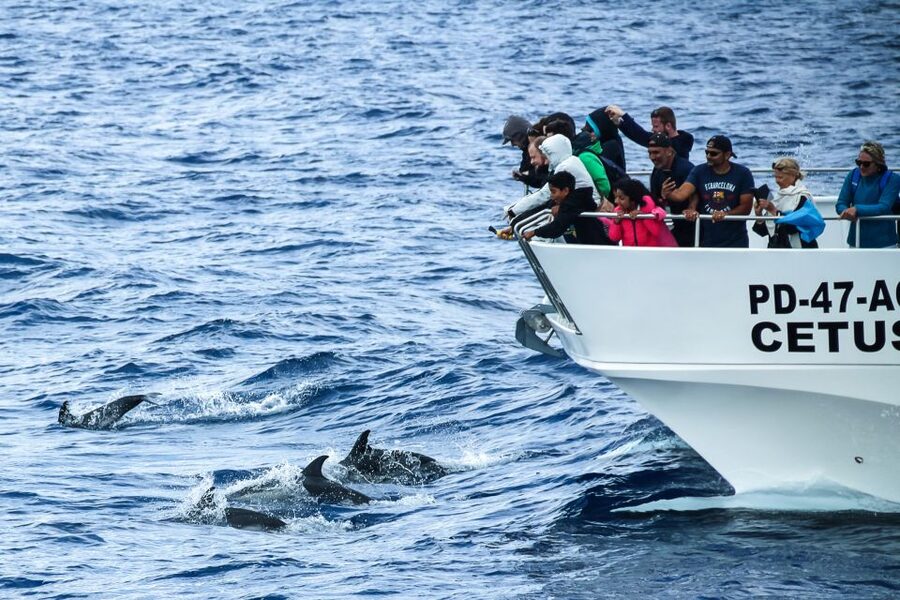
The Atlantic keeps its own schedule. This three-hour trip from Ponta Delgada gives you a real chance to see dolphins, sperm whales, sei whales, turtles, and seabirds in the waters around São Miguel. I especially like the marine biologist on board, who explains animal behavior and observation rules, and the choice between a stable catamaran and an exciting Zodiac boat. The main catch is simple: wildlife is wild, and even a strong effort may bring dolphins but no whales.
I also like the company’s second-tour promise if no animals are seen. That offers useful peace of mind for an experience priced at $82 per person, though it does not turn nature into a guaranteed show. The small boat can be bumpy, sea sickness is possible, and the activity information gives mixed guidance about children under eight, pregnancy, and back problems, so check your exact boat and suitability before paying.
In This Review
- What makes this Azores whale trip worth considering
- Leaving Ponta Delgada Harbour at Portas do Mar
- Catamaran comfort or Zodiac excitement?
- Two hours and 45 minutes scanning the Atlantic
- What the marine biologist adds
- Why the season changes your odds
- The real value of $82
- Practical advice for a better outing
- Who will enjoy this most?
- Should you book the Ponta Delgada whale trip?
- FAQ
- Where does the whale-watching trip leave from?
- How long does the experience last?
- What languages are available?
- What animals might I see?
- Can I choose the type of boat?
- Which boat is better for families?
- Are life jackets and rain gear provided?
- Is food included?
- What happens if no animals are seen?
- Can the trip be canceled?
What makes this Azores whale trip worth considering
- More than 25 cetacean species: The Azores sit between Portugal and North America, making these waters a year-round home or migration route for many whales and dolphins.
- A marine biologist guides the search: You get explanations about species, conservation, water safety, and respectful viewing rather than simply chasing fins.
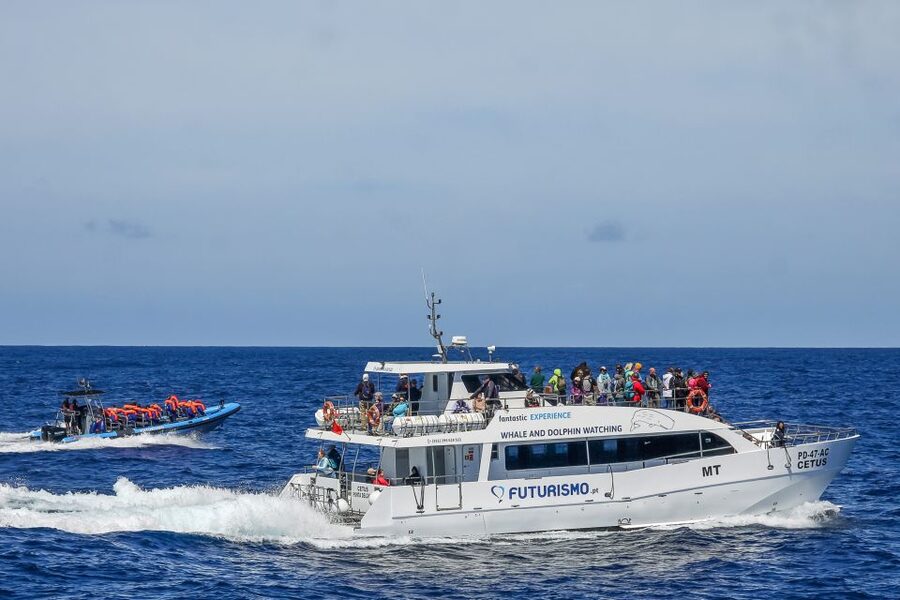
- Two boat styles: Pick a catamaran for a steadier, more comfortable ride or a Zodiac for closer-to-the-water excitement and broad views.
- Strong sightings across the seasons: Sperm whales and several dolphin species can appear all year, while spring can bring blue, fin, and sei whales.
- A second outing if nothing appears: If the sea stays empty, the operator offers another tour, subject to its conditions.
- A helpful crew: Guides have stayed out longer when sightings were close, and one guide, Valeria, received particular praise for clear explanations.
Leaving Ponta Delgada Harbour at Portas do Mar
You meet Futurismo Azores Adventures at Ponta Delgada Harbour, Portas do Mar, Shop 26, São Miguel, postal code 9500-771. The shop is in the harbor shopping area, so allow a little time to find the correct unit. One useful detail: the meeting point has been described as Shop 26 in the supplied information, while one booking note refers to Shop 28. Confirm the current shop number when you reserve.
The trip begins with a 15-minute safety briefing. This is not filler. Your guide covers the history of whale watching in the Azores, water safety, and the rules for approaching marine life. Those rules matter because a good whale trip is not just about getting close. It is about watching without forcing the animals to change course or behavior.
The briefing also helps you understand the basic rhythm of the outing. The crew uses information about the sea and animal movements to decide where to search. You may spend time scanning open water before a fin, blow, or group of dolphins appears. That waiting is part of the experience, not a flaw in the schedule.
The tour is offered in English and Portuguese. The marine biologist or nature guide remains on board during the trip, answering questions and identifying the species you see.
More Dolphin Watching Trips in the Azores
- Terceira: Whale and Dolphin Watching in a Zodiac Boat
★ 4.8 · 230 reviews - São Miguel: Wild Swimming with Dolphins
★ 4.7 · 222 reviews - Terceira: Half-Day Dolphin and Whale Watching Tour
★ 4.6 · 219 reviews
Catamaran comfort or Zodiac excitement?
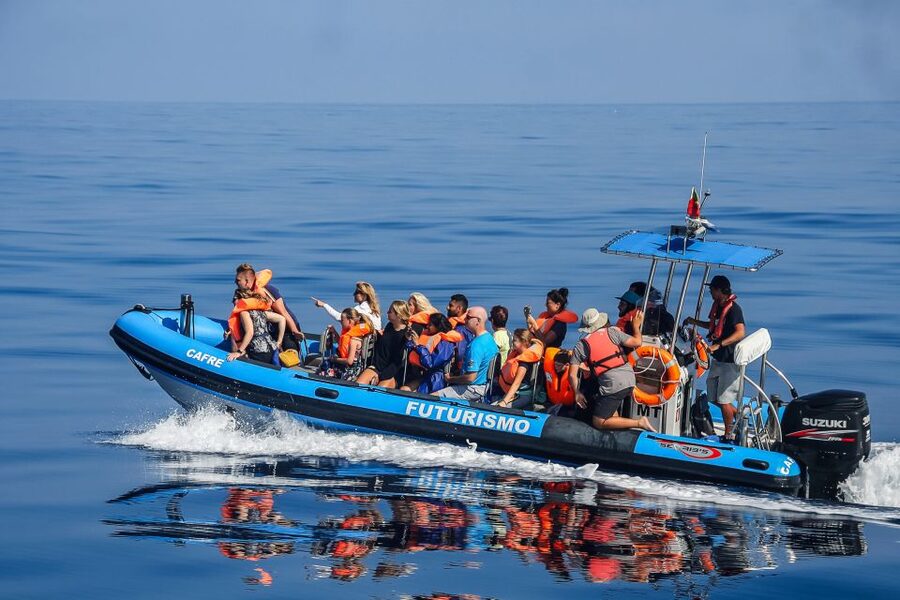
You choose between a catamaran and an inflatable Zodiac boat when booking. The choice affects the entire feel of the outing.
The catamaran is the sensible pick if you value comfort and a steadier platform. It is recommended for families with children, older people, pregnant women, people with limited mobility, and those with back concerns in the booking information. However, the same information also lists children under eight, pregnant women, and people with back problems as unsuitable for the activity. That conflict is important. If it applies to you, contact the operator before booking rather than relying on a general boat recommendation.
The catamaran also makes sense if you want more room to move around and a calmer base for watching the horizon. One family found this option comfortable, while another parent appreciated the solid feel of the boat. It may be less thrilling than the Zodiac, but whale watching rewards patience, and comfort helps you keep scanning.
The Zodiac is the livelier choice. You sit closer to the water, and the lower position can make dolphins feel wonderfully near when they swim alongside the boat. Several outings produced especially close encounters from the small boat. It can feel a little like an expedition, with fewer people and an open view around you.
That excitement comes with more motion. The sea can be rough, especially on the smaller speed boat, and one passenger reported feeling sick despite having a good overall experience. If you are prone to sea sickness, take suitable medication before departure after checking that it is safe for you. The crew supplies raincoat and trousers for Zodiac passengers, along with a mandatory life jacket.
High heels, smoking, drones, alcohol, drugs, and nudity are not allowed. Those rules are practical on a working marine trip, especially on a small inflatable boat.
Two hours and 45 minutes scanning the Atlantic
After the briefing, you leave Ponta Delgada Harbour for about two hours and 45 minutes of whale watching. The Azores are well placed for sightings because many species live in these waters year-round, while others pass through during migration.
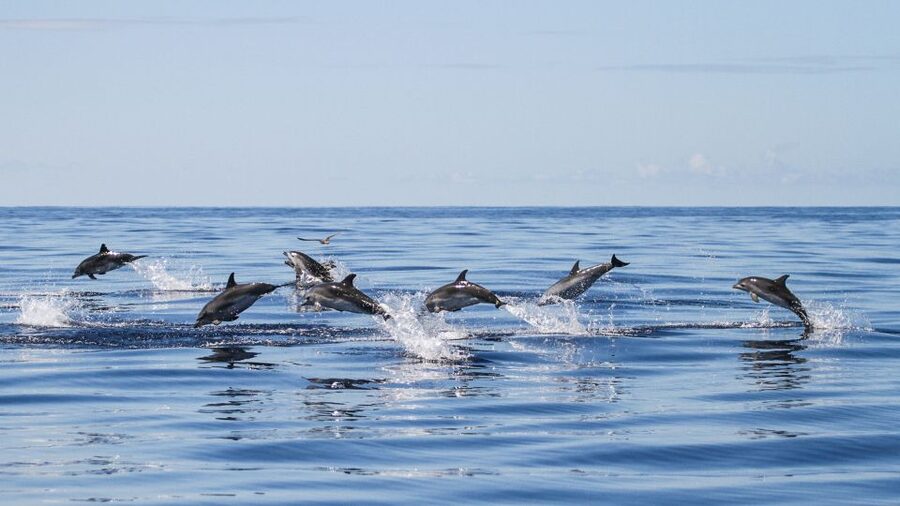
The most regular possibilities include sperm whales, common dolphins, bottlenose dolphins, and Risso’s dolphins. Turtles, seabirds, and flying fish can add to the day. In summer, you may see pilot whales and striped dolphins. Spring offers a better chance for migrating baleen whales, including blue whales, fin whales, and sei whales.
The trip is not a ride to a fixed viewing point. Your crew searches, listens, watches for signs, and adjusts the route. That means every departure has a different shape. One outing can produce hundreds of dolphins and several whale species. Another can find many dolphins but no whale at all.
The best reports describe several species in one morning. Sightings have included Atlantic spotted dolphins, common dolphins, striped dolphins, bottlenose dolphins, sperm whales, sei whales, and Bryde’s whales. Some outings found mother-and-calf pairs, groups of six sperm whales, or a large pod of spotted dolphins with young animals nearby.
Orcas are not the expected headline species, but one January trip found an active group. The crew reportedly approached with care, switched off the engine when close, and kept the animals’ welfare ahead of a better photo. That is exactly the attitude I want from a wildlife operator.
What the marine biologist adds
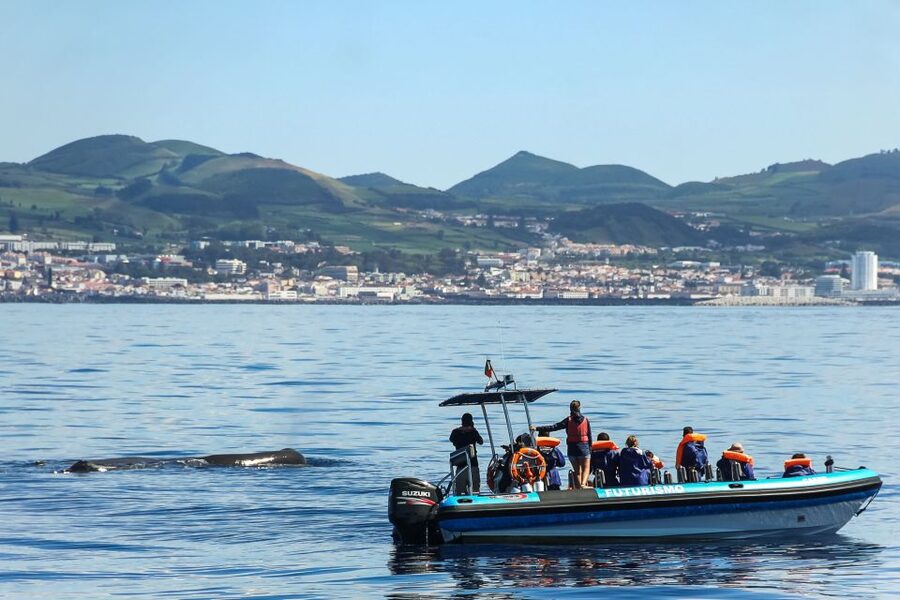
The guide changes the outing from a simple search into a lesson in the sea. You learn how the team identifies animals, why boats approach from certain angles, and how distance and engine use affect wildlife.
A strong example came from a trip with Valeria, whose explanations helped passengers understand what they were seeing. Other outings had one or two marine biologists on board, with guides answering questions throughout the search. Their work is especially useful when a whale appears only briefly. A blow, dorsal fin, or tail may be all you see, and an expert can help you make sense of that quick moment.
The commentary also gives value when sightings are modest. If you see dolphins but no whales, you still gain a better understanding of the Azorean marine system and the animals’ natural behavior. The guides’ enthusiasm has also helped keep people engaged during long searches.
The approach is respectful. The crew follows observation rules, keeps appropriate distance, and tries not to disturb the animals. One particularly memorable trip saw a sperm whale come close while the boat remained careful and quiet. Close does not have to mean careless.
A few more Sao Miguel Island options side by side
- Azores Whale Watching & Islet Boat Tour
★ 4.6 · 2,146 reviews - São Miguel West: Full-Day Van Tour with Lunch
★ 4.9 · 1,948 reviews - São Miguel East: Full-Day Van Tour with Lunch
★ 4.9 · 1,124 reviews - São Miguel Azores: Half-Day Whale Watching Trip
★ 4.5 · 983 reviews
Why the season changes your odds
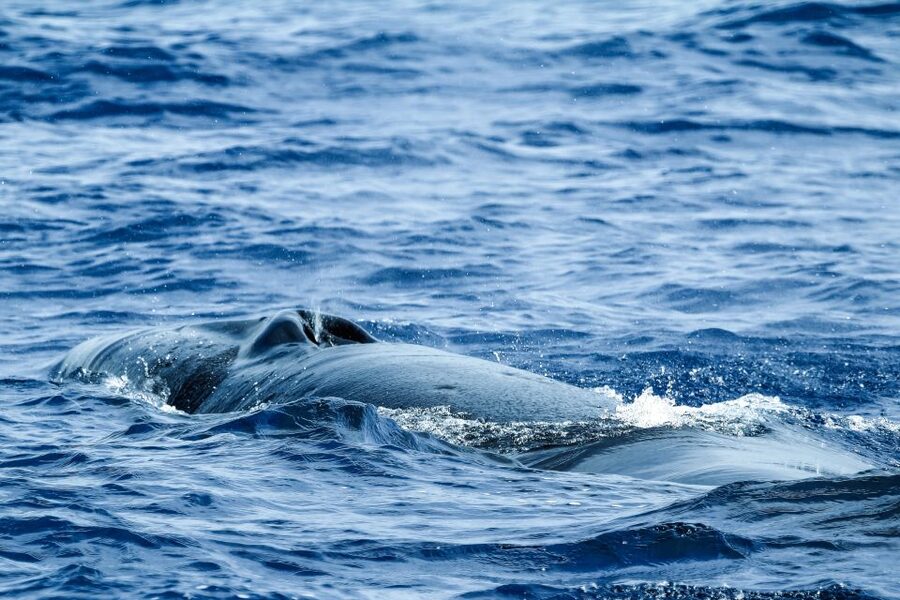
The Azores offer whale watching throughout the year, but the likely sightings shift.
Spring is a strong period for migrating baleen whales. Blue, fin, and sei whales may pass through, giving you a chance to see some of the largest animals on Earth. Sei whales have also appeared in autumn, although that is less expected.
Summer brings regular dolphin activity, including Atlantic spotted, common, striped, and possibly pilot dolphins. Whale sightings remain possible, and several summer outings produced sperm whales, sei whales, and mother-and-calf pairs.
Autumn can be excellent for mixed sightings. October trips have included sperm whales, sei whales, dolphins, and even a hammerhead shark. That does not mean every October departure will bring the same list, but the season can reward you with variety.
Winter is less predictable, yet it is not a dead season. January and February outings have found large groups of dolphins and several whales. One winter trip saw four whales, while another encountered orcas. The sea may feel cooler and rougher, so boat choice and personal comfort matter more.
I would choose the season based on your wider São Miguel plans rather than promise a particular species. The company’s second-tour offer if no animals are seen is useful, but a second outing still depends on weather, sea conditions, and availability.
The real value of $82
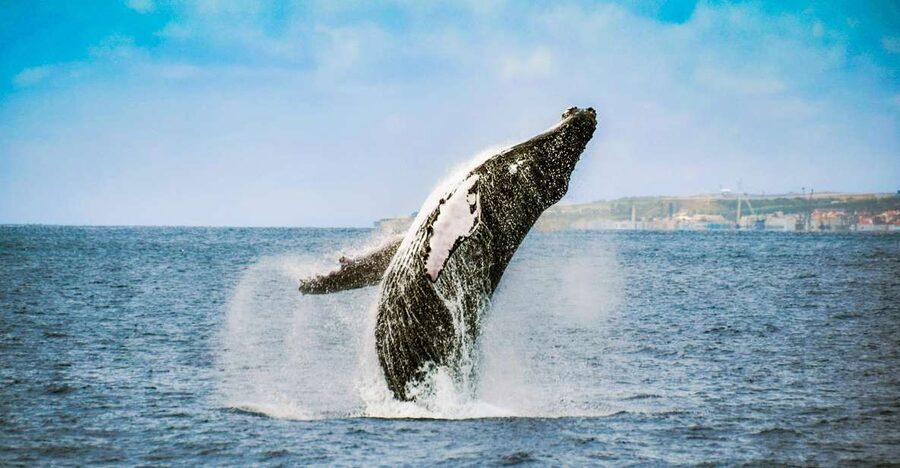
At $82 per person, this is not a casual harbor cruise, but the price is fair for a three-hour wildlife outing with a guide trained in marine biology or nature interpretation. You are paying for the boat, crew, safety setup, search time, and expert commentary. The value improves when you see several species, but the educational side still matters on a quiet day.
The second-tour offer protects you from the most disappointing result: spending the money and seeing no animals at all. It does not guarantee whales, and it does not mean you can demand a particular species. Still, it shows that the operator understands the risk built into wildlife watching.
Food and drinks are not included, and there is no hotel pickup or drop-off. Plan your own way to the harbor and eat before or after the trip. The experience itself lasts three hours, including the briefing and sea time, so it fits neatly into a morning or afternoon plan.
Free cancellation is available up to 24 hours before departure for a full refund. You can also reserve and pay later, which helps if your São Miguel schedule depends on weather. Trips may be canceled when conditions are unsafe or minimum numbers are not reached.
Practical advice for a better outing
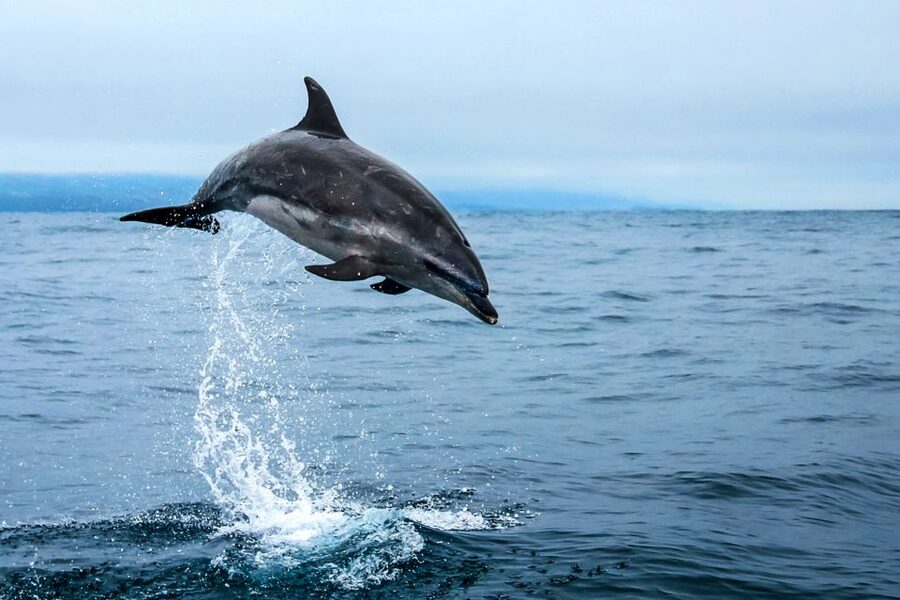
Choose the catamaran if comfort, stability, or easy movement matters most. Choose the Zodiac if you want a more active ride and a lower view of the water. If you are unsure, tell the operator about your mobility, health, or sea sickness concerns before booking.
Wear practical clothing and expect changing conditions. Zodiac passengers receive rain gear, but you should still dress for wind and spray. The small boat has no place for fancy footwear, and high heels are not allowed.
Arrive with enough time to locate the harbor shop and attend the full briefing. The boat cannot wait while you search for the meeting point. Once aboard, listen closely to the guide and keep scanning rather than staring at one patch of water.
If the boat is full, position matters. Everyone wants the best view, especially when dolphins appear, so choose your seat with sightlines in mind. On a Zodiac, you may have a more open view because the boat sits low and has fewer passengers, but the ride can be more active.
Bring patience. Some of the strongest outings took extra time when the crew found animals near the end of the planned route. On one trip, the boat stayed out about 45 minutes longer to watch a whale and dolphins. That is generous, but you should not assume every departure will run late. If you have a tight dinner reservation or another tour, leave room in your schedule.
Who will enjoy this most?
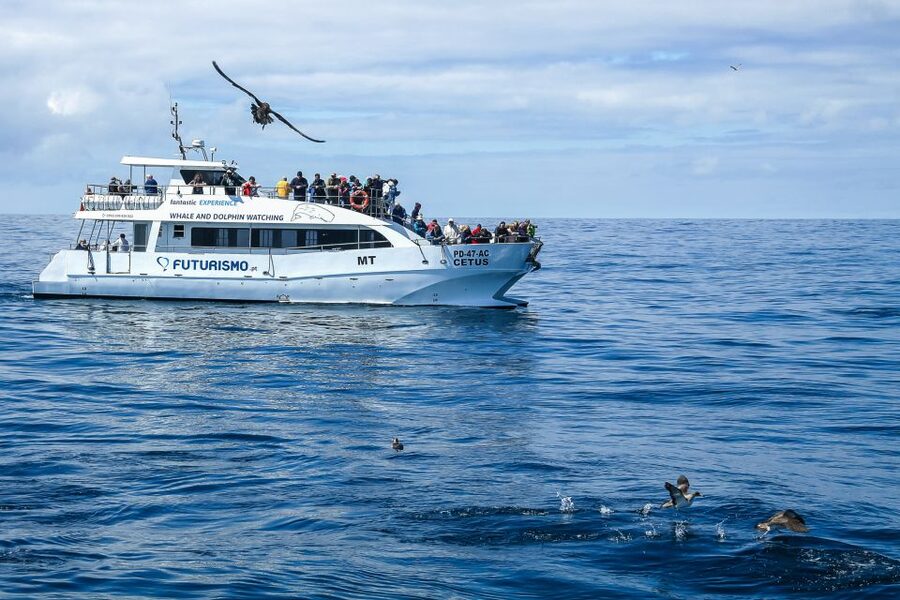
This trip suits you if you want wildlife in its natural setting rather than a polished attraction. It is especially good for people who enjoy learning, watching carefully, and accepting that nature controls the timetable.
Families with older children may like the catamaran. The Zodiac is better for confident passengers who want motion and close water-level views. People with back problems, pregnant passengers, older people, and anyone with limited mobility should ask for specific advice before booking because the stated suitability information is not fully consistent.
The trip also works well as an early highlight of a São Miguel visit. Several people found it a memorable first activity, and the views back toward the volcanic island add something even when the sea is quiet. You are not only watching animals. You are seeing the island from offshore, with open Atlantic water on all sides.
Should you book the Ponta Delgada whale trip?
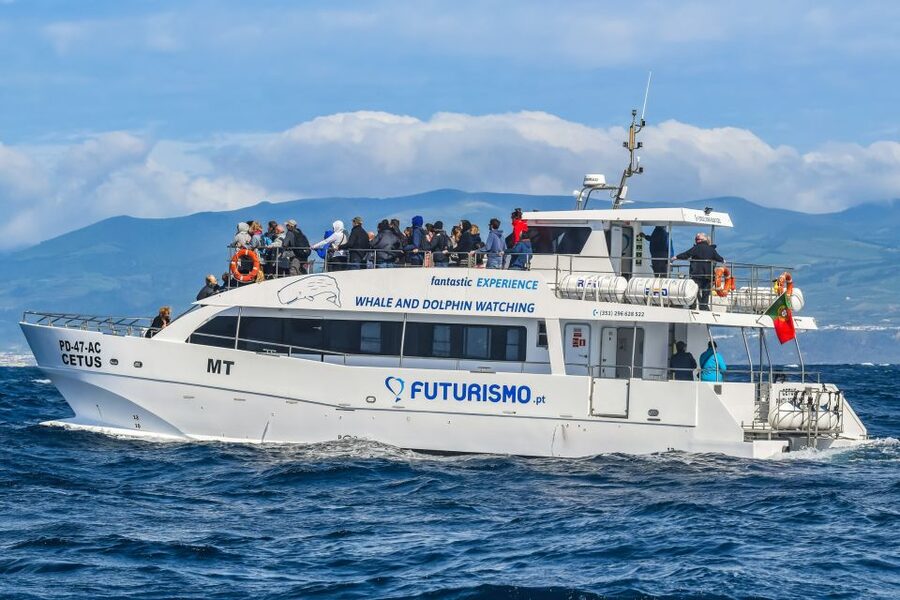
I would book it if you can give the sea a flexible place in your schedule and you value respectful wildlife watching. The combination of marine biologists, year-round species, two boat choices, and a second outing if nothing appears makes $82 a reasonable spend.
Pick the catamaran for comfort and the Zodiac for excitement. Consider spring for migrating baleen whales, summer for dolphins and mixed sightings, and autumn or winter if you are happy with less predictable but sometimes remarkable encounters. Just remember that no crew can order a whale to surface.
If you need a guaranteed whale sighting, this is not the right activity. If you want a well-run chance to see dolphins, sperm whales, sei whales, turtles, and seabirds while learning how to watch them responsibly, it is a strong choice from Ponta Delgada.
FAQ
Where does the whale-watching trip leave from?
The meeting point is Futurismo Azores Adventures at Ponta Delgada Harbour, Portas do Mar, Shop 26, São Miguel, Azores, Portugal.
How long does the experience last?
The full experience lasts three hours. It includes a 15-minute safety briefing and about two hours and 45 minutes of whale watching.
What languages are available?
The live guide is available in English and Portuguese.
What animals might I see?
Possible sightings include sperm whales, minke whales, sei whales, blue whales, fin whales, pilot whales, common dolphins, bottlenose dolphins, Risso’s dolphins, striped dolphins, Atlantic spotted dolphins, turtles, seabirds, and other marine life.
Can I choose the type of boat?
Yes. You can choose between a catamaran and an inflatable Zodiac boat at the time of booking.
Which boat is better for families?
The catamaran is recommended for families with children under eight, older people, pregnant women, people with limited mobility, and people with back problems. However, the activity information also lists some of these groups as unsuitable, so confirm directly with the operator before booking.
Are life jackets and rain gear provided?
Life jackets are mandatory on the Zodiac boats. Raincoats and trousers are provided for Zodiac passengers only.
Is food included?
No. Food and drinks are not included.
What happens if no animals are seen?
The operator offers a second tour if no animals are sighted during the experience.
Can the trip be canceled?
Yes. Trips can be canceled because of weather conditions or because minimum numbers are not met. You can cancel up to 24 hours in advance for a full refund.
Recently added in Sao Miguel Island
- Island Van Tour (Full Day) | Terceira Island★ 4.9 · 176 reviews
- Terceira: Half-Day Island Tour with Cheese Tasting★ 4.4 · 106 reviews
- Terceira: Half-Day Dolphin and Whale Watching Tour★ 4.6 · 219 reviews
- Sete Cidades: Half-Day ATV Quad Tour★ 4.9 · 347 reviews
- São Miguel: Sete Cidades and Lagoa do Fogo Full-Day Tour★ 4.8 · 65 reviews
- Ponta Delgada: Full-Day Sete Cidades 4X4 Tour with Lunch★ 4.9 · 50 reviews
- Sete Cidades Azores 4×4 Day Tour from Ponta Delgada★ 4.9 · 46 reviews
- Ribeira Grande: Sete Cidades Quad / Buggy Tour★ 5.0 · 163 reviews
Dolphin Watching, compared.

Benagil Caves & Dolphin Watching Speed Boat Tour
Read our review →
Dolphins Search and Benagil Caves from Albufeira
Read our review →
Benagil Caves & Dolphins Watching with Biologist
Read our review →
Tagus River Cruise to the Ocean & Dolphin Watching
Read our review →Browse the lists this tour appears in