REVIEW · LISBON TOURS
Lisbon Awakens: A Culinary Crossroads, Reborn.
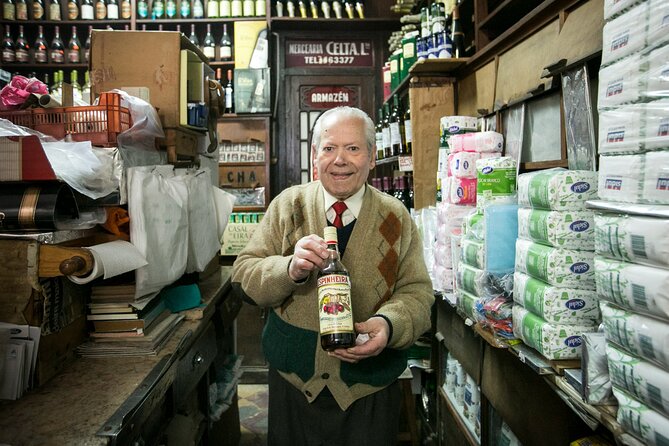
Lisbon tastes better with a local guide. This small-group walk links Portuguese food with exploration, trade, religion, and neighborhood life, giving you more than a parade of snacks. I especially like the maximum group size of seven and the way the tour reaches Campo de Ourique rather than staying in Lisbon’s busiest visitor zones. The main consideration is stamina: five and a half hours of walking, eating, drinking, and listening can feel long if you prefer a quick food crawl.
I also like the generous amount of food. Several stops may include coffee, wine, spirits, pastries, savory dishes, fish, meat, sweets, and local specialties, so you should arrive hungry. The other plus is the guides. Kika, Inês, Gisela, Laura, Celia, and others are praised for turning food into an easy lesson about Portugal’s past and present.
In This Review
- What makes this Lisbon food tour worth your time
- Starting beneath the trees at Jardim da Estrela
- Why the food carries Portugal’s story
- Campo de Ourique: the neighborhood heart of the route
- Jardim da Parada and the custard tart pause
- Igreja do Santo Condestável and modern Lisbon
- What you may eat and drink
- The guide makes or breaks the five and a half hours
- Price, pace, and practical value
- Who should book Lisbon Awakens
- Should you book it?
- FAQ
- How long does Lisbon Awakens last?
- Where does the tour start and finish?
- How many people can join the tour?
- Is the tour offered in English?
- Should I eat before the tour?
- What happens if I have an allergy or dietary restriction?
- Can I cancel for a full refund?
What makes this Lisbon food tour worth your time

- A small group of no more than seven: You get more room to ask questions, hear the guide, and discuss food without shouting across a crowd.
- A full meal built from many tastings: Past tours have included as many as eight stops, with enough food that breakfast is best kept light or skipped.
- Campo de Ourique beyond the usual circuit: The route explores a traditional Lisbon neighborhood with food shops, a local market, and family-run places.
- Food tied to global history: Portuguese spices, former colonies, ocean trade, religious traditions, and modern cooking all enter the conversation.
- A mix of sweet, savory, and drinks: Expect a broad introduction rather than a single specialty, with coffee, wine, spirits, pastries, and Portuguese dishes.
- A useful first-day orientation: The food, neighborhood tips, and cultural background can help shape the rest of your time in Lisbon.
Starting beneath the trees at Jardim da Estrela
The meeting point is at Jardim da Estrela, beside the park gate at Praça da Estrela. This is a pleasant place to begin, and it gives the tour a calmer opening than a meeting outside a crowded downtown attraction.
The walk begins with the setting itself. Jardim da Estrela is a 19th-century garden, and one of the tasting moments here is tied to the park’s tiles, trees, and relaxed local atmosphere. The route also includes the Basilica da Estrela, directly associated with the opening portion of the experience.
Arrive early if you want to look around before the group gathers. One useful suggestion is to visit the cathedral across from the park gate before the tour starts. Admission to the scheduled landmarks is free, but any optional visit before or after the walk should be treated as separate from the tour.
The opening hour at the Basilica da Estrela is not simply a photo stop. The guide uses churches, convent traditions, pastries, and spices to explain how food and faith have shaped Portuguese life. This is where the tour sets its tone: a sweet or savory bite is not treated as an isolated snack, but as a clue to a wider story.
Kika, also known as Francesca, has received especially warm praise for this part of the experience. Her background as a former teacher comes through in the way she explains complicated subjects in an approachable way. She is also described as attentive to individual needs, which matters when a small group has different tastes, ages, or questions.
A few more Lisbon options side by side
- Lisbon City Center Tour – The Unmissable Lisbon
★ 5.0 · 22,234 reviews - Lisbon: Sintra, Pena, Regaleira, Cabo da Roca & Cascais
★ 4.7 · 19,656 reviews - Lisbon: Jerónimos Monastery Entrance Ticket
★ 4.1 · 14,164 reviews
Why the food carries Portugal’s story
This tour works best when you see it as a walking history lesson with food attached. Portugal’s cooking reflects local customs, religious institutions, overseas contact, and the movement of spices and ingredients around the world.
You may hear about the connection between Portuguese exploration and today’s pantry. The tasting sequence can include foods influenced by former Portuguese territories, along with dishes that remain firmly tied to local habits. The point is not to claim that every dish has a single origin. Rather, you get a sense of how Lisbon absorbed outside influences and made them part of daily life.
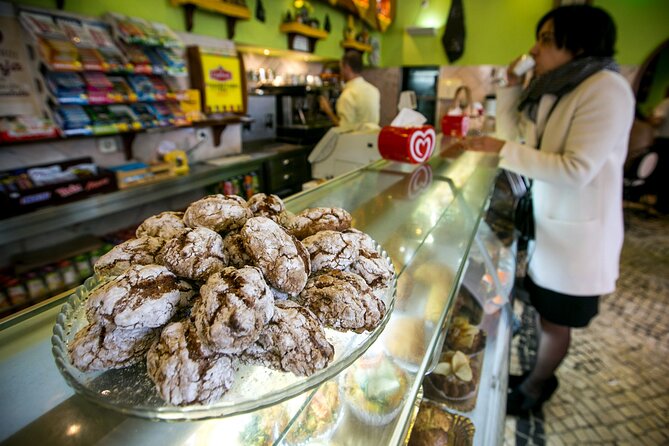
That context gives the meal more meaning. A cup of coffee is not just a caffeine stop. A pastry can open a discussion about convent baking. Wine, spirits, fish, meat, and spices become starting points for stories about trade, class, family customs, and changing tastes.
The guides are a major part of the value. Inês is praised for her grasp of Lisbon’s past and present, while Gisela is described as warm, funny, and especially good at connecting Portuguese food with the country’s wider story. Laura is also noted for bringing together history, people, food, and drinks in a natural conversation.
Guide assignments can change, so you should not book on the assumption that you will receive one particular person. Still, the range of praise for different guides suggests that the company’s strength is not limited to a single personality.
Campo de Ourique: the neighborhood heart of the route
The Mercado de Campo de Ourique is one of the most useful stops because it shows Lisbon as a place where people shop, eat, and socialize close to home. Campo de Ourique is known for traditional food shops, and its market provides a compact place to sample different tastes.
You may visit more than one stall or food business here. One account describes meeting Fred at the market and trying samples before buying snacks to take home. That detail captures the appeal of the stop: you are not only being handed a prepared bite, you are being introduced to people and places that help define the neighborhood.
The market portion lasts about 45 minutes, but it may feel longer or shorter depending on the group and the food schedule. The official timing for the landmarks does not add up to the full five and a half hours, because the tasting venues and walking time fill the rest of the day. You should expect the experience to move between set landmarks and food stops rather than follow a rigid attraction-to-attraction schedule.
Campo de Ourique also helps explain why this is not a standard central Lisbon food tour. You are not spending the whole time around the familiar postcard streets. The neighborhood setting makes it easier to notice ordinary shops, local routines, and the quieter side of Lisbon.
Jardim da Parada and the custard tart pause

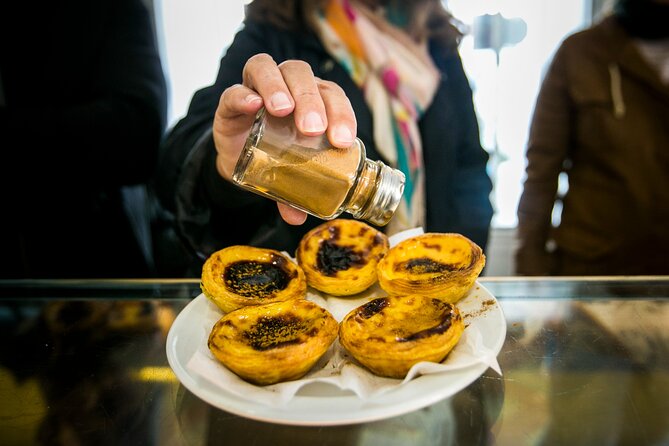
Jardim da Parada is another pause in Campo de Ourique. The listed visit lasts about 45 minutes and includes a chance to try custard tarts while looking at 19th-century tiles and the park’s trees.
Past participants strongly emphasize the importance of arriving hungry. The day may begin with coffee, banana bread, or another light breakfast-style bite, then move through pastries, savory foods, wine, and spirits. Custard tarts are only one piece of the eating plan, so a full breakfast can work against you.
This is also a pleasant point to slow down. The schedule includes time to sit, relax, and ask questions, rather than forcing you to eat while walking. That makes the tour easier for people who enjoy conversation as much as tasting.
Do not expect the custard tart stop alone to define the pastry experience. The larger point is to understand why sweets matter in Portuguese food culture and how convent and church traditions helped shape them. If you already know pastel de nata, the guide’s explanation may be more valuable than the pastry itself.
Same corner of the country, a different pace:
- Lisbon: History, Stories and Lifestyle Walking Tour
★ 4.8 · 10,902 reviews - Lisbon: Sunset Boat Party Cruise with DJ and Open Bar
★ 4.5 · 10,378 reviews - Lisbon: Pena Palace, Sintra, Cabo da Roca, & Cascais Daytrip
★ 4.7 · 9,981 reviews - Lisbon: Oceanário de Lisboa Entrance Ticket
★ 4.6 · 9,943 reviews
Igreja do Santo Condestável and modern Lisbon
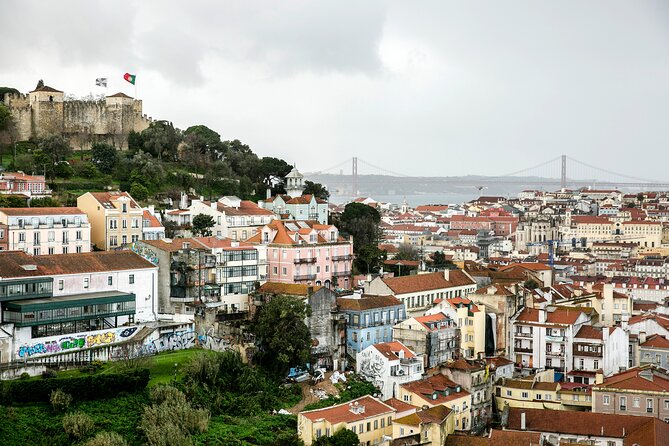
The visit to Igreja do Santo Condestável lasts about 25 minutes. It is a newer Gothic church in a neighborhood associated with artists and writers, adding a different note to the older religious and culinary stories introduced at the Basilica da Estrela.
This stop helps prevent the tour from presenting Lisbon as a city frozen in the past. You see how traditional food, old institutions, and newer cultural life exist side by side. The church is not a lengthy museum visit, so you should think of it as one chapter in the walk, not a major standalone attraction.
The neighborhood setting is important. By pairing food businesses with churches, markets, gardens, and local streets, the tour gives you a better sense of how Lisbon’s culinary life fits into the city itself. You are not simply moving from restaurant to restaurant.
What you may eat and drink
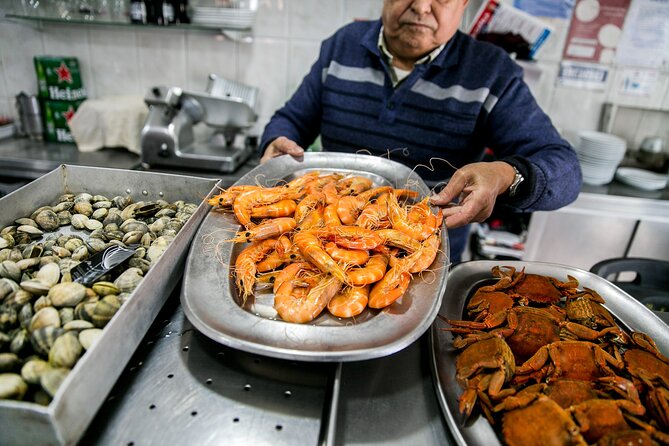
The exact menu is not supplied in advance, and the stops can vary. The food described across the experience includes traditional Portuguese dishes, coffee, wine, spirits, pastries, fish, meat, sweets, and snacks.
The balance is one of the tour’s best features. You may begin with something sweet, move into savory foods, and finish with coffee or another small treat. One account describes tasting everything from fish and meat to wine, coffee, and sweets, with the influence of former Portuguese colonies explained along the way.
You should treat the tastings as lunch, not as a few token samples. Several accounts advise skipping breakfast, and one describes no fewer than eight places before the meal was finished. That is useful practical information, especially if you are planning a large dinner later.
If you do not eat fish, there is some evidence that the guide may be able to help. One group received an additional plate so that everyone could enjoy the alternative dish together. Do not assume every substitution is guaranteed, but send your allergies and dietary restrictions when booking. The provider specifically asks for this information.
Drinks are part of the experience, but the tour should not be understood as a drinking tour. Coffee, wine, and spirits appear as parts of Portuguese food culture. If you do not drink alcohol, communicate your needs ahead of time so the guide can help you navigate the tastings.
The guide makes or breaks the five and a half hours
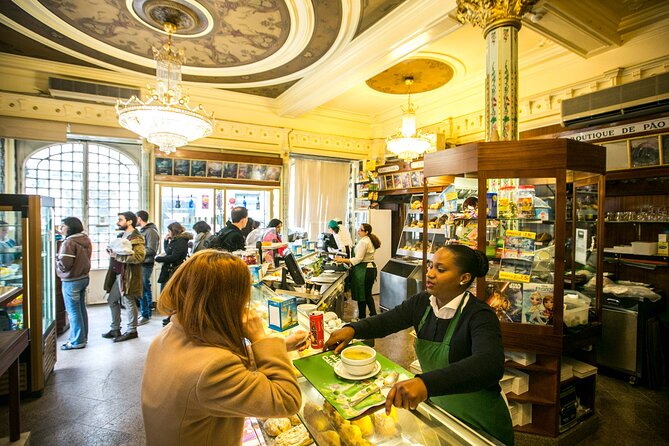
A food tour of this length needs a guide who can manage both appetite and attention. The strongest descriptions of this experience focus on storytelling, humor, kindness, and the ability to answer questions.
Kika is praised for making a large amount of information feel light and enjoyable. Inês is described as a native of Lisbon with strong local ties to the neighborhoods involved. Gisela is praised for her warmth, humor, and ability to make a group feel included. Laura receives similar credit for being a friendly conversationalist who connects food with Portuguese history.
Celia is noted for mixing popular places with less obvious stops while keeping the group comfortable and engaged. Other guides, including Lara and Martim, are also praised for creating a personal neighborhood experience.
The small group helps here. With a maximum of seven people, your questions are less likely to disappear into the crowd. You can also expect a more flexible social feel than on a large coach-based food excursion.
Still, guide style is personal. Some people want a fast-moving list of tastings. This tour is better for you if you enjoy stories, questions, and pauses between bites.
Price, pace, and practical value
At $150 per person, this is not a bargain snack crawl. It becomes more reasonable when you account for approximately five and a half hours, the small group, the volume of food, drinks, and the guide’s cultural interpretation.
You are paying for access to a route and local context that would be difficult to reproduce on your own in one morning. You could spend less by visiting a market and ordering pastries independently, but you would likely miss the connections between Campo de Ourique, religious traditions, Portuguese ingredients, and the country’s overseas influence.
The tour is booked an average of 36 days ahead, which suggests that you should plan early if your Lisbon dates are fixed. Confirmation arrives at booking, mobile tickets are accepted, and the meeting point is near public transportation.
The walk is described as easy by one person with bad knees, but it still lasts much of a day and includes standing, walking, eating, and moving between stops. If you have mobility concerns, contact the provider before booking rather than relying only on the general statement that most people can participate.
The experience is offered in English. It ends back at the meeting point, which makes planning the rest of your day simpler.
Free cancellation is available up to 24 hours before the start time. Cancellations or changes inside that window are not refunded or accepted. Poor weather or failure to reach the minimum group size can lead to a different date or a full refund.
Who should book Lisbon Awakens
I would put this near the beginning of your Lisbon stay. You get food ideas for later meals, neighborhood knowledge, and a working sense of how Portuguese cuisine fits together. One person called it a particularly good first day in Portugal, and that advice makes sense.
This tour suits you if:
- You want food, history, and culture in one experience.
- You prefer a small group to a large organized outing.
- You enjoy trying many foods rather than ordering one long restaurant meal.
- You want to see Campo de Ourique and local businesses.
- You appreciate guides who explain context and answer questions.
- You are comfortable spending five and a half hours on a walking food experience.
It may not suit you if you want a short tasting session, a fixed published menu, or a tour focused only on famous central Lisbon sights. The route is designed around conversation and discovery, not speed.
The rating is 5 out of 5 from 748 published ratings, with 99 percent recommending it. One poor rating concerns a refund request after a serious medical injury, so the cancellation rule deserves attention if your plans may change suddenly.
Should you book it?
Yes, if you want your Lisbon food tour to explain more than what is on the plate. The strongest reason to book is the combination of generous tastings and clear cultural context. You can eat pastries, market food, fish, meat, sweets, coffee, wine, and spirits while learning why those foods belong to Portugal’s story.
Book early, send dietary information, wear comfortable shoes, and skip the big breakfast. Most of all, leave room for conversation. This is a good choice for a first or second day in Lisbon, when the guide’s suggestions can improve the rest of your stay.
FAQ
How long does Lisbon Awakens last?
The experience lasts approximately five hours and 30 minutes.
Where does the tour start and finish?
It starts at Jardim da Estrela, Praça da Estrela, 1200-667 Lisboa, Portugal, and ends back at the meeting point.
How many people can join the tour?
The maximum group size is seven people.
Is the tour offered in English?
Yes. The experience is offered in English.
Should I eat before the tour?
You should avoid a large breakfast. The tour includes many tastings and may visit as many as eight food stops, adding up to a generous meal.
What happens if I have an allergy or dietary restriction?
You should send your allergies or dietary restrictions to the provider when booking so they can review your needs.
Can I cancel for a full refund?
Yes, if you cancel at least 24 hours before the experience start time. Cancellations or changes made less than 24 hours before the start time are not refunded or accepted.
Recently added in Lisbon
- Lisbon Cinematic Photoshoot with Top-Rated Photographer★ 5.0 · 76 reviews
- City Centre Run in Lisbon★ 5.0 · 164 reviews
- City of Neighborhoods Tour 1H 30M Private Tour by Tuk Tuk★ 5.0 · 38 reviews
- Central Lisbon E-Bike Tour★ 5.0 · 168 reviews
- Hands on Portuguese Cooking Class in Lisbon★ 5.0 · 136 reviews
- Lisbon Sailing Catamaran Public Cruise with drinks★ 5.0 · 304 reviews
- Lisbon City Tour by Tuk Tuk★ 4.5 · 137 reviews
- Romantic Private Sailboat in Lisbon for couples★ 5.0 · 38 reviews
Lisbon Tours, compared.
Lisbon City Center Tour – The Unmissable Lisbon
Read our review →


Sunset Boat Party Cruise with DJ and Open Bar
Read our review →
Pena Palace, Sintra, Cabo da Roca, & Cascais Daytrip
Read our review →
True 4Hour Private Tuk Tuk Tour: Discover Lisbon with a Local!
Read our review →