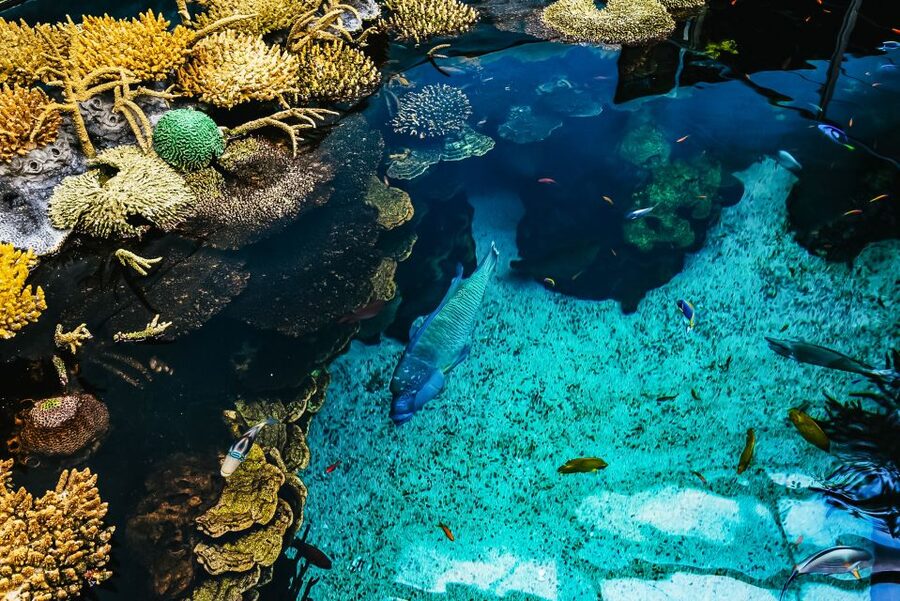
REVIEW · TICKETS
Lisbon: Oceanário de Lisboa Entrance Ticket
Start with the giant central tank. Lisbon’s Oceanário is more than a rainy-day backup: it gives you sharks, rays, penguins, sea otters, coral reefs, and thousands of other sea creatures in one thoughtfully planned visit. I especially like the four ocean habitats and the calm viewing areas around the main tank. The biggest consideration is distance from Lisbon’s historic center, plus the fact that popular times can bring queues and crowded viewing spots.
A standard $29 ticket covers one day of entry and access to both the permanent and temporary exhibitions. I also like that the building works for a wide age range, from young children to adults who simply want a quiet place to watch marine life move. If you have only a few hours in Lisbon and are not especially interested in aquariums, the trip across town may not be your best use of time.
In This Review
- Key Points at a Glance
- What the $29 Oceanário Ticket Includes
- Reaching the Oceanário at Parque das Nações
- First Look Inside: A Building Designed Around Water
- The Central Tank Deserves Your Time
- Four Habitats, Four Different Moods
- Sea Otters, Penguins, and the Animals Children Remember
- The Forests Underwater Exhibition
- Should You Add a Guided Tour?
- How Crowds Affect the Visit
- Is the Oceanário Good for Children?
- Access, Opening Hours, and Practical Details
- Who Will Get the Most From This Visit?
- Should You Book the Lisbon Oceanário Ticket?
- FAQ
- How much does the Oceanário de Lisboa entrance ticket cost?
- How long is the ticket valid?
- Is a guided tour included?
- How do I reach the Oceanário by metro?
- Is the Oceanário wheelchair accessible?
- Are food, drinks, and souvenirs included?
Key Points at a Glance

- The central aquarium is the main event: Multiple levels and viewing points let you watch sharks, rays, schools of fish, and other animals from different angles.
- Four ocean regions share one central tank: The North Atlantic, Antarctic, Temperate Pacific, and Tropical Indian Ocean are presented as separate habitats around a single mass of water.
- Sea otters are a major hit: The Oceanário is home to the only two existing sea otters in Europe, and feeding time can be especially entertaining.
- A strong family choice: Children can see animals up close, learn their names, and move through exhibits that also hold the attention of adults.
- Public transport is easy: Take Lisbon’s red metro line to Oriente, the final stop, then continue to the waterfront aquarium.
- Guided tours cost extra: A guide can add much more context, but tours must be booked ahead and are not included with the basic ticket.
What the $29 Oceanário Ticket Includes

Your ticket gives you access for one day, with entry to all permanent and temporary exhibitions. It does not include a guide, food, drinks, or souvenirs.
At $29 per person, this is not a quick, bargain-priced attraction. The value depends on how much time you give it. If you spend only 45 minutes looking at the central tank, the price may feel high. If you allow two to four hours and take time with the smaller exhibits, the ticket makes more sense.
One visitor spent about three and a half hours inside, mainly watching the main tank. That is a good guide for planning. The Oceanário is not enormous in the way some city museums are, but it is carefully laid out, and the main aquarium rewards slow looking.
The ticket is especially useful for families, aquarium fans, and anyone needing an indoor plan on a hot or rainy day. It also gives you a reliable break from Lisbon’s steep streets and strong summer sun. On the other hand, if your Lisbon schedule is already packed with Alfama, Belém, museums, and viewpoints, you need to decide if marine life is high enough on your list to justify the journey.
A few more Lisbon options side by side
- Lisbon City Center Tour – The Unmissable Lisbon
★ 5.0 · 22,234 reviews - Lisbon: Sintra, Pena, Regaleira, Cabo da Roca & Cascais
★ 4.7 · 19,656 reviews - Lisbon: Jerónimos Monastery Entrance Ticket
★ 4.1 · 14,164 reviews
Reaching the Oceanário at Parque das Nações
The Oceanário sits on the waterfront at Parque das Nações, the modern district developed around Expo 98. This is separate from the old center, but transport is straightforward.
The easiest route from central Lisbon is usually the red metro line to Oriente. Oriente is the last stop, and the station is served by several bus routes as well as trains. The aquarium is also reachable by bus, train, boat, car, and hop-on hop-off bus services.
Bus routes serving Oriente include 5, 10, 19, 21, 28, 50, 68, 81, 82, and 85. Once you reach the area, you continue toward the waterfront and the Oceanário building.
I like this location because you can pair the aquarium with a walk around Parque das Nações. The modern waterfront gives you a very different view of Lisbon from the tiled streets and old neighborhoods in the center. Still, allow extra time for transport. One of the practical drawbacks is that you cannot simply stroll over from the main historic sights.
The GPS location is N 38º 45′ 48.61” W 9º 5′ 37.62”. Daily opening hours are 10:00 AM to 8:00 PM, with final entry at 7:00 PM.
First Look Inside: A Building Designed Around Water

The Oceanário opened in 1998 and has welcomed visitors from 182 countries. Its main design idea is simple but effective: four bodies of water seem to meet around one huge central aquarium.
The four regions represent the North Atlantic, Antarctic, Temperate Pacific, and Tropical Indian Ocean. Acrylic panels separate the habitats while keeping the central tank visually dominant. From several viewpoints, the creatures appear to move through one enormous body of salt water.
That design gives the visit a clear structure. Instead of walking through a random line of tanks, you begin to understand how different ocean environments support different forms of life. The exhibits also connect individual animals to wider questions about the health and complexity of the seas.
You will find information panels throughout the building. They help you identify species and explain the habitats. Families can move at a child’s pace, while adults can stop to read more about conservation and marine ecosystems.
The Central Tank Deserves Your Time

The giant central aquarium is the reason to come. It is visible from several levels, so you can watch the same scene change as you move around the building.
Sharks and rays are the stars for many people. Their slow movement is strangely calming, especially when you find a bench or quiet spot and simply watch. Schools of fish create motion across the tank, while larger animals pass through the viewing area at their own pace.
You might be tempted to hurry through the first central view, assuming you will see everything later. Resist that impulse. Different angles reveal different animals, and the scale of the tank becomes clearer from each level.
The aquarium has enough viewing points that you can often find a place to pause, though this is harder during busy periods. Some visitors report difficulty taking photographs when crowds gather around the glass. Your best approach is to look first and photograph later, especially if you arrive at a popular time.
For children, the central aquarium provides an easy focus. They can point out sharks and rays without needing to understand every information panel. For adults, the pleasure comes from watching a large, living system rather than a series of isolated fish tanks.
Same corner of the country, a different pace:
- Lisbon: History, Stories and Lifestyle Walking Tour
★ 4.8 · 10,902 reviews - Lisbon: Sunset Boat Party Cruise with DJ and Open Bar
★ 4.5 · 10,378 reviews - Lisbon: Pena Palace, Sintra, Cabo da Roca, & Cascais Daytrip
★ 4.7 · 9,981 reviews - True 4Hour Private Tuk Tuk Tour: Discover Lisbon with a Local!
★ 5.0 · 8,008 reviews
Four Habitats, Four Different Moods

The North Atlantic section introduces colder ocean conditions and the species that depend on them. The Antarctic area brings a different feel, with cold-water life and penguins among the animals to look for.
The Temperate Pacific and Tropical Indian Ocean displays provide more varied color and habitat. Coral reefs and tropical fish bring visual energy, while the larger central tank keeps the whole visit connected.
The exact pace depends on you. If you read every panel, stop at each viewing area, and wait for animals to appear, you can spend several hours inside. If you move quickly, you may finish much sooner.
One of the best details is the change in mood between spaces. Some areas feel lively, with children reacting to animals and fish moving in groups. Other sections are quiet and almost meditative. The Oceanário works well for both kinds of visit.
Sea Otters, Penguins, and the Animals Children Remember

The sea otters are among the most popular residents. The aquarium has the only two existing sea otters in Europe, making them a special reason to visit. They are playful, active, and often provide the kind of comic relief that keeps children interested when an educational panel does not.
If you want to see feeding time, check the schedule online before you go. Timing your visit around an animal feeding can make the experience more memorable. The otter feeding is particularly worth planning for, based on the excitement these animals create.
Penguins are another family favorite. You will see them as part of the cold-water exhibits, though this is an observation experience rather than an animal-contact activity. One child-focused complaint was a wish to get closer to the penguins, but the Oceanário is designed for respectful viewing, not petting or handling.
You can also expect a wide mix of fish, rays, sharks, and less familiar species. Several families have found that children enjoy learning the names of the animals as they go. That gives the visit a useful rhythm: look, identify, read, and move on.
The Forests Underwater Exhibition
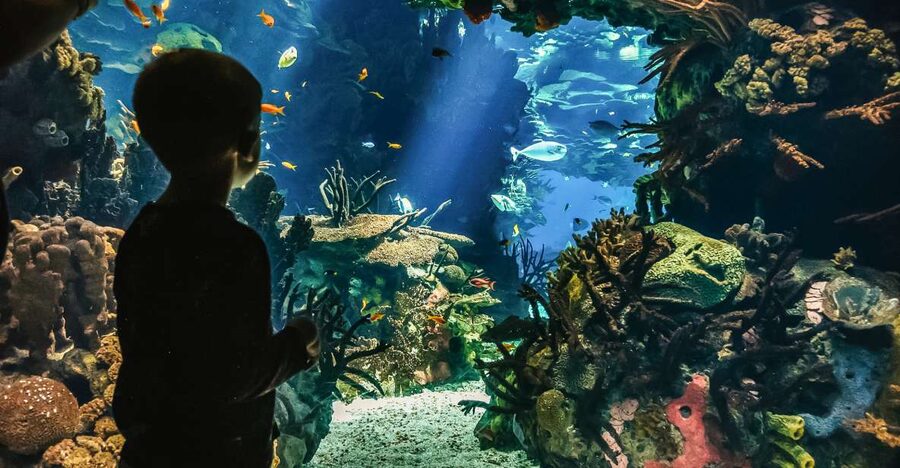
The temporary exhibitions can change, so you should check what is showing when you book. One particularly praised presentation is Forests Underwater, which focuses on underwater plant life and the role of aquatic forests.
This section is quieter and more reflective than the central tank. It gives you a chance to slow down and think about the sea as a living habitat, not just a place filled with colorful animals.
Take time to read the background information about the exhibition and its architect. That extra context adds meaning to the design. It also helps explain why underwater plant environments matter to the wider ocean system.
Because temporary displays are included in the entrance ticket, they add value when a strong exhibition is running. Just remember that the exact temporary content may not remain the same throughout the year.
Should You Add a Guided Tour?

A guided tour is not part of the $29 entrance ticket. Tours are available at extra cost in Portuguese, Spanish, and English, and you must pre-book.
For many people, the guide is worth the additional expense. A good guide can explain animal behavior, point out species you might otherwise miss, and answer questions as you move through the exhibits. The guides Sophia, Bruno, Katie, and Silvia received especially warm praise for making the visit more lively and useful.
One guide was a marine biologist who brought props and used them to explain the animals. Another guide worked at the aquarium and added facts about the creatures on display. A small group tour of seven people was described as particularly enjoyable because the guide could keep the experience personal.
The tour length can vary. One guided visit lasted nearly an hour and a half. That is enough time to add context without taking over your whole day.
I would recommend the guided option if you enjoy natural science, are visiting with curious children, or want to understand the conservation work behind the exhibits. I would skip it if you prefer to set your own pace, linger at the central tank, or keep costs down.
How Crowds Affect the Visit
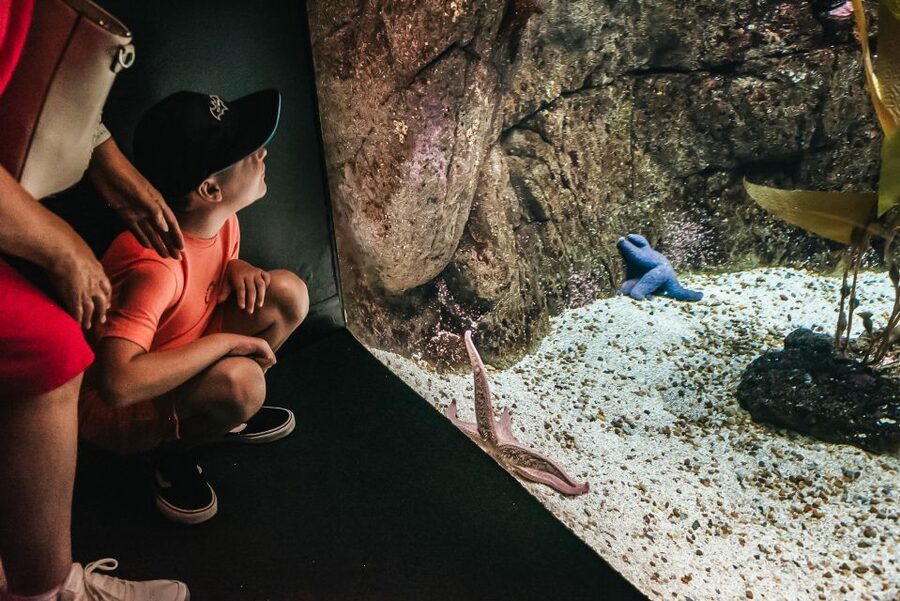
The Oceanário can be peaceful, but it is not always quiet or empty. School groups and busy holiday periods can fill the main viewing areas. At peak times, you may need to wait for a clear view, and taking photographs can be difficult.
Early arrival is a sensible choice. One family went first thing and entered a little ahead of the expected time. Going near opening can also help you see the central tank before the largest groups arrive.
Late afternoon may work well for people who prefer a calmer visit. One regular suggestion is to arrive a few hours before closing, giving yourself enough time to see the main exhibits without rushing. Since last entry is at 7:00 PM, do not arrive too late.
The building is large enough that crowds do not always feel overwhelming. Even on a busy day, some areas may offer room to pause. Still, if you want unobstructed views of the main tank, choose your timing carefully.
Is the Oceanário Good for Children?
Yes, especially for children who already like animals. The displays are visual, the main tank is immediately engaging, and there are enough smaller exhibits to keep the visit moving.
The age range is unusually broad. A three-year-old may focus on the otters and penguins, while an older child can read about species, habitats, and ocean protection. Adults do not need to treat the visit as a children’s attraction either. The central aquarium is impressive on its own.
The Oceanário also offers educational activities for schools, families, and organized groups. These must be booked in advance. A standard visit is self-guided unless you arrange a tour.
You should plan for breaks. There are benches and places to sit near viewing areas, which makes it easier for families to avoid rushing. Food and drinks are available for purchase, though they are not included in the ticket.
Access, Opening Hours, and Practical Details
The building has ramps and elevators throughout, following European accessibility requirements. The experience is wheelchair accessible, which is important for anyone planning a full visit around multiple levels.
Opening hours are daily from 10:00 AM to 8:00 PM. Last entry is at 7:00 PM. Since this ticket is valid for one day, check availability for the time you want before booking.
The activity is non-refundable, so make sure the date works with your Lisbon plans. Guided tours and educational programs require separate advance arrangements.
There is no guided tour included with the basic entry. You can buy food, drinks, and souvenirs inside, but these are additional expenses. If you are watching your budget, set aside the ticket price and decide in advance if you want the extras.
Who Will Get the Most From This Visit?
I would put the Oceanário high on your list if you fit one of these categories:
- You are traveling with children who love animals.
- You want an indoor activity during hot or rainy weather.
- You enjoy aquariums and can spend at least two hours looking carefully.
- You are interested in marine conservation and habitat design.
- You want a modern contrast to Lisbon’s older neighborhoods.
- You have a free half-day near Parque das Nações.
I would be more hesitant if you have only a few hours in Lisbon and are mainly interested in historic sights. The aquarium is easy to reach, but it still takes time to get to and from the center.
Should You Book the Lisbon Oceanário Ticket?
Book it if sharks, rays, otters, penguins, and ocean habitats sound like a good use of your Lisbon time. The central aquarium is genuinely impressive, and the visit works for children, adults, and mixed-age groups.
For the best value, arrive early or in the late afternoon, check feeding times, and allow two to four hours. Add the guided tour if you want stronger scientific context or are visiting with children who ask endless questions. Choose the basic ticket if you prefer freedom and a lower total cost.
Skip it if your schedule is very tight or if aquariums do not interest you. For everyone else, the Oceanário offers a calm, well-planned break from Lisbon’s busy streets, with enough substance to justify the trip across town.
FAQ
How much does the Oceanário de Lisboa entrance ticket cost?
The listed price is $29 per person. It includes one day of entry and access to all permanent and temporary exhibitions.
How long is the ticket valid?
The ticket is valid for one day. Opening hours are daily from 10:00 AM to 8:00 PM, with last entry at 7:00 PM.
Is a guided tour included?
No. Guided tours cost extra and must be pre-booked. They are available in Portuguese, Spanish, and English.
How do I reach the Oceanário by metro?
Take Lisbon’s red metro line to Oriente, which is the final stop. The Oceanário is located near the Oriente station in Parque das Nações.
Is the Oceanário wheelchair accessible?
Yes. Ramps and elevators are available throughout the building, and the aquarium is wheelchair accessible.
Are food, drinks, and souvenirs included?
No. Food, drinks, and souvenirs are available for purchase but are not included in the entrance ticket.
Recently added in Lisbon
- Lisbon Cinematic Photoshoot with Top-Rated Photographer★ 5.0 · 76 reviews
- City Centre Run in Lisbon★ 5.0 · 164 reviews
- City of Neighborhoods Tour 1H 30M Private Tour by Tuk Tuk★ 5.0 · 38 reviews
- Central Lisbon E-Bike Tour★ 5.0 · 168 reviews
- Hands on Portuguese Cooking Class in Lisbon★ 5.0 · 136 reviews
- Lisbon Sailing Catamaran Public Cruise with drinks★ 5.0 · 304 reviews
- Lisbon City Tour by Tuk Tuk★ 4.5 · 137 reviews
- Romantic Private Sailboat in Lisbon for couples★ 5.0 · 38 reviews
Tickets, compared.





Quinta da Regaleira Skip-the-Ticket-Line Entry & Audioguide
Read our review →
Luz Stadium Tour & SL Benfica Museum Ticket w/Scarf
Read our review →