
REVIEW · MUSEUMS
FC Porto: Museum & Tour
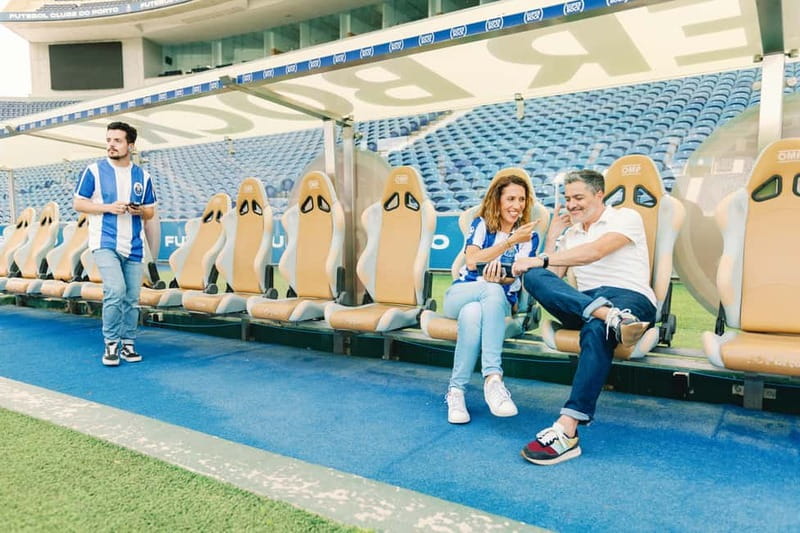
Football tells Porto’s story here. The FC Porto Museum turns club history into a lively, hands-on visit across 27 themed areas, while the stadium puts you beside the pitch, in the presidential box, and near the team benches. I especially like the huge collection of international trophies and the way the museum connects FC Porto with the city of Porto. The main caution is that the stadium visit is not always guided, and parts of the experience can change on match days or during major events.
At $23 per person, this is a strong-value outing for football fans and a surprisingly good choice for families. I also like the freedom to move through the museum at your own pace. You should allow about two hours, though the museum alone can fill that time if you read everything and try the interactive displays.
In This Review
- Key things to know before visiting
- Arriving at Estádio do Dragão
- The FC Porto Museum: 27 areas of club history
- Trophies, videos, and the connection with Porto
- Inside Dragão Stadium: pitch, benches, and the presidential box
- A stadium with a musical and sporting past
- How to plan your two hours
- What the $23 price gets you
- Who will enjoy FC Porto most?
- Practical details that affect your visit
- Should you book the FC Porto Museum and Tour?
- FAQ
- Where is the FC Porto Museum and Tour?
- Which metro lines reach Estádio do Dragão?
- How long does the experience last?
- What does the standard ticket include?
- Is a guided tour included?
- Are audio guides available in English?
- Can children enter for free?
- Can I visit the stadium on a match day?
- Is the experience wheelchair accessible?
Key things to know before visiting

- The Champions League trophies are the star attraction: FC Porto’s international successes get plenty of space, with major silverware presented as part of the club’s story.
- The museum covers 27 themed areas: Expect videos, displays, memorabilia, and interactive features rather than a simple cabinet of old shirts.
- The Dragão Stadium visit reaches the pitch: You can see the field, FC Porto’s bench, the presidential box, media areas, and the visiting team’s changing room.
- The museum and stadium follow different rhythms: The museum is self-guided and flexible, while the stadium visit may run for roughly 45 to 60 minutes.
- Audio support costs extra: Audio guides or the FC Porto Museum & Tour App are available in Portuguese, English, French, Spanish, German, and Italian, but they are not included.
- Match days can change the plan: Stadium access is not available on match days, UEFA match-day evenings, or during major pitch events.
Arriving at Estádio do Dragão

Getting to FC Porto’s home ground is simple. The meeting point is the FC Porto Museum at Via Futebol Clube do Porto, directly in front of Estádio do Dragão Metro Station. Metro lines A, B, and F serve the station, so you do not need to arrange a complicated cross-town journey.
That easy arrival matters because the entrance process has one small detail worth knowing. Your voucher must be exchanged at the museum reception for the tickets used for the museum and stadium. An electronic voucher alone does not necessarily take you straight through the entrance, so arrive with enough time to complete that exchange.
The museum and stadium are in the same complex, and the activity ends back at the starting point. You can plan this as a focused two-hour stop, or give yourself extra time if you enjoy reading displays and trying the interactive sections.
The experience is wheelchair accessible. Children up to age four enter free, which helps families keep the cost down.
More museum visits in Porto:
- Porto: Cálem Cellar Tour, Interactive Museum & Wine Tasting
★ 4.5 · 4,113 reviews - Porto: Entry Ticket at WOW – The Wine Experience Museum
★ 4.7 · 356 reviews - Porto: 3D Fun Art Museum Porto Entry Ticket
★ 4.6 · 302 reviews
The FC Porto Museum: 27 areas of club history
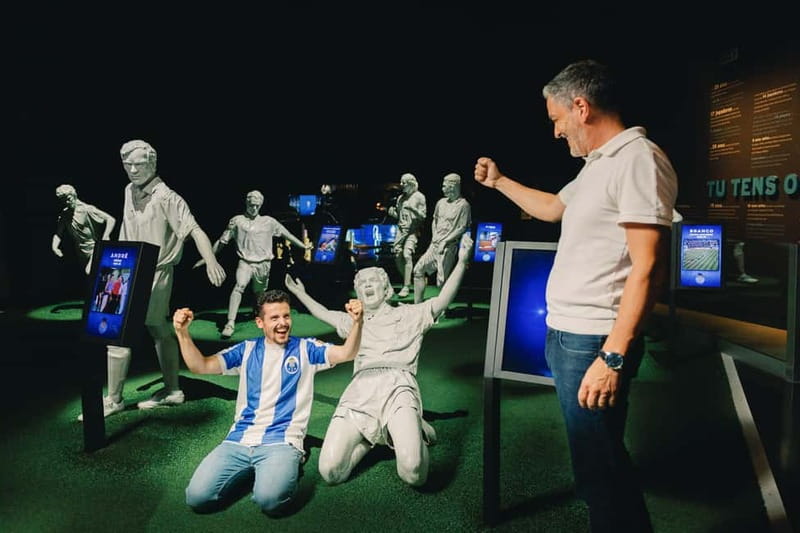
The museum is the heart of the visit. Spread across 27 thematic areas, it presents FC Porto through trophies, films, objects, images, and interactive technology. You are not simply walking past rows of silverware. The layout aims to show how the club grew, what it has won, and how closely it is tied to Porto itself.
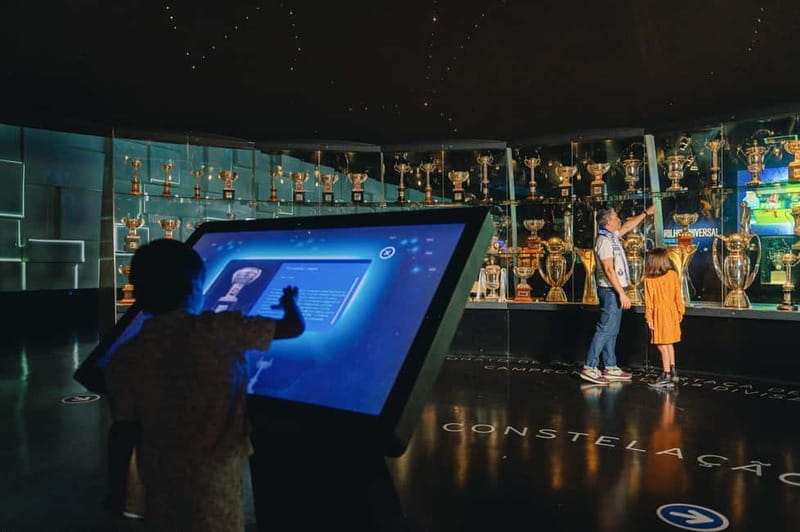
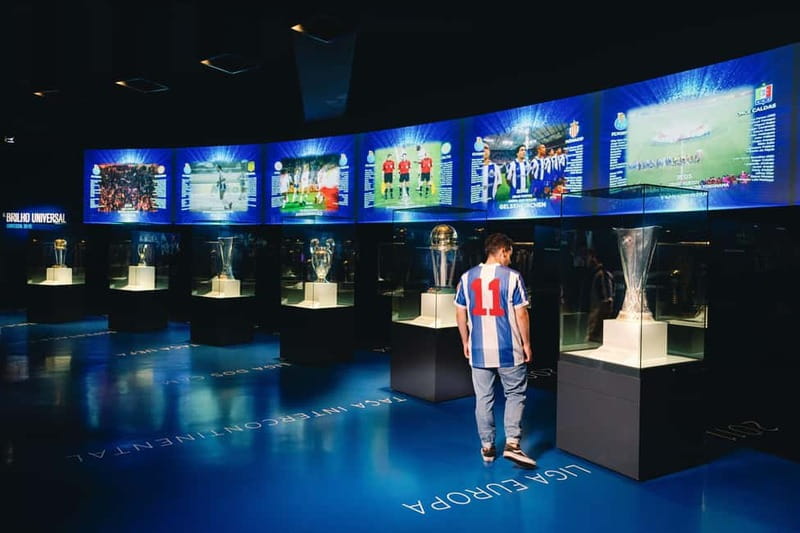
The strongest part is the club’s collection of international titles, including the UEFA Champions League trophies. These give the museum real weight. FC Porto is not presented only as a local football team, but as a Portuguese club with a major record beyond the country’s borders.
I would not rush this section. Some people complete the museum before the stadium visit, but that can make the museum feel hurried if the stadium departure time is close. If your schedule allows, visiting the museum after the stadium route gives you more freedom to read the panels and return to displays you passed quickly.
The museum works well for children because it uses video and interactive elements rather than relying entirely on printed text. Young visitors who do not follow football closely can still enjoy the visual displays and technology. Adults get the fuller story, including the club’s connection with Porto and its place in Portuguese football.
Most written information is presented in both Portuguese and English. That makes the museum easier to follow without an audio device. Still, the amount of material can feel large, particularly if you want to stop at every screen and display.
Trophies, videos, and the connection with Porto
The collection of trophies provides the obvious photo stops, but the museum’s better quality is the way it adds context. FC Porto’s successes are arranged as part of a wider club story, rather than presented as disconnected wins.
The museum also helps explain why FC Porto matters so much in the city. The club is not just housed in Porto. Its identity is closely linked to the city and its supporters. That local connection gives the visit more meaning than a quick look at a famous stadium.
The interactive features are useful when you want a break from reading. Videos and digital displays bring past moments to life, though the museum can be noisy. One visitor found the background music too loud to hear the audio clearly. If you rent an audio guide, bring patience and choose a quieter position when possible.
Audio guides are available in six languages: Portuguese, English, French, Spanish, German, and Italian. They are not included in the ticket price, so budget for the extra charge if you prefer spoken commentary. The museum can still be understood without one because of the bilingual written information and visual displays.
Inside Dragão Stadium: pitch, benches, and the presidential box
The stadium visit adds the sense of scale that a museum cannot provide. Designed by architect Manuel Salgado, Dragão was named European Project of the Year in 2003 and received recognition for environmental management. It opened in time to host UEFA Euro 2004, and later welcomed the 2019 UEFA Nations League and the 2021 UEFA Champions League final.
The route takes you into areas that football fans usually see only on television. The pitch-side view is the main reward. You can stand near the grass, look up at the seating bowl, and see the FC Porto bench from close range.
The presidential box offers a different perspective. From there, you see how the stadium is arranged for major matches and official events. The media room adds another useful angle, showing the working side of match day rather than only the spectacle.
You can also visit the visiting team’s changing room. This is an important detail because the home dressing room is not always included. If you have taken stadium tours elsewhere, do not assume you will see every room associated with FC Porto’s players.
The stadium route often takes about 45 minutes to an hour, although the exact length and movement through the spaces can vary. Some tours have had friendly staff who helped with photos and explained the areas well. The official information describes the stadium visit as not guided, so you should expect the FC Porto Museum & Tour App or a rented audio guide to provide the main commentary unless staff are accompanying your particular visit.
The tour can still work well without a live guide. You have time for photographs, and the spaces themselves do much of the explaining. If you want detailed football analysis or a long talk about tactics, architecture, or individual players, this may feel light.
A few more Porto options side by side
- The Unvanquished Tour in Porto City Center
★ 5.0 · 26,497 reviews - From Porto: Douro Valley w/ Boat Tour, Wine Tasting & Lunch
★ 4.7 · 19,061 reviews - Complete Douro Valley Wine Tour with Lunch, Wine Tastings and River Cruise
★ 5.0 · 12,920 reviews - Porto: Six Bridges Cruise
★ 4.2 · 11,680 reviews
A stadium with a musical and sporting past
Dragão is more than a football venue. It has hosted major international matches and concerts by the Rolling Stones, Coldplay, Muse, and One Direction. That gives the building a wider place in Porto’s event history.
For a football fan, the UEFA connections are the key point. Knowing that the stadium has hosted Euro 2004, the 2019 Nations League, and a Champions League final makes the pitch-side view feel more significant. You are looking at a venue used for important European football, not only FC Porto’s regular home fixtures.
The stadium’s modern design also makes the route appealing to people who are not committed football followers. A family can enjoy the scale, the views, and the behind-the-scenes spaces even if only one person knows the club’s full story.
How to plan your two hours
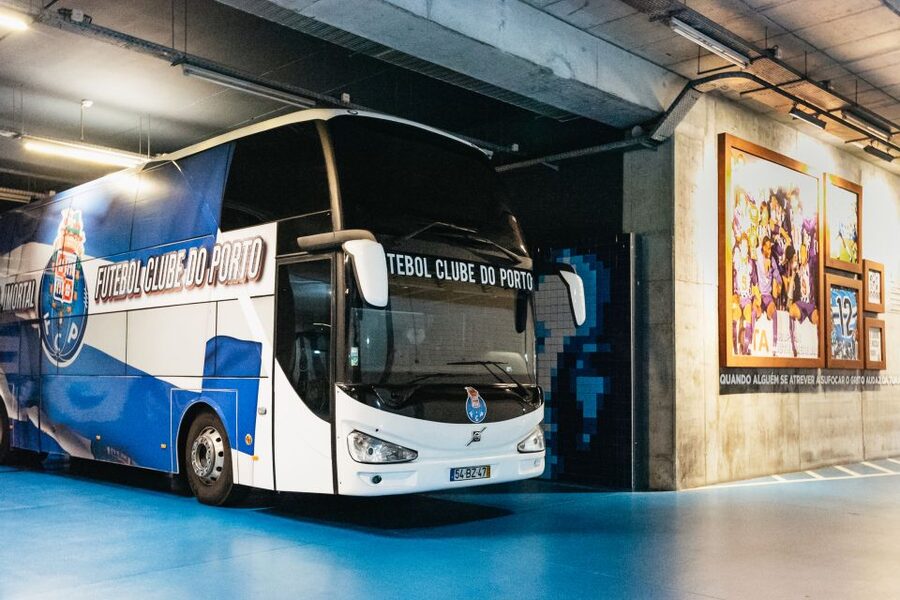
The best plan depends on your start time and how much you like reading.
If you have a set stadium departure time, begin with the museum. Give yourself at least an hour before the stadium route so you can see the main trophy displays and understand the basic club story. You can return to the museum afterward if the opening hours and ticket conditions allow.
If you arrive well before the stadium visit, that is an advantage. One practical approach is to arrive an hour early, exchange your voucher, and use that first hour in the museum. This avoids trying to squeeze the museum into the gap after the stadium route.
If you care more about the museum than the stadium, give yourself extra time beyond the advertised two hours. The museum is large, and a quick walk will not show everything. On the other hand, if you mainly want photographs from the pitch and the presidential box, two hours should be ample.
Museum visits are conducted freely during opening hours, with no stated internal restrictions on how you move through the displays. Stadium access is more controlled because of capacity and event schedules. Stadium tours can be subject to maximum occupancy, cancellation, or changes without prior notice.
Rain does not ruin the day. Much of the experience takes place indoors, and the museum makes a useful wet-weather stop. You may still spend time outside or near the pitch, so dress for the conditions.
What the $23 price gets you
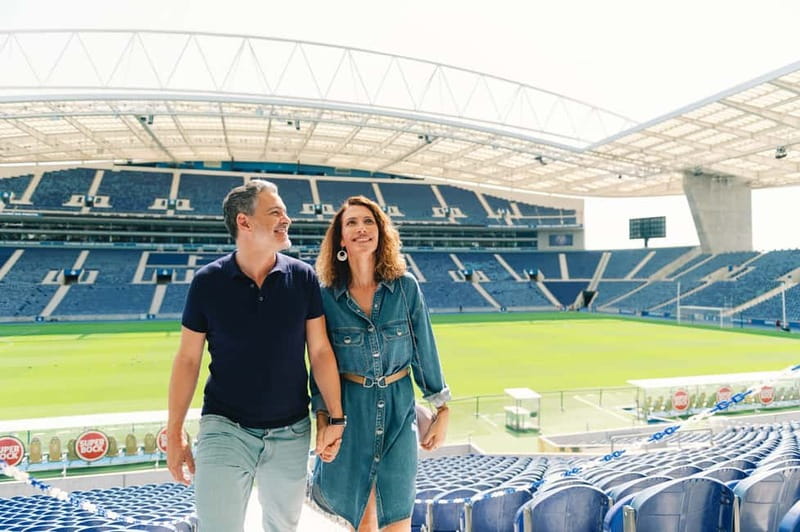
At $23, the combined ticket offers good value. The museum alone can occupy close to two hours for someone who reads the information and uses the displays, while the stadium adds a second kind of experience for no separate admission.
The value is strongest for families and football fans. Several people can share the visit across different interests: one person can focus on trophies, another on architecture, and children can spend time with the interactive features. The free entry for children up to age four helps, too.
The price does not include an audio guide, guided commentary, football match tickets, or access to other events at the complex. That is worth keeping clear when comparing ticket options. If you want a guide in your own language, the extra cost is separate.
The lower-priced Museum Tour Only option is designed for days when the stadium cannot be visited, such as match days, UEFA match-day eves, event days, or periods of stadium maintenance. It includes only the museum and does not add stadium access. Check the option carefully before paying, since a museum-only ticket is not the same experience.
Who will enjoy FC Porto most?
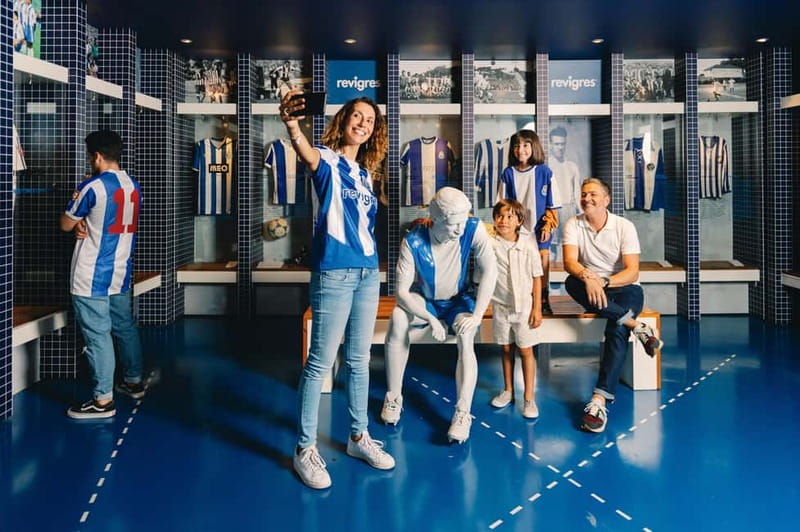
You should book this if you follow football, collect stadium visits, or want to understand FC Porto’s importance in the city. The trophy displays and pitch access give serious fans plenty to enjoy.
It is also a good pick for families. Children can move between videos, interactive screens, and large visual displays, while adults get the club story and stadium architecture. You do not need to know football well to find the building and museum interesting.
The experience suits solo visitors and groups equally well because the museum is flexible. You can read at your own speed instead of waiting for a full group to move from one display to the next.
You may want to skip it if you dislike sports museums, have very little time in Porto, or expect a long, fully guided stadium presentation. The stadium portion can be fairly quick, and the standard format is largely self-guided. The audio can also be harder to hear when the museum music is loud.
Practical details that affect your visit
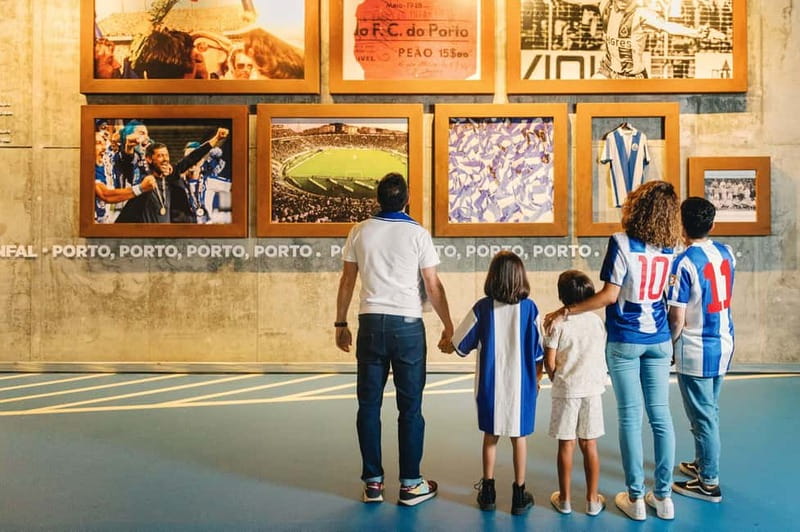
Book a time that gives you room before the stadium route, rather than arriving at the last minute. The voucher exchange at reception is easy, but it is still a step you need to complete.
Check the calendar carefully if your Porto visit falls near a home match, UEFA fixture, concert, or another major event. Stadium tours are not available on match days or UEFA match-day evenings, and access can change during major events on the pitch.
The FC Porto Museum & Tour App and audio guides support Portuguese, English, French, Spanish, German, and Italian. Since neither the guided tour nor audio guide is included, decide in advance how much commentary you want.
The activity normally lasts two hours, but your actual museum time is flexible. If you are using the stadium visit as the main attraction, the outing may be shorter. If you want to read the displays and try the interactive areas, it can easily become a longer stop.
Free cancellation up to 24 hours before the visit and the option to reserve now and pay later make this easier to fit into a changing Porto schedule. Those policies are useful, but the most important planning issue remains stadium availability.
Should you book the FC Porto Museum and Tour?
I would book it for $23 if FC Porto, European football, or stadium architecture interests you. The museum is the stronger half of the experience, with 27 themed areas, bilingual information, major trophies, and enough interactive material to keep families occupied.
The stadium route is a worthwhile extra rather than the entire reason to go. Pitch-side access, the FC Porto bench, the presidential box, media areas, and the visiting team’s changing room give you a good look behind the scenes, even if the visit is not always fully guided.
Choose the combined museum and stadium ticket when the stadium is open. Choose the museum-only option only when the schedule requires it, and check the details before booking. For a rainy afternoon, a family outing, or a football-focused stop in Porto, this is one of the city’s better-value attractions.
FAQ
Where is the FC Porto Museum and Tour?
The meeting point is the FC Porto Museum at Estádio do Dragão, Via Futebol Clube do Porto, 4350-415 Porto. It is directly in front of the Estádio do Dragão Metro Station.
Which metro lines reach Estádio do Dragão?
Metro lines A, B, and F serve Estádio do Dragão Metro Station.
How long does the experience last?
The stated duration is two hours. Your museum time is flexible during opening hours, while the stadium portion may take roughly 45 to 60 minutes based on the visit format.
What does the standard ticket include?
The standard combined ticket includes entrance to the FC Porto Museum and Dragão Stadium.
Is a guided tour included?
No. A guided tour is not included. Stadium visits are described as not guided, and the FC Porto Museum & Tour App or audio guides are available separately.
Are audio guides available in English?
Yes. Audio guides and the FC Porto Museum & Tour App are available in Portuguese, English, French, Spanish, German, and Italian. Audio guides are not included in the ticket.
Can children enter for free?
Children up to four years old enter for free.
Can I visit the stadium on a match day?
No. Stadium tours are not available on match days or UEFA match-day evenings. They can also be unavailable or changed during major pitch events or facility maintenance.
Is the experience wheelchair accessible?
Yes. The activity is listed as wheelchair accessible.
Recently added in Porto
- Porto: Tuk tuk Tours with Port Wine Tasting★ 4.5 · 65 reviews
- The Beautiful Story of Porto: Guided Tour with Entry Tickets★ 4.8 · 111 reviews
- Porto: Royal Oporto Tour na Real Companhia Velha★ 4.8 · 395 reviews
- Porto: Entry Ticket at WOW – The Wine Experience Museum★ 4.7 · 356 reviews
- Porto: WOW Daily Ticket★ 4.7 · 42 reviews
- Porto: Luxury Yacht Tour of the 6 Bridges and Douro Estuary★ 4.9 · 521 reviews
- Porto: 6 Bridges Port Wine River Cruise with 4 Tastings★ 4.8 · 182 reviews
- Porto Wine Tasting Experience with Portuguese Tapas Plate★ 4.7 · 356 reviews
Museums, compared.
Luz Stadium Tour & SL Benfica Museum Ticket w/Scarf
Read our review →

Banksy Museum Permanent Exhibition Entry Ticket
Read our review →
Belem, Jeronimos Monastery, and Coach Museum Tour
Read our review →

Entry Ticket at WOW – The Wine Experience Museum
Read our review →
Lisbon SL Benfica Stadium & Museum Tour with Scarf
Read our review →Browse the lists this tour appears in