
REVIEW · DOLPHIN WATCHING
Terceira: Swimming with Wild Dolphins | Natural Habitat
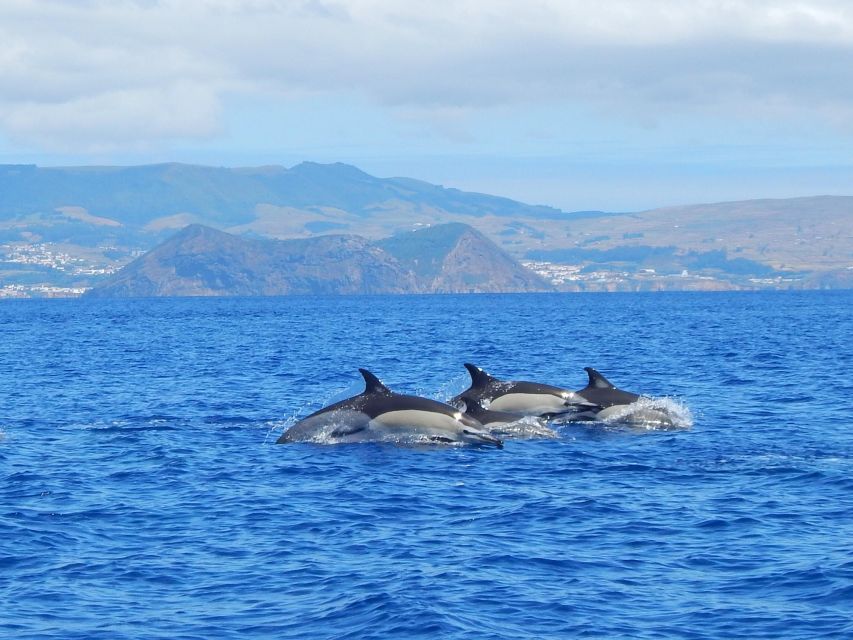
Dolphins belong in the ocean, not a tank. This Terceira boat trip takes you into the Atlantic to look for wild dolphins and, when conditions and animal behavior allow, enter the water near them. I like the small-group format and the clear effort to keep the encounter respectful. I also like that a marine biologist may be part of the team, with Mariana praised for giving calm, clear instructions.
The main thing to understand is that swimming is not guaranteed. These are wild animals, not performers, and the crew cannot promise a particular species or a close approach. You need good swimming skills, comfort in open water, and enough flexibility to accept that nature sets the timetable.
In This Review
- Key points to know before you book
- Meeting OceanEmotion at Terceira’s red-covered office
- The safety briefing sets the tone
- The boat ride is part of the experience
- Finding dolphins in their natural habitat
- What swimming time may look like
- The ethical side of a wild-dolphin encounter
- Guides, languages, and the human side of the trip
- What the $147 price includes
- Who should choose this Terceira activity?
- Practical tips for a smoother outing
- Should you book the OceanEmotion dolphin swim?
- FAQ
- Where does the dolphin swimming tour meet?
- How long does the activity last?
- Is swimming with dolphins guaranteed?
- What happens if no whale or dolphin is seen?
- What should I bring?
- Do I need to be a strong swimmer?
- Who cannot take part?
Key points to know before you book
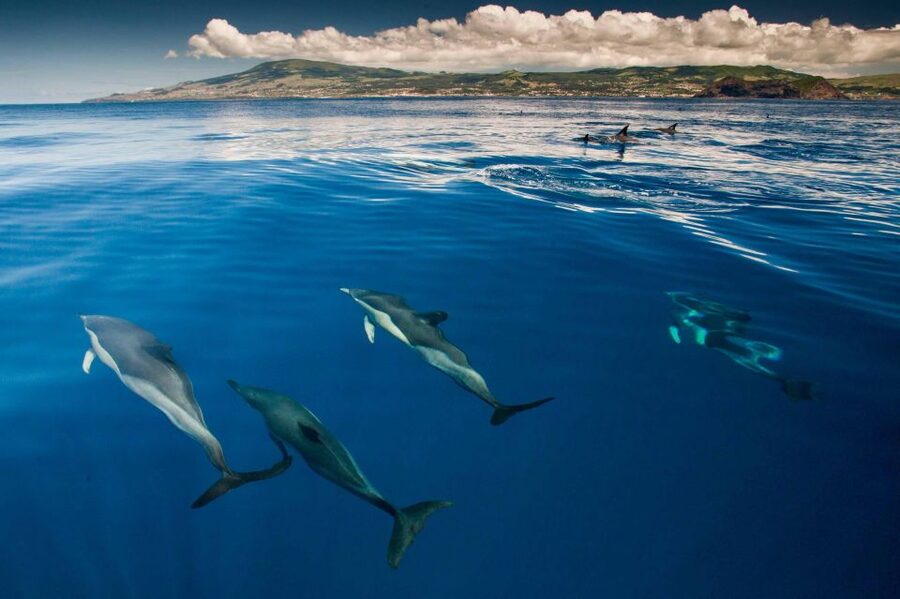
- Wild dolphins in the Atlantic: You are looking for free-ranging animals rather than visiting a marine park or enclosed attraction.
- Small groups can mean more water time: One recent outing had seven people in total, with swimmers split into groups of three.
- Two dolphin species may appear: Sightings have included more than one species on the same trip, though no particular species is promised.
- A 2.5-hour outing: The time covers the briefing, equipment, boat travel, searching, and possible swims.
- At least one whale or dolphin sighting is covered: If nothing is seen, you are offered another tour free of charge.
- Good swimming ability is essential: This is not a casual shore swim and is unsuitable for children under 10, pregnant women, and people with back or heart problems.
Meeting OceanEmotion at Terceira’s red-covered office
Your starting point is the OceanEmotion office, identified by its red cover. There is no hotel pickup or drop-off, so you need to make your own way to the meeting point and allow enough time to arrive without rushing.
That simple arrangement keeps the price focused on the marine outing itself. It also means you should sort out transport before booking, especially if you are staying away from the office or have a tight schedule later in the day.
The activity lasts 2.5 hours, with several possible starting times depending on availability. That is a useful length for a holiday morning or afternoon. It is long enough to get out to the search area without taking over your entire day, but short enough that a change in weather or sea conditions does not automatically wreck your plans.
More Dolphin Watching Trips in the Azores
- From Ponta Delgada: Whale and Dolphin Watching Trip
★ 4.7 · 4,109 reviews - Pico Island: Azores Whale & Dolphin Watching on Zodiac Boat
★ 4.8 · 408 reviews - Terceira: Whale and Dolphin Watching in a Zodiac Boat
★ 4.8 · 230 reviews
The safety briefing sets the tone
Before heading out, the team gives a safety briefing and supplies the required equipment. This is more than a routine speech. You are entering open Atlantic water around wild marine life, so the instructions matter.
Pay close attention to how the crew wants you to behave around the dolphins. The point is not to chase, surround, touch, or call the animals toward you. The aim is to enter the water only when the team decides it is suitable, then let the dolphins choose how close they come.
The tour includes a dolphin spotter, full equipment, and public liability insurance. The spotter helps the crew locate animals while the guides manage the practical side of the encounter. English, Portuguese, and Spanish are available, and the guides have received especially strong praise for explaining the process clearly.
You should bring swimwear, a towel, warm clothing, and water. Warm layers are important even on a pleasant day. Once you leave the water, wind on the boat can make you feel cold quickly.
The boat ride is part of the experience
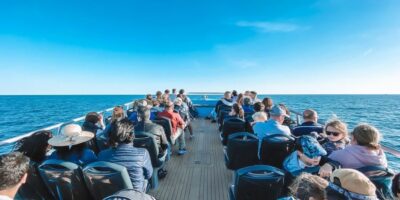
The trip is not just a transfer to a swimming point. The boat ride takes you out into the Atlantic, where the setting itself becomes part of the day. The sea around Terceira offers broad views and a sense of distance from shore that you cannot get from a pool or aquarium.
The boat also gives the crew room to search for signs of dolphins and whales. That means the route is shaped by conditions and animal movement rather than by a fixed list of sightseeing stops. You may spend part of the outing moving through open water while the spotter looks for the right opportunity.
That flexible approach is important to understand. A wild-dolphin tour can include quiet searching, sudden excitement, and changes of plan. The less you expect a staged show, the more satisfying the experience is likely to be.
Several recent outings had calm seas, which made swimming easier. Calm conditions are not guaranteed, though, and the ocean can feel very different from a sheltered swimming pool. If you are not a confident swimmer, this is the wrong place to test your limits.
Finding dolphins in their natural habitat
Once dolphins are located, the crew assesses whether entering the water is appropriate. The animals must be moving in a way that allows a safe and respectful encounter, and sea conditions must also cooperate.
The most exciting reports describe large groups of dolphins, two different species, and several chances to enter the water. One small group was split into two groups of three, allowing each set of swimmers more room. That kind of organization can make a real difference. Six people trying to enter the sea together would feel crowded, while three at a time gives you more space to focus.
You may hear the dolphins before you see them clearly. One particularly striking account described hearing their calls in the ocean while swimming nearby. That is the sort of detail that separates this activity from a standard wildlife boat ride. You are not simply watching animals from a distance. You may briefly share the same water and hear their sounds around you.
Still, you need to keep your expectations in check. The crew does not control the animals, and the dolphins may pass quickly, remain below the surface, or choose not to approach. The experience is about a possible encounter, not a guaranteed photo opportunity.
A few more Azores options side by side
- Azores Whale Watching & Islet Boat Tour
★ 4.6 · 2,146 reviews - São Miguel West: Full-Day Van Tour with Lunch
★ 4.9 · 1,948 reviews - São Miguel West Full Day Tour with Setes Cidades Including Lunch
★ 5.0 · 1,391 reviews - São Miguel East Van Tour with Lunch: Furnas & Nordeste
★ 5.0 · 1,210 reviews
What swimming time may look like
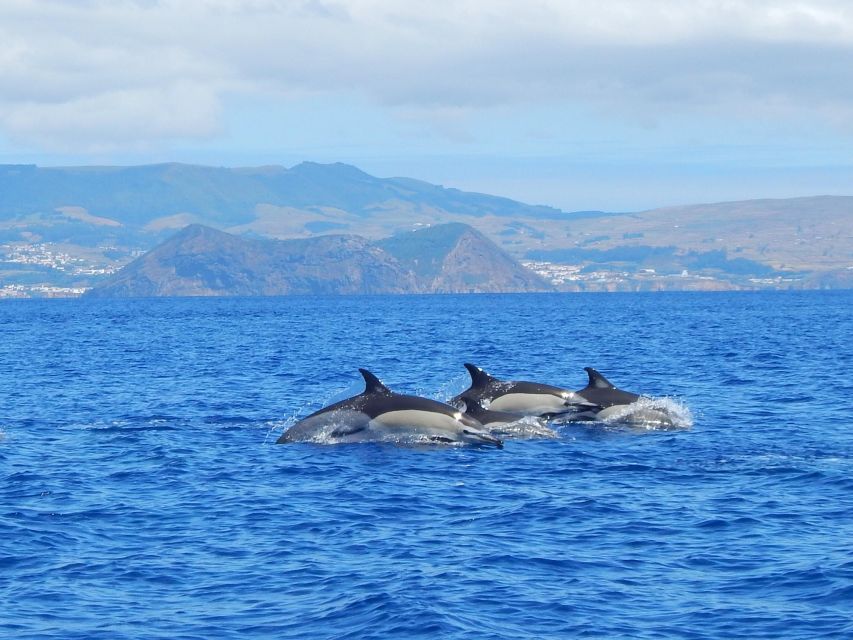
The exact number of water entries depends on the animals, the sea, and how the group is managed. Some outings have included three underwater encounters, while another group entered the water more than twice because it was small and conditions were calm.
That variation is worth noting. A small group does not guarantee a certain number of swims, but it can give the crew more flexibility. If the animals remain in the area and the conditions are good, splitting people into smaller units may mean less waiting and more personal attention.
The guides remain close and give directions before each entry. Andreas praised the team for being attentive and making sure everyone received enough time in the water. That is a valuable feature when the experience is both exciting and slightly intimidating. You want clear instructions, but you also want the crew to notice how each person is coping.
The water may feel easy one moment and demanding the next. You should be comfortable swimming without standing up or holding onto the bottom. This is not suitable for anyone who needs constant physical support in the water.
The ethical side of a wild-dolphin encounter
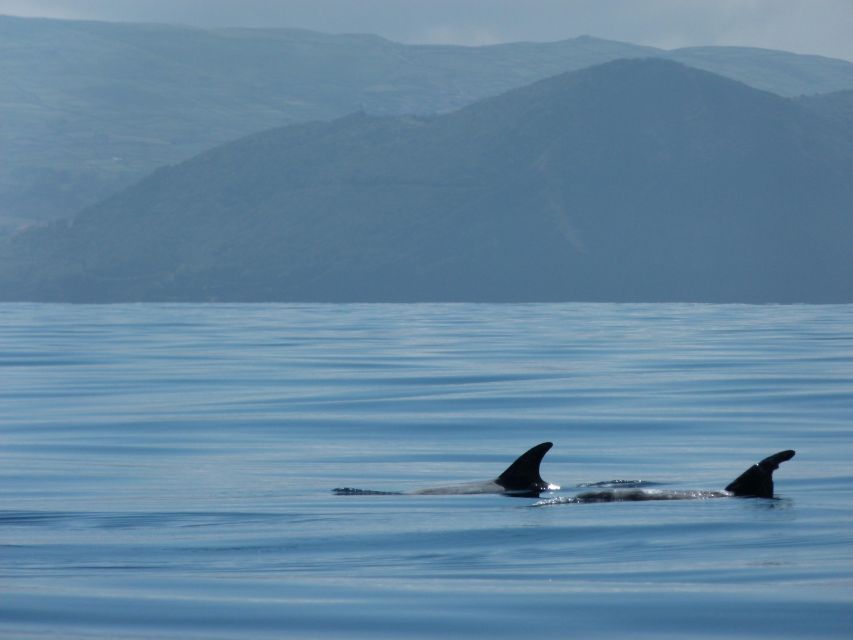
The strongest reason to choose this activity is its setting. The dolphins remain free, and the meeting happens on their terms. You do not get a guaranteed performance, but you also avoid the artificial feel of watching trained animals repeat the same behavior.
The small-group approach supports that idea. Fewer people in the water can reduce noise and crowding, while guides can manage entries more carefully. I like that the experience is presented as a respectful meeting rather than a promise that dolphins will perform tricks beside the boat.
There is still a responsibility on your side. Follow every instruction, keep your movements controlled, and accept that the crew may decide not to enter the water. A good wildlife experience includes knowing when not to push for a closer look.
Guides, languages, and the human side of the trip
The crew is a major part of this outing. The skipper handles the boat, while the guide team explains the activity and watches over the swimmers. Mariana, identified as a marine biologist, has been singled out for her clear explanations and welcoming manner.
That combination of practical care and marine knowledge helps turn a thrilling activity into a more comfortable one. You are not left to guess when to enter, where to look, or how to respond around the animals.
The tour is offered in English, Portuguese, and Spanish. That is useful for safety instructions, not just conversation. You need to understand what the crew is telling you in the water, so choose a language in which you can follow quick directions without hesitation.
Private and small-group options are available. A private outing may suit you if you want a more personal pace, while a small public group can offer good value without creating a crowded boat. Ask which format applies to your booking if group size is important to you.
What the $147 price includes
At $147 per person, this is not a cheap boat ride. The value depends on what you want from your time in the Azores.
The price includes the dolphin spotter, full equipment, safety briefing, public liability insurance, and the guided marine outing. You are paying for a specialized search at sea, not simply transport along the coast. The staff, boat operation, safety planning, and time spent finding wildlife all form part of the cost.
The sighting policy adds some protection. The team commits to a sighting of at least one whale or dolphin species in the waters of the Azores. If no sighting occurs at all, you are offered a free replacement tour. If bad weather makes the activity impossible, or the operator cannot run it, a full refund is guaranteed.
That policy does not promise dolphins specifically, and it does not promise that you will swim with them. It promises a whale or dolphin sighting, subject to the stated conditions. I would keep that distinction in mind before paying.
Food, drinks, and transport to and from the office are not included. Bring your own water, and plan your route to the meeting point separately.
Who should choose this Terceira activity?
This trip suits you if you can swim well, enjoy open-water settings, and want a wildlife encounter with fewer artificial trappings. It is especially appealing if the idea of seeing dolphins free in the Atlantic matters more to you than getting a perfectly predictable close-up.
It also suits couples, friends, and families with older children who can follow instructions and manage the sea. Children under 10 cannot join. Pregnant women and people with back or heart problems should not book this activity.
You may prefer a standard whale and dolphin watching trip if you are uncomfortable swimming in the open sea. This activity includes boat-based searching, but the central attraction is the chance to enter the water. If that part sounds stressful rather than exciting, choose an outing that keeps you aboard.
The tour may also be a poor fit if your schedule cannot absorb some uncertainty. Marine wildlife does not follow a timetable, and rough weather can alter or cancel plans.
Practical tips for a smoother outing
Wear your swimwear under your clothes so you can change quickly when the time comes. Pack a towel, warm layers, and water, and keep fragile glass items and alcohol out of the vehicle.
Do not plan to smoke during the activity. Smoking is not allowed, and alcohol is not permitted in the vehicle. These rules are straightforward, but following them helps keep the outing safe and comfortable for everyone.
If swimming with dolphins is a major reason for visiting Terceira, consider booking early in your stay rather than on your final day. The operator offers free cancellation up to 24 hours beforehand, and you can reserve now while paying later, but a replacement trip still requires time in your schedule.
Most of all, listen to the guides. Their directions determine when you enter, how you behave near the dolphins, and when it is time to return to the boat.
Should you book the OceanEmotion dolphin swim?
I would book this if you are a confident swimmer who wants a genuine wildlife encounter and accepts that the animals are in charge. The strongest points are the natural setting, the small-group possibilities, the attentive guides, and the chance of seeing more than one dolphin species.
I would not book it simply because you want a guaranteed swim with a particular animal. The $147 price is reasonable for a specialized, guided ocean outing with equipment and a sighting safeguard, but it is still a lot to pay if you dislike uncertainty or open water.
For the right person, this can be a powerful Azores memory: a boat ride into the Atlantic, careful instructions from a capable crew, and the brief possibility of hearing dolphins around you in their own sea. That is a real encounter, not a staged one, and the lack of control is both the limitation and the point.
FAQ
Where does the dolphin swimming tour meet?
You meet at the OceanEmotion office, identified by its red cover, in Terceira, Azores.
How long does the activity last?
The tour lasts 2.5 hours. Starting times vary, so you should check availability when booking.
Is swimming with dolphins guaranteed?
No. The activity involves wild animals, so the operator cannot guarantee a swim, a particular dolphin species, or dolphins instead of whales. The team does guarantee a sighting of at least one whale or dolphin species, subject to the stated sighting policy.
What happens if no whale or dolphin is seen?
You are offered a new tour free of charge if no sightings occur during the outing.
What should I bring?
Bring warm clothing, swimwear, a towel, and water.
Do I need to be a strong swimmer?
You must have good swimming skills and feel comfortable in the open sea. This activity is not suitable for anyone who is not confident swimming in those conditions.
Who cannot take part?
The tour is not suitable for children under 10, pregnant women, or people with back or heart problems.
Recently added in Azores
- Full Day Tour of Faial Island★ 5.0 · 39 reviews
- Faial Island: Full Day Tour – Nature and Local Culture★ 5.0 · 213 reviews
- Full-Day Private Tour of Faial★ 5.0 · 40 reviews
- Faial Island: Half Day Tour★ 5.0 · 99 reviews
- UNDERGROUNDTOUR (Full Day Private Tour)★ 5.0 · 52 reviews
- Wines and Moonshines of Terceira★ 5.0 · 55 reviews
- Terceira Island: Full Day Tour★ 5.0 · 63 reviews
- PHOTO TOUR (Full Day Private Tour- Sunrise to sunset)★ 5.0 · 68 reviews
Dolphin Watching, compared.

Benagil Caves & Dolphin Watching Speed Boat Tour
Read our review →
Dolphins Search and Benagil Caves from Albufeira
Read our review →
Benagil Caves & Dolphins Watching with Biologist
Read our review →Browse the lists this tour appears in