
REVIEW · WHALE WATCHING
Rabo de Peixe: Sperm Whale Sanctuary Expedition
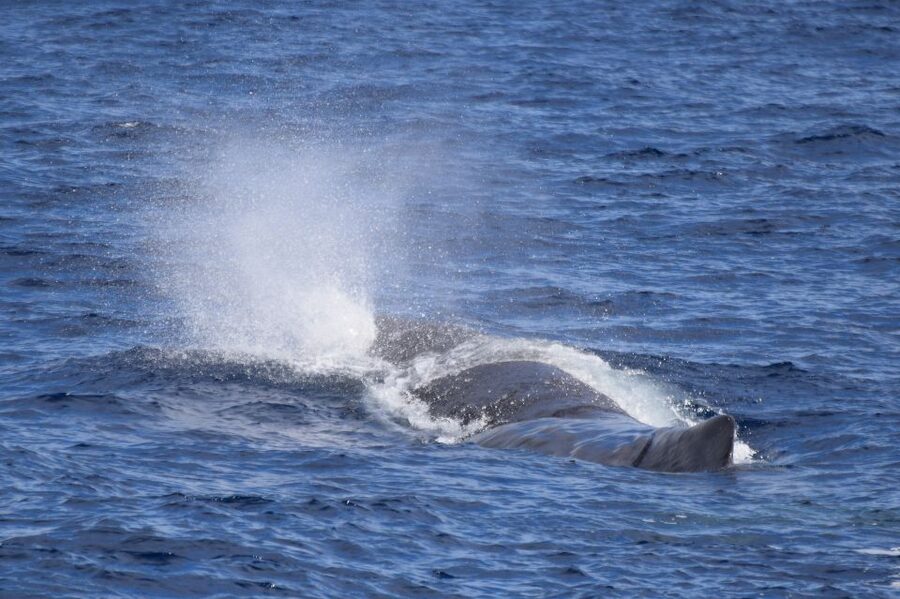
Whales are the headline, but the learning matters too. This three-hour boat trip from Rabo de Peixe takes you along São Miguel’s northern coast and into protected Atlantic waters, where marine biologists explain sperm whale behavior while you search for wildlife. I like the small-boat feel, and I like that the crew puts animal welfare ahead of a close encounter. The main catch is simple: wildlife is never guaranteed, and rough weather can delay or cancel the outing.
I also like the variety. Your search may bring dolphins, turtles, Portuguese man-of-war, or other whale species before you reach the deeper water where sperm whales are found. The $82 price is fair for a three-hour trip with a biologist on board, though you should budget for snacks, drinks, and a raincoat separately.
In This Review
- Key points at a glance
- Starting at Clube Naval Rabo de Peixe
- Along São Miguel’s northern coast
- Reaching the sperm whale sanctuary
- Dolphins and other Atlantic wildlife
- Learning from the marine biologist on board
- Returning to Rabo de Peixe Harbor
- Is $82 a fair price?
- Who should book this boat trip?
- Practical planning for a smoother outing
- Should you book the Rabo de Peixe expedition?
- FAQ
- Where does the sperm whale tour begin?
- How long does the experience last?
- What animals might I see?
- Is a marine biologist included?
- What languages are available?
- What should I bring?
Key points at a glance
- Sperm whales are the main prize: Search for the world’s largest cetacean species in their protected Atlantic habitat.
- A 10-minute briefing comes first: Learn about local whale-watching rules, possible species, and respectful viewing before boarding.
- The boat may be a 16-place zodiac: That small format can give you a closer connection to the sea, but it also means more exposure to wind and spray.
- Wildlife can be varied: Dolphins, turtles, Portuguese man-of-war, and several whale species may appear along the route.
- Marine biology is part of the experience: The guide explains whale habits, routes, and conservation work in the Azores.
- Plan for a flexible schedule: Good weather is required, and marina logistics can add 30 to 45 minutes to the total duration.
Starting at Clube Naval Rabo de Peixe
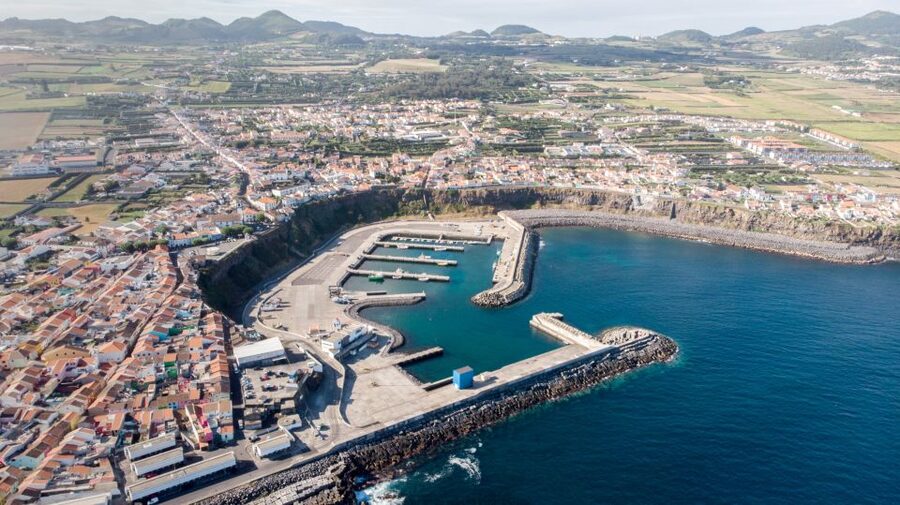
Your meeting point is Clube Naval Rabo de Peixe, a marina on the northern side of São Miguel. You need to make your own way there because hotel pickup and drop-off are not included.
The experience begins with a safety and wildlife briefing of about 10 minutes. This is not filler before the real trip. The marine biologists explain which species you might see, how whale watching developed in the Azores, and how boats should behave around marine animals.
That introduction gives the trip a useful purpose. You are not simply scanning the water for a fin. You learn why a boat may slow down, hold its distance, or leave an animal alone even when it appears close enough for a better photograph.
Listen carefully to the safety instructions, especially if you are unfamiliar with small boats. Wear comfortable shoes with a secure grip, not high heels, and choose clothing that can handle wind and spray. Sunglasses, a sun hat, sunscreen, and a snack belong in your day bag. A raincoat is not included, so bring one if the forecast looks uncertain.
A few more Sao Miguel Island options side by side
- From Ponta Delgada: Whale and Dolphin Watching Trip
★ 4.7 · 4,109 reviews - Azores Whale Watching & Islet Boat Tour
★ 4.6 · 2,146 reviews - São Miguel West: Full-Day Van Tour with Lunch
★ 4.9 · 1,948 reviews
Along São Miguel’s northern coast
Once the boat leaves Rabo de Peixe Harbor, the trip becomes a moving lookout. You get views of the northern coast while the crew watches the water for signs of life.
This part of the route matters because the sea may offer surprises before the boat reaches the main sperm whale area. Dolphins can appear in groups, and turtles or Portuguese man-of-war may turn an ordinary stretch of ocean into a memorable one. The exact sightings depend on nature, not a fixed schedule.
Keep your attention moving. A whale may surface briefly, while dolphins can travel quickly across a wider patch of water. The crew’s experience helps, but you still need patience and a willingness to watch rather than expect constant action.
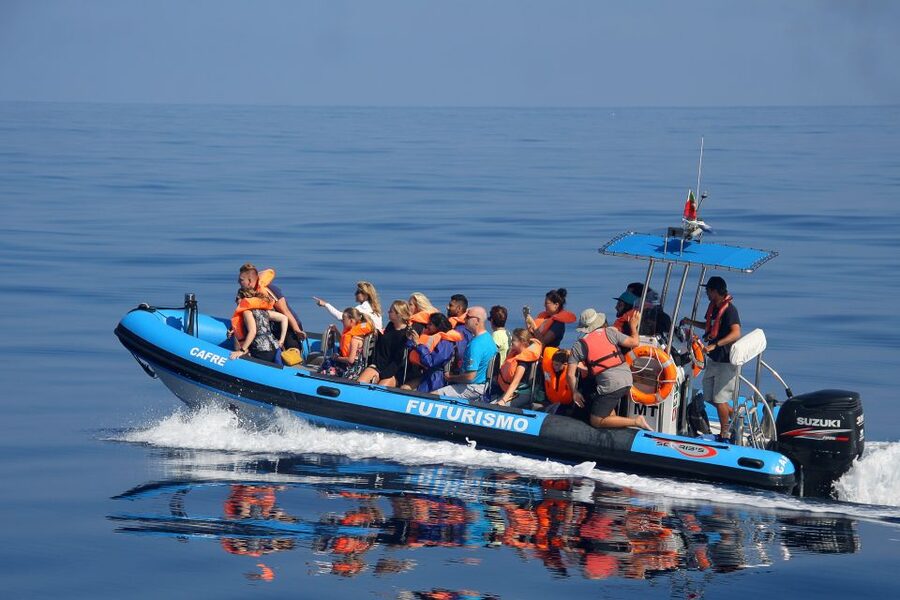
The boat is described as a small 16-place zodiac on an outing, which gives the trip a more personal feel than a large sightseeing vessel. A smaller craft can also respond more easily to wildlife sightings, but it offers less shelter. If you are sensitive to motion, back problems, pregnant, recovering from surgery, or have limited mobility, this is not a suitable activity.
The boat ride itself can be part of the appeal. You are out on the Atlantic rather than viewing São Miguel from a roadside lookout. The tradeoff is comfort. Ocean conditions can change, and the operator requires good weather for the activity to run safely.
Reaching the sperm whale sanctuary
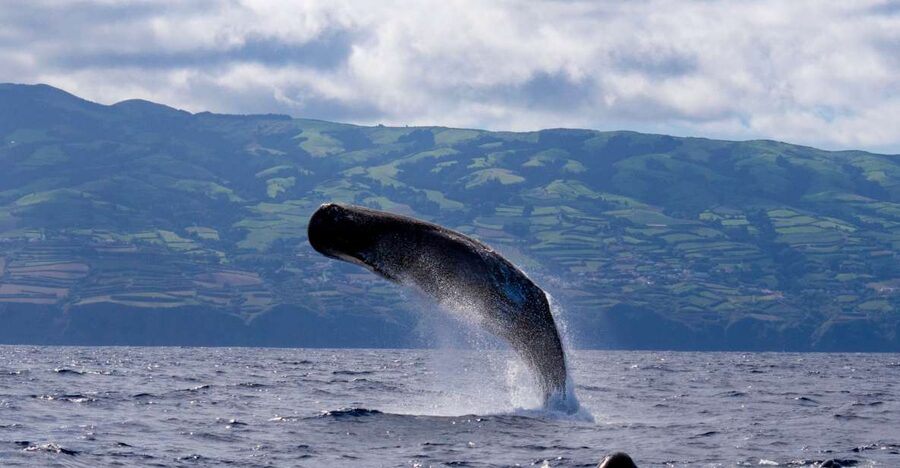
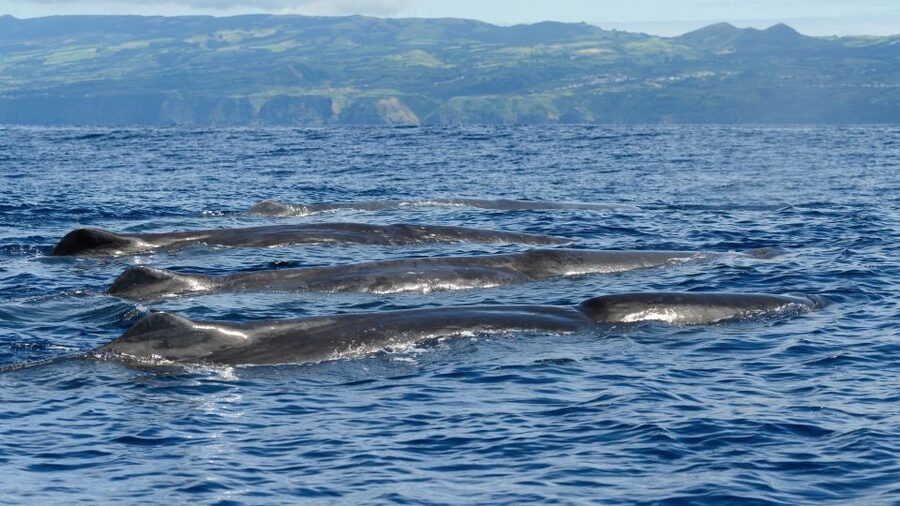
The main search takes place in deeper Atlantic waters. Here, the focus shifts to sperm whales, the largest cetacean species in the world.
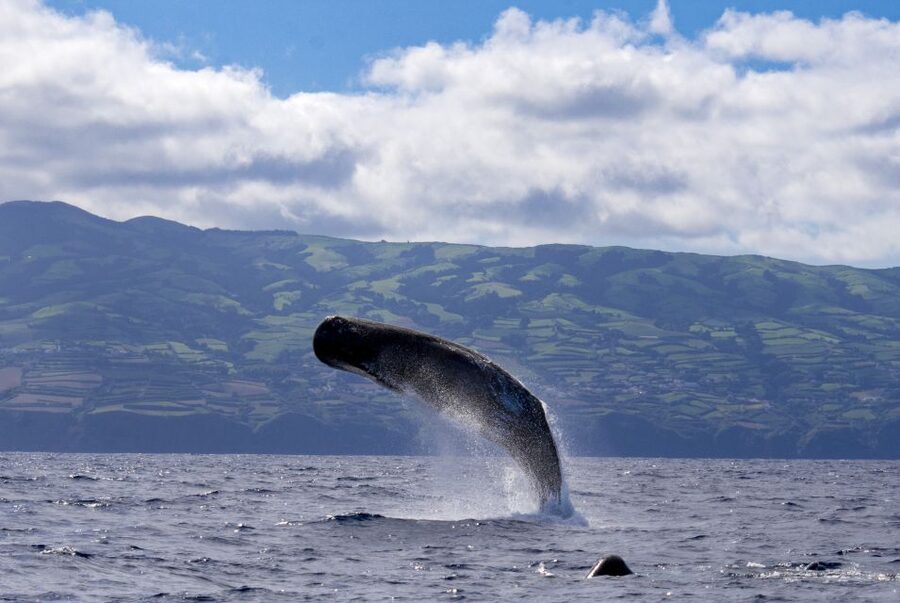
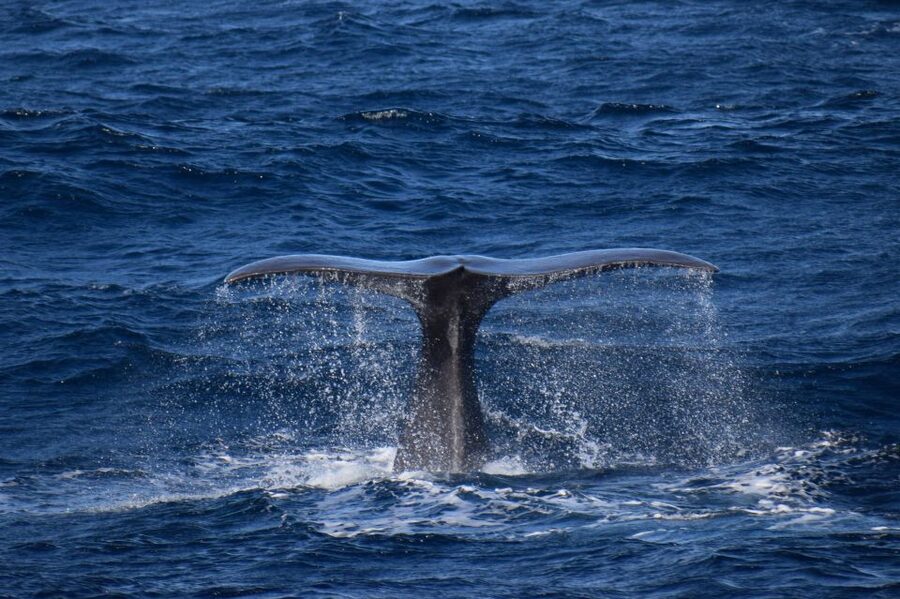
Sperm whales are powerful animals with distinctive behavior, and the biologist on board helps you understand what you are seeing. The guide can explain their habits and routes, giving meaning to a brief surface appearance instead of leaving you with only a photograph and a guess.
Patience is important at this stage. You may see a whale surface, breathe, and disappear again. There may be quiet stretches while the crew searches, so bring the right expectations. This is a wildlife expedition, not a staged performance with a guaranteed appearance at a set minute.
The best part of the format is the respect shown toward the animals. The crew’s approach is built around keeping a proper distance and avoiding the temptation to chase a whale for a dramatic view. That can mean you get a less predictable encounter, but it also supports better wildlife watching.
Several outings have produced excellent sightings, including multiple sperm whales and different kinds of dolphins. One particularly successful trip included 10 sperm whales, with one animal approaching the boat rather than the boat moving toward it. That distinction captures the value of responsible watching: the memorable moment comes from the animal’s choice.
Dolphins and other Atlantic wildlife
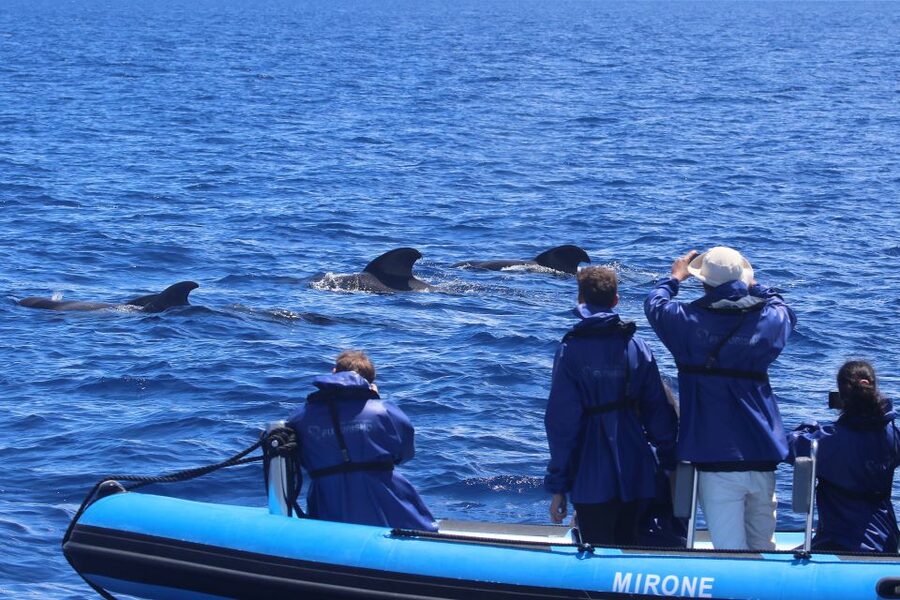
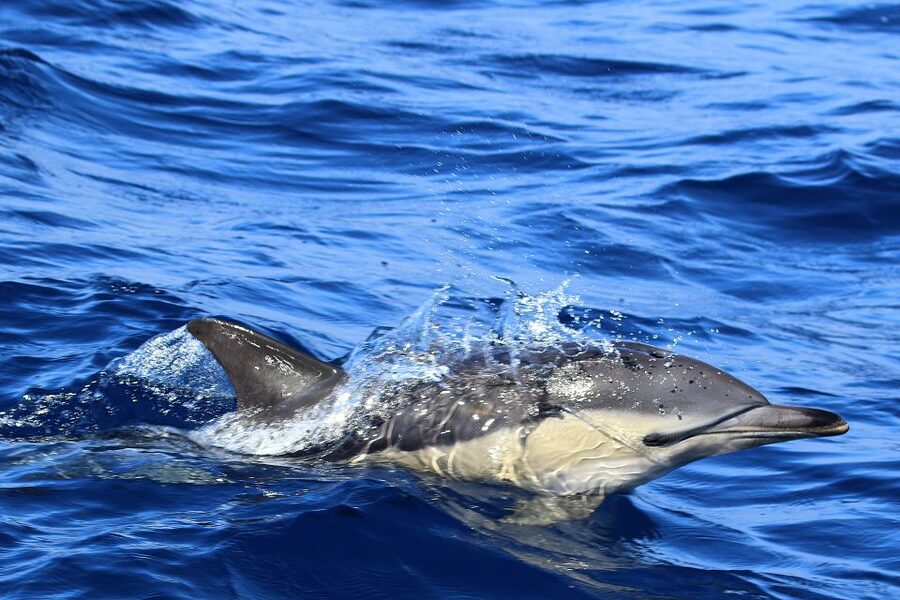
Sperm whales receive top billing, but you should not treat the rest of the wildlife as a consolation prize. Different dolphins may be seen in the same outing, including bottlenose, common, and Atlantic spotted dolphins.
Large groups can make dolphin sightings especially lively. You might see adults and young animals traveling together, though no specific species or group size can be promised on your departure.
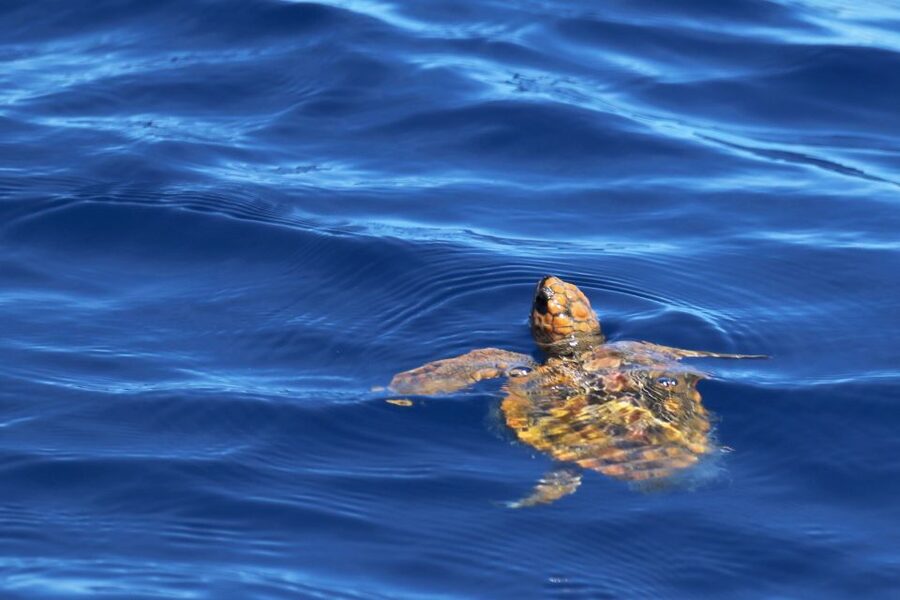
Other possible sightings include Bryde’s whales, minke whales, turtles, Portuguese man-of-war, and even a hammerhead shark. These examples show how varied the waters around São Miguel can be, but they should not become a checklist. Some trips may produce several species, while another may bring only a brief sighting.
That uncertainty is one reason I would schedule this tour early in your São Miguel stay if possible. The provided booking terms allow cancellation up to 24 hours ahead for a full refund, and weather can affect operations. A flexible plan gives you a better chance to adjust if the sea does not cooperate.
Same corner of the country, a different pace:
- São Miguel East: Full-Day Van Tour with Lunch
★ 4.9 · 1,124 reviews - São Miguel Azores: Half-Day Whale Watching Trip
★ 4.5 · 983 reviews - Sao Miguel: Caldeiroes Canyoning Experience
★ 4.9 · 751 reviews - São Miguel: Glass Bottom Boat Tour with Snorkeling
★ 4.7 · 633 reviews
Learning from the marine biologist on board
The marine biologist is more than a guide who points toward a fin. The briefing and the return discussion turn the trip into a short field lesson about cetaceans and conservation in the Azores.
You learn about the species that live in or pass through these waters, the routes they follow, and the habits that help identify them. The guide also explains the relationship between whale watching and protection, an important point in a place where tourism depends on healthy marine life.
I especially value the way this information continues after the wildlife search. On the way back to Rabo de Peixe, the team discusses the animals you saw and adds more detail about their behavior. If you saw a sperm whale, you can better understand why it surfaced where it did and what its movement may mean.
The quality of the guide can shape the whole outing. The biologist Emma has been praised for sharing both enthusiasm and emotion while explaining the sightings. The tour operates in English and Portuguese, so check that you are comfortable with one of those languages before booking.
Returning to Rabo de Peixe Harbor
The return to Clube Naval Rabo de Peixe completes the three-hour outing. The final discussion is useful because the experience can otherwise feel like a string of quick sightings separated by long periods of waiting.
You get a chance to connect the animals you saw with broader facts about the Azores. The conversation may cover cetacean habits, routes, and conservation efforts, helping you leave with more than a collection of blurry images.
Remember that the advertised duration is three hours, but marina logistics can add 30 to 45 minutes to the total time. Do not schedule an important flight, dinner reservation, or another timed activity too tightly afterward.
The operator does not include food or drinks, so carry your own snacks and water. Alcohol and drugs are not allowed, and drones are prohibited. These rules are practical on a small boat and help keep the trip safe and focused.
Is $82 a fair price?
At $82 per person, this is not the cheapest way to spend a morning or afternoon on São Miguel. I think the cost makes sense if you value expert interpretation, a small boat, and a wildlife-first approach rather than a quick ride with limited explanation.
The price includes the pre-tour briefing and a marine biologist on board. You are paying for the search time, the crew’s knowledge, the boat operation, and the chance to enter the sperm whale sanctuary with guidance about respectful viewing.
The value depends heavily on what you want. If your priority is a guaranteed whale photograph, no wildlife tour can promise that. If you want to learn about Atlantic species and accept a quiet period or a weather-related change of plan, the price is easier to justify.
The strongest sightings can also be varied. A successful outing produced sperm whales, bottlenose dolphins, common dolphins, and Atlantic spotted dolphins. Another included minke and Bryde’s whales, large groups of dolphins, Atlantic dolphins, and a hammerhead shark. Those possibilities add value, but they remain possibilities rather than promises.
Who should book this boat trip?
I would recommend it to people who enjoy nature, photography, marine science, and open-water boat rides. It suits you especially well if you want a closer look at how responsible whale watching works in the Azores.
Families with older children may appreciate the mix of action and learning, though the small boat and Atlantic conditions call for sensible judgment. You should be comfortable standing or sitting on a moving vessel, exposed to wind and spray, for much of the three hours.
This is not a good choice if you need easy access, have a mobility impairment, are pregnant, have serious back problems, or recently had surgery. High heels are not allowed, and a raincoat is not supplied.
You should also avoid booking it as your only São Miguel highlight. Nature controls the result. Think of the trip as time spent in a protected marine setting with a real chance of seeing sperm whales, not as a guaranteed animal encounter.
Practical planning for a smoother outing
Book for a day when your schedule has room around the three-hour window. The operator notes that delays of 30 to 45 minutes may occur because of marina and activity logistics.
Arrive dressed for changing conditions. Comfortable clothes, secure shoes, sunglasses, a sun hat, sunscreen, snacks, and a raincoat give you a better chance of enjoying the trip without wishing you had packed more carefully.
Keep your camera ready, but do not spend the entire outing staring through a screen. Whale sightings can be short, and the animal may appear somewhere other than where you expect. Watch the water, listen to the biologist, and let the crew direct your attention.
The activity requires good weather. If the forecast is poor, keep your plans flexible. You can reserve now and pay later, and cancellation is available up to 24 hours before departure for a full refund.
Should you book the Rabo de Peixe expedition?
Book this tour if you want responsible whale watching with a marine biologist, and if you are happy to trade certainty for a genuine search across the Atlantic. The combination of sperm whales, possible dolphin groups, small-boat access, and conservation guidance gives the outing real substance.
Skip it if you dislike open water, need a highly predictable timetable, or would be disappointed by a day with few sightings. For everyone else, $82 is a reasonable price for three hours of wildlife searching and a clearer understanding of the animals that pass through São Miguel’s waters.
FAQ
Where does the sperm whale tour begin?
The tour begins at Clube Naval Rabo de Peixe in Rabo de Peixe, on the northern side of São Miguel Island. Hotel pickup and drop-off are not included.
How long does the experience last?
The scheduled duration is three hours. Marina logistics may add 30 to 45 minutes to the total duration.
What animals might I see?
Possible sightings include sperm whales, dolphins, turtles, Portuguese man-of-war, minke whales, and Bryde’s whales. Some outings may also include Atlantic spotted dolphins and other marine species.
Is a marine biologist included?
Yes. The experience includes a pre-tour briefing and a marine biologist on board. The guide explains possible species, whale-watching practices, animal behavior, routes, and conservation efforts.
What languages are available?
The live guide is available in English and Portuguese.
What should I bring?
Bring comfortable shoes, sunglasses, a sun hat, sunscreen, comfortable clothing, and snacks. Food, drinks, and a raincoat are not included, so plan accordingly.
Recently added in Sao Miguel Island
- Island Van Tour (Full Day) | Terceira Island★ 4.9 · 176 reviews
- Terceira: Half-Day Island Tour with Cheese Tasting★ 4.4 · 106 reviews
- Terceira: Half-Day Dolphin and Whale Watching Tour★ 4.6 · 219 reviews
- Sete Cidades: Half-Day ATV Quad Tour★ 4.9 · 347 reviews
- Sete Cidades Azores 4×4 Day Tour from Ponta Delgada★ 4.9 · 46 reviews
- São Miguel: Sete Cidades and Lagoa do Fogo Full-Day Tour★ 4.8 · 65 reviews
- Ponta Delgada: Full-Day Sete Cidades 4X4 Tour with Lunch★ 4.9 · 50 reviews
- Ribeira Grande: Sete Cidades Quad / Buggy Tour★ 5.0 · 163 reviews
Whale Watching, compared.

Funchal Bay: Dolphin & Whale Watch Luxury Catamaran Cruise
Read our review →
All Inclusive Whale and Dolphin Watching Luxury Tour
Read our review →
Madeira Dolphin and Whale Watching on a Ecological Catamaran
Read our review →
Dolphin and Whale Watching by Luxury Catamaran
Read our review →Browse the lists this tour appears in