
REVIEW · AZORES TOURS
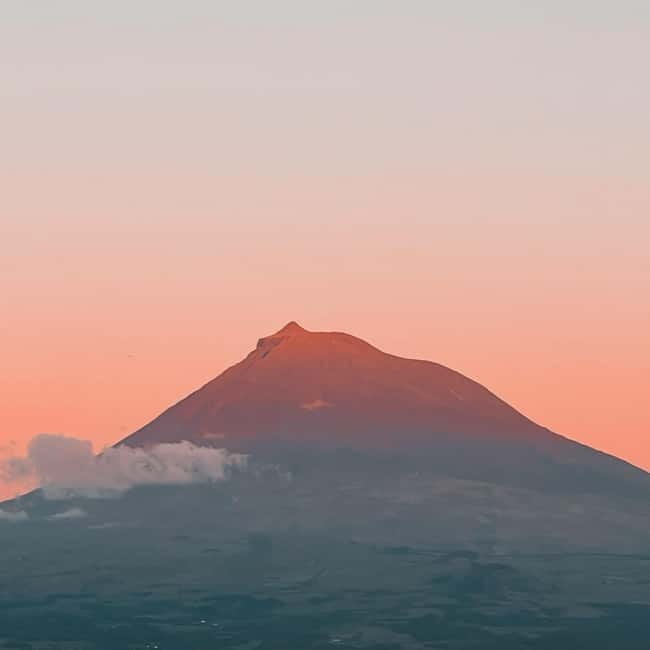
Pico Mountain Climb: Portugal’s Highest Point – 2351 meters
Portugal’s highest point demands your full attention. I like the experienced guides, especially Isabel and Raisa, and I like the thoughtful touches: walking poles, summit coffee, and photos and video to record the effort. The main drawback is clear: this is a hard seven-hour climb, and the descent can punish tired legs.
You meet at Casa da Montanha, then follow an 8-kilometer route over volcanic rock toward Piquinho, Pico’s highest cone. On a clear day, the reward is a wide view across Pico’s natural beauty and, according to one especially happy group, sight of four islands. The $90 price is fair for a guided climb with insurance, equipment, and media, but only if you are fit enough to use what you are paying for.
In This Review
- Key points before you book
- Why Pico Mountain is worth the effort
- Casa da Montanha: a useful start, not a rushed one
- The first viewpoint and the easier lower trail
- The middle climb: volcanic rock, breaks, and steady work
- The crater stop and the final push to Piquinho
- Views from Portugal’s highest point
- The descent is shorter in spirit, not in difficulty
- What the $90 price includes
- Is this climb right for you?
- Should you book the Pico climb?
- FAQ
- Where does the Pico Mountain climb start?
- How long does the climb take?
- How high is the summit?
- How long is the route?
- What equipment is provided?
- What should I bring?
- Is the activity available in English?
- Can I cancel the booking?
Key points before you book
- Piquinho reaches 2,351 meters, making this the highest point in Portugal.
- The 8-kilometer route averages a 30 percent slope, with loose volcanic rocks and uneven footing.
- Guides provide walking sticks, safety checks, route help, and encouragement throughout the climb.
- Coffee near the summit is a small but memorable reward during a demanding day.
- Photos and video are included, so you can focus less on documenting every step.
- The descent is often tougher than the climb, so save strength for the way down.
Why Pico Mountain is worth the effort
Pico Mountain is not a casual hill walk. It is a serious ascent up a volcano, with a route that becomes harder as you gain height. The trail covers about 8 kilometers, but the distance alone does not explain the challenge. An average slope of 30 percent means much of the route asks you to climb steadily over rough volcanic ground.
That effort gives the day a clear purpose. You are not simply wandering around a protected area. You are working toward Portugal’s highest point, then finishing on the lava cone of Piquinho. Reaching the top has a satisfying simplicity: you climbed the mountain, stood at 2,351 meters, and did something that required real preparation.
I also like the setting because the mountain itself remains the main event. The Mount Pico Natural Reserve provides the route, the volcanic rock, the crater, and the high views. There are no distracting add-ons or complicated transport arrangements. You meet at Casa da Montanha and begin from there.
The experience has a strong physical and emotional rhythm. The lower sections let you settle into the pace. Higher up, the ground becomes less forgiving, and you need to watch every foot placement. Near the top, anticipation builds as you rest in the crater before making the final push to the lava cone.
A few more Azores options side by side
- From Ponta Delgada: Whale and Dolphin Watching Trip
★ 4.7 · 4,109 reviews - Azores Whale Watching & Islet Boat Tour
★ 4.6 · 2,146 reviews - São Miguel West: Full-Day Van Tour with Lunch
★ 4.9 · 1,948 reviews
Casa da Montanha: a useful start, not a rushed one
Your day begins at Casa da Montanha in Madalena, where you check in with staff and meet your guide. This is also where the activity ends, so you return to the same place after the descent.
The safety briefing lasts about 10 minutes. That short session matters because the guide checks equipment and explains how the climb will work before you set off. You receive walking sticks for comfort and safety, and the guide can help you understand how to use them on uneven rock.
Use this meeting point to make a final check of your own gear. Bring warm clothing, water, snacks, hiking shoes, and clothing suited to the weather. Personal hiking equipment is not included, so your boots, backpack, and jacket are your responsibility.
The clothing advice is not decorative. Conditions can be harsh, and one successful climb took place in difficult weather. You should be ready for changing conditions even if the lower mountain feels comfortable at the start. The activity specifically rules out open-toed shoes, high heels, and sports shoes. Hiking shoes are required.
The first viewpoint and the easier lower trail
After the briefing, the route begins with easier sections. This early part gives you time to find a steady rhythm and learn how your guide manages the group. A short five-minute viewpoint stop provides a chance to pause, take photographs, and look across the surroundings before the harder sections arrive.
I would not treat this first part as a warm-up you can ignore. A controlled pace is important on a climb lasting around seven hours. If you rush early, the steeper upper sections will feel much worse. Let the walking sticks take some pressure from your legs, and keep your attention on the surface underfoot.
The route stays within the Mount Pico Natural Reserve. A guided walk here is useful for more than navigation. The path is made of volcanic rock, and loose stones and uneven patches call for constant care. You may feel tempted to look around as the views open up, but this is a place where your feet deserve regular attention.
The guide also helps set the pace. Raisa received especially warm praise for being prepared, experienced, and able to encourage people when the climb became difficult. Isabel was also praised for sharing information about the mountain and island life. Those details can make the early walking more interesting and help break the long effort into manageable sections.
The middle climb: volcanic rock, breaks, and steady work
The central part of the climb includes a longer guided hiking section of about two hours. By now, the slope is more noticeable and the surface demands more from your ankles, knees, and balance. The trail does not offer an easy shortcut. You continue upward over volcanic ground, with the guide showing you where to place your feet and when to stop.
A 10-minute break at a less publicized stop gives the group time to rest and take photographs. This kind of pause is valuable because it prevents the climb from becoming one long push. You can drink water, eat a snack, adjust clothing, and check your legs before continuing.
Bring food that is easy to eat during short breaks. Meals and drinks are not included, apart from the coffee provided during the experience. Seven hours is a long time to be active, and you should not expect one cup of coffee to replace proper food and water.
The group format can affect your day. The guides work with different fitness levels, and one group found that a wide gap between hikers made the experience longer than expected. A private tour may suit you better if you strongly prefer your own pace, but this option is designed as a shared guided climb and includes support for people with different needs within the group.
Same corner of the country, a different pace:
- São Miguel West Full Day Tour with Setes Cidades Including Lunch
★ 5.0 · 1,391 reviews - São Miguel East Van Tour with Lunch: Furnas & Nordeste
★ 5.0 · 1,210 reviews - São Miguel East: Full-Day Van Tour with Lunch
★ 4.9 · 1,124 reviews - Azores Whale Watching & Islet Boat Tour
★ 4.5 · 1,059 reviews
The crater stop and the final push to Piquinho
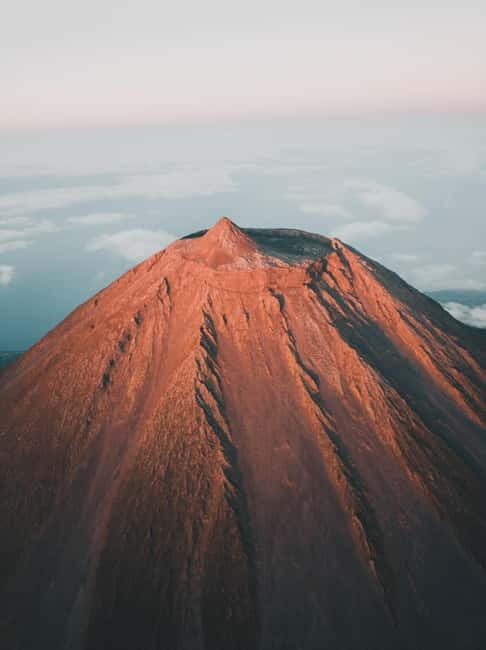
After the long middle section, you get a 20-minute stop in the reserve for photographs, a picnic, and sightseeing. This is a good point to eat and drink properly. You are close enough to the upper mountain for the pause to feel earned, but you still have important climbing ahead.
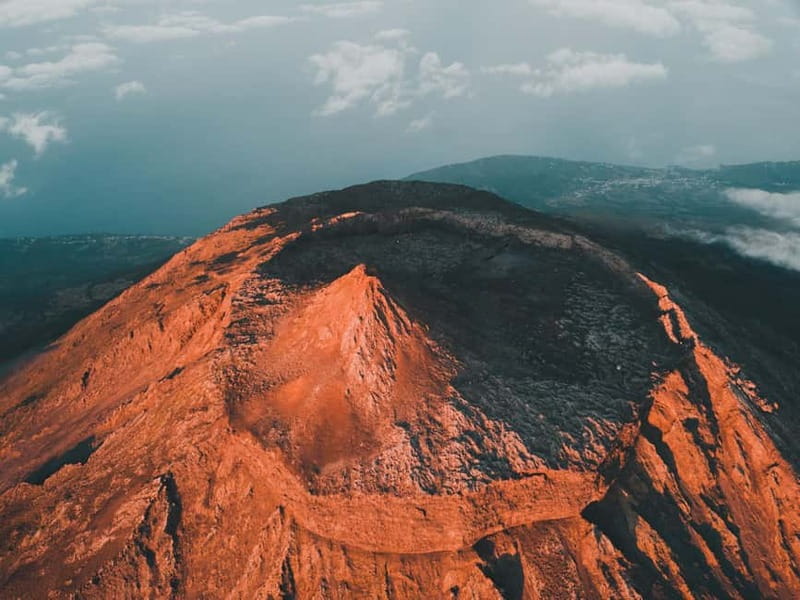
The route then continues for roughly another hour and a half. Near the top, the mountain changes from a long climb into a more focused finish. You rest in the volcano crater, then prepare to scale the lava cone that forms Piquinho.
This final section is the part that gives the experience its character. Permanent fumaroles remind you that you are standing on an active volcanic mountain. The crater is not simply a scenic photo background. It helps you understand the geology under your feet and why the route feels so different from an ordinary mountain walk.
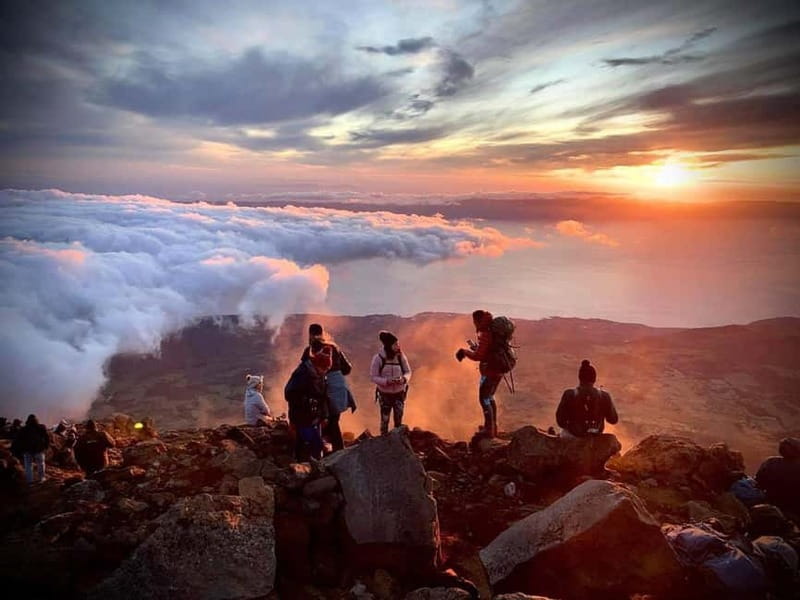
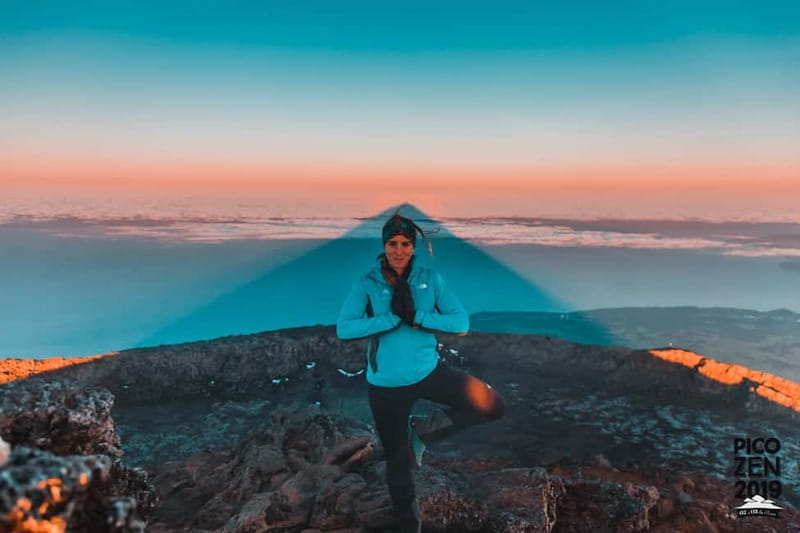
The summit itself can bring a strong rush of relief. At 2,351 meters, you are at the highest point in Portugal. The guide is there to help you reach the top safely, and the included photographs and video mean you do not have to ask another member of the group to capture every important moment.
The coffee is a clever touch here. A warm drink near the summit can feel surprisingly welcome after hours on volcanic rock. One guide was especially praised for making excellent coffee at the top, and the combination of the drink, the views, and the sense of achievement seems to be one of the day’s most memorable details.
Views from Portugal’s highest point
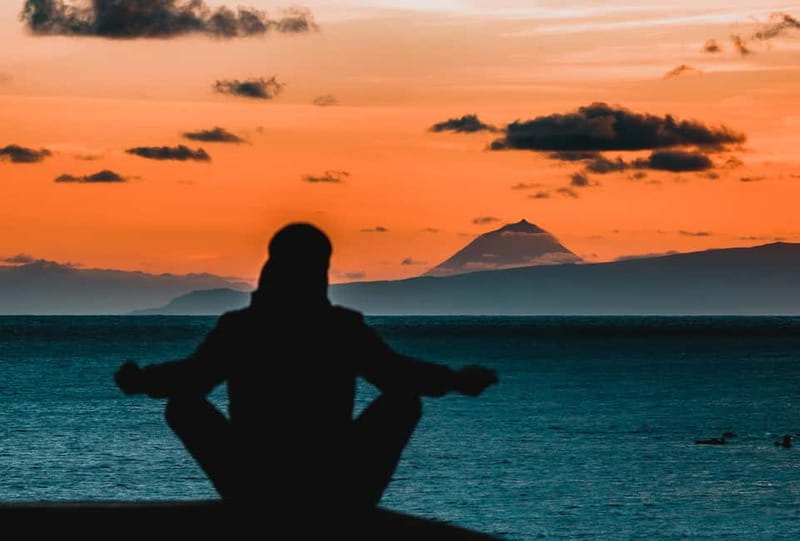
The high views are strongly dependent on the weather. On a clear day, you can look across Pico’s natural beauty, and one group could see four islands from the summit. Poor weather can reduce those views, but it does not remove the main achievement of reaching the high point.
Take time at the top instead of treating it as a quick photo stop. The schedule allows you to breathe, relax, contemplate, and take pictures. Your guide can also photograph and video the experience, which is helpful because the summit is not a place where you want to spend all your energy managing a camera.
The view is only part of the reward. The more lasting satisfaction comes from seeing the crater, standing beside the lava cone, and knowing how much work went into getting there. Pico asks for effort first and gives you the best views only if the weather cooperates.
The descent is shorter in spirit, not in difficulty
After the summit, you return along the mountain with fewer stops. The reason is practical: keeping your leg muscles active can make the descent easier to manage. That does not mean the walk down is easy.
Several parts of the route can be more demanding on the way down. Tired legs reduce balance, and loose rocks require careful steps. The slope places pressure on knees and thighs, so use the walking sticks and avoid rushing. The guide remains important here, not just on the ascent.
A guide can keep the group moving while helping people who need a little more time. This was one of the reasons the guides received such strong praise. Raisa was valued not only for preparation but also for motivation, and another guide was praised for handling the different needs within the group.
You should keep some water and food for the descent. It is easy to consume most of your supplies while climbing and forget that you still have a long return. The final viewpoint stop gives you about 10 minutes for another break and photo opportunity before the last section back to Casa da Montanha.
What the $90 price includes
At $90 per person, the cost is reasonable for a guided ascent of Portugal’s highest point. You receive an experienced professional guide, all applicable taxes and fees, personal accident insurance, walking sticks, and photos and video.
The insurance is valuable because this is a physically demanding activity on rough ground. The guide is also more than a person leading the way. You get route support, safety guidance, group pacing, and encouragement when the effort starts to bite.
The included media adds practical value. You can concentrate on the climb and still finish with photographs and video of the summit experience. That matters on a demanding day when stopping repeatedly to record yourself can break your rhythm.
The price does not include meals, drinks, boots, backpacks, jackets, or other personal hiking equipment. Add the cost of any missing gear before deciding. If you already own suitable hiking clothes and shoes, the $90 package is easier to justify. If you need to buy a full mountain outfit, your total cost will be higher.
Free cancellation up to 24 hours before the activity and the reserve-now, pay-later option also reduce the risk of booking. The starting time depends on availability, so check that before committing the rest of your day.
Is this climb right for you?
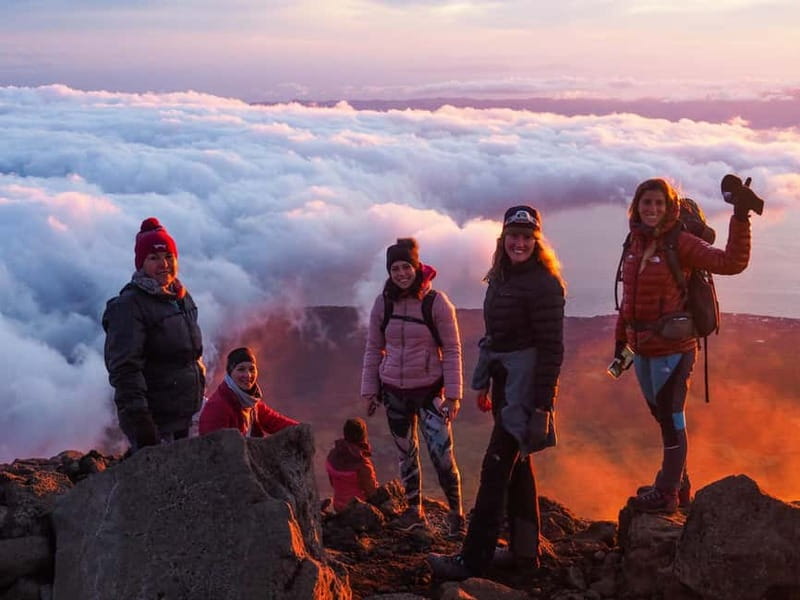
This activity suits you if you are fit, comfortable with steep hiking, and excited by a clear physical goal. It is especially good for people who want more than a viewpoint reached by car or a short walk. You should also enjoy changing conditions and accept that the route may be hard, slow, and tiring.
It is not suitable for children under 12, pregnant women, people with back problems, people with mobility impairments, wheelchair users, people with a low level of fitness, or people over 70. These restrictions reflect the actual demands of the route, not a minor technicality.
You should also be honest about your footwear and clothing. Open-toed shoes, high heels, and sports shoes are not allowed. Bring hiking shoes, warm layers, water, snacks, and weather-appropriate clothing.
The available guide languages are Portuguese, English, Italian, Spanish, and French. That gives you a good chance of receiving instructions in a language you understand, which is particularly important on loose and steep ground.
Should you book the Pico climb?
Book this experience if reaching Portugal’s highest point feels worth seven hours of hard work. The strongest reasons are the guides, the safety support, the summit coffee, the volcanic crater, and the included photos and video.
Do not book it as a relaxed sightseeing trip. The route has an average 30 percent slope, the ground is uneven, and the descent can be tougher than the ascent. If you are unsure about your fitness, this is the point to reconsider rather than hope motivation will solve everything on the day.
For a fit hiker who wants a demanding Azores achievement, this is a well-priced and memorable choice. Come prepared, listen to your guide, save energy for the descent, and let the summit be the reward.
FAQ
Where does the Pico Mountain climb start?
The activity starts at Casa da Montanha in Madalena. You check in with staff there, and your guide meets you at the Mountain House.
How long does the climb take?
The experience lasts about seven hours. Check availability for the available starting times.
How high is the summit?
The climb reaches 2,351 meters at Piquinho, the highest point in Portugal.
How long is the route?
The route is approximately 8 kilometers long and has an average slope of 30 percent.
What equipment is provided?
Walking sticks are provided for comfort and safety. The package also includes personal accident insurance, an experienced guide, and photos and video.
What should I bring?
Bring warm clothing, snacks, water, hiking shoes, and clothing suited to the weather. Personal hiking equipment such as boots, backpacks, and jackets is not included.
Is the activity available in English?
Yes. Live guiding is available in Portuguese, English, Italian, Spanish, and French.
Can I cancel the booking?
You can cancel up to 24 hours in advance for a full refund. A reserve-now, pay-later option is also available.
Recently added in Azores
- Full Day Tour of Faial Island★ 5.0 · 39 reviews
- Faial Island: Full Day Tour – Nature and Local Culture★ 5.0 · 213 reviews
- Full-Day Private Tour of Faial★ 5.0 · 40 reviews
- Faial Island: Half Day Tour★ 5.0 · 99 reviews
- UNDERGROUNDTOUR (Full Day Private Tour)★ 5.0 · 52 reviews
- Wines and Moonshines of Terceira★ 5.0 · 55 reviews
- Terceira Island: Full Day Tour★ 5.0 · 63 reviews
- PHOTO TOUR (Full Day Private Tour- Sunrise to sunset)★ 5.0 · 68 reviews
Azores Tours, compared.
São Miguel West: Full-Day Van Tour with Lunch
Read our review →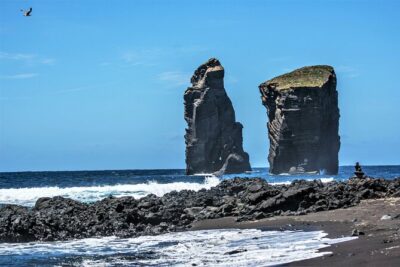
São Miguel West Full Day Tour with Setes Cidades Including Lunch
Read our review →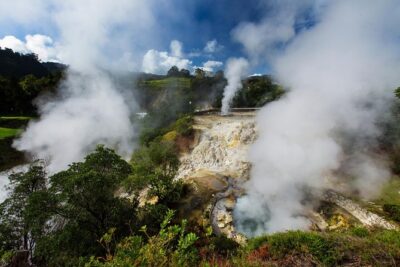
São Miguel East Van Tour with Lunch: Furnas & Nordeste
Read our review →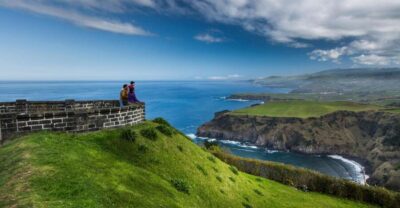
São Miguel East: Full-Day Van Tour with Lunch
Read our review →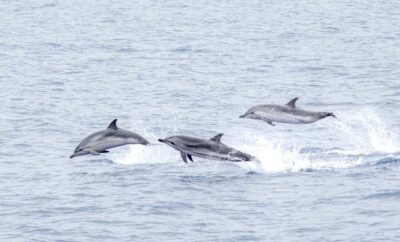
São Miguel Azores: Half-Day Whale Watching Trip
Read our review →Browse the lists this tour appears in