
REVIEW · AZORES TOURS
Pico island: Climb Mount Pico, highest mountain in Portugal
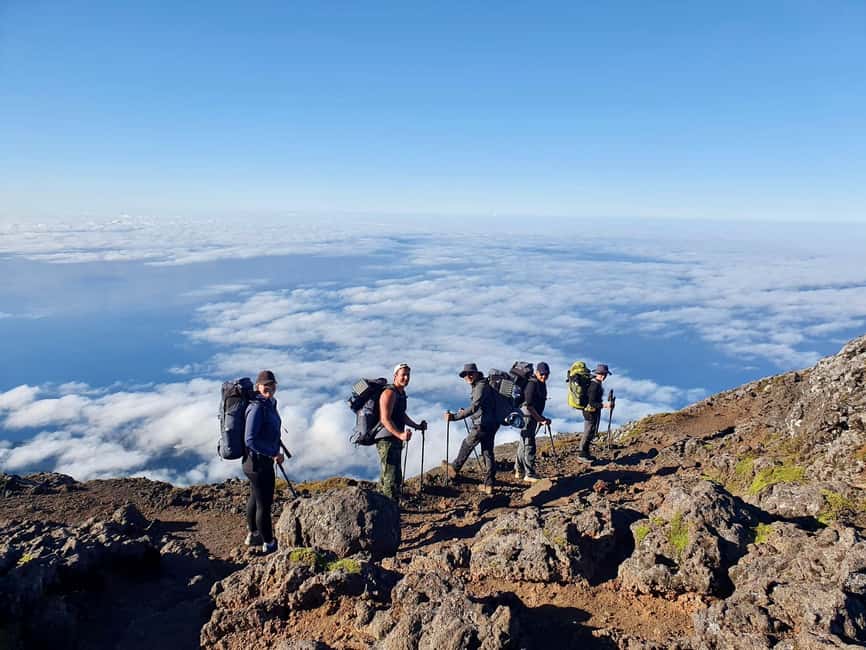
Big views demand strong legs. This 8-hour Mount Pico climb takes you from the Mountain House at 1,250 metres to Portugal’s highest point, 2,351 metres above sea level. I like the certified guide support and the chance to learn about Pico’s geology and native plants as the terrain changes from mud to rock, loose stone, and sand. I also like that hiking poles, reserve access, accident insurance, and a summit certificate are included.
The main catch is simple: this is a hard mountain day, not a casual island walk. The descent can be tougher than the climb, and the final 15 minutes to Piquinho require using your hands for balance. If you have low fitness, breathing trouble, heart or back problems, recent surgery, or a fear of heights, this is not the right outing.
In This Review
- The Climb at a Glance
- Starting at the Mountain House
- The First Hours Through Pico’s Native Plants
- Three Hours to the Crater
- The Final 15 Minutes to Piquinho
- Why the Descent Deserves Respect
- Views, Geology, and the Feel of the Day
- What the $91 Price Really Covers
- Who Should Book This Mountain Day
- Practical Preparation for a Better Summit Day
- Should You Book the Mount Pico Climb?
- FAQ
- How long does the Mount Pico climb take?
- How high is Mount Pico?
- How difficult is the climb?
- What footwear is required?
- What is included in the price?
- Can the activity be cancelled because of weather?
- What languages are available?
The Climb at a Glance
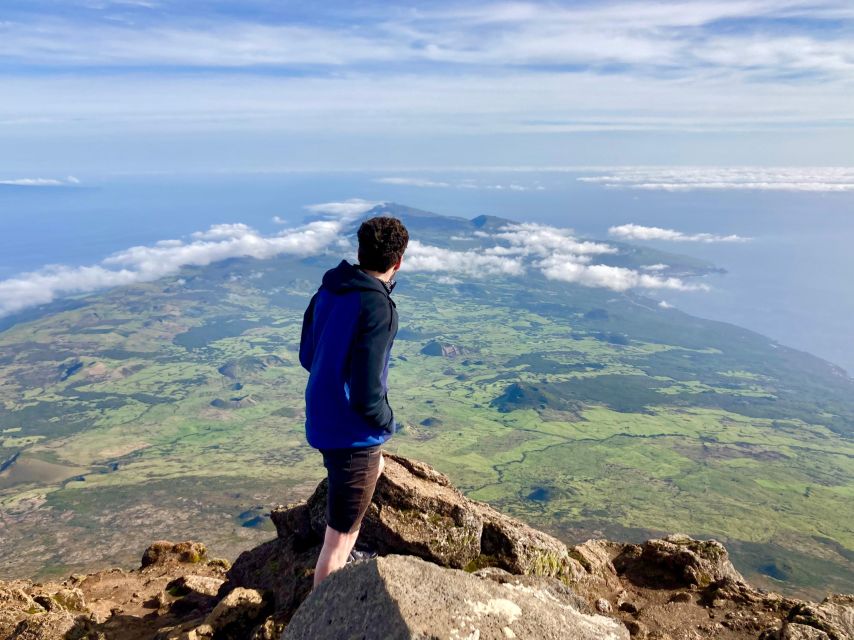
- Portugal’s highest point: Reach 2,351 metres at the summit of Mount Pico, known locally as Piquinho at the final top section.
- A true full-day effort: Allow about eight hours, including the briefing, roughly three hours up to the crater, and three to four hours back down.
- Changing ground underfoot: Expect mud, firm rock, loose rock, and sand as you gain height.
- Guide-led safety: A certified Pico Mountain Guide sets the pace, checks conditions, and can stop a hiker if continuing would put that person or the group at risk.
- Useful inclusions: Hiking poles, the Mount Pico Natural Reserve access fee, personal accident insurance from Allianz, and a certificate are covered.
- Weather matters: The activity can be cancelled just before departure if conditions are unsuitable, and visibility at the top depends on the weather.
Starting at the Mountain House
Your day begins at the Mountain House, where the guide is waiting inside. This is both the meeting point and the end point, so you do not need to arrange a separate return transfer for the activity itself.
Before setting out, you receive a safety briefing lasting about 20 minutes. That briefing matters here. Mount Pico is not simply a steep path with a famous view at the end. The surface changes often, and a route that feels manageable on firm ground can become awkward on loose stone during the descent.
The guide also uses the opening section as a practical check of your condition. If you struggle early, the guide may recommend stopping for your own safety and for the rest of the group. That can feel disappointing, but it is a sensible rule on a long, exposed mountain route.
Bring water, food, sunscreen, sunglasses, rain gear, weather-appropriate clothing, and a daypack. Good hiking shoes or boots with a strong grip are mandatory. Sports shoes are not accepted, and the Natural Park can refuse access to anyone without suitable footwear.
A few more Azores options side by side
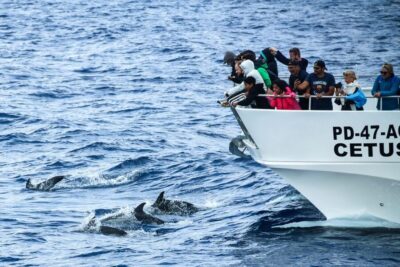
- From Ponta Delgada: Whale and Dolphin Watching Trip
★ 4.7 · 4,109 reviews - Azores Whale Watching & Islet Boat Tour
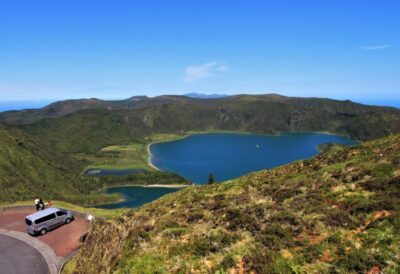
★ 4.6 · 2,146 reviews - São Miguel West: Full-Day Van Tour with Lunch
★ 4.9 · 1,948 reviews
The First Hours Through Pico’s Native Plants
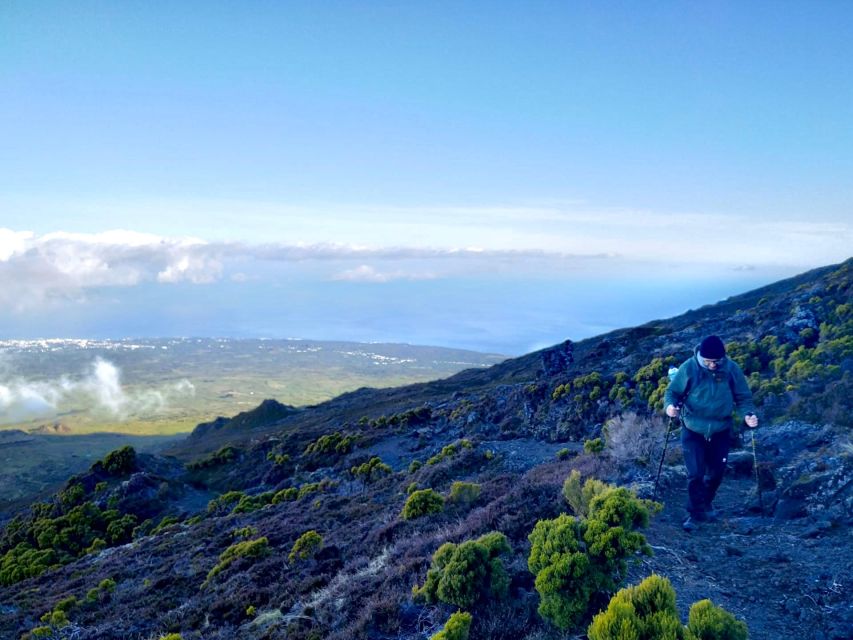
The route enters the Mount Pico Natural Reserve and begins through native vegetation. This lower section gives you a gentler introduction to the mountain before the slope becomes more demanding.
Your guide explains the plants and the geological features along the way. That added context is valuable because Pico’s character is written under your feet as much as seen around you. You move from softer ground and mud toward harder rock, with the mountain’s volcanic structure becoming more obvious as the vegetation thins.
The first section is also where you should settle into a steady rhythm. A fast start is a poor strategy on an eight-hour climb. I would use the early miles to test your boots, adjust your pack, and find a pace you can maintain for several hours.
The published route covers about 8 kilometres in total, with approximately 1,100 metres of ascent and 1,100 metres of descent. The distance may sound modest, but the height gain and rough footing make it far more demanding than an ordinary 8-kilometre walk.
Three Hours to the Crater
The climb to the crater takes about three hours. As you go higher, the route changes from mud to solid rock, then to loose rock and sand. This is where the outing shifts from a strong hike to a serious mountain exercise.
Loose ground takes more energy because your feet slide slightly with each step. It also requires attention. You need to place each foot carefully, keep your balance, and avoid rushing the person ahead. The supplied hiking poles are especially useful here, giving you another point of contact when the surface moves underfoot.
Your guide’s role becomes increasingly important on this part of the climb. Steffi, one of the guides associated with the experience, has been praised for setting a suitable pace and watching the different abilities within the group. That is exactly what you want on Pico. The strongest person should not dictate the speed for everyone else.
Steffi has also been noted for sharing information about the mountain and Pico’s past while keeping an eye on safety. Petro has received similar praise for being a good guide and for making time for conversation. The guide quality appears to be one of the strongest reasons to choose this organized climb instead of attempting the mountain without support.
The Final 15 Minutes to Piquinho
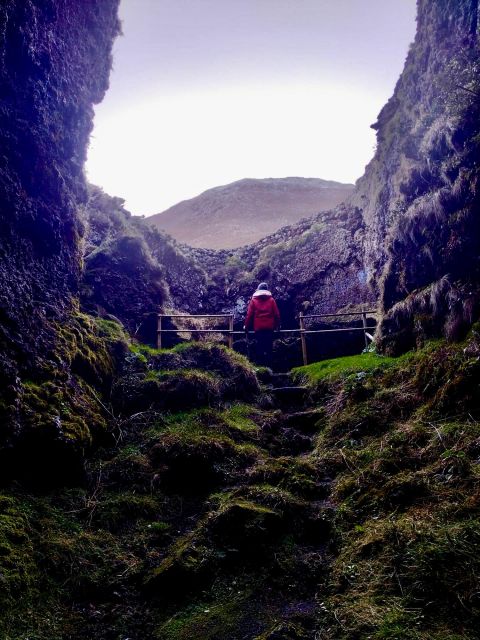
Reaching the crater is not the same as reaching the highest point. The final 15 minutes to Piquinho involve a steeper scramble, and you need to use your hands for stability.
This short section is physically and mentally different from the earlier hiking. You are no longer simply walking uphill. You are managing hand and foot placement on rough ground while dealing with height and fatigue. Anyone who is uncomfortable with heights should take the warning seriously.
At 2,351 metres, the reward is a 360-degree view when the weather allows it. You may be able to see all the islands in the central Azores group. Clear conditions bring the best payoff, but cloudy weather does not automatically ruin the climb. Reaching the summit itself remains a major achievement, and the changing cloud can still give the top a dramatic feel.
I would keep expectations flexible. Mountain weather can change the view without changing the value of the effort. You are coming for the summit experience and the physical challenge as much as for a postcard panorama.
Same corner of the country, a different pace:
- São Miguel West Full Day Tour with Setes Cidades Including Lunch
★ 5.0 · 1,391 reviews - São Miguel East Van Tour with Lunch: Furnas & Nordeste
★ 5.0 · 1,210 reviews - São Miguel East: Full-Day Van Tour with Lunch
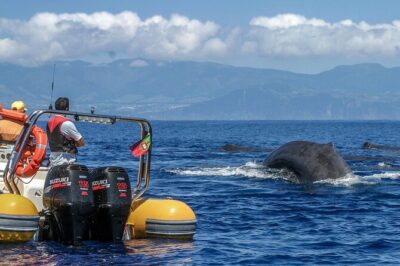
★ 4.9 · 1,124 reviews - Azores Whale Watching & Islet Boat Tour
★ 4.5 · 1,059 reviews
Why the Descent Deserves Respect
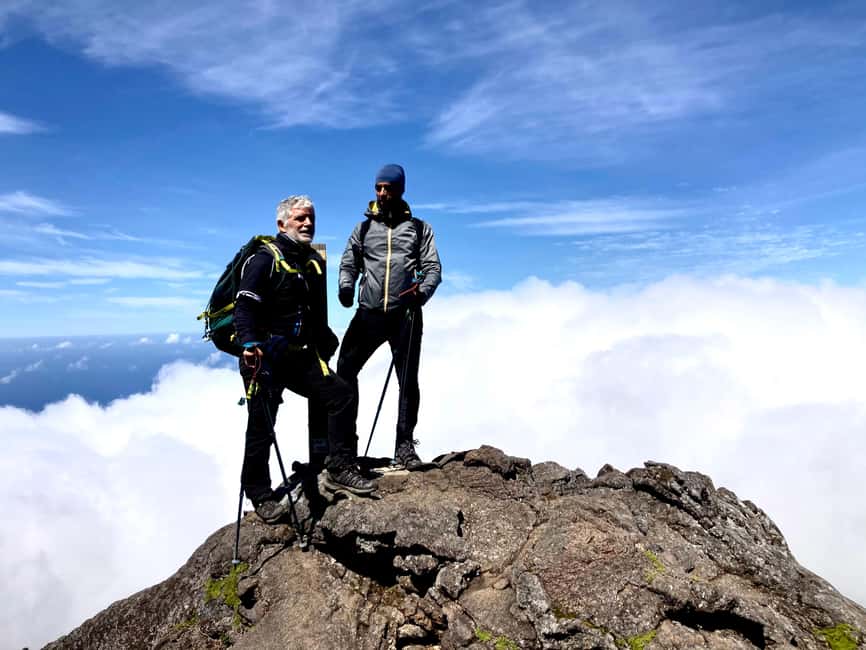
The way down takes about three to four hours and follows the same route. It is also described as the most difficult part of the hike, especially for people who do not often walk on steep, loose ground.
That may surprise you. Climbing uphill is tiring, but descending on loose rock and sand places a different strain on your legs and balance. Your knees work hard, and a small slip can become a problem when you are already tired.
The guide gives advice on handling the descent. Listen closely, use your poles, and keep your pace controlled. Short, careful steps are more useful than trying to cover ground quickly. A group member on one outing slipped mildly on the way down, and Steffi helped immediately. That detail matters because it shows the practical value of having a trained person nearby when fatigue starts to affect footing.
Do not treat the summit as the finish line. You still have several hours of difficult terrain ahead. Save energy, drink regularly, and eat before you feel empty.
Views, Geology, and the Feel of the Day
Mount Pico offers more than a high point to photograph. The route lets you watch the environment change as you climb. Native plants give way to exposed volcanic structures, then to rough rock and loose material near the upper mountain.
The guide’s explanations make those changes easier to understand. Without that context, some sections could feel like a long grind over stones. With it, the route becomes a lesson in how the mountain is built and how its natural features change with altitude.
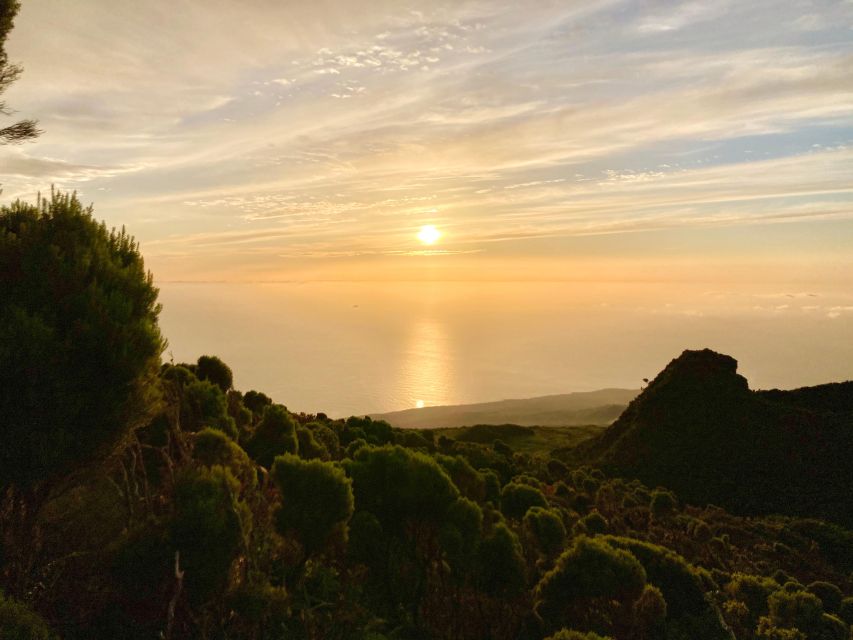
The views also arrive in stages. Lower down, the focus is on the path, plants, and rock. Higher up, the horizon opens. At the summit, the possible view across the central Azores islands gives the climb its grand finish.
Still, the experience is not polished or easy. You will sweat, work hard, and spend much of the day concentrating on your footing. That raw quality is part of the appeal, but it is also why careful preparation matters.
What the $91 Price Really Covers
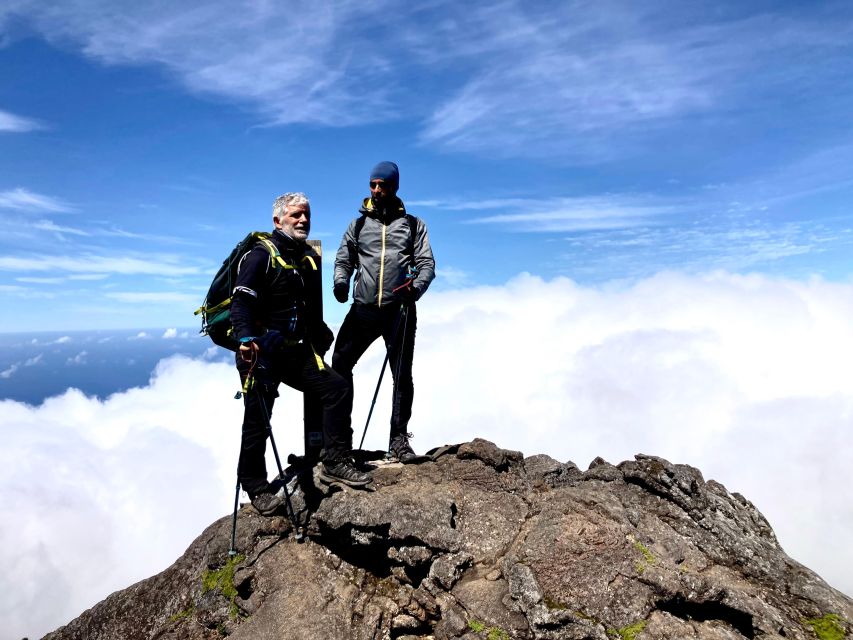
At $91 per person, the price is reasonable for an organized ascent of Portugal’s highest mountain, especially because several important costs and services are included.
You receive:
- A certified Pico Mountain Guide
- Access to the Mount Pico Natural Reserve
- Hiking poles
- Allianz personal accident insurance
- A certificate after the climb
The biggest value is not the certificate or the poles. It is the guide and the mountain access arrangement. The reserve limits the number of people who can climb each day, and your name, birth date, and nationality are needed to register your place at the Mountain House. Booking early is wise because the daily limit can affect availability.
You can also reserve now and pay later, which helps if your Azores plans are still shifting. Cancellation is free up to 24 hours before the activity for a full refund. The weather exception remains important: conditions can force a cancellation shortly before the climb begins.
Guide support is particularly valuable if you had considered going alone. A guide can explain the terrain, monitor the group, advise on pace, and help when someone slips or struggles. For an inexperienced mountain hiker, that is worth more than simply having someone point out the route.
Who Should Book This Mountain Day
This experience suits you if you already exercise regularly and are comfortable with long, steep hikes. You should be able to spend eight hours outdoors, climb 1,100 metres, descend the same amount, and manage uneven ground without needing frequent assistance.
It is not suitable for children under 12, wheelchair users, pregnant women, or people with low fitness. The activity is also unsuitable for people with back, heart, respiratory, or height-related problems, as well as anyone recovering from a recent surgery.
You do not need to be a technical climber, but you do need sound footing and confidence on steep terrain. The listed physical effort is rated difficult, while technical difficulty is rated medium to difficult. That is a useful distinction. The climb is not presented as a specialist mountaineering expedition, yet it demands much more than a normal hill walk.
The guides speak English, Dutch, and Portuguese. If you need another language, this experience may not fit your needs.
Practical Preparation for a Better Summit Day
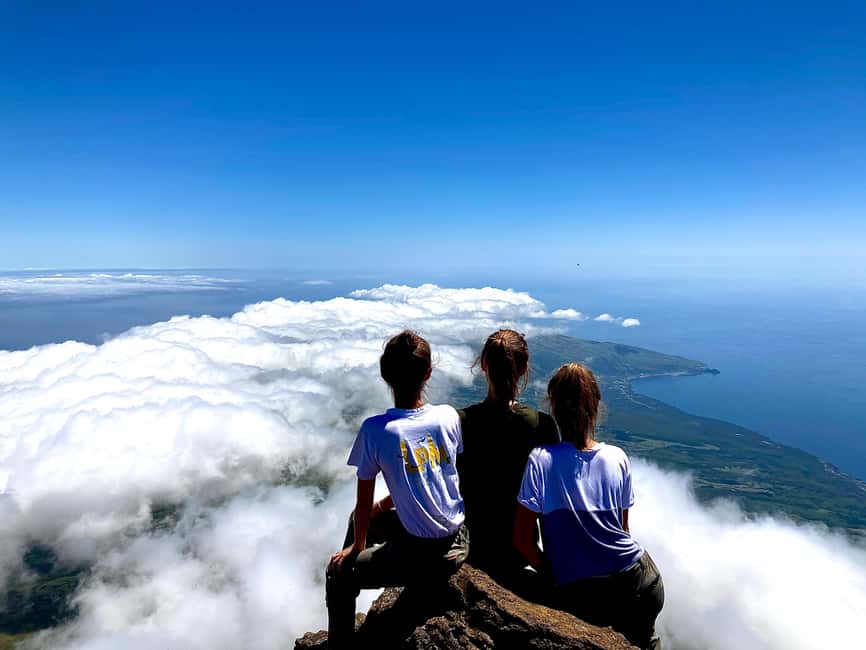
Start with your footwear. Wear proper hiking boots or hiking shoes with a good sole. Do not arrive in sports shoes and hope they will pass inspection. Access to the reserve can be refused without suitable footwear.
Pack lightly but bring every item requested. Food and water are essential because the day is long, while rain gear and warm clothing protect you when the mountain weather changes. Sunscreen and sunglasses remain useful even if the morning looks cloudy.
Your daypack should hold food, water, extra clothing, and rain protection without becoming heavy. The climb is already demanding, so avoid carrying anything you do not need.
Give yourself time to handle the booking details. The operator needs your name, date of birth, and nationality to register you at the Mountain House. Since daily access is limited, late booking could mean losing your preferred date.
Finally, leave room in your schedule for weather trouble. This is a weather-dependent activity, and cancellation can happen just before the start. That is frustrating if you have planned your day tightly, but it is the correct call on a high mountain.
If you bring a drone, you must register it through the Portuguese Civil Aviation Authority, ANAC. Do not assume you can simply launch it for a summit shot.
Should You Book the Mount Pico Climb?
You should book this experience if reaching Portugal’s highest point is a major goal and you want trained support on a demanding route. The guide, reserve access, poles, insurance, and summit certificate make the $91 fee fair, and the positive guide feedback gives the outing extra confidence.
I would be cautious if your fitness is low or your hiking experience stops at easy, marked paths. The descent is long, the terrain is loose, and the final scramble needs both hands and steady nerves.
For a prepared hiker, this is one of Pico Island’s clearest big-day challenges. Pack properly, wear real hiking footwear, accept that the weather controls the schedule, and remember that getting safely back to the Mountain House is part of earning the summit.
FAQ
How long does the Mount Pico climb take?
The activity lasts about eight hours. The climb to the crater takes around three hours, while the descent takes approximately three to four hours, plus the 20-minute safety briefing.
How high is Mount Pico?
The summit reaches 2,351 metres above sea level. The route begins at about 1,250 metres at the Mountain House.
How difficult is the climb?
The physical effort is rated difficult, with a technical difficulty of medium to difficult. The route includes about 1,100 metres of ascent and descent, loose rock, sand, steep slopes, and a final 15-minute section requiring hand use for stability.
What footwear is required?
You must wear hiking boots or hiking shoes with good grip. Sports shoes are not allowed, and the Natural Park may refuse access without suitable footwear.
What is included in the price?
The $91 price includes a certified Pico Mountain Guide, Mount Pico Natural Reserve access, hiking poles, Allianz personal accident insurance, and a certificate.
Can the activity be cancelled because of weather?
Yes. The climb depends on weather conditions and can be cancelled shortly before it starts if conditions are unsuitable.
What languages are available?
The live guides speak English, Dutch, and Portuguese.
Recently added in Azores
- Full Day Tour of Faial Island★ 5.0 · 39 reviews
- Faial Island: Full Day Tour – Nature and Local Culture★ 5.0 · 213 reviews
- Full-Day Private Tour of Faial★ 5.0 · 40 reviews
- Faial Island: Half Day Tour★ 5.0 · 99 reviews
- UNDERGROUNDTOUR (Full Day Private Tour)★ 5.0 · 52 reviews
- Wines and Moonshines of Terceira★ 5.0 · 55 reviews
- Terceira Island: Full Day Tour★ 5.0 · 63 reviews
- PHOTO TOUR (Full Day Private Tour- Sunrise to sunset)★ 5.0 · 68 reviews
Azores Tours, compared.
São Miguel West: Full-Day Van Tour with Lunch
Read our review →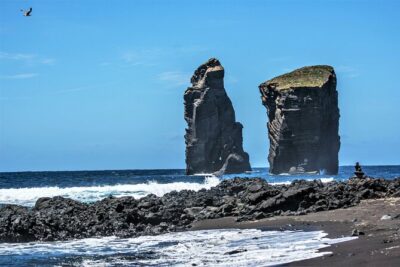
São Miguel West Full Day Tour with Setes Cidades Including Lunch
Read our review →
São Miguel East Van Tour with Lunch: Furnas & Nordeste
Read our review →
São Miguel East: Full-Day Van Tour with Lunch
Read our review →
São Miguel Azores: Half-Day Whale Watching Trip
Read our review →Browse the lists this tour appears in