
REVIEW · FOOD & DRINK
Lisbon: Private Food Tour – 10 Tastings with Locals
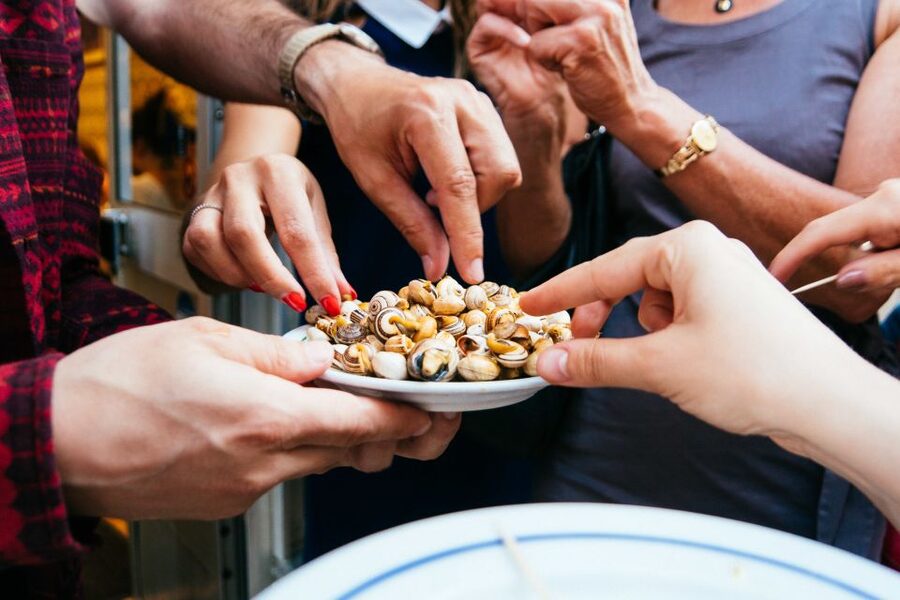
Lisbon tastes better one small bite at a time. This three-hour private tour combines 10 Portuguese food and drink tastings with a useful introduction to the city, including Miradouro de São Pedro de Alcântara, Largo do Chiado, and Sé Cathedral. I like the mix of eating and sightseeing, and I like that the food choices include famous staples such as pastel de nata and pastéis de bacalhau rather than only fashionable restaurant fare.
The main consideration is price: at $156 per person, this is not a cheap snack outing. You are paying for a private guide, a planned tasting route, local context, and the chance to ask questions at your own pace. You should also expect to walk, wear comfortable shoes, and note that the tour is not suitable for wheelchair users.
In This Review
- Key points at a glance
- Starting at São Pedro de Alcântara
- What ten tastings really means
- The pastry stop: pastel de nata
- Pastéis de bacalhau and the savory side
- Miradouro views and Lisbon orientation
- A private guide changes the pace
- Is $156 per person good value?
- What the tour does not include
- Who will enjoy this Lisbon food walk?
- Should you book the 10-tasting tour?
- FAQ
- How long is the Lisbon private food tour?
- How many tastings are included?
- What foods are specifically mentioned?
- Are vegetarian alternatives available?
- Where does the tour meet?
- Is hotel pickup included?
- What language is the tour offered in?
- Is the tour suitable for wheelchair users?
Key points at a glance
- Ten tastings in three hours: The food is the center of the experience, with savory dishes, sweets, and local drinks included.
- Pastel de nata and pastéis de bacalhau: You get two of Portugal’s best-known bites in local settings, not just a quick pastry stop.
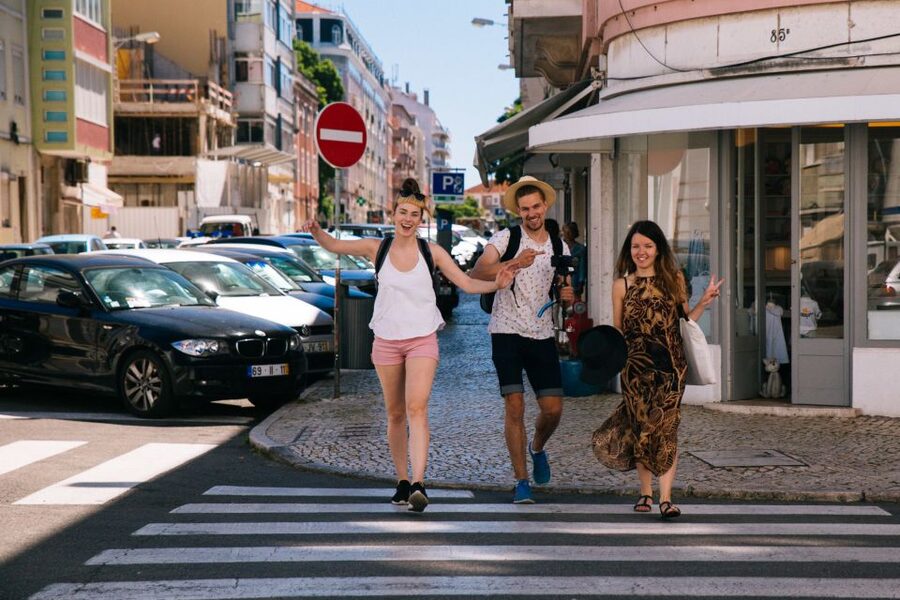
- Sightseeing between meals: The route includes Miradouro de São Pedro de Alcântara, Largo do Chiado, and Sé Cathedral.
- A genuinely private format: Your group has an English-speaking local host rather than joining a large public walk.
- Vegetarian alternatives: The menu can be adapted if you tell your guide at the beginning.
- A useful first-day activity: The combination of food, orientation, and cultural background can help you get your bearings in Lisbon.
Starting at São Pedro de Alcântara
The meeting point is the fountain at Miradouro de São Pedro de Alcântara. This is a good opening location because it gives you a view over part of central Lisbon before the food begins. You meet your host here, then set off on foot through the city.
The starting point also tells you something about the tour’s character. This is not simply a restaurant crawl with no sense of place. The guide uses Lisbon’s streets, viewpoints, squares, and monuments as part of the lesson, explaining how food connects with local culture and daily life.
You should arrive ready to walk. Lisbon has steep streets, uneven paving, and plenty of hills, so comfortable shoes are important. The supplied details do not give a precise route length or list every stop, but the experience includes several notable areas between tastings.
A private format is especially useful at the beginning. You can ask about foods you do not recognize, request more explanation about Portuguese customs, or slow down for questions about the city. Past guides have included Elisa, Raluca, Sofia, Ângelo, Angelo, Antonio, Luciana, Luis, and Diogo. Sofia was praised for explaining Lisbon’s myths, architecture, political climate, and history, while Antonio was appreciated for practical advice about getting around town.
More Food Tours in Lisbon
- Winner 2025 Undiscovered Lisbon Food & Wine Tour by Eating Europe
★ 5.0 · 6,390 reviews - Lisbon: Food and Wine Small Group Walking Tour
★ 4.9 · 4,082 reviews - Lisbon Small-Group Food Tour with 18 Tastings in Alfama District
★ 5.0 · 1,967 reviews
What ten tastings really means
Ten tastings sounds generous for a three-hour tour, and it is. The important point is that these are not described as ten full meals. You are sampling a range of local food and drinks, so the tour works best as a broad introduction rather than a long sit-down lunch.
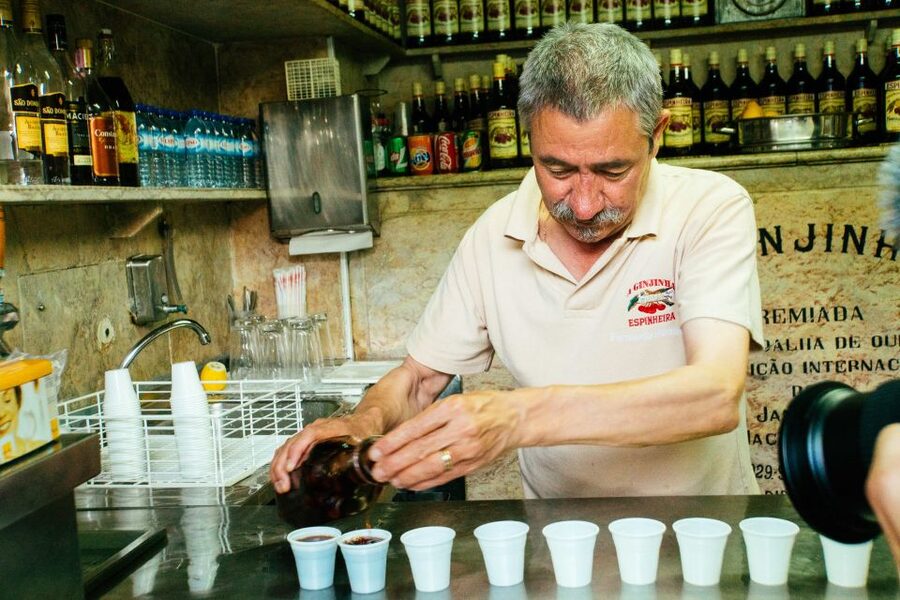
The selection moves from savory to sweet. That gives you a chance to compare different parts of Portuguese cooking instead of spending the whole afternoon on pastries. You should expect the menu to include local classics, small portions, and drinks chosen by your host, though the exact items beyond the named specialties are not specified in advance.
That flexibility can be an advantage. A local guide can choose places and products that fit the day, the route, and your preferences. It also means you should not book this expecting a fixed printed menu with ten guaranteed dishes. If a particular food matters to you, ask your guide at the start.
The two named foods are excellent markers for the experience. Pastel de nata is Portugal’s famous egg custard tart, with a crisp pastry shell and creamy custard center. Pastéis de bacalhau are cod cakes, a classic savory snack. These are familiar names, but tasting them in local food stops gives them more meaning than simply buying a pastry at an airport café.
The food also appears to be plentiful enough to feel satisfying. One account described the portions as outstanding and plentiful, while another called the outing a successful gastronomy adventure. Even so, I would treat the tour as a substantial tasting session, not a guaranteed replacement for dinner.
The pastry stop: pastel de nata
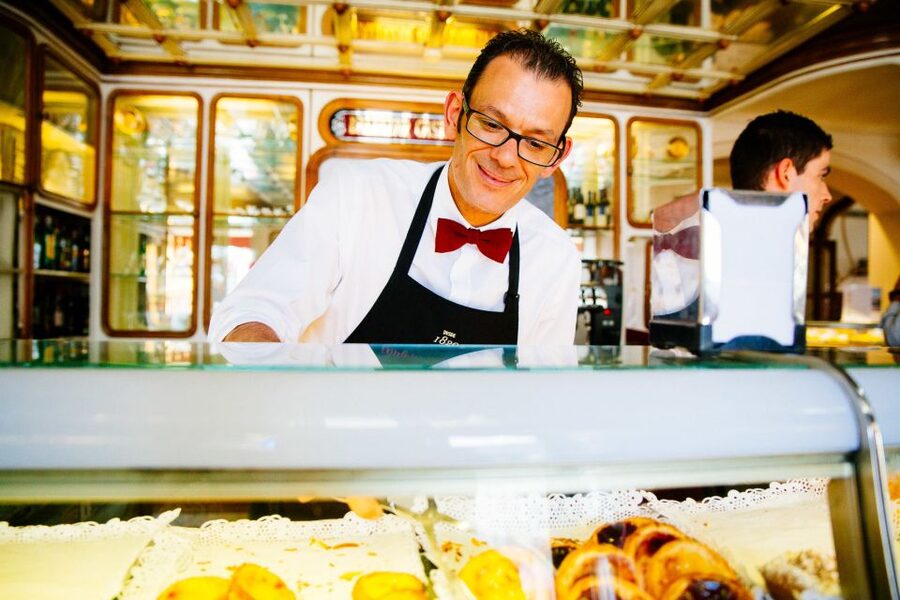
Pastel de nata is often the food that first attracts visitors to a Portuguese food tour. It is easy to find across Lisbon, but a guide adds useful context by showing you where it fits within local eating habits and by helping you notice the difference between an ordinary tart and a well-made one.
The value here is not only the pastry itself. You get to ask how Portuguese people eat it, what other local sweets are common, and which foods deserve more attention during the rest of your stay. A good host can turn a familiar item into a reference point for the country’s broader food culture.
Do not expect the tour description to guarantee one specific bakery or a particular famous shop. It promises authentic local hotspots, but the precise businesses may vary. That is sensible for a private route, though anyone hoping for a famous-name bakery should confirm the day’s stops with the guide.
Pastéis de bacalhau and the savory side
Pastéis de bacalhau bring a different texture and flavor to the route. These cod cakes show why Portuguese food is not limited to sweets, grilled seafood, or restaurant meals. They are a practical local snack and a good way to sample salted cod in a small portion.
This is where the guide’s cultural explanation matters. Portuguese food often carries stories about preservation, trade, regional habits, and home cooking, and the tour promises background about cultural relevance along the route. The available details do not specify exactly what will be discussed, so I would not expect a formal cooking class. Instead, think of short explanations delivered while you eat and walk.
If you are vegetarian, tell the guide at the beginning. Vegetarian alternatives are available, and the menu will be adapted. The description does not list each substitute, so you should explain any dietary needs clearly before the first tasting rather than assume every stop will offer the same options.
A few more Lisbon options side by side
- Lisbon City Center Tour – The Unmissable Lisbon
★ 5.0 · 22,234 reviews - Lisbon: Sintra, Pena, Regaleira, Cabo da Roca & Cascais
★ 4.7 · 19,656 reviews - Lisbon: Jerónimos Monastery Entrance Ticket
★ 4.1 · 14,164 reviews - Lisbon: History, Stories and Lifestyle Walking Tour
★ 4.8 · 10,902 reviews
Miradouro views and Lisbon orientation
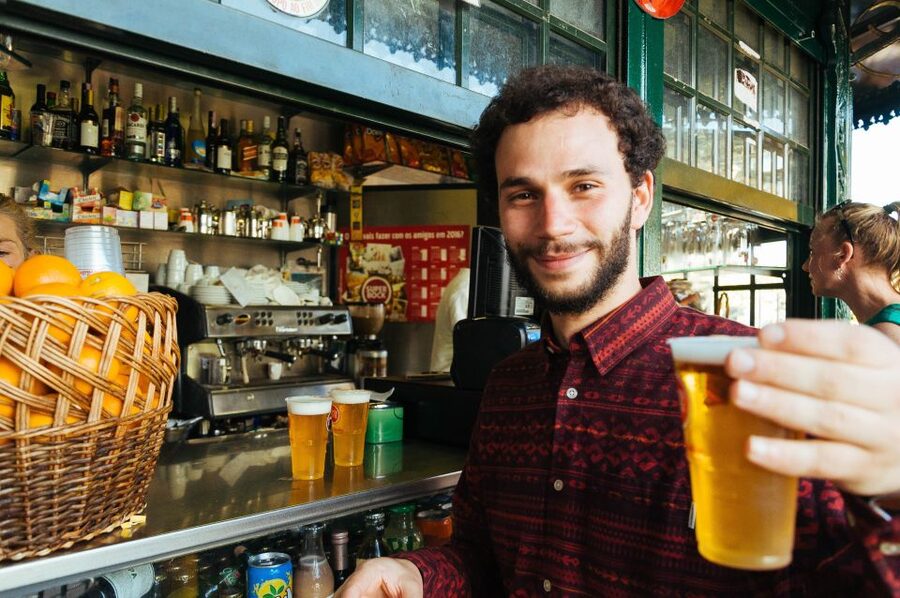
The sightseeing is one of the strongest reasons to choose this tour over a food-only experience. Miradouro de São Pedro de Alcântara gives you a broad city view, while the route continues through places such as Largo do Chiado and the Sé Cathedral area.
Largo do Chiado is a central Lisbon district with an important role in the city’s cultural and commercial life. Walking through it between tastings helps you connect the food with the neighborhoods where people meet, shop, and eat. The tour does not present these sites as long museum visits, so you should expect brief stops and explanations rather than extended guided tours inside monuments.
Sé Cathedral gives the route another change of pace. It is one of Lisbon’s major religious landmarks, and its inclusion adds architecture and history to an afternoon that could otherwise become a series of food counters. The guide can explain why the site matters, then keep the route moving toward the next tasting.
I like this balance. Food tours are most useful when they show you how a city works, not just what it tastes like. The route appears designed to give you a first look at central Lisbon while leaving you with ideas for places to return to later.
A private guide changes the pace
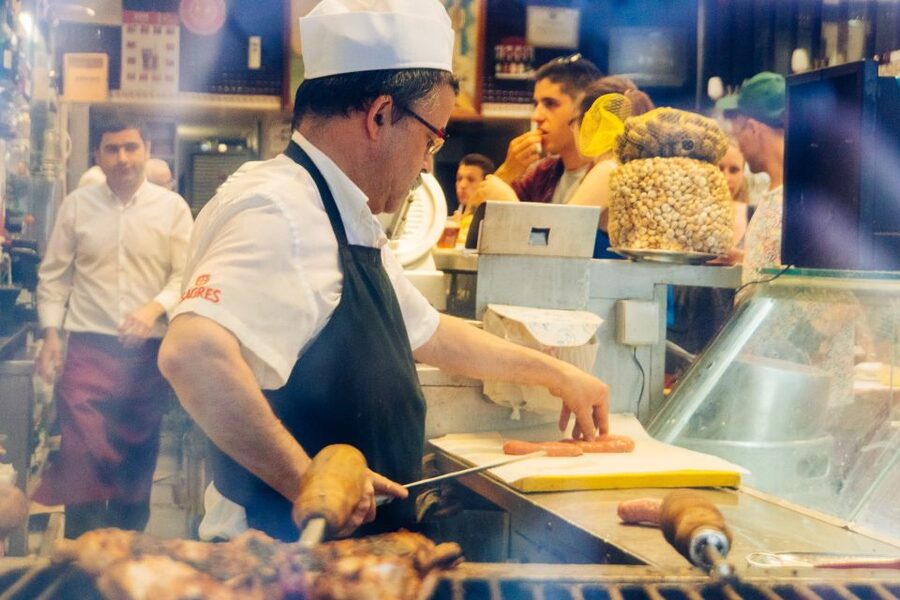
The private-group setup is a major part of the price. You are not sharing the guide’s attention with a large public group, and you can ask questions without holding up a crowd. That is helpful in Lisbon, where visitors often want to ask about food customs, local neighborhoods, public transportation, and the meaning of buildings they pass.
The guide quality is important here. Several named hosts received strong praise for being friendly, patient, funny, and well informed about Portuguese food and culture. Ângelo was particularly appreciated for combining food with explanations of Lisbon’s past and culture. Luciana was praised for choosing good food stops, while Luis was described as a strong guide for starting a first visit to Lisbon.
Of course, a private tour is only as good as the person leading it. The experience is sold with a local host, but the exact guide depends on your booking. The consistently positive guide feedback is encouraging, though you should keep your expectations realistic: this is a personal walking and tasting experience, not a formal academic lecture.
The three-hour length is well judged for most people. It is long enough to fit ten samples and several sightseeing stops, but short enough to leave the rest of your day free. If you have just arrived in Lisbon, schedule it early in your stay. You can use the guide’s suggestions later for restaurants, neighborhoods, and getting around.
Is $156 per person good value?
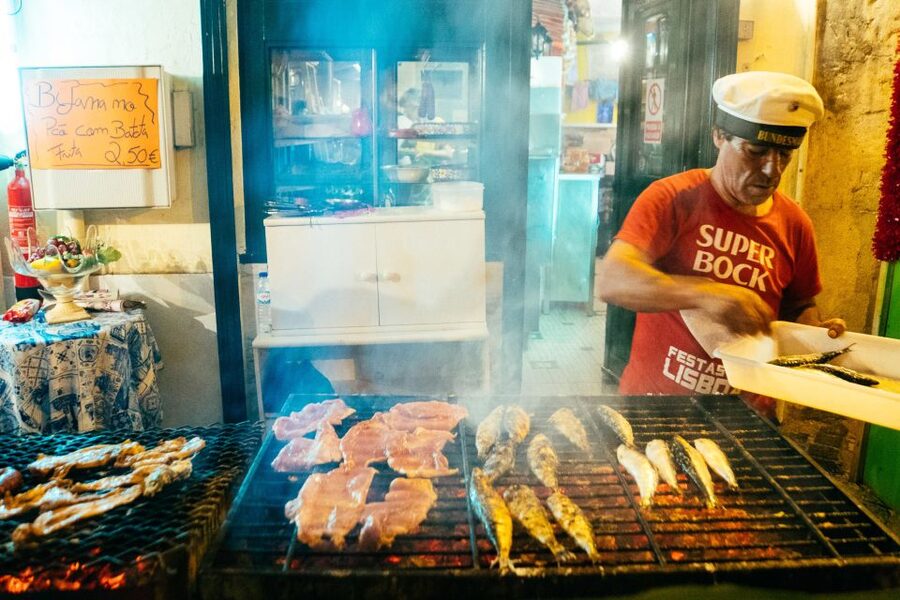
At $156 per person, the tour costs more than buying the same number of snacks independently. That comparison is fair, but incomplete. The price includes ten food and drink tastings, a private English-speaking guide, and a planned route through several central Lisbon sights.
The strongest value comes when you want more than food. You are paying for interpretation, company, route planning, and the chance to get direct answers about Lisbon. If you are a couple or small private group that values personal attention, the cost may feel reasonable. It is less attractive if you mainly want inexpensive pastries and cod cakes.
A food tour can also reduce the risk of wasting meals early in a trip. Instead of ordering unfamiliar dishes at random, you get a guided sample of local favorites and can make better choices afterward. That practical benefit matters more if you have only a short stay.
The tour includes vegetarian alternatives, which adds value for people who might otherwise struggle with a food-focused itinerary. Still, the menu adaptation is not fully detailed, so anyone with serious allergies or strict dietary requirements should discuss them with the guide before relying on the tour.
What the tour does not include

Hotel pickup and drop-off are not included. You need to make your own way to the fountain at Miradouro de São Pedro de Alcântara, then arrange your return afterward.
The activity is not suitable for wheelchair users. The supplied information does not describe every surface or slope, but Lisbon’s hills and paving make this restriction important. If mobility is a concern, ask the provider directly before booking rather than assuming a private format solves the problem.
The tour is offered in English, with a live guide. Starting times depend on availability. You can cancel up to 24 hours in advance for a full refund, and the reserve-now, pay-later option keeps you from paying at the time of booking. Those policies are useful, but they do not change the need to choose a time when you can comfortably manage three hours of walking and eating.
Who will enjoy this Lisbon food walk?
I would recommend it most strongly to first-time visitors who want a quick introduction to Lisbon’s food and central sights. It is also a good fit for couples, families with older children, and small private groups who enjoy asking questions and moving at their own pace.
Food lovers will appreciate the range of ten samples, especially if they want both savory and sweet items. People interested in city history and architecture will get more from this than from a standard snack crawl because the guide also discusses the relevance of places along the route.
This may not be the best choice for someone seeking a formal cooking lesson, a fixed restaurant itinerary, or a low-cost way to eat lunch. It also may not suit anyone who dislikes walking hills or prefers a completely predictable menu.
Should you book the 10-tasting tour?
Book it if you want food plus orientation, not food alone. The private guide, ten tastings, vegetarian flexibility, and stops at São Pedro de Alcântara, Chiado, and Sé Cathedral make this a useful first or second day in Lisbon.
I would hesitate only if $156 feels high for a three-hour activity, if you need wheelchair access, or if you want every dish and restaurant confirmed in advance. For everyone else, the format offers a pleasant way to learn what to eat next, where to walk next, and how Lisbon’s food fits into its culture.
FAQ
How long is the Lisbon private food tour?
The tour lasts three hours.
How many tastings are included?
The experience includes 10 food and drink tastings.
What foods are specifically mentioned?
The tour specifically includes pastel de nata and pastéis de bacalhau, along with other Portuguese food and local drinks.
Are vegetarian alternatives available?
Yes. Vegetarian alternatives are available, and you should tell your local guide at the beginning so the menu can be adapted.
Where does the tour meet?
Your host meets you by the fountain at Miradouro de São Pedro de Alcântara.
Is hotel pickup included?
No. Hotel pickup and drop-off are not included.
What language is the tour offered in?
The tour has a live English-speaking guide.
Is the tour suitable for wheelchair users?
No. The activity is listed as not suitable for wheelchair users.
Recently added in Lisbon
- Lisbon Cinematic Photoshoot with Top-Rated Photographer★ 5.0 · 76 reviews
- City Centre Run in Lisbon★ 5.0 · 164 reviews
- City of Neighborhoods Tour 1H 30M Private Tour by Tuk Tuk★ 5.0 · 38 reviews
- Central Lisbon E-Bike Tour★ 5.0 · 168 reviews
- Hands on Portuguese Cooking Class in Lisbon★ 5.0 · 136 reviews
- Lisbon City Tour by Tuk Tuk★ 4.5 · 137 reviews
- Lisbon Sailing Catamaran Public Cruise with drinks★ 5.0 · 304 reviews
- Romantic Private Sailboat in Lisbon for couples★ 5.0 · 38 reviews
Food & Drink, compared.
Winner 2025 Undiscovered Lisbon Food & Wine Tour by Eating Europe
Read our review →

Douro Valley Small-Group Tour with Wine Tasting, Lunch and Boat
Read our review →

Douro Valley Tour with Wine Tasting, Cruise and Lunch
Read our review →
Douro Valley Tour: Wine Tasting, Cruise and Lunch from Porto
Read our review →
Porto Food & Wine Tasting Tour with Lunch or Dinner Option
Read our review →Browse the lists this tour appears in