
REVIEW · AZORES TOURS
Azores: Canyoning in Salto do Cabrito
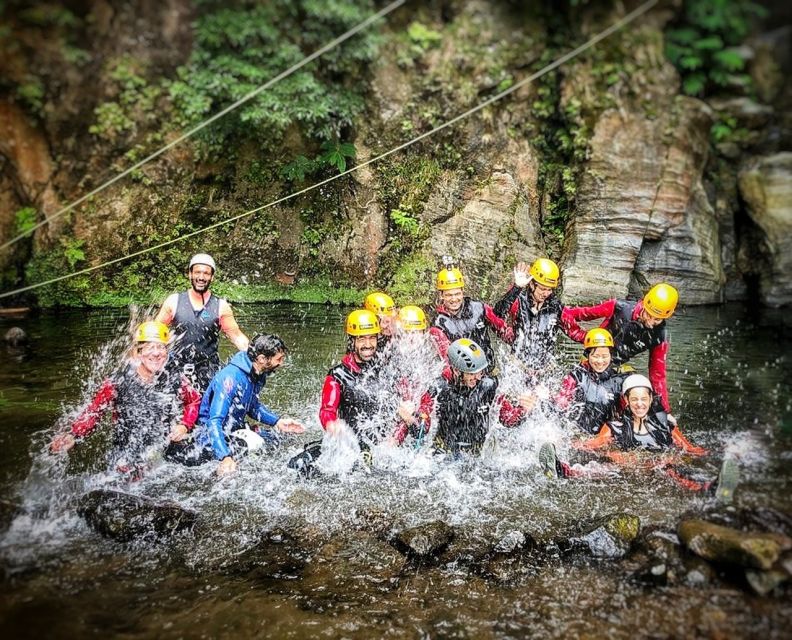
Water, rock, and a little nerve. Salto do Cabrito offers a memorable way to explore São Miguel’s volcanic interior, with canyoning through a narrow river corridor, rappelling beside waterfalls, ziplining over drops, and finishing near a natural pool. The geothermal setting makes this canyon unusual, since warm springs feed parts of the river throughout the year.
I like the small groups of up to 10 and the strong focus on safety. I also like that the price includes the gear you need, from neoprene clothing to canyoning boots, so you do not have to build an expensive kit before trying the sport. The main consideration is physical: this is an active outing involving scrambling, water, heights, and jumps, not a gentle sightseeing walk.
In This Review
- Quick takeaways for Salto do Cabrito
- Why Salto do Cabrito is more than a standard canyon
- Meeting at SPLASH Azores Adventure
- The opening briefing sets the tone
- Getting fitted in neoprene and canyoning gear
- The warm-up walk to the canyon
- Scrambling through the riverbed
- Rappelling beside waterfalls
- Ziplining, jumps, and the final natural pool
- How safe does the experience feel?
- Who will enjoy this most?
- Is $94 a fair price?
- Practical preparation before you arrive
- Should you book Salto do Cabrito canyoning?
- FAQ
- How long does the Salto do Cabrito canyoning experience last?
- How much does the canyoning experience cost?
- What languages do the guides speak?
- How many people can join the group?
- What equipment is included?
- What should I bring?
- Where is the meeting point?
- Can I cancel or pay later?
Quick takeaways for Salto do Cabrito
- Warm water in a volcanic canyon: Geothermal springs along the river help make this a year-round canyoning site.
- A first-timer-friendly challenge: You can learn rappelling and ziplining with certified guides, even if you have never tried canyoning.
- Small groups matter: With no more than 10 participants, guides can offer more direct help and encouragement.
- A full equipment package: Neoprene suits, socks, boots, helmets, harnesses, and ropes are provided.
- Guides who keep the mood light: João and the other guides are praised for mixing jokes with careful safety instructions.
- Allow 3.5 hours: The outing includes the briefing, gearing up, walk to the canyon, descent, and return.
Why Salto do Cabrito is more than a standard canyon
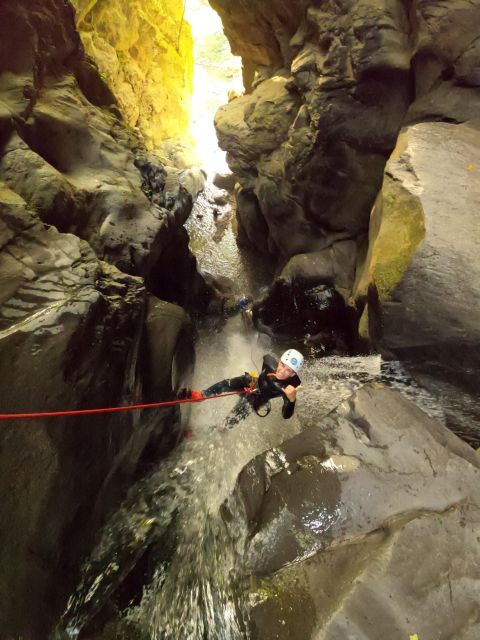
Salto do Cabrito is shaped by the volcanic forces that define the Azores. The river runs between large natural walls, and geothermal activity warms sections of the water. That combination gives the canyon a character you will not find on an ordinary forest hike or a dry rock-climbing course.
The scenery is not simply something you view from a lookout. You move through it from the riverbed, stepping across rock, passing below waterfalls, and looking up at the walls from inside the gorge. That close contact is a big part of the appeal.
The canyon is also described as suitable throughout the year. Conditions still affect what you do on a particular day. One outing had to change its planned activities because of weather, but the group still completed rappelling and jumps. That is worth keeping in mind: canyoning is weather-dependent, and flexibility is part of the deal.
A few more Sao Miguel Island options side by side
- From Ponta Delgada: Whale and Dolphin Watching Trip
★ 4.7 · 4,109 reviews - Azores Whale Watching & Islet Boat Tour
★ 4.6 · 2,146 reviews - São Miguel West: Full-Day Van Tour with Lunch
★ 4.9 · 1,948 reviews
Meeting at SPLASH Azores Adventure
You meet at the SPLASH Azores Adventure store. The free parking area is nearby, and the walk from the car park to the shop takes about 30 seconds. This is refreshingly simple, especially if you are carrying a towel, water, and a change of clothes.
The company operates in Portuguese, English, and Spanish. If you are more comfortable receiving technical instructions in English, confirm that when booking, although English is listed as an available tour language.
The total outing lasts about 3.5 hours. That is long enough to make the trip feel substantial, but short enough to fit into a busy day on São Miguel. I would avoid scheduling a major activity immediately afterward, since you may need time to change, dry off, and recover from the physical work.
The opening briefing sets the tone
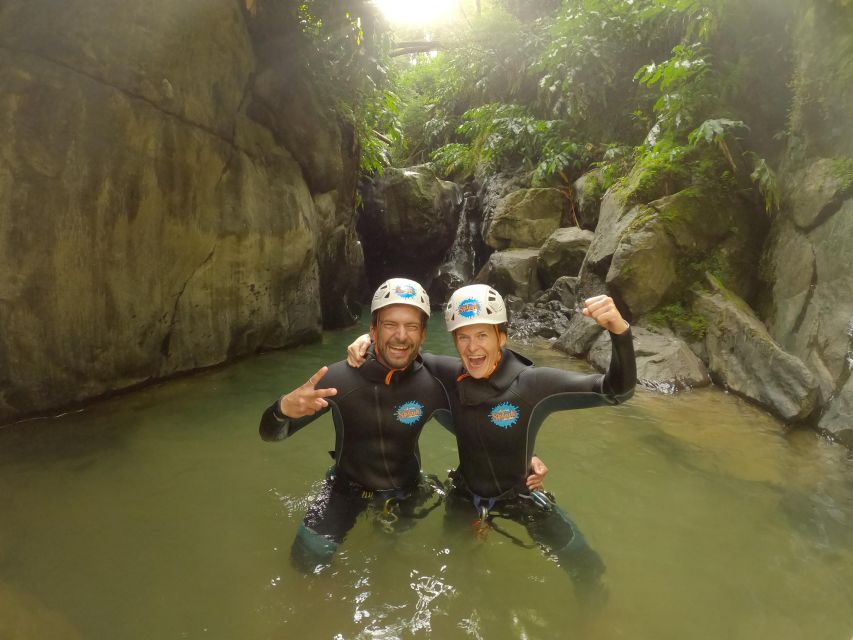
The first stage is a welcome briefing. This is where the guides explain how the day will work, how to use the equipment, and what to expect in the canyon.
For a first-time participant, this is the most important part of the trip. Rappelling down a waterfall can sound simple until you are standing at the edge with a rope system attached. Clear instructions and a calm guide make a real difference, particularly if you are uneasy with heights.
The guides have been repeatedly praised for being professional, patient, and safety-focused while still keeping the mood cheerful. João is singled out for his humor and encouragement, while the two guides named João were described as well-trained and entertaining. That balance is useful. A guide who is too stern can make a nervous person freeze, but a guide who treats safety casually is not acceptable in this sport.
Getting fitted in neoprene and canyoning gear
You receive a neoprene suit and neoprene socks, along with canyoning boots, a helmet, an equipped harness, and the ropes needed for the activity. This is one of the strongest parts of the $94 price.
Neoprene helps protect you from cool water and contact with the rock. The boots provide better grip than ordinary trainers, while the helmet and harness are essential for the technical sections. You should still bring a towel, sunscreen, water, and beachwear. Sandals and flip flops are not allowed, and bare feet are not permitted.
Wear swimwear or beachwear under the neoprene suit. Bring only what you need, since canyoning equipment already gives you plenty to manage. The information provided does not specify how personal belongings are handled, so ask the shop where to leave valuables before starting.
Same corner of the country, a different pace:
- São Miguel East: Full-Day Van Tour with Lunch
★ 4.9 · 1,124 reviews - São Miguel Azores: Half-Day Whale Watching Trip
★ 4.5 · 983 reviews - Sao Miguel: Caldeiroes Canyoning Experience
★ 4.9 · 751 reviews - São Miguel: Glass Bottom Boat Tour with Snorkeling
★ 4.7 · 633 reviews
The warm-up walk to the canyon
After the briefing and equipment fitting, you walk toward the canyon opening. This warm-up helps you get used to the boots and the weight of the harness before the technical work begins.
The walk also builds anticipation. You leave the ordinary road and prepare to enter a setting shaped by water and volcanic rock. It is not a long sightseeing stop, but it is an important transition from town to canyon.
Do not expect to begin with a dramatic rappel the moment you arrive. The activity starts with preparation, walking, and a gradual introduction to the river. That pacing is good for beginners, since you have time to settle in before facing the higher drops.
Scrambling through the riverbed
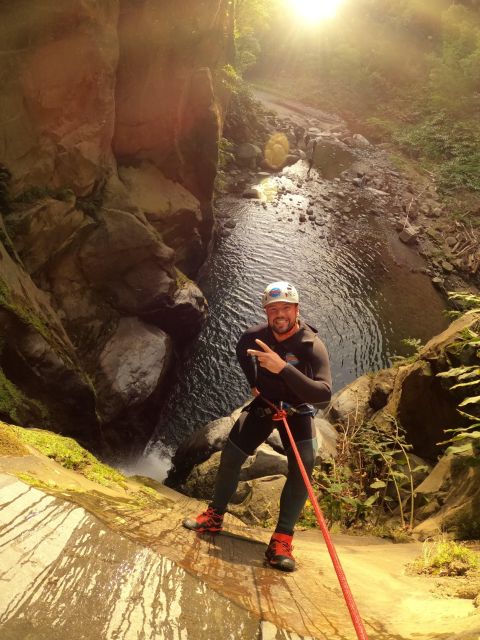
The descent begins with scrambling and exploring downstream. Scrambling means using your hands and feet to move over uneven rock, rather than simply walking along a smooth path.
This is where the outing becomes a physical adventure. You need to watch your footing, follow the guide, and move at the group’s pace. Water and rock can make each step feel less certain than it would on a normal trail.
You should be comfortable getting wet and working your way through a natural river corridor. The canyon walls and waterfalls provide the scenery, but the route itself is part of the challenge. If you prefer a passive activity, this will feel like work. If you enjoy active exploration, the riverbed is one of the best features.
Rappelling beside waterfalls
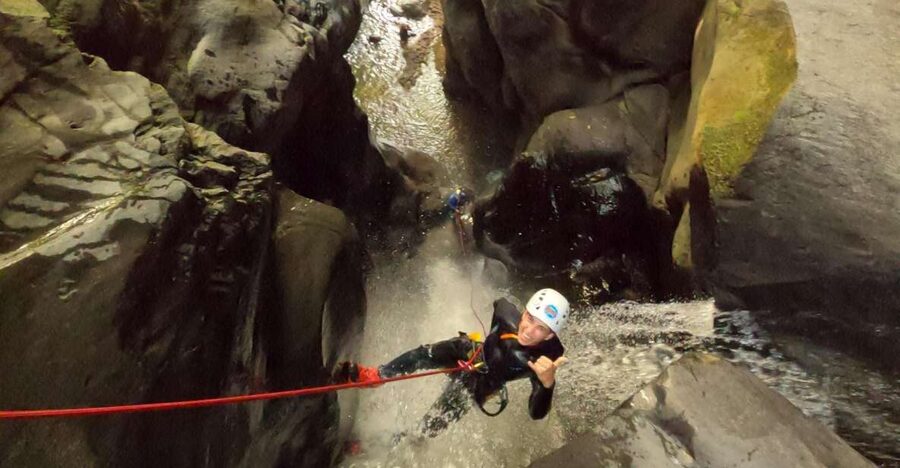
Rappelling, also called abseiling, is the headline attraction. You use the rope system to descend drops and medium waterfalls under the guide’s direction.
The height and technical nature vary along the route. One participant described a large abseil as a major highlight, while another praised the waterfall rappel and the support given to a family member who was nervous about heights. That suggests the guides are used to helping people who are new to the sport or uncertain about a particular descent.
You do not need to arrive as an expert. The key is listening carefully, keeping your body position as instructed, and letting the guide manage the rope system. The guides’ safety-first approach is especially valuable here. They explain what to do, check the setup, and encourage you through the drop.
The emotional reward is not just reaching the bottom. It is the change in confidence from looking at the descent with doubt to completing it under your own control.
Ziplining, jumps, and the final natural pool
The route can also include ziplining along drops and waterfalls. This gives you a faster, more playful way to cross a section of the canyon. It is a nice contrast to the slower, more controlled work of rappelling.
The exact activities can change with weather and conditions. Do not treat every listed feature as guaranteed on every date. A weather-related change still included rappelling and jumps, showing that the guides can adapt the outing rather than simply canceling the experience.
A final leap into a natural pool has been described as one of the memorable closing moments. Jumping is exciting, but it should never feel forced. If you are nervous, tell the guide clearly and ask what alternatives are available before you reach the jump point.
The warm volcanic water is another special touch. Parts of the river are influenced by hot springs, so the setting can feel surprisingly mild compared with a typical mountain canyon. The water temperature will not make the trip effortless, but it adds to the sense that you are exploring a distinctly Azorean place.
How safe does the experience feel?
Safety is the clearest strength of this outing. The company supplies certified equipment and certified guides, and the small group size allows more direct supervision.
The strongest pattern in the feedback is not simply that people had fun. It is that first-time participants felt safe while doing something that initially seemed intimidating. Guides are described as explaining everything clearly, checking for danger, and offering patient support during rappels and jumps.
That does not remove the natural risks. Canyoning involves wet rock, uneven footing, moving water, rope work, and heights. You need to follow instructions and be honest about your fitness and medical history.
The activity is not suitable for children under 10, pregnant women, people with back or heart problems, wheelchair users, people over 70, or anyone with pre-existing medical conditions or recent surgery. The supplied information also gives two different maximum weight figures, 287 pounds or 130 kilograms, and 243 pounds or 110 kilograms. Because those figures conflict, contact SPLASH before booking if your weight is near either limit.
Who will enjoy this most?
I would recommend this for active families with children aged 10 and over, couples, friends, and solo participants who want a physical challenge with a strong guide structure. A family group with teenagers aged 13 and 15 completed the activity as first-time canyoners, and the support for a parent nervous about heights was a clear benefit.
You do not need previous canyoning experience. You do need a willingness to scramble, get wet, use ropes, and take part in an energetic outing.
This is not the best choice if you have a serious medical condition, recent surgery, a back or heart problem, or a strong dislike of heights. It also may not suit you if you want a quiet nature walk. The canyon is beautiful, but you experience it while concentrating on your next step.
Is $94 a fair price?
At $94 per person, the value is good if you want a properly equipped introduction to canyoning. The price covers a certified guide, certified ropes and other equipment, a neoprene suit, neoprene socks, canyoning boots, a helmet, and a harness.
Buying or renting all that equipment separately would be inconvenient and could cost a significant amount. You are also paying for technical instruction and rope management, not simply access to a river.
The small group limit improves the value. A group of up to 10 is not private, but it is compact enough for the guide to watch technique and help with nerves. If the group fills, expect some waiting while other people complete a rappel or jump. That is normal for a guided canyoning trip, though it means the actual moving time is less than 3.5 hours.
A photo service is another welcome benefit. The guides have taken pictures during the activity and sent participants a link afterward. Confirm the current photo arrangement when you arrive, but it can save you from worrying about cameras while moving through the canyon.
Practical preparation before you arrive
Bring the required basics:
- Towel
- Sunscreen
- Water
- Beachwear
Do not arrive in sandals or flip flops. Bare feet are also prohibited, since the riverbed and equipment require proper protection. Alcohol, drugs, and explosive substances are not allowed, which should go without saying, but the rule is worth noting for a safety-based activity.
Keep your plans flexible around the weather. The canyon can operate throughout the year, but conditions may change the route or the activities. If a zipline or jump is altered, the guides may still provide a strong outing with other technical sections.
The free cancellation policy allows you to cancel up to 24 hours in advance for a full refund. You can also reserve and pay later, which helps if your São Miguel schedule is still shifting.
Should you book Salto do Cabrito canyoning?
Book it if you want to experience the Azores from inside a volcanic river canyon rather than from a viewpoint. The combination of warm springs, tall rock walls, waterfalls, rappelling, ziplining, and a natural-pool finish gives the outing a clear sense of place.
I especially like it for first-timers. The guides appear to understand that good canyoning requires both humor and discipline. João and the rest of the team are praised for helping nervous participants without making the activity feel timid.
Skip it if you cannot meet the physical or medical requirements, or if heights and cold, wet conditions sound unpleasant. For everyone else, $94 buys a well-equipped, tightly guided adventure that can become one of the most memorable active experiences on São Miguel.
FAQ
How long does the Salto do Cabrito canyoning experience last?
The activity lasts about 3.5 hours, including the welcome briefing, equipment fitting, warm-up walk, and canyon descent.
How much does the canyoning experience cost?
The listed price is $94 per person.
What languages do the guides speak?
The tour is available in Portuguese, English, and Spanish.
How many people can join the group?
The group is limited to 10 participants.
What equipment is included?
The experience includes a certified guide, certified equipment such as ropes, a neoprene suit, neoprene socks, canyoning boots, a helmet, and an equipped harness.
What should I bring?
Bring a towel, sunscreen, water, and beachwear.
Where is the meeting point?
Park in the free parking area, then walk about 30 seconds to the SPLASH Azores Adventure store.
Can I cancel or pay later?
You can cancel up to 24 hours in advance for a full refund. You can also reserve your place and pay later.
Recently added in Sao Miguel Island
- Island Van Tour (Full Day) | Terceira Island★ 4.9 · 176 reviews
- Terceira: Half-Day Island Tour with Cheese Tasting★ 4.4 · 106 reviews
- Terceira: Half-Day Dolphin and Whale Watching Tour★ 4.6 · 219 reviews
- Sete Cidades: Half-Day ATV Quad Tour★ 4.9 · 347 reviews
- São Miguel: Sete Cidades and Lagoa do Fogo Full-Day Tour★ 4.8 · 65 reviews
- Ponta Delgada: Full-Day Sete Cidades 4X4 Tour with Lunch★ 4.9 · 50 reviews
- Sete Cidades Azores 4×4 Day Tour from Ponta Delgada★ 4.9 · 46 reviews
- Ribeira Grande: Sete Cidades Quad / Buggy Tour★ 5.0 · 163 reviews
Azores Tours, compared.
São Miguel West: Full-Day Van Tour with Lunch
Read our review →
São Miguel West Full Day Tour with Setes Cidades Including Lunch
Read our review →
São Miguel East Van Tour with Lunch: Furnas & Nordeste
Read our review →
São Miguel East: Full-Day Van Tour with Lunch
Read our review →
São Miguel Azores: Half-Day Whale Watching Trip
Read our review →Browse the lists this tour appears in