
REVIEW · WINE TOURS
Porto Half-Day Tour and Wine Tasting
Porto reveals itself one steep street at a time. I like the way this four-hour outing links the historic center with Vila Nova de Gaia, giving you both old Porto and the city’s famous wine tradition in one morning or afternoon. I also like the strong guide element, with past tours led by people such as Antonio, Jorge, Paula, Ricardo, Sophia, and Jonathan.
The main drawback is the short wine tasting. One past booking included only a small sip of one red and one white port, so you should not expect a long cellar session. Still, at $40 per person, the combination of central sightseeing, entrance fees, a local guide, and wine tasting makes this a sensible first look at Porto.
In This Review
- Key Points Before You Book
- Why This Half-Day Tour Works Well in Porto
- Starting Near São Bento Station
- Sé and the Roots of Porto
- Walking Through Central Porto
- Crossing to Vila Nova de Gaia for Wine
- The Guides Are the Tour’s Strongest Asset
- What $40 Includes and What It Does Not
- Timing, Language, and Practical Comfort
- Who Will Get the Most From This Tour?
- Should You Book the Porto Half-Day Tour?
- FAQ
- Where does the Porto tour start?
- How long does the tour last?
- Which languages are available?
- Is the wine tasting included?
- Is the Clérigos Church and Tower entrance fee included?
- Can I cancel the booking?
Key Points Before You Book
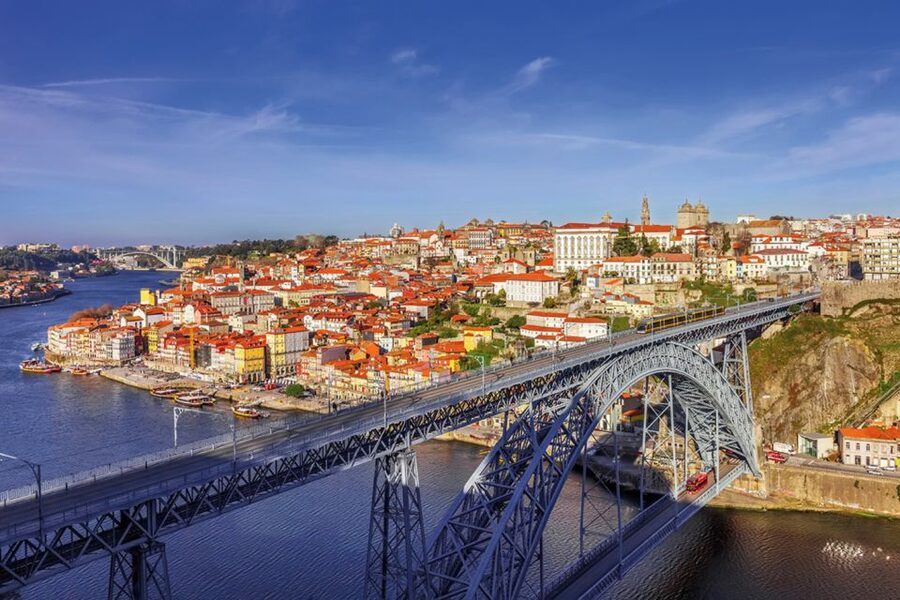
- Four hours covers Porto and Gaia: You see the city center, Sé, São Bento Station, and a traditional wine cellar across the river.
- The tour begins near São Bento: Meet at R. de Mouzinho da Silveira 352, close to St. Bento Station, at least 15 minutes before departure.
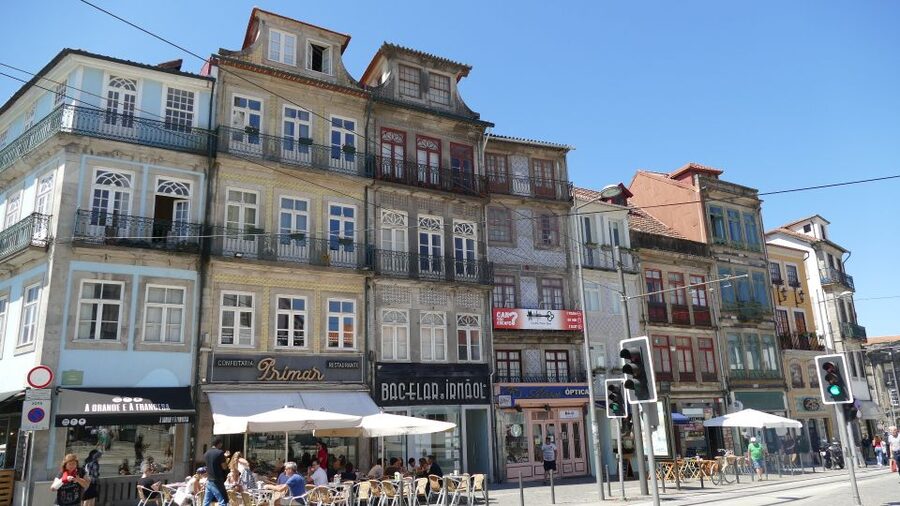
- The city walk has plenty of character: Expect narrow old streets, ancient squares, traditional façades, historic storefronts, and Roman-era traces.
- The wine cellar is in Vila Nova de Gaia: This is where Porto’s famous fortified wine has long been stored and presented.
- Clérigos entry costs extra: The church and tower are part of the sightseeing picture, but their entrance fee is not included.
- The guide makes a real difference: English, French, Portuguese, and Spanish tours are available, and past guides earned especially strong praise for their explanations and care.
Why This Half-Day Tour Works Well in Porto
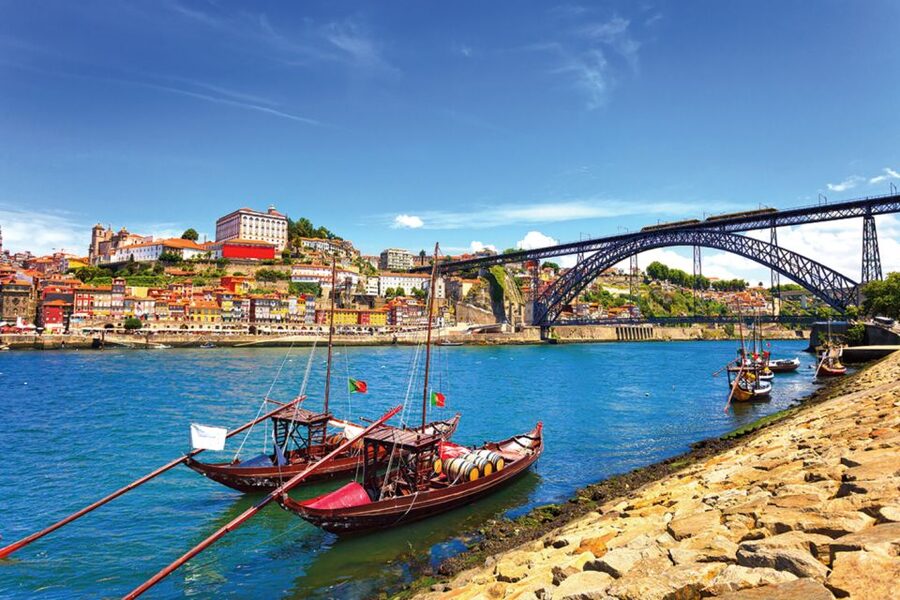
Porto can feel confusing at first. Its old center rises and falls sharply, streets twist without warning, and the riverfront sits below the upper city. A guided walk helps you get your bearings quickly, especially if this is your first day in town.
This tour also makes a useful connection between two sides of Porto. In the upper city, you see churches, stations, markets, and civic streets. In Gaia, you learn about the wine that helped give Porto its name around the world. You get culture, architecture, and a taste of local tradition without giving up a full day.
The pace is best for someone who wants an overview rather than a slow, detailed visit to every monument. Four hours passes quickly, and some stops are guided visits rather than long independent explorations. You will see a lot, but you should save extra time later if you want to climb the Clérigos Tower, return to São Bento Station, or linger at the market.
More Food Tours in Porto
- From Porto: Douro Valley w/ Boat Tour, Wine Tasting & Lunch
★ 4.7 · 19,061 reviews - Porto: Cálem Cellar Tour, Interactive Museum & Wine Tasting
★ 4.5 · 4,113 reviews - Douro Valley Small-Group Tour with Wine Tasting, Lunch and Boat
★ 5.0 · 3,642 reviews
Starting Near São Bento Station
The meeting point is at R. de Mouzinho da Silveira 352, close to São Bento Station. Arrive 15 minutes early. This matters in Porto because the old center is hilly, and a short walk from the wrong street can take longer than expected.
São Bento is more than a transport stop. Its grand entrance hall is lined with famous blue-and-white tile panels showing scenes from Portuguese history and daily life. The tour allows about 30 minutes here, enough for a guided look and an explanation of why the station is such an important part of Porto’s visual identity.
You should keep your bag small. Large bags and luggage are not allowed, which is especially useful to know if you are arriving or departing Porto on the same day. Comfortable shoes are essential, and sunglasses and a sun hat are sensible in warmer weather.
Sé and the Roots of Porto
The visit to Sé, Porto’s cathedral area, lasts about 30 minutes. This is one of the best places to understand the city’s older layout. The Bairro da Sé is built on steep ground above the Ribeira, with lanes and passages that preserve the feel of medieval Porto.
The cathedral has a stern, fortress-like presence. Inside and around the surrounding square, your guide can help connect the monument to the city’s long religious and political past. The atmosphere changes quickly here: one moment you are near a busy central station, and a few minutes later you are among old stone walls and narrow streets.
The tour describes Porto’s story from the Roman occupation of the Iberian Peninsula in the fourth century through later periods of growth and renewal. You will also hear how the traditional architecture helped earn Porto UNESCO World Heritage status in 1996.
I like this part because it gives context to what you see. Without a guide, it is easy to notice the worn façades and steep streets without understanding how old the city really is. The limitation is time. A half-hour can introduce the cathedral district, but it does not allow a careful visit to every corner.
Walking Through Central Porto
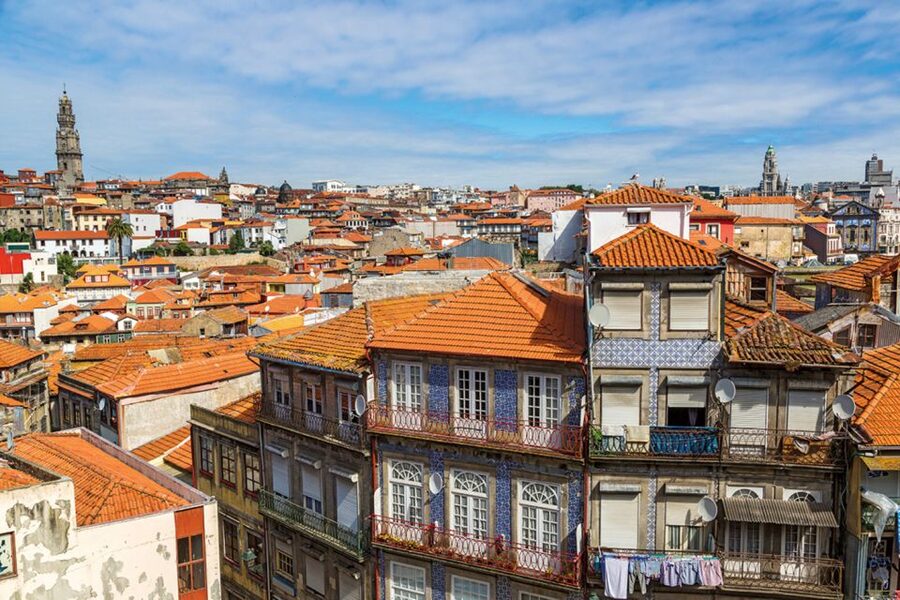
The main Porto section lasts about an hour. This is where the tour ties together the city’s architecture, plazas, storefronts, and daily life. You may pass through the area around the Ribeira and the old upper town, with the guide pointing out details that are easy to miss when you are walking alone.
Look for traditional façades, old shopfronts, decorative tiles, and streets that seem to have been fitted around the hillside rather than planned in a neat grid. Some plazas were built over Roman ruins, adding another layer beneath the city you see today.
Bolhão Market is one of the tour’s named highlights. It is a useful stop for seeing Porto’s food culture and ordinary city life, not just its grand monuments. The market adds variety to a route otherwise filled with churches, historic buildings, and formal viewpoints.
Clérigos Church is another major landmark on the route. Its tall tower is one of Porto’s best-known sights, and the church has a graceful baroque character that contrasts with the heavier stonework around Sé. The entrance fee to Clérigos Church and Tower is not included, so check with your guide about what you will see from outside and decide if you want to return independently.
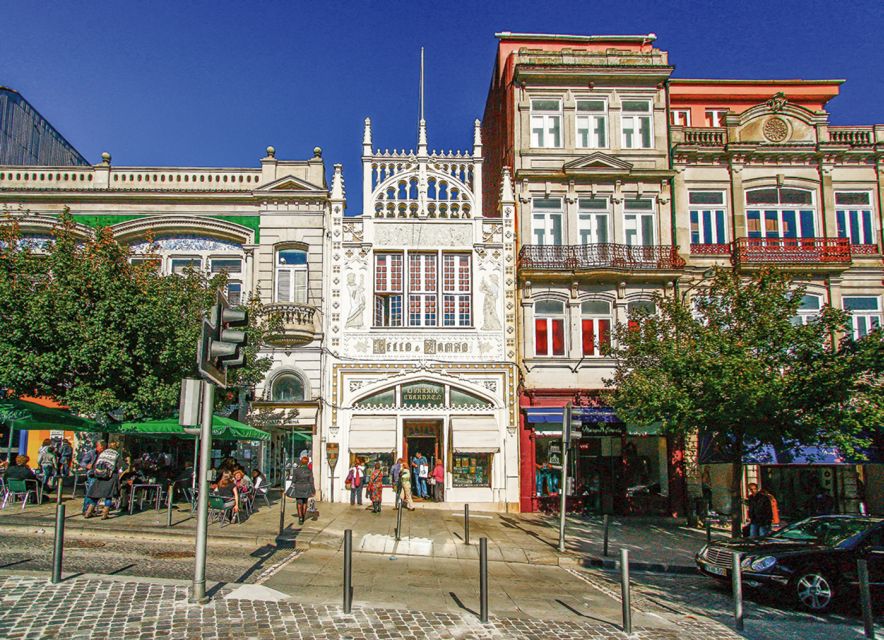
Some past outings also included Porto’s famous bookshop. That stop may depend on the day’s route and timing, so treat it as a possible bonus rather than a promise. The city section is strongest when you enjoy moving through the streets and hearing the stories behind them, not when you expect long indoor visits at every attraction.
More Wine Tastings in Porto
- Complete Douro Valley Wine Tour with Lunch, Wine Tastings and River Cruise
★ 5.0 · 12,920 reviews - Porto: Live Fado Show with Glass of Port Wine
★ 4.8 · 6,498 reviews - Douro Valley: Wine Tour with Lunch, Tastings & River Cruise
★ 4.6 · 6,081 reviews - Authentic Small Group Douro Wine Tour with Lunch & River Cruise
★ 5.0 · 4,775 reviews
Crossing to Vila Nova de Gaia for Wine
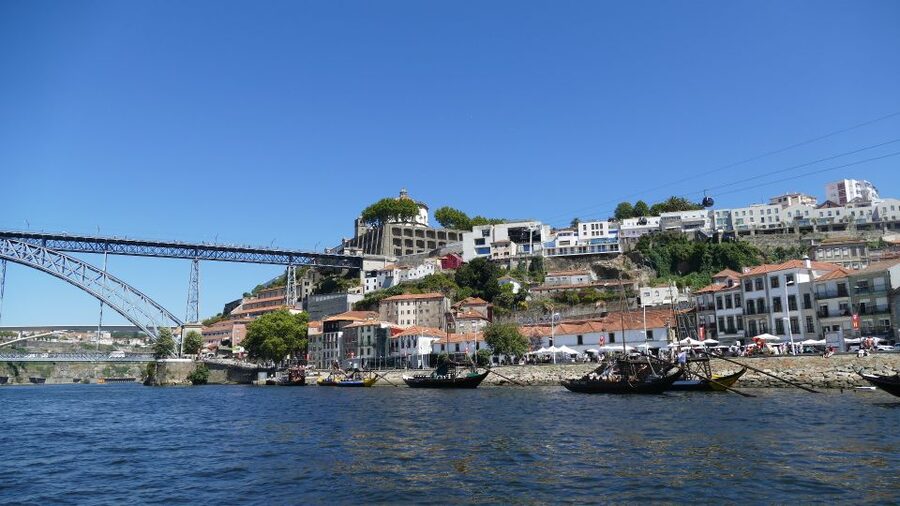
The final major part of the outing takes you to Vila Nova de Gaia, across the river from Porto. The area is closely linked with port wine, and its traditional cellars are a natural finish to a city tour.
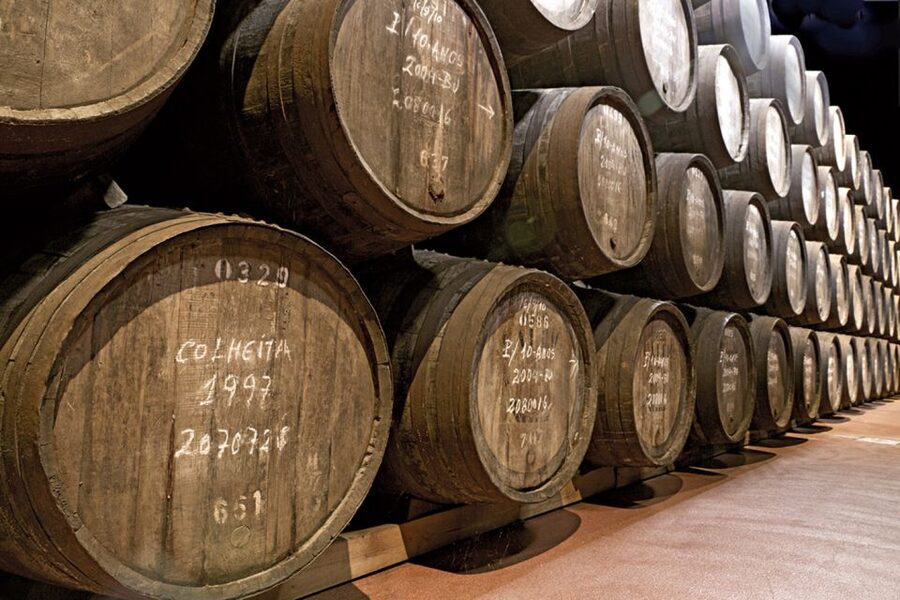
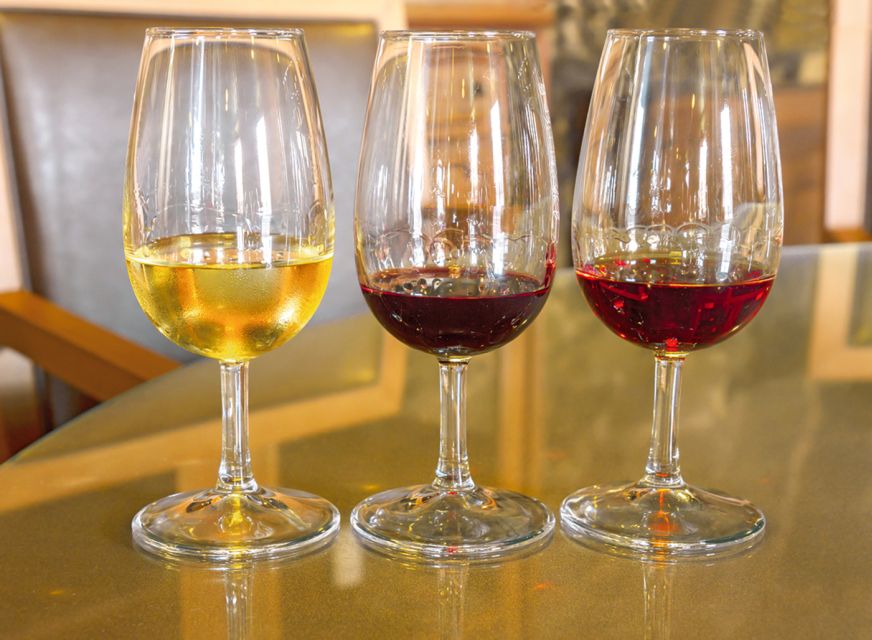
Here you receive a guided cellar visit and a tasting, with about an hour devoted to the stop. The cellar setting gives useful background on how Portuguese wine is stored, aged, and presented. You are not simply handed a glass without context. The guide explains the role of the lodges and the connection between the wine and the Douro Valley vineyards.
The tasting is one of the tour’s most popular features, but keep your expectations measured. A past booking described two small samples, one red and one white port, with the portions considered too small for a full tasting. That does not make the visit worthless, but it does mean the wine component is an introduction rather than a serious tasting session.
If you already know port wine and want several styles, larger pours, or time to compare bottles, book a separate cellar visit. If you are new to port, this hour gives you enough background to make later tastings more rewarding.
The cellar guide can also affect the experience. One past account praised the port lodge presentation as much as the city tour itself, while another singled out the winery visit as the highlight of the day. The precise cellar may vary, so check the current details if a particular producer matters to you.
The Guides Are the Tour’s Strongest Asset
The most consistent praise goes to the guides. Antonio was appreciated for clear explanations of the sights and for introducing the wines. Jorge helped one booking get oriented to Porto in a half-day and explained both the history and the small details.
Paula was praised for covering a wide mix of sights, from the cathedral and bookshop to the winery. Ricardo was described as polite, professional, and especially strong at keeping the group engaged. Sophia received high marks for handling a bilingual English and French tour while answering questions about the city.
Those details matter because Porto is not a city that gives up its story at a glance. A good guide can explain why the city developed around the river, why Gaia became central to port wine, and how the old streets fit together. The guide can also help you see the difference between a quick photo stop and a place worth returning to later.
The guide language choices are English, French, Portuguese, and Spanish. Specific guide assignments are not guaranteed, so do not book solely in the hope of getting one named person. The record of strong guiding is still encouraging, particularly for people who prefer history and local explanation over a simple sightseeing shuttle.
What $40 Includes and What It Does Not
At $40 per person, this is a reasonable value if you want a structured introduction to Porto. The fee includes a local guide, wine tasting, and entrance fees to major attractions and monuments. You are paying for a compact route that covers both Porto and Gaia, rather than for transportation alone.
The value is strongest for a first visit. You can learn the city’s layout, see major landmarks, and decide which places deserve a longer return visit. It also saves you from arranging a separate city walk and a separate wine cellar appointment.
There are clear limits. Hotel pickup and drop-off are not included, so you must reach the central meeting point yourself. Food and drinks beyond the tasting are also extra. Clérigos Church and Tower require a separate entrance fee.
Because the tour lasts four hours, you should not expect a full meal stop or long free periods. Eat beforehand or plan a meal afterward. If you prefer to move slowly, take photographs, and read every display, an independent day in Porto may suit you better.
Timing, Language, and Practical Comfort
The activity runs for four hours, with starting times based on availability. It does not operate on December 25 or January 1. Reservations are made on request, so confirm the departure details before arranging a tight connection afterward.
Wear shoes that can handle Porto’s slopes and uneven old streets. A sun hat and sunglasses help in bright weather. Keep luggage and large bags elsewhere, since they are not permitted on the tour.
The activity offers free cancellation up to 24 hours before departure, with a full refund, and you can reserve now and pay later. These terms help if your Porto schedule is still shifting, though the operator can change or cancel a service when conditions beyond its control make the visit impractical. In that case, the stated terms do not promise a refund.
The tour is offered in English, French, Portuguese, and Spanish. If you have a strong language preference, select it when booking rather than assuming every departure uses the same language.
Who Will Get the Most From This Tour?
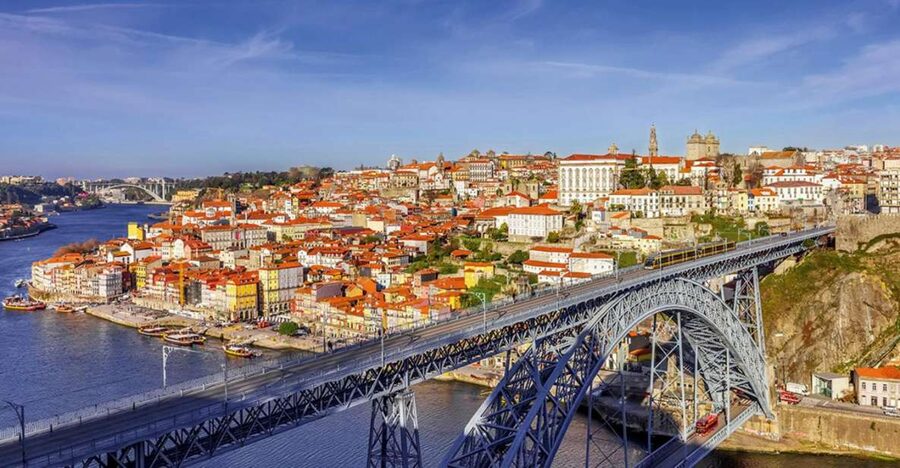
I would recommend this outing to a first-time Porto visitor with limited time. It gives you a firm sense of place, introduces the cathedral district and São Bento, adds Bolhão Market and Clérigos, and finishes with port wine in Gaia.
It also suits couples, older children, and anyone who prefers a guide to explain what they are seeing. The route has enough variety to keep the half-day moving: architecture, city streets, religious monuments, a market, and a cellar.
Wine beginners will probably get more from the tasting than serious wine fans. For a specialist wine visit, choose a longer cellar experience with more samples. For a broad Porto introduction, the tasting works well as the final chapter.
This may not suit you if you dislike walking on hills, cannot arrive at the central meeting point, or want a relaxed pace. It is also not the right pick if your main goal is to spend hours inside Clérigos Tower or the cathedral. The tour gives you an overview, then leaves you with ideas for your own follow-up.
Should You Book the Porto Half-Day Tour?
Book it if you want an efficient introduction to Porto and like having a local guide connect the sights. The strongest reasons are the well-praised guiding, the mix of old Porto and Gaia, and the fair $40 price for a four-hour route with a tasting and selected entrance fees.
Go in with realistic expectations about the wine. It may be a short sample rather than a generous tasting, and Clérigos entry costs extra. For a first day in Porto, though, this is a practical way to get oriented, understand the city’s story, and learn why port wine is so closely tied to the river across from the old town.
FAQ
Where does the Porto tour start?
The meeting point is at R. de Mouzinho da Silveira 352, close to São Bento Station. You should arrive 15 minutes before departure.
How long does the tour last?
The tour lasts four hours. Starting times depend on availability.
Which languages are available?
The live guide service is available in English, French, Portuguese, and Spanish.
Is the wine tasting included?
Yes. Wine tasting and a guided visit to a traditional wine cellar in Vila Nova de Gaia are included.
Is the Clérigos Church and Tower entrance fee included?
No. The entrance fee to Clérigos Church and Tower is not included.
Can I cancel the booking?
You can cancel up to 24 hours in advance for a full refund. The tour also offers a reserve-now, pay-later option.
Recently added in Porto
- Porto: Tuk tuk Tours with Port Wine Tasting★ 4.5 · 65 reviews
- The Beautiful Story of Porto: Guided Tour with Entry Tickets★ 4.8 · 111 reviews
- Porto: Royal Oporto Tour na Real Companhia Velha★ 4.8 · 395 reviews
- Porto: Entry Ticket at WOW – The Wine Experience Museum★ 4.7 · 356 reviews
- Porto: WOW Daily Ticket★ 4.7 · 42 reviews
- Porto: Luxury Yacht Tour of the 6 Bridges and Douro Estuary★ 4.9 · 521 reviews
- Porto: 6 Bridges Port Wine River Cruise with 4 Tastings★ 4.8 · 182 reviews
- Porto Wine Tasting Experience with Portuguese Tapas Plate★ 4.7 · 356 reviews
Wine Tours, compared.
Complete Douro Valley Wine Tour with Lunch, Wine Tastings and River Cruise
Read our review →
Winner 2025 Undiscovered Lisbon Food & Wine Tour by Eating Europe
Read our review →
Douro Valley: Wine Tour with Lunch, Tastings & River Cruise
Read our review →
Authentic Small Group Douro Wine Tour with Lunch & River Cruise
Read our review →
Live Fado Show with Port Wine in Historic Center
Read our review →
Douro Valley Small-Group Tour with Wine Tasting, Lunch and Boat
Read our review →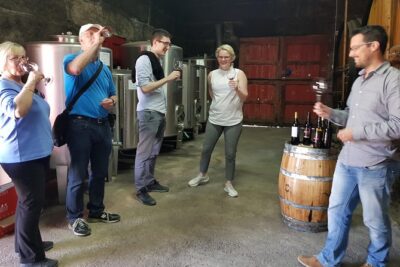
Douro Valley Tour: 2 Vineyard Visits, River Cruise, Winery Lunch
Read our review →Browse the lists this tour appears in