
REVIEW · FOOD & DRINK
Porto: Burmester Cellar Tour with Tasting & Pairing Options
Port starts underground. At Burmester Cellars in Vila Nova de Gaia, you get a compact lesson in the wine that helped put this riverside city on the map, followed by a tasting in a historic cellar beside the Luís I Bridge. It is a smart way to add local flavor to a Porto sightseeing day without giving up half your afternoon.
I like the beautiful bridge-side setting and the clear explanation of Port production. The tasting is also good value at about $25 per person, especially if you choose three wines or add the chocolate pairing. The main drawback is that groups can be large, and background noise may make it hard to hear the guide.
In This Review
- Key points to know before you book
- Arriving at Burmester beside the Luís I Bridge
- A 25-minute introduction to Port production
- The tasting: two or three Ports in the tasting room
- Is the premium chocolate pairing worth paying for?
- The group-size issue
- Price, timing, and overall value
- Who will enjoy this Burmester visit most?
- Small tips for a better visit
- Should you book the Burmester Cellar Tour?
- FAQ
- Where does the Burmester Cellar Tour begin?
- How long does the tour last?
- How many Port wines are included?
- What does the premium option include?
- Is the tour offered in English?
- Can children take part?
- Can I cancel the booking?
Key points to know before you book
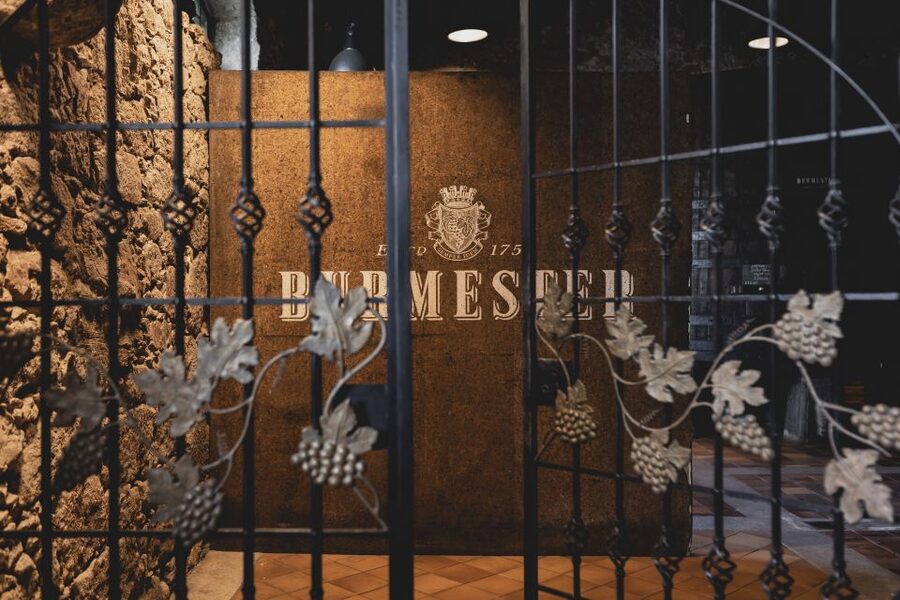
- The cellar sits beside the Luís I Bridge: You get one of Vila Nova de Gaia’s best-known views before the tour even begins.
- The visit lasts about one hour: The cellar explanation takes roughly 25 to 30 minutes, with the remaining time devoted to tasting.
- You taste two or three Port wines: The number depends on the option you select.
- Premium tasting includes chocolate: It adds a simple food pairing to the wine experience.
- Guides make a big difference: Hugo, Bruno, and Fernando have each been praised for their humor, clarity, and enthusiasm.
- A staircase leads to the tasting room: Keep this in mind if stairs are a concern.
Arriving at Burmester beside the Luís I Bridge
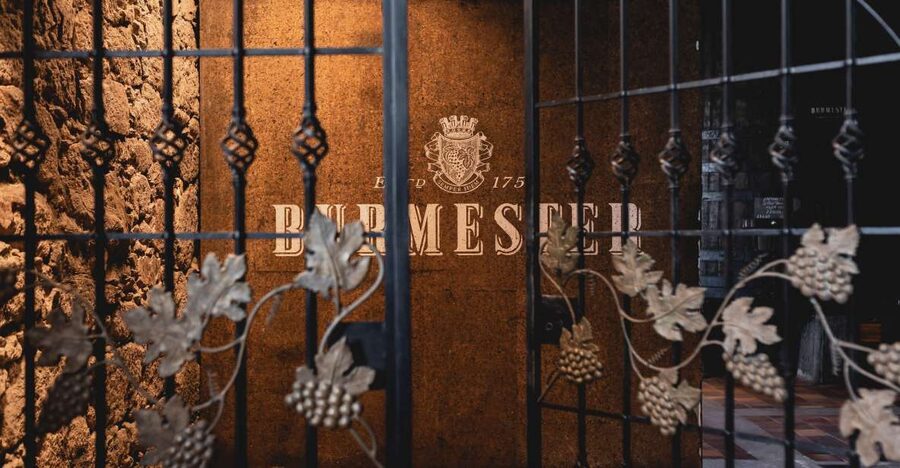
Burmester Cellars is at Largo Dom Luís I, on the Vila Nova de Gaia side of the river. That location is useful because it combines easily with a walk across the lower deck of the bridge, a riverside stroll, or a visit to other Gaia wine lodges.
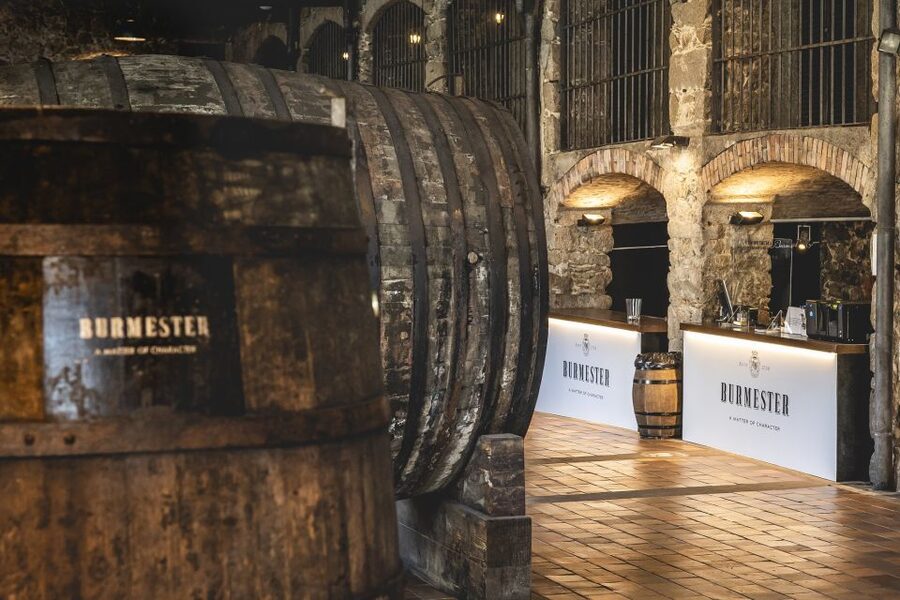
The setting is one of the tour’s strongest features. The Luís I Bridge rises dramatically above the Douro, and the cellar’s position gives you a strong sense of place. You are not tasting Port in an anonymous shop or hotel room. You are in the district historically tied to storing and shipping the wine.
The meeting point is the cellar itself, and the activity returns there at the end. Plan to arrive with enough time to find the entrance. The location is easy to reach once you are in the Gaia riverfront area, but the surrounding streets can be busy with sightseeing groups.
The tour is offered in Portuguese, English, Spanish, French, Italian, and German. Tours are monolingual, so you should select the language that suits you when booking. That matters here because the guide’s explanations carry much of the experience.
More Food Tours in Porto
- From Porto: Douro Valley w/ Boat Tour, Wine Tasting & Lunch
★ 4.7 · 19,061 reviews - Porto: Cálem Cellar Tour, Interactive Museum & Wine Tasting
★ 4.5 · 4,113 reviews - Douro Valley Small-Group Tour with Wine Tasting, Lunch and Boat
★ 5.0 · 3,642 reviews
A 25-minute introduction to Port production
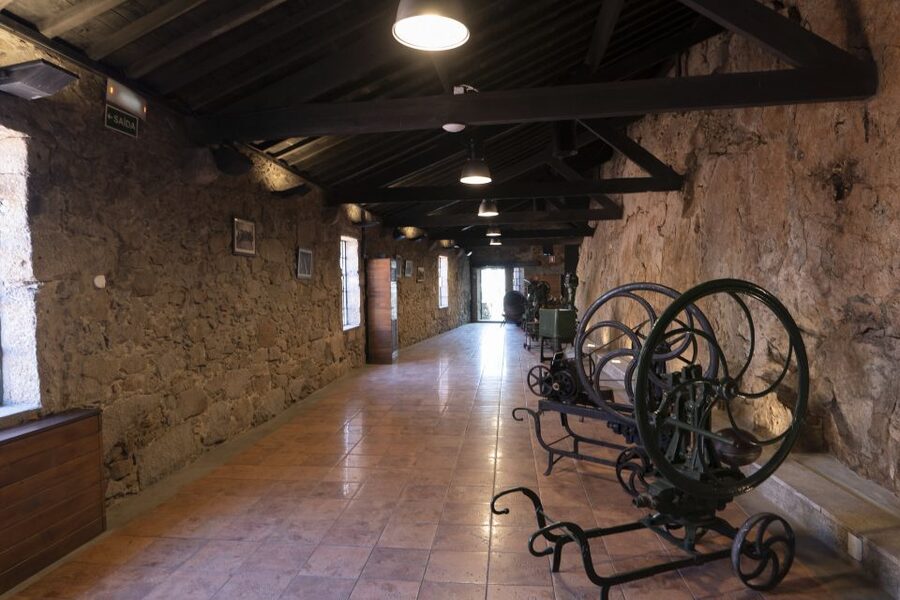
The cellar visit begins with Burmester’s background. The company traces its beginnings to London in 1730, when Henry Burmester joined John Nash to form Burmester, Nash & Co. The business later exported Port from Vila Nova de Gaia across Europe.
That short history gives the brand a useful connection to both Britain and Portugal. Port is closely tied to British commercial networks, but its identity is inseparable from the Douro Valley and Gaia’s cellars. You get a quick explanation of how those places fit together rather than a lesson focused only on one company.
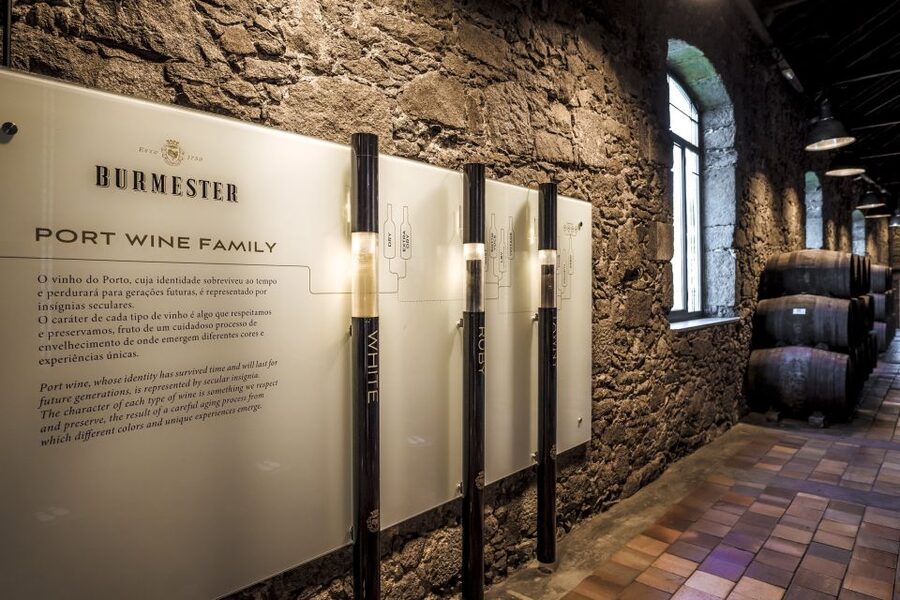
The guide then introduces the Douro DOC, Portugal’s regulated wine region and designation of origin. You learn about the basic production process and the different types of Port. The experience is aimed at a general audience, so it does not bury you in technical terms.
That is a good fit if you are new to Port. You will leave with enough information to understand the difference between common styles and to make better choices at the tasting. If you already know your Ruby from your Tawny, the explanation may feel brief.
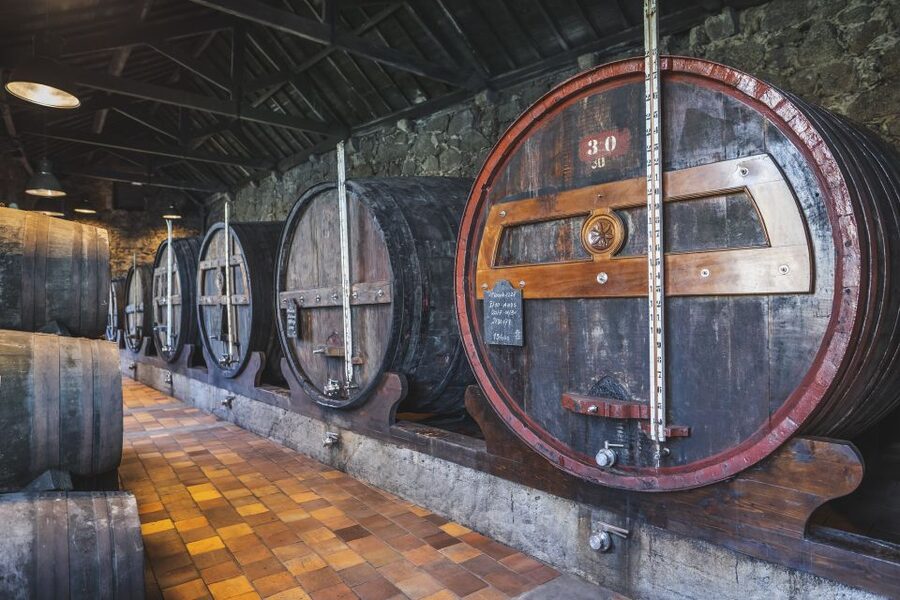
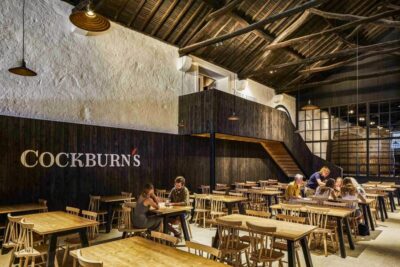
The cellar itself adds atmosphere. You can see the environment where Port is stored, and the older winemaking setting helps explain why temperature, aging, and storage matter. The tour is not a long behind-the-scenes production visit, though. Expect an overview rather than a detailed look at every stage from vineyard to bottle.
Several guides have been singled out for making the short format work well. Hugo has been praised for his engaging approach and for sparking interest in White Port. Bruno is described as friendly and clear, while Fernando has been praised for giving a detailed explanation without making the hour drag.
A strong guide matters because the cellar portion is relatively short. A lively explanation turns a simple walk through storage areas into a useful introduction. A weaker presentation would leave you waiting for the tasting to begin.
The tasting: two or three Ports in the tasting room
After the cellar explanation, you move to the tasting room. One practical detail is that a staircase is involved, and the tasting room may be shared with other groups.
The standard options include two Port tastings. A larger option includes three. At the $25 starting price, the experience is aimed at being accessible rather than luxurious, and that is part of its appeal. You can learn the basics, taste several styles, and get back to sightseeing without committing to an expensive wine program.
The tasting is the real payoff. Port can be sweeter, stronger, and more varied than many first-time visitors expect. Tasting more than one style helps you compare the wines instead of judging Port from a single glass.
Some people particularly enjoy the White Port. It is easy to overlook because red styles receive most of the attention, but a well-presented tasting can change that. The chance to try different styles also helps you decide what to order later with dessert, cheese, or as an aperitif.
The quality of the basic selection can vary according to personal taste. Some tasters have found the Ruby and Tawny pours less impressive than expected, while others have enjoyed them. If you like the style, ask whether another sample is available. A few people were offered an older Port after asking and liked it enough to buy a bottle.
That advice is practical, but do not expect unlimited samples as part of the standard tour. The confirmed inclusions are two or three tastings, depending on the option. Any extra pour is at the cellar’s discretion.
The tasting can last longer than the formal cellar talk. One guide may present the wines quickly, while another may allow more time for questions and conversation. If your schedule is tight, allow at least the full hour rather than assuming you can finish in 30 minutes.
Is the premium chocolate pairing worth paying for?
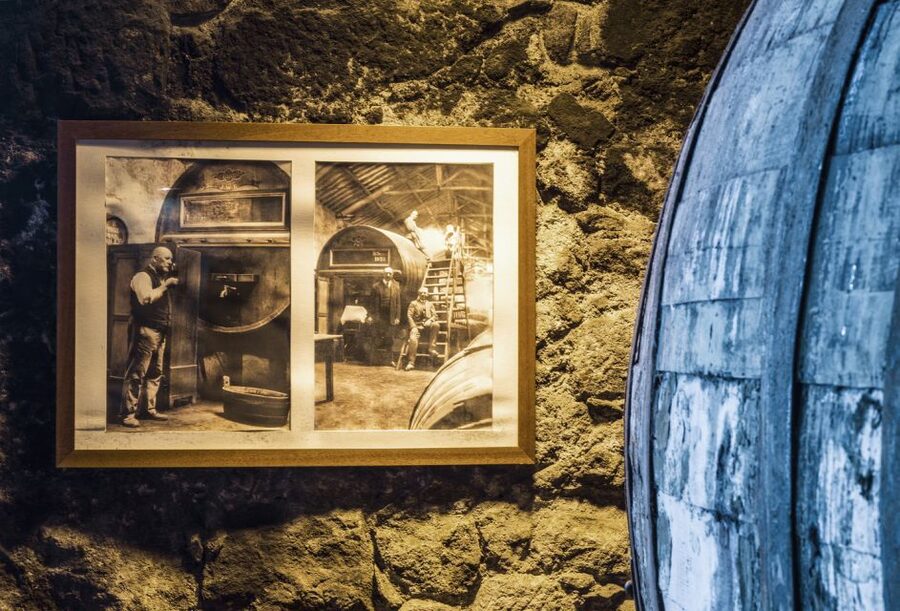
The premium option includes chocolate tasting with the Port. This is a modest upgrade, not a full meal, so you should choose it for the pairing rather than for a substantial snack.
Chocolate and Port make an easy match because the wine’s sweetness and strength can work well with cocoa. The pairing also gives you a simple way to notice how food changes the wine. A Port that seems heavy on its own may feel smoother with a small bite of chocolate.
The chocolate option has been especially well received by people who wanted more than a plain wine sample. It adds a little ceremony to the final part of the tour and can make the tasting more memorable.
Keep your expectations sensible. The experience does not promise an extensive food board. Some descriptions of tasting upgrades and personal accounts refer to cheese as well, but the confirmed information for this experience specifies chocolate for the premium option. If cheese is important to you, ask exactly what your chosen package includes before paying.
For many visitors, the regular tasting is enough. Choose premium if you like food pairings, want to compare Port with chocolate, or are treating the visit as a special stop. Choose the standard option if your main aim is to understand Port and see the cellar.
A few more Porto options side by side
- The Unvanquished Tour in Porto City Center
★ 5.0 · 26,497 reviews - Complete Douro Valley Wine Tour with Lunch, Wine Tastings and River Cruise
★ 5.0 · 12,920 reviews - Porto: Six Bridges Cruise
★ 4.2 · 11,680 reviews - Porto: Live Fado Show with Glass of Port Wine
★ 4.8 · 6,498 reviews
The group-size issue
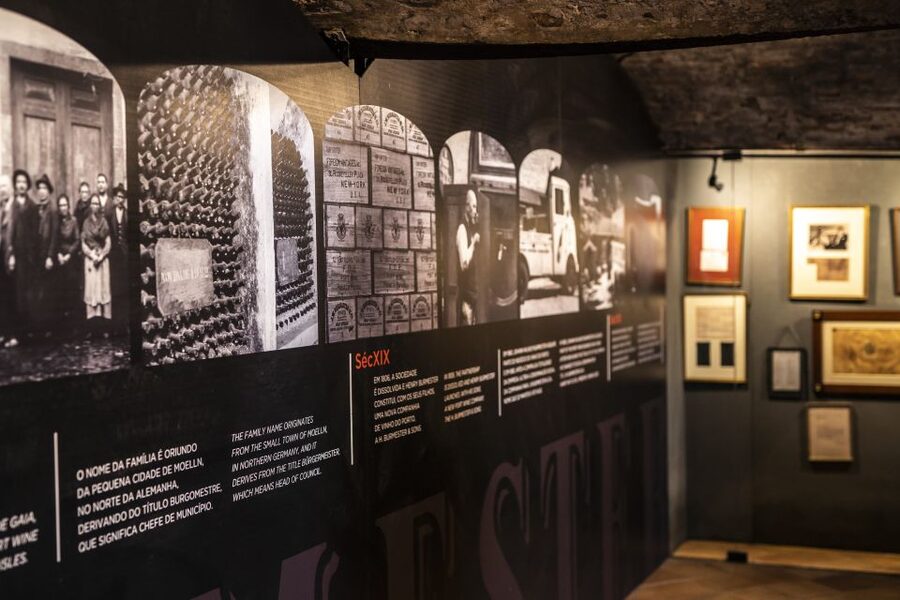
The biggest practical weakness is the possibility of a crowded tour. One account describes a group of around 50 people, with noise from another party making the guide difficult to hear. A busy tasting room can also create delays and confusion when different tasting options are being served.
This is not a reason to reject the tour, but it is worth knowing before you book. The quality of the visit depends partly on the guide and partly on the room’s noise level. Guides have handled problems well, including correcting an incorrectly printed premium ticket, but even a good guide cannot fully control a loud group.
If you want a quiet, intimate wine lesson, this may not be the right format. The Burmester visit is better for a short introduction in a major city than for a private tasting or a slow, highly personal discussion.
The one-hour length helps keep the risk manageable. Even if the group feels too large, you have not lost an entire day. You can also make the most of the location by planning the tour between other Gaia sights.
Price, timing, and overall value
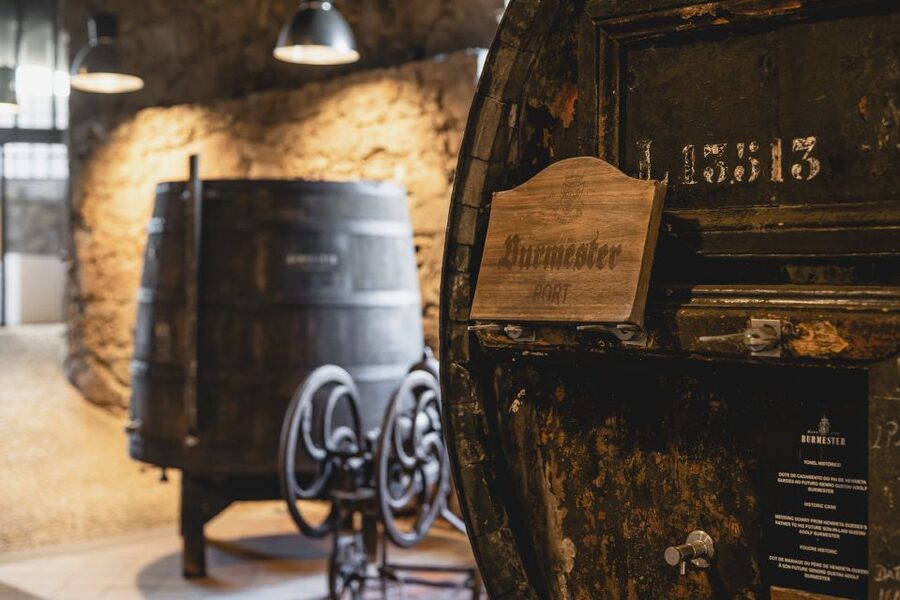
At approximately $25 per person, the tour is fairly priced for Porto. You receive a guided cellar visit, a history of Burmester and Port, and two or three tastings. The bridge-side location adds value because you can combine the visit with one of the city’s most scenic walks.
The price is strongest for first-time Port drinkers. You get enough explanation to understand what you are tasting, but you do not pay for a long specialist course. It is also a useful choice for couples or small groups with mixed wine interests, since the time commitment is short.
The value is less certain if you already know Port well and want rare or older bottles. The standard tasting may feel basic, and the cellar portion is brief. In that case, a longer specialist tasting may suit you better, though this Burmester visit still offers a convenient introduction.
Book the three-wine option if comparison matters to you. Choose premium if the chocolate pairing appeals. The standard two-wine visit makes sense if you have several other plans that day.
Free cancellation is available up to 24 hours in advance for a full refund, and you can reserve while paying later. Those policies are useful in Porto, where weather and sightseeing plans can change quickly.
Who will enjoy this Burmester visit most?
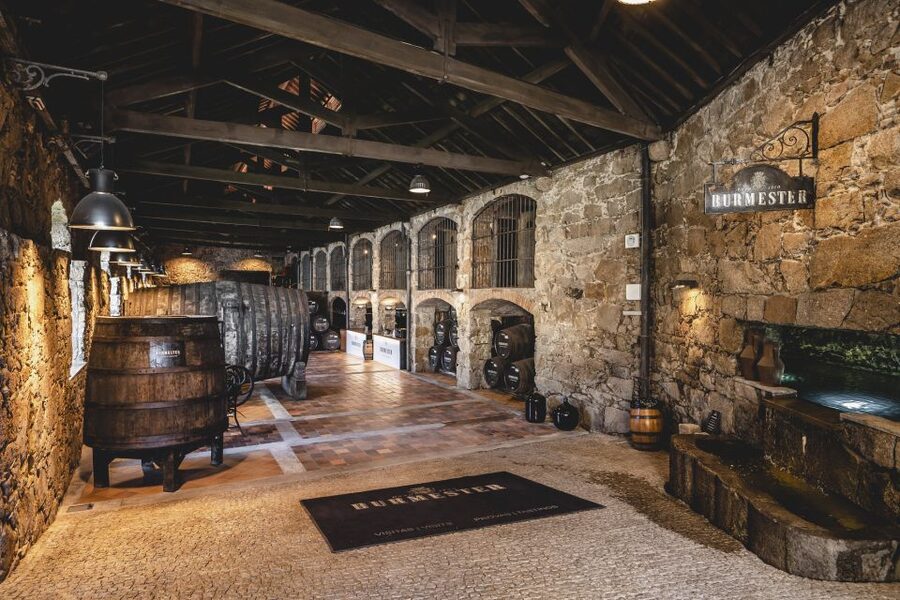
This experience suits you if:
- You are new to Port wine.
- You want a short activity near the Douro.
- You like history but do not want a long museum-style lecture.
- You want a tasting with clear guidance.
- You are interested in trying White Port.
- You plan to explore Vila Nova de Gaia and the Luís I Bridge.
Families can also manage the visit, although wine is not served to anyone under 18. One particularly helpful touch is that fruit juice has been provided for children during the tasting, allowing adults to take their time. This is not a wine activity designed for children, but it can work as part of a family day if you set expectations clearly.
The tour also suits solo visitors. A live guide gives structure to the tasting, and the one-hour format does not require a major time commitment. For serious wine enthusiasts, the main question is not quality but depth. You may want more detailed production information and a broader range of bottles.
Small tips for a better visit
Arrive ready to listen during the cellar explanation. The tour is short, so missing the opening history or production details means losing a useful part of the experience.
If you choose premium, confirm the pairing at the entrance. Ticket errors have occurred, and it is easier to sort out the option before the tasting begins.
Ask questions during the tasting. The guides have been praised for answering questions and for making the presentation friendly rather than stiff. If you enjoy one Port more than another, ask what you are drinking and why it tastes different.
Do not plan a major meal around the chocolate option. It is a tasting accompaniment, not a full food course.
Finally, give yourself time to enjoy the view outside. The cellar’s setting beside the bridge is not just a backdrop for photographs. It connects the wine to the river, the old port trade, and the two cities that face each other across the Douro.
Should you book the Burmester Cellar Tour?
I would book this tour if you want a well-priced first taste of Port in a memorable location. The guides are often the highlight, the history is easy to follow, and the tasting gives you a practical introduction to several styles in about an hour.
Choose the premium option if chocolate and wine sound appealing, or the three-wine option if you want more comparison. Skip it if you need a private setting, a long technical cellar tour, or guaranteed quiet during the tasting.
For most Porto itineraries, Burmester is a sensible middle ground: more useful than simply ordering a glass at a restaurant, but short enough to leave plenty of time for the riverfront, bridge, and other Gaia cellars.
FAQ
Where does the Burmester Cellar Tour begin?
It begins at Caves Burmester, Largo Dom Luís I, 4400-111 Vila Nova de Gaia, Portugal. The activity ends at the same meeting point.
How long does the tour last?
The scheduled duration is one hour. The cellar explanation may take about 25 to 30 minutes, followed by the Port tasting.
How many Port wines are included?
The experience includes two or three Port wine tastings, depending on the option you select.
What does the premium option include?
The premium option includes chocolate tasting with the Port wines.
Is the tour offered in English?
Yes. Tours are available in Portuguese, Spanish, Italian, French, English, and German. Each tour is held in one language.
Can children take part?
People under 18 are not served wine. Fruit juice has been provided for children during the tasting, but the activity itself focuses on Port wine.
Can I cancel the booking?
You can cancel up to 24 hours in advance for a full refund. A reserve-now-and-pay-later option is also available.
Recently added in Porto
- Porto: Tuk tuk Tours with Port Wine Tasting★ 4.5 · 65 reviews
- The Beautiful Story of Porto: Guided Tour with Entry Tickets★ 4.8 · 111 reviews
- Porto: Royal Oporto Tour na Real Companhia Velha★ 4.8 · 395 reviews
- Porto: Entry Ticket at WOW – The Wine Experience Museum★ 4.7 · 356 reviews
- Porto: WOW Daily Ticket★ 4.7 · 42 reviews
- Porto: Luxury Yacht Tour of the 6 Bridges and Douro Estuary★ 4.9 · 521 reviews
- Porto: 6 Bridges Port Wine River Cruise with 4 Tastings★ 4.8 · 182 reviews
- Porto Wine Tasting Experience with Portuguese Tapas Plate★ 4.7 · 356 reviews
Food & Drink, compared.
Winner 2025 Undiscovered Lisbon Food & Wine Tour by Eating Europe
Read our review →

Douro Valley Small-Group Tour with Wine Tasting, Lunch and Boat
Read our review →

Douro Valley Tour with Wine Tasting, Cruise and Lunch
Read our review →
Douro Valley Tour: Wine Tasting, Cruise and Lunch from Porto
Read our review →
Porto Food & Wine Tasting Tour with Lunch or Dinner Option
Read our review →Browse the lists this tour appears in