
REVIEW · WINE TOURS
Port Wine Lodges Tour Including 7 Port Wine Tastings (English)
Port makes more sense after a walk. This half-day tour links Porto’s riverfront with the wine lodges of Vila Nova de Gaia, pairing seven tastings with cellar visits, a museum, and a look at how Port is made. I like the way it teaches you to compare styles instead of simply handing you a glass and saying cheers. I also like the mix of major producers and smaller houses, which gives you a broader view of the trade.
The strongest part is the guide-led storytelling. Guides such as Alex, Kevin, Cyril, Lara, and Seral have earned warm praise for their humor, local insight, and ability to make a group feel at ease. The main caution is that the exact feel of the smaller-house visits may vary. One stop may be a traditional cellar, while another could feel more like a presentation room than an old wine cave.
In This Review
- Key points before you book
- Starting beside the old Pênsil Bridge at 3 p.m.
- Crossing into Vila Nova de Gaia
- The first lodge: cellar atmosphere and two Reserve Ports
- The old cellar and the young Ruby tasting
- The Douro interpretation center and tasting workshop
- What you actually learn about Port
- Is $62.88 good value?
- Who will enjoy this afternoon most?
- Practical ways to get more from the tasting
- Should you book the Port Wine Lodges Tour?
- FAQ
- Where does the tour start?
- What time does the tour begin?
- Where does the tour end?
- How many Port tastings are included?
- Is the tour entirely on foot?
- Can children join the tour?
Key points before you book
- Seven tastings across three Port houses: You sample Reserve White, Reserve Tawny, young Ruby, and other styles during the afternoon.
- An all-walking route: The longest walk is about 800 meters, but you will spend much of the tour standing in cellars and tasting rooms.
- A useful first lesson in Port: You learn how Ruby, Tawny, White, and other Port families differ, plus how to pair them with food.
- A visit to Vila Nova de Gaia: The tour crosses from Porto’s riverside area into the historic cellar district opposite the city.
- A small group of up to 18 people: That is large enough for social energy but still manageable for a guide.
- A scenic finish: The final interpretation center has a terrace with views back toward Porto.
Starting beside the old Pênsil Bridge at 3 p.m.
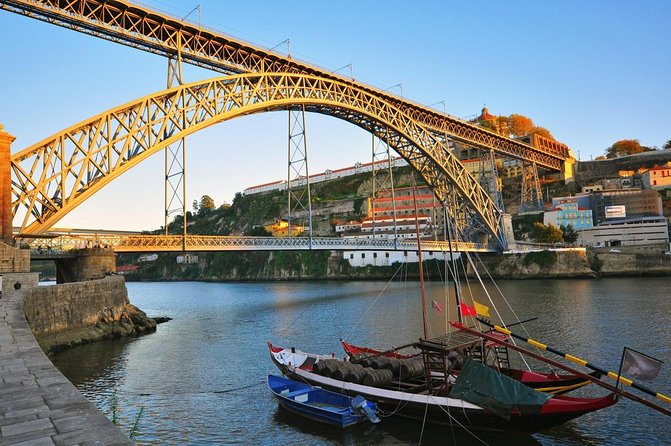
The meeting point is on Porto’s side of the river, by the pillars of the old Pênsil Bridge near the lower level of the D. Luis Bridge. Look for a guide in a red Porto Walkers jacket. This detail matters because the area has several levels, bridges, and riverside paths, and a rushed arrival can turn the first few minutes into a hunt.
The tour begins at 3 p.m. and ends in Vila Nova de Gaia at Av. de Diogo Leite 135. You do not return to the original meeting point, so plan your evening from Gaia. The ending location is useful if you want to continue tasting, eat nearby, or walk along the Gaia waterfront.
I would arrive early. The meeting directions have caused confusion for some people, especially with conflicting map information. The lower bridge area is easy to reach by public transport, but allow time to find the correct side and level.
The tour is listed as about three and a half hours, while the included details call it a four-hour walking tour. In practice, set aside the full afternoon. Tastings, questions, cellar walks, and group movement can all affect the finish time.
More Wine Tastings in Porto
- From Porto: Douro Valley w/ Boat Tour, Wine Tasting & Lunch
★ 4.7 · 19,061 reviews - Complete Douro Valley Wine Tour with Lunch, Wine Tastings and River Cruise
★ 5.0 · 12,920 reviews - Porto: Live Fado Show with Glass of Port Wine
★ 4.8 · 6,498 reviews
Crossing into Vila Nova de Gaia
Your guide starts with an introduction to Porto and Port while leading the group toward Gaia. This walk is short, but it gives the afternoon a useful sense of place. Port is closely tied to the Douro Valley, yet the wine lodges sit across the river in Vila Nova de Gaia, where the wine was traditionally stored and prepared for shipment.
This is not a strenuous route. The farthest walk is about 800 meters, though the day involves standing, walking on old surfaces, and moving between different venues. Comfortable shoes are sensible. You do not need hiking footwear, but polished city shoes may become annoying by the second tasting.
The group size can reach 18 people. That is still fairly intimate for an organized tour, and the best guides make good use of it. Alex is repeatedly praised for welcoming people quickly and explaining Port with humor. Kevin receives similar praise for mixing local stories with clear instruction. The guide can make a major difference here, since the basic route is only half the experience.
The first lodge: cellar atmosphere and two Reserve Ports
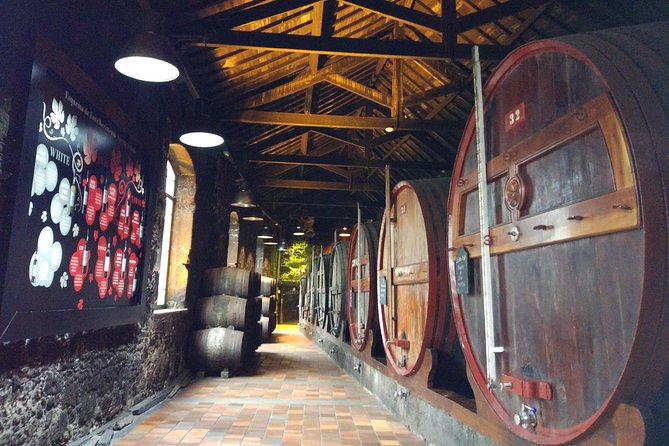
The first substantial stop is a major Port producer with a museum and cellar. You receive a guided look at the company’s story and production, followed by tastings of Reserve White and Reserve Tawny Ports.
This is a good opening because the two wines show how broad Port can be. White Port can be lighter and fresher in style, while Tawny is associated with time spent aging in wood and a more developed character. You are not simply tasting alcohol. You are building a set of reference points for the rest of the afternoon.
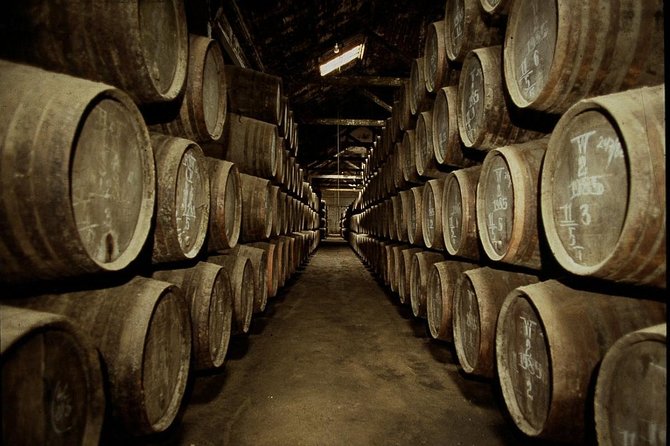
The museum and cellar also help explain why Port is different from ordinary table wine. Your guide covers the main Port families and the production process, including the role of the Douro Valley. The talk gives structure to what you taste, so you can pay attention to color, sweetness, age, and finish.
This stop may feel more formal than the later venues. A large producer generally has a polished visitor setup, which is useful for a first introduction but less personal than a family-run room. If you already know Port well, the museum material may cover familiar ground. If you are new to it, the clear sequence is valuable.
The old cellar and the young Ruby tasting
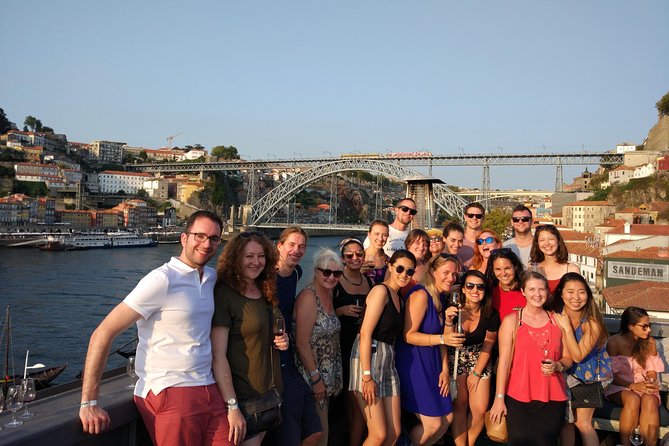
Next comes an older cellar converted into an interactive visitor center. Here you learn about the barrels used to store Port and how cork is produced. The setting connects the practical side of wine making with the objects you see around you.
The tasting at this stop includes a young Ruby Port. Ruby is a useful contrast with the Reserve White and Reserve Tawny from the first lodge. Its deeper color and fruit-led style help show why Port is not one single drink with a single flavor profile.
I like this part because it moves beyond brand names. Barrels, cork, storage, and aging are the physical details that explain what happens before the bottle reaches your table. The interactive format may also work well if you find a standard lecture too dry.
Still, the tone can vary. One person described a smaller tasting venue as a strange boardroom rather than the intimate local cellar suggested by the tour description. That does not erase the value of the wine or the guide, but you should keep your expectations flexible. This is a guided introduction to Gaia’s Port trade, not a private appointment with a winemaker.
Same corner of the country, a different pace:
- The Unvanquished Tour in Porto City Center
★ 5.0 · 26,497 reviews - Porto: Six Bridges Cruise
★ 4.2 · 11,680 reviews - Porto: 6 Bridges Douro River Cruise
★ 4.3 · 6,472 reviews - Porto: Torre dos Clerigos Entrance Ticket
★ 4.6 · 6,395 reviews
The Douro interpretation center and tasting workshop
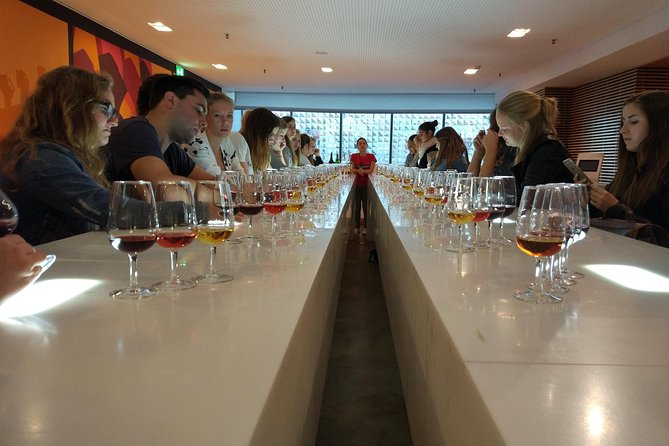
The final major stop is an interactive Port interpretation center focused on the Douro Valley. You learn about the valley as a wine region and take part in a tasting workshop featuring different wines.
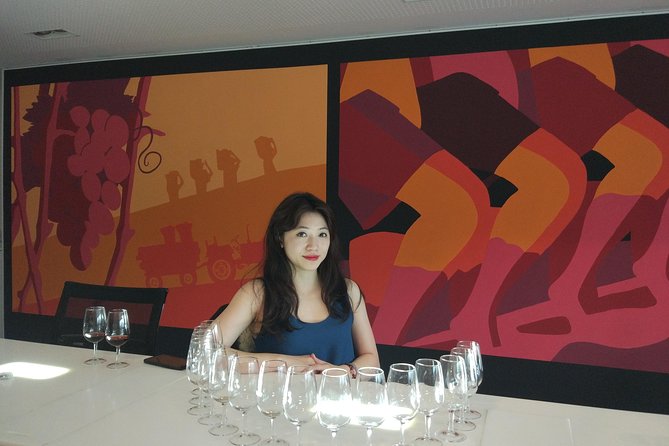
This workshop is where the tour becomes most useful for your own future drinking. You learn how to compare Port styles and how to pair Port with food. That advice can change the way you use Port at home. It is not only a dessert drink, and a guided comparison helps you understand which style might suit cheese, a sweet course, or a savory pairing.
The last tasting adds to the total of seven Port samples included in the tour. Because the wines are spread across three houses, you get a wider introduction than you would from a single cellar visit. You can also compare how different producers present their products.
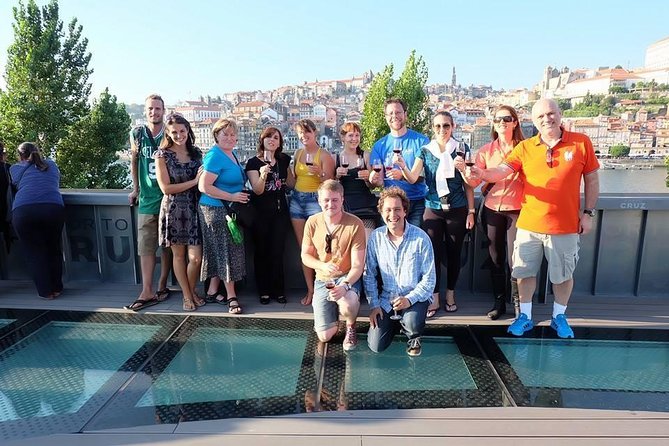
The terrace provides the visual reward at the end. From Gaia, you get views toward Porto across the river. After several indoor tastings, the open air and city view are welcome. It also gives the tour a natural stopping point rather than ending abruptly at the last glass.
What you actually learn about Port
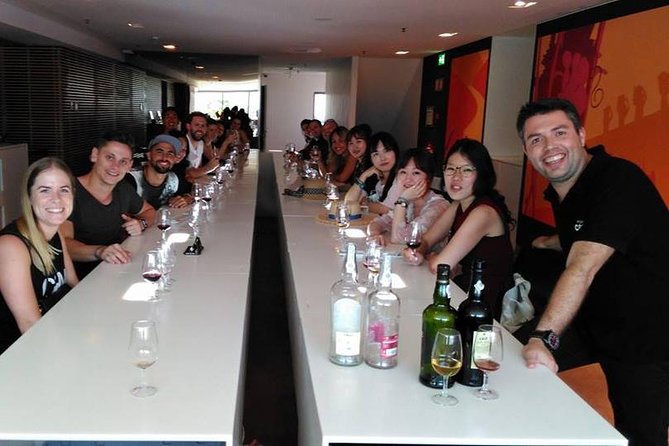
A good Port tour should answer simple questions without burying you in technical language. This one covers the main Port families, production in the Douro Valley, storage in barrels, the role of cork, and food pairing.
You can expect to discuss at least these broad styles:
- White Port: A lighter-colored style included in the first Reserve tasting.
- Tawny Port: A wood-aged style represented by Reserve Tawny.
- Ruby Port: A youthful, fruit-forward style served at the old cellar.
- Other Port examples: The workshop adds more comparisons and helps explain differences in style and pairing.
The exact labels and vintages may change, so do not book this expecting a fixed bottle list. The value comes from the range of examples and the explanation around them.
The guides are a major strength. Alex is often described as warm, funny, attentive, and able to remember the group’s interests. Kevin is praised for his stories and clear explanations of Porto and Port. Cyril is noted for making the history and production process entertaining, while Lara receives praise for keeping the tasting informative and enjoyable. These details suggest that the operator gives the guide room to shape the afternoon, which is important in a small-group wine tour.
One caution: the amount of time available for questions may depend on the group and guide. A particularly negative account described a long presentation before the first tasting and little time for questions. That appears to be an exception among the supplied feedback, but it points to a real issue. If you want a highly technical wine seminar, this may not be the right format. It is designed as a social walking tour with education, tasting, and local context.
Is $62.88 good value?
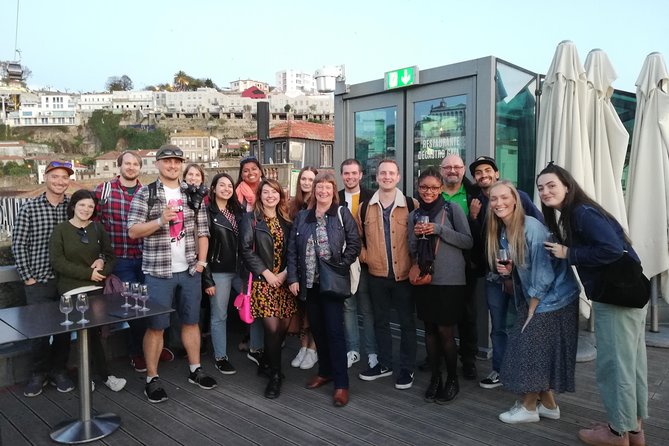
At $62.88 per person, the price is reasonable if you plan to make full use of the three and a half to four hours. The fee includes seven tastings, entry to the Port lodges, the English-speaking guide, taxes, and visits to three houses.
Buying seven pours separately could add up quickly, especially at established producers. The tour also saves you the work of choosing venues, reading labels, checking opening times, and finding your way between them. You pay for access, explanation, and a planned comparison.
The value is strongest for a Port beginner. You get a framework that makes later tastings more rewarding. Instead of ordering at random, you can recognize the difference between a young Ruby, a Tawny, a White, and other examples.
The value is less certain if you already have a detailed knowledge of Port and prefer quiet, independent tastings. You may find the museum and presentation portions basic. You also need to buy your own food, since lunch, snacks, and all other food are excluded.
Bring a small snack if you need something solid with your wine. The afternoon includes seven tastings, but no meal is provided. You can eat before the tour or plan a meal after it in Gaia.
Who will enjoy this afternoon most?
This tour suits you if you are visiting Porto for the first time, want a simple introduction to Port, and enjoy learning in a relaxed group. It also works well for couples and friends who want an activity with a clear schedule and plenty of conversation.
It is a good pick if you like walking but do not want a long city hike. The route is compact, and the walking connects the wine lodges rather than filling the entire afternoon with sightseeing.
You should also consider it if you are unsure about Port. One useful sign from the feedback is that a person who was initially more interested in the wine than their companion ended up enjoying the tastings and explanations. The tour has enough history, city context, and humor to appeal beyond the serious wine drinker.
It may be a weaker fit for anyone who dislikes group presentations, standing for long periods, or sweet fortified wines. It is also not a meal tour. You will need to manage your food and alcohol intake yourself.
The minimum drinking age is 18. Service animals are allowed, and the tour is near public transport. Children over six may be possible, but you should contact the operator first because paid entrance applies. Most people can take part, but the walking and standing are worth considering before booking.
Practical ways to get more from the tasting
Start with an open mind. Port can be sweeter and stronger than the wine many people usually drink, so the first glass may surprise you. Use the early tastings to learn what you like rather than trying to decide which bottle is best.
Pay attention to the order. The Reserve White and Reserve Tawny provide a useful opening comparison. The young Ruby then gives you a clear change in style, and the later workshop brings the categories together.
Ask your guide about food pairing while the samples are in front of you. The workshop is specifically designed to cover this, and it is one of the most practical parts of the tour.
Take notes if you might shop afterward. The lodges have selections available for purchase, and seven tastings can blur together by the final stop. You do not need detailed tasting language. Write down the style, producer, and whether you liked it.
Plan your evening from Gaia, not Porto’s starting point. The tour ends at a tasting venue on the Gaia side, which is convenient for continuing along the river but different from a standard round trip.
Should you book the Port Wine Lodges Tour?
I would book it if you want a friendly, structured introduction to Port with plenty of samples and a short walking route. Seven tastings and three Port houses make the $62.88 price fair, particularly when entry fees and an English-speaking guide are included.
Book it with realistic expectations. The experience can include polished museums, interactive exhibits, old cellar spaces, and a less atmospheric presentation room. The guides appear to be the deciding factor, and Alex, Kevin, Cyril, Lara, and Seral have all been praised for making the material lively.
If you want a relaxed afternoon that helps you understand what you are drinking, this is a sound choice. If you want a quiet, specialist tasting with long technical discussions and guaranteed small family cellars at every stop, choose a more focused wine appointment instead.
FAQ
Where does the tour start?
It starts by the pillars of the old Pênsil Bridge, next to the D. Luis Bridge on Porto’s side, at the lower level. Look for a Porto Walkers guide wearing a red jacket.
What time does the tour begin?
The start time is 3 p.m.
Where does the tour end?
It ends at Av. de Diogo Leite 135 in Vila Nova de Gaia, at a Port tasting venue on the Gaia side of the river.
How many Port tastings are included?
Seven Port wine tastings are included. The examples listed include Reserve White, Reserve Tawny, and young Ruby Port, along with further wines during the workshop.
Is the tour entirely on foot?
Yes. It is an all-walking tour, with the farthest walk listed as about 800 meters. You should also expect standing during cellar visits, presentations, and tastings.
Can children join the tour?
The minimum drinking age is 18. Children over six may be allowed, but you need to contact the operator first because paid entrance applies.
Recently added in Porto
- Porto: Tuk tuk Tours with Port Wine Tasting★ 4.5 · 65 reviews
- The Beautiful Story of Porto: Guided Tour with Entry Tickets★ 4.8 · 111 reviews
- Porto: Royal Oporto Tour na Real Companhia Velha★ 4.8 · 395 reviews
- Porto: Entry Ticket at WOW – The Wine Experience Museum★ 4.7 · 356 reviews
- Porto: WOW Daily Ticket★ 4.7 · 42 reviews
- Porto: Luxury Yacht Tour of the 6 Bridges and Douro Estuary★ 4.9 · 521 reviews
- Porto: 6 Bridges Port Wine River Cruise with 4 Tastings★ 4.8 · 182 reviews
- Porto Wine Tasting Experience with Portuguese Tapas Plate★ 4.7 · 356 reviews
Wine Tours, compared.
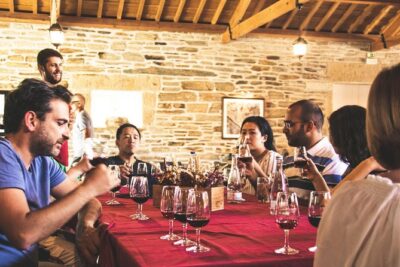
Complete Douro Valley Wine Tour with Lunch, Wine Tastings and River Cruise
Read our review →
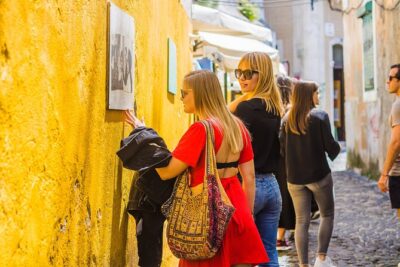
Winner 2025 Undiscovered Lisbon Food & Wine Tour by Eating Europe
Read our review →
Douro Valley: Wine Tour with Lunch, Tastings & River Cruise
Read our review →
Authentic Small Group Douro Wine Tour with Lunch & River Cruise
Read our review →
Live Fado Show with Port Wine in Historic Center
Read our review →
Douro Valley Small-Group Tour with Wine Tasting, Lunch and Boat
Read our review →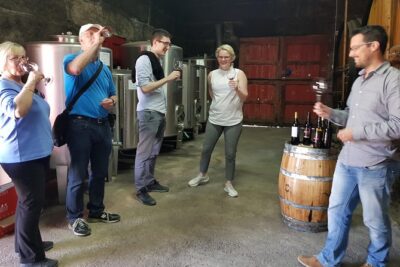
Douro Valley Tour: 2 Vineyard Visits, River Cruise, Winery Lunch
Read our review →Browse the lists this tour appears in