
REVIEW · PORTO TOURS
Museu das Marionetas do Porto
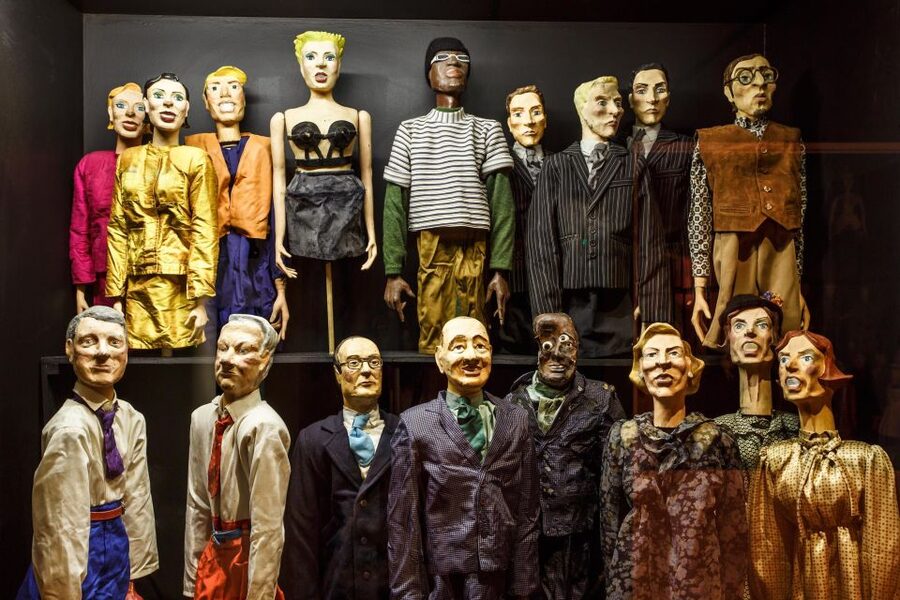
Puppets have more stories than you expect. Museu das Marionetas do Porto gives you a close look at the work of João Paulo Seara Cardoso, the founder and artistic director of Teatro de Marionetas do Porto, with original puppets, stage objects, performance excerpts, and hands-on features. I like the low price of about $4.13 and the way the museum lets you do more than stare at cases. You can manipulate puppets, test lights and sound, and see how a performance is built.
I also like the museum’s clear effort to welcome different kinds of visitors, with tactile puppets, podotactile flooring, Portuguese audio description, and video-guides in several languages. The main drawback is its size and brief format. If you want a large museum packed with displays, you may finish sooner than expected, though that can be a benefit on a busy Porto day.
In This Review
- Key things to know before you go
- Rua de Belomonte and the museum’s purpose
- What you see in the exhibition
- The hands-on room is the museum’s best feature
- Performance excerpts bring the objects to life
- Video-guides in four languages
- A serious effort toward inclusive museum access
- How long to allow for the visit
- Why the $4.13 price is good value
- Who will enjoy this museum most
- Practical planning and booking advice
- Should you book Museu das Marionetas do Porto?
- FAQ
- Where is Museu das Marionetas do Porto?
- How much does admission cost?
- How long is the museum visit?
- What languages are available?
- Is the museum wheelchair accessible?
- What accessibility features are offered?
- Can I cancel my booking?
Key things to know before you go
- The museum celebrates João Paulo Seara Cardoso’s work: The collection focuses on one artist and his company rather than the entire history of puppetry.
- You can operate parts of a performance: A special room lets you manipulate puppets and experiment with lights and sound.
- Performance clips add useful context: Excerpts from Teatro de Marionetas do Porto productions show the puppets in action.
- Language support is strong: Video-guides are available in Portuguese, English, French, and Spanish, with a separate guide in Portuguese Sign Language.
- The museum is designed for access: Tactile puppets, podotactile flooring, and Portuguese audio description are included in the visit.
- The price suits a short cultural stop: At about $4.13 per person, it is easy to add to a day in Porto, even if you only have limited time.
Rua de Belomonte and the museum’s purpose
Museu das Marionetas do Porto is in Porto’s Norte Region, on Rua de Belomonte, beside the headquarters of Teatro de Marionetas do Porto. The museum first opened in 2013 to mark the company’s 25th anniversary. It moved to its present building on September 29, 2016, after its first three years on Rua das Flores.
That move matters because the museum is closely tied to the company’s working life. You are not entering a general museum of puppets from around the world. You are entering an author museum, a place built around the ideas, objects, and performances of João Paulo Seara Cardoso, who lived from 1956 to 2010.
The building’s architecture was designed by José Gigante. The museum’s stated aim is not simply to preserve old objects. It also wants to keep contemporary puppet theatre active, open to new ideas, and connected to the public. That gives the visit a more personal focus than a broad survey would have.
I find this approach useful because it gives every object a clear reason for being there. Puppets, stage props, and symbolic objects are presented as parts of performances and stories. You get a better sense of how an artistic company works, not just what its finished puppets look like.
A few more Porto options side by side
- The Unvanquished Tour in Porto City Center
★ 5.0 · 26,497 reviews - From Porto: Douro Valley w/ Boat Tour, Wine Tasting & Lunch
★ 4.7 · 19,061 reviews - Complete Douro Valley Wine Tour with Lunch, Wine Tastings and River Cruise
★ 5.0 · 12,920 reviews
What you see in the exhibition
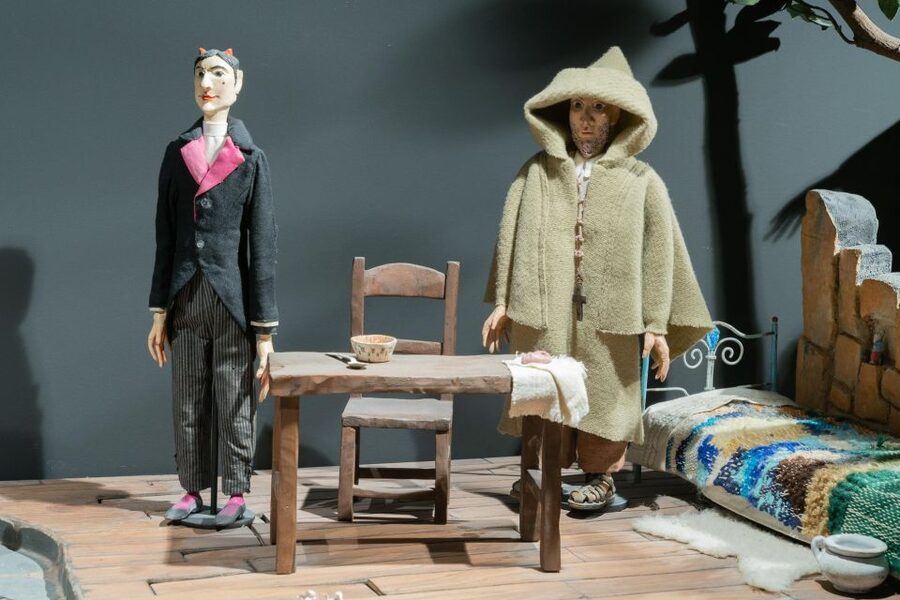
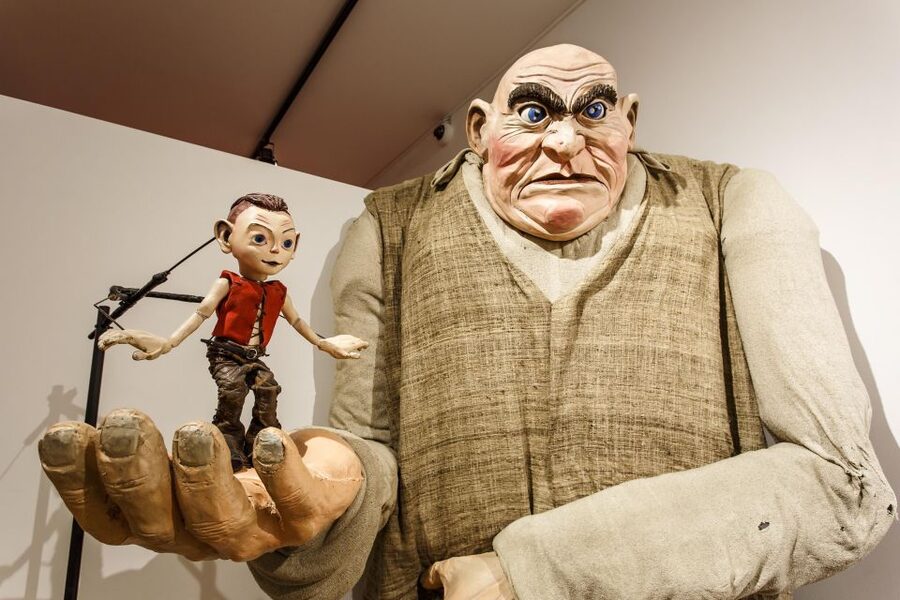
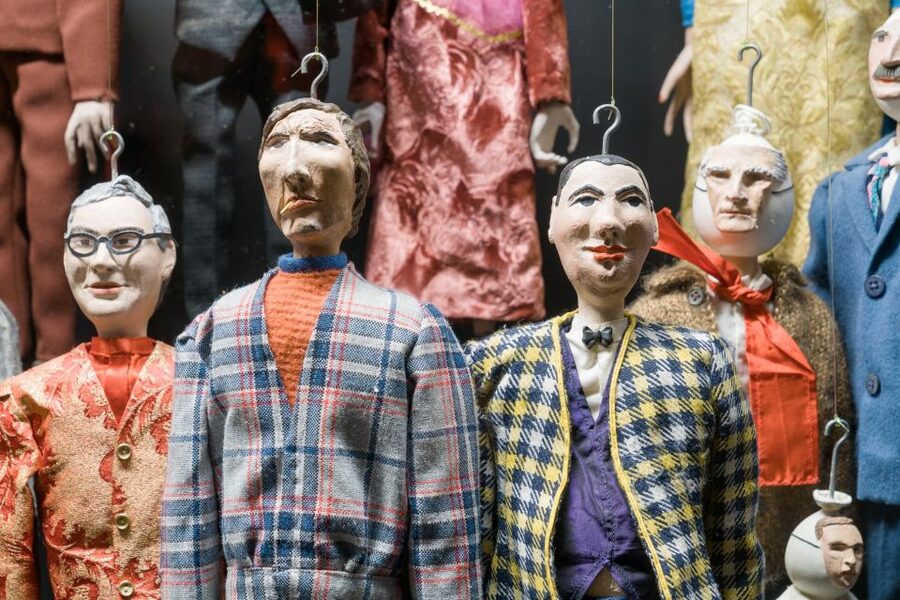
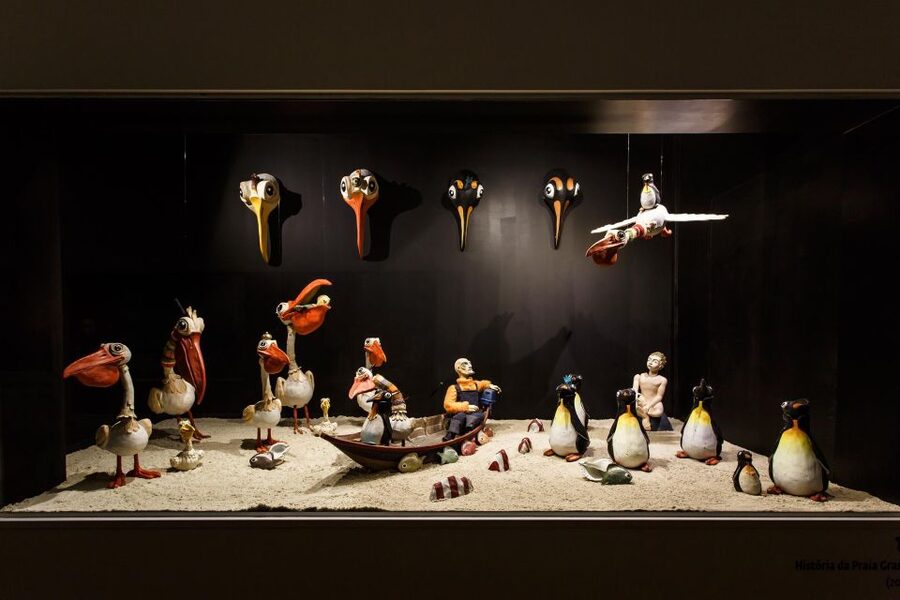
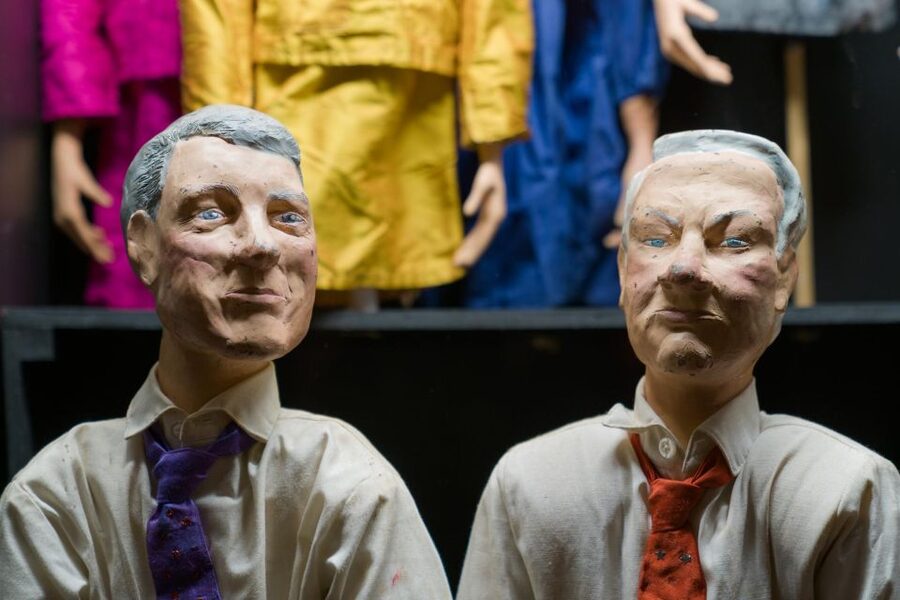
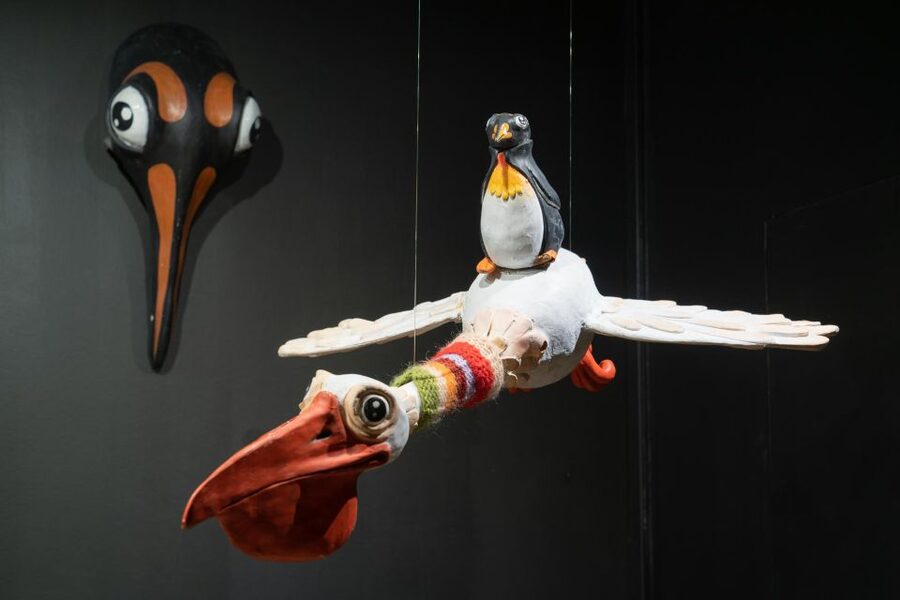
The exhibition includes puppets used in the company’s performances, along with props and other objects connected with its productions. Some displays also relate to the stories told on stage. Since the museum is built around one company and one central artist, the collection has a consistent voice.
That focus is the museum’s strength, but it also sets your expectations. You should not arrive expecting a vast collection covering every puppet tradition. Instead, you get a compact look at a Portuguese theatre company’s visual world and working methods.
The objects can be appreciated for their shape, materials, and character, but the performance excerpts help explain their purpose. A puppet can look curious, comic, strange, or even slightly unsettling when it is still. On screen, movement, timing, sound, and lighting show why it was created.
I recommend taking time with the relationship between object and performance. Look at the puppet first, then watch the related excerpt if available. This makes the visit feel less like a display of costumes and more like a behind-the-scenes look at theatre.
The hands-on room is the museum’s best feature
The special experimentation room is where this small museum becomes especially memorable. You can manipulate puppets and operate lights and sound. That simple invitation changes your role. Instead of only watching the company’s work, you get a basic feel for the decisions that shape a puppet performance.
This is particularly useful for families. Children can connect physical action with the result on stage. Move a puppet, change a light, or control sound, and the idea of theatre becomes easier to understand. It also gives young visitors something active to do between the exhibition displays.
Adults should not skip this area. Puppetry can look effortless when performed well, but the control, rhythm, and coordination behind it are not always obvious. The experimentation space gives you a small taste of that work without turning the museum into a formal workshop.
The room is also a good reason to allow more than a quick photograph stop. You might be able to move through the exhibition rapidly, but the hands-on section rewards a slower pace. If you visit with a child, plan your time around the chance to experiment rather than treating it as a minor extra.
The main limitation is that the available information does not specify the exact number of stations or how long each activity lasts. Think of it as an included interactive area, not a full puppet-making class or scheduled performance.
Performance excerpts bring the objects to life
Video excerpts from Teatro de Marionetas do Porto productions add an important layer to the museum. They show how the company uses puppets in an actual theatrical setting, with movement, staging, light, and sound working together.
This is one of the strongest parts of the visit for anyone unfamiliar with contemporary puppet theatre. The word puppet can suggest traditional children’s shows, but the company’s work is presented as a serious artistic practice. The museum connects the physical objects with the ideas and performances behind them.
I would pay attention to how much meaning comes from movement. A puppet’s character is not fixed by its face or costume. The performer’s timing and control help create that character. The clips make this clear in a way that a display case cannot.
The excerpts also help if you do not speak Portuguese. You can still understand a good deal through movement, sound, and visual staging. The museum’s multilingual video-guides provide added support for the exhibition material.
Same corner of the country, a different pace:
- Porto: Six Bridges Cruise
★ 4.2 · 11,680 reviews - Porto: Live Fado Show with Glass of Port Wine
★ 4.8 · 6,498 reviews - Porto: 6 Bridges Douro River Cruise
★ 4.3 · 6,472 reviews - Porto: Torre dos Clerigos Entrance Ticket
★ 4.6 · 6,395 reviews
Video-guides in four languages
Video-guides are available in Portuguese, English, French, and Spanish. A video-guide in Portuguese Sign Language is also available. This is more useful than a simple printed label because puppet theatre depends on action and presentation.
The guide can help you understand João Paulo Seara Cardoso’s role, the company’s work, and the purpose of the objects on display. If you are visiting in English, you should have a practical way to follow the museum without relying on Portuguese.
Portuguese and English are also listed among the languages used by the host or greeter. That gives you another point of support if you need basic help during your visit. The audio-guide options include Portuguese, French, English, and Spanish.
Language access is especially valuable in an author museum. Without context, you might see an attractive puppet but miss the connection to a particular production, story, or artistic idea. The guides help turn separate objects into a clearer picture of the company’s work.
A serious effort toward inclusive museum access
Museu das Marionetas do Porto has included accessibility features since 2017. These include tactile puppets, podotactile flooring, and Portuguese audio description. The museum is also wheelchair accessible.
The tactile puppets give people with visual impairments a way to understand forms that would otherwise be difficult to experience. Podotactile flooring can help with movement through the space. Audio description adds spoken information about the objects and displays in Portuguese.
The Portuguese Sign Language video-guide broadens access in another direction. Not every small museum provides several types of support, so these features are worth noting when you are planning with access needs in mind.
The available details do not explain every part of the building, such as restroom arrangements or the exact route through each room. If you need a specific accommodation, check directly with the museum before arriving. Still, the listed features show that access is part of the museum’s design, not an afterthought.
How long to allow for the visit
The admission is valid for one day, and the activity is described as a museum visit with video-guides, an experimentation space, and a children’s area. No fixed visit length is provided. One recent booking described the experience as short and sweet, which is a fair way to think about the format.
You can probably treat it as a compact cultural stop rather than a full-day outing. The one-day validity gives you some flexibility, but it does not mean you need to reserve an entire day for the museum itself.
I would allow enough time to watch the performance excerpts and use the experimentation room. If you rush through the displays, you will miss the connection between the objects and the company’s productions. If you are visiting with children, the hands-on sections may extend your stay.
The museum can fit well into a Porto itinerary when you want something indoors and focused. It is also a practical choice when your group has different interests. One person can study the objects, another can follow the video-guide, and children can use the activity areas.
Why the $4.13 price is good value
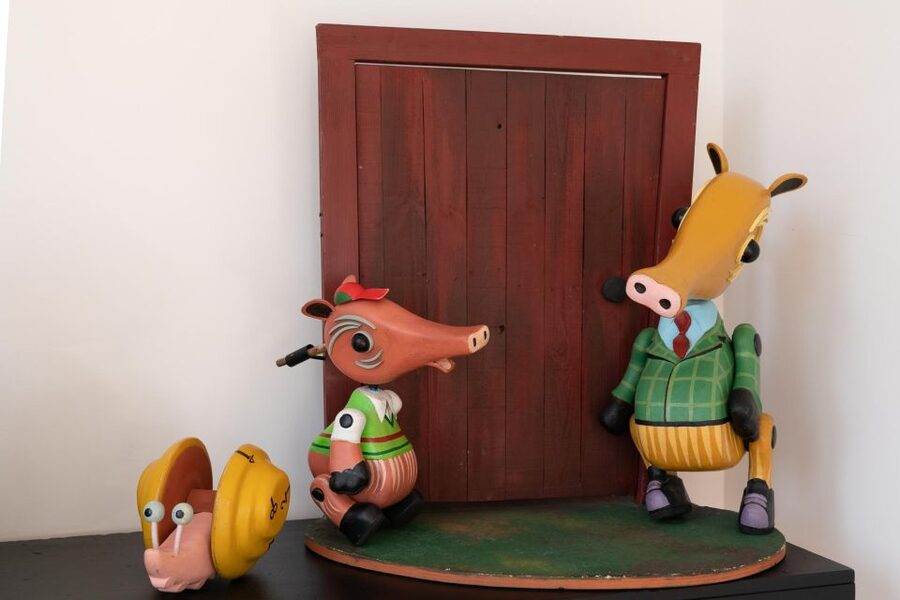
At about $4.13 per person, the admission is inexpensive by museum standards. The value comes from the combination of a focused collection, multimedia material, hands-on activities, and access features.
You are not paying for a huge number of galleries. You are paying for a carefully designed look at one Portuguese puppet company and the work of its founder. That distinction matters. If you enjoy theatre, design, visual storytelling, or family activities, the price feels especially fair.
The short format also limits your financial risk. You do not need to commit a large part of your budget or schedule. If you have a spare part of the day, this is an easy addition.
I would be less enthusiastic if you are looking for a broad museum of international puppetry. The price is still low, but the experience is specialized. Its value depends on whether you appreciate a close look at one artist and company.
Who will enjoy this museum most
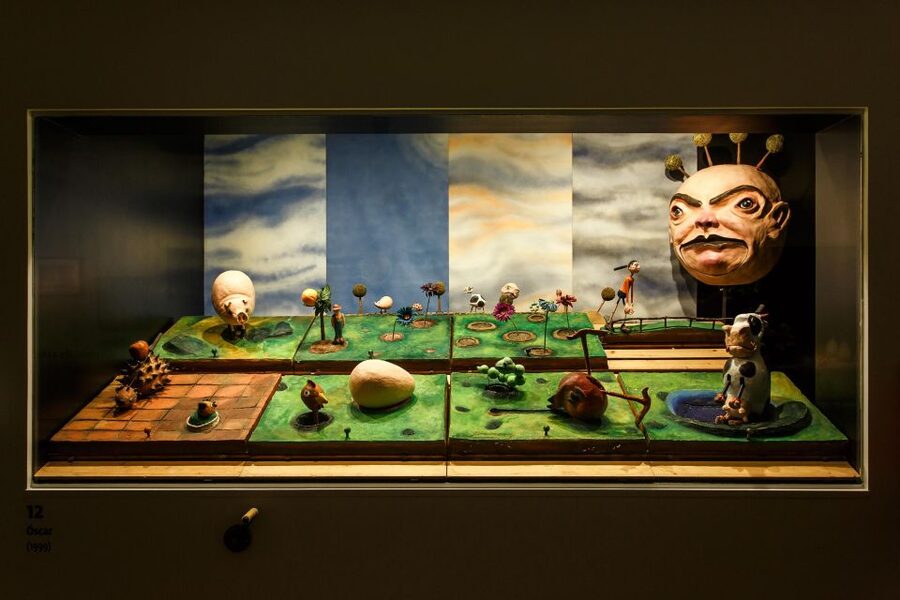
Families with children are a natural match. The experimentation room and children’s area give younger visitors a reason to engage, while the puppets and performance clips encourage imagination. One Portuguese booking specifically described the experience as good for children because it helps develop imagination, and that is exactly where the museum earns its family appeal.
The museum also suits adults interested in theatre and stagecraft. You can see how objects support performance rather than viewing them as isolated decorative pieces. The chance to operate lights and sound makes the visit more active than a standard collection display.
It is a good choice for visitors who value small cultural institutions. The museum preserves the work of a major figure in Portugal’s puppet scene and keeps that work connected with current public needs.
People with accessibility requirements may also find the museum worth considering because of its tactile, audio, signed, and floor-based features. Check any specific needs in advance, but the museum has made a clear effort to welcome a wider audience.
You may want to skip it if your schedule allows only one major museum and you prefer large collections with many historical periods. This is a focused experience, not a grand survey.
Practical planning and booking advice
The provider is Teatro de Marionetas do Porto. A host or greeter is available in Portuguese and English, while the video and audio material covers Portuguese, English, French, and Spanish. Check the available starting times before you book, since the ticket is valid for one day but the booking information asks you to select from available times.
You can reserve now and pay later, which helps if your Porto plans are still shifting. Free cancellation is available up to 24 hours in advance for a full refund.
The museum is on Rua de Belomonte, next to the company headquarters. It was formerly located at Rua das Flores 22, so use the current Rua de Belomonte address when planning your visit.
Because the museum is compact and the experience can be short, I would pair it with another nearby Porto activity rather than build an entire day around it. The best plan is to leave enough time for the displays, video-guides, and experimentation room, then continue with your wider city visit.
Should you book Museu das Marionetas do Porto?
I would book it if you want an affordable, unusual museum with a clear connection to Portuguese theatre. The hands-on room and performance excerpts give the visit more life than a simple collection of puppets, and the multilingual and accessible features make it easier for different people to enjoy together.
Families should give it strong consideration, especially if children need an activity that is more imaginative than passive. Adults who like stage design, performance, or contemporary arts will also get more from the focused subject.
Skip it only if you want a large museum or a long guided tour. For roughly $4.13, this is a thoughtful short stop that gives you a direct look at the work of João Paulo Seara Cardoso and Teatro de Marionetas do Porto.
FAQ
Where is Museu das Marionetas do Porto?
The museum is on Rua de Belomonte in Porto, next to the headquarters of Teatro de Marionetas do Porto.
How much does admission cost?
The listed price is about $4.13 per person.
How long is the museum visit?
The ticket is valid for one day, but no fixed visit length is provided. The experience is presented as a compact museum visit with video-guides, an experimentation space, and a children’s area.
What languages are available?
Video-guides are available in Portuguese, English, French, and Spanish. A video-guide in Portuguese Sign Language is also available. The host or greeter languages are Portuguese and English.
Is the museum wheelchair accessible?
Yes. The museum is listed as wheelchair accessible.
What accessibility features are offered?
The museum includes tactile puppets, podotactile flooring, and audio description in Portuguese. It also offers a video-guide in Portuguese Sign Language.
Can I cancel my booking?
Yes. You can cancel up to 24 hours in advance for a full refund. Reserve now and pay later is also available.
Recently added in Porto
- Porto: Tuk tuk Tours with Port Wine Tasting★ 4.5 · 65 reviews
- The Beautiful Story of Porto: Guided Tour with Entry Tickets★ 4.8 · 111 reviews
- Porto: Royal Oporto Tour na Real Companhia Velha★ 4.8 · 395 reviews
- Porto: Entry Ticket at WOW – The Wine Experience Museum★ 4.7 · 356 reviews
- Porto: WOW Daily Ticket★ 4.7 · 42 reviews
- Porto: Luxury Yacht Tour of the 6 Bridges and Douro Estuary★ 4.9 · 521 reviews
- Porto: 6 Bridges Port Wine River Cruise with 4 Tastings★ 4.8 · 182 reviews
- Porto Wine Tasting Experience with Portuguese Tapas Plate★ 4.7 · 356 reviews
Porto Tours, compared.

Complete Douro Valley Wine Tour with Lunch, Wine Tastings and River Cruise
Read our review →

Douro Valley: Wine Tour with Lunch, Tastings & River Cruise
Read our review →
Guided Tour by Tuk-Tuk & Optional Douro River Cruise
Read our review →Browse the lists this tour appears in