
REVIEW · PORTO TOURS
Matosinhos: Conservas Pinhais Factory Tour
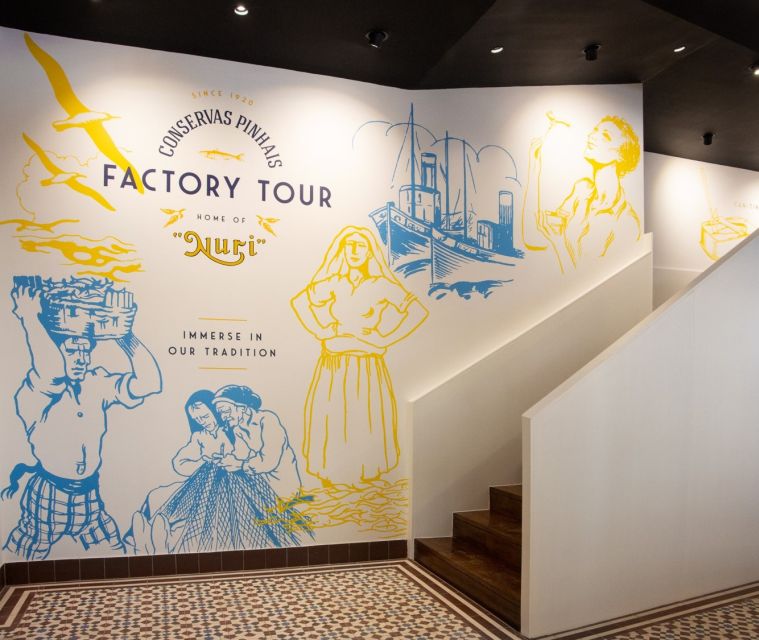
Sardines tell Portugal’s story surprisingly well. At Conservas Pinhais, I like the chance to see a working cannery’s century-old traditions up close, then wrap my own tin by hand. I also like the thoughtful tasting, where fish preserves are served with bread and a glass of wine or a soft drink.
The main thing to consider is timing. On weekdays, the production floor is active, but the exact work taking place depends on that day’s schedule and the available sardine catch. You may not see fresh fish being handled, though the tour still covers the wider process and includes hands-on activities.
In This Review
- Quick takeaways from the Pinhais visit
- Why a sardine cannery is worth your time
- Arriving at Avenida Menéres 700
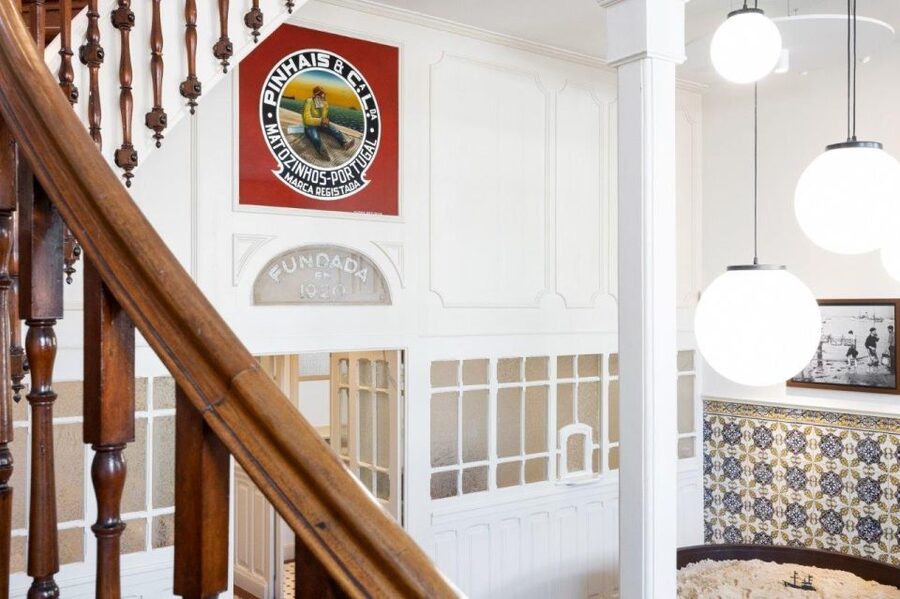
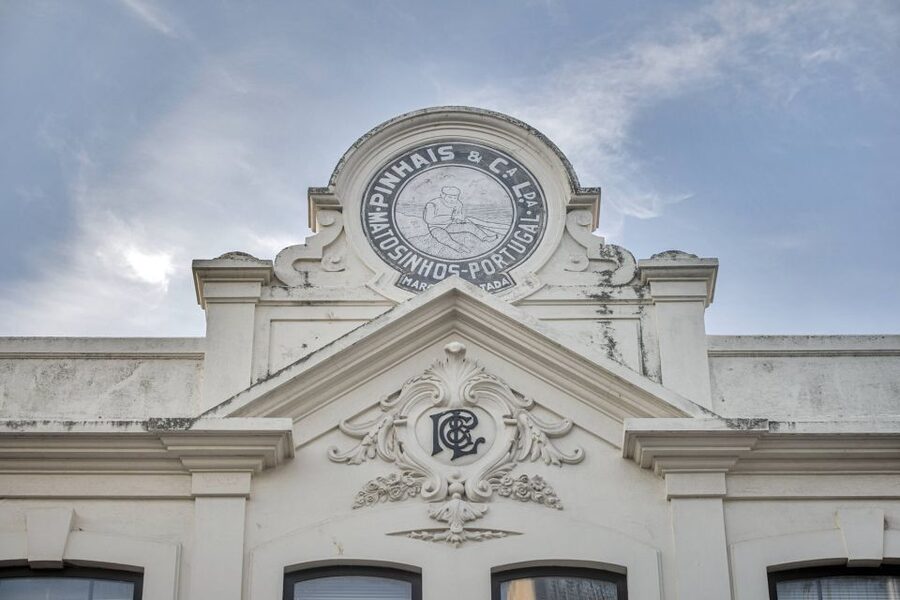
- The historic building and the family story
- Seeing the production floor in action
- The old workshop and hands-on wrapping
- Tasting sardines at the Can-Tin Café
- The shop and choosing your tins
- Guides, language, and group comfort
- Is $30 a fair price?
- Who should book this Matosinhos experience?
- Final call: book it or skip it?
- FAQ
- Where does the Conservas Pinhais Factory Tour begin?
- How long does the tour last?
- Is the tour offered in English?
- Will I see fresh fish being handled?
- What food and drink are included?
- Is the factory wheelchair accessible?
Quick takeaways from the Pinhais visit
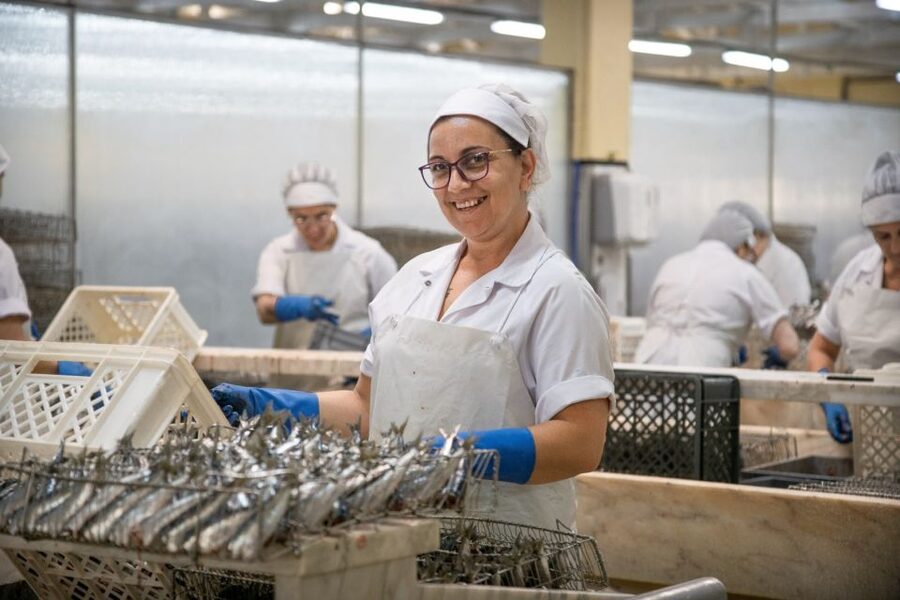
- A real working cannery: You pass through production areas where Pinhais staff carry out the company’s traditional methods.
- Your own wrapped tin: Every participant gets to practice wrapping a sardine tin, a small task that makes the visit more memorable.
- History with a human face: The tour focuses on the family company, its workers, and the resilience needed to keep an old method alive.
- A generous finish: The tasting includes fish preserves, bread, and a glass of wine or soft drink at the Can-Tin Café.
- Weekdays differ from weekends: Monday through Friday offers a look at the factory during active production. Weekend and holiday visits take place during the workers’ weekly break and include access to special areas.
- Good value at $30: For 1.5 hours of guided interpretation, a hands-on activity, tasting, drink, and shop visit, the price is fair for Porto-area sightseeing.
Why a sardine cannery is worth your time
Matosinhos is closely tied to Portugal’s fishing industry, so a cannery visit gives you more than a quick food sample. It shows how fish, workers, design, family ownership, and local industry come together in one place.
Pinhais presents itself as a company shaped by commitment, resilience, and long-standing values. That message could feel like ordinary company advertising in the wrong hands. Here, it has more weight because the tour takes you into the old building, the former workshop, and the production floor where the method is still carried out by hand.
I find the human side especially important. The story is not only about sardines in tins. It is about the people who have kept the business going and the employees who handle each stage of production. Several visitors have singled out the pride and care of the staff, as well as the sense that the company remains family-oriented.
The tour also helps you understand why canned fish is not merely a cheap pantry item in Portugal. Good preserves depend on the fish, the ingredients, the cooking or preparation method, the oil or sauce, and the final packing. At Pinhais, the small-batch approach and careful handwork are central to the product.
A few more Porto options side by side
- The Unvanquished Tour in Porto City Center
★ 5.0 · 26,497 reviews - From Porto: Douro Valley w/ Boat Tour, Wine Tasting & Lunch
★ 4.7 · 19,061 reviews - Complete Douro Valley Wine Tour with Lunch, Wine Tastings and River Cruise
★ 5.0 · 12,920 reviews
Arriving at Avenida Menéres 700
The meeting point is at Av. Menéres 700 in Matosinhos, at the Pinhais cannery. Before the tour starts, you need to exchange your voucher at the ticket counter. Allow enough time for this step rather than arriving at the last second.
The full experience lasts about 1.5 hours, while the guided factory portion is listed as one hour. The remaining time is used for the wrapping activity, tasting, café visit, and shop. Check the available starting time when booking, since the schedule can vary.
Pinhais provides protective clothing and headsets. The protective clothing is useful in a working food-production setting, while the headsets help you follow the guide clearly when machinery or factory activity creates background noise.
The visit is wheelchair accessible. Food, drinks, medicine, jewelry, backpacks, bags, and suitcases must be placed in lockers, so arrive prepared to store anything you do not need during the tour.
The historic building and the family story
The first part of the visit takes place in the historical areas of the centenary building. This gives you a sense of the company before you see its modern working routines.
Audiovisual material adds background to the family business and its long connection with fish preserves. The point is not to bury you in dates. Instead, the presentation explains how a traditional company has continued operating across generations and why its production method matters.
I appreciate this beginning because it gives context to everything that follows. Without it, the old workshop and the hand-wrapping task would be pleasant curiosities. With it, they become part of a larger story about continuity and work.
The company’s values receive plenty of attention. Pinhais emphasizes strong relationships, resilience, and respect for its production traditions. The presentation also helps explain why the factory takes pride in experienced workers rather than treating the process as a simple automated chain.
Seeing the production floor in action
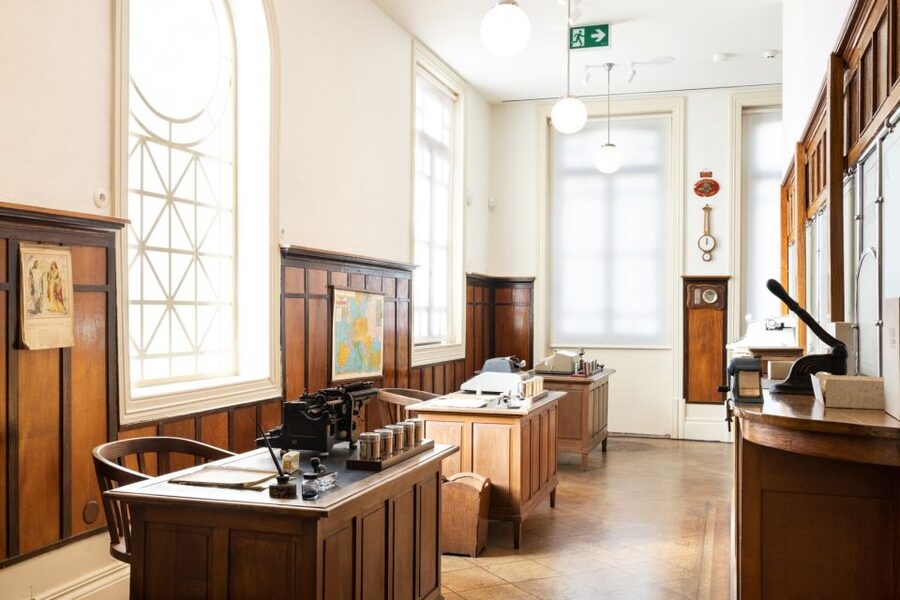
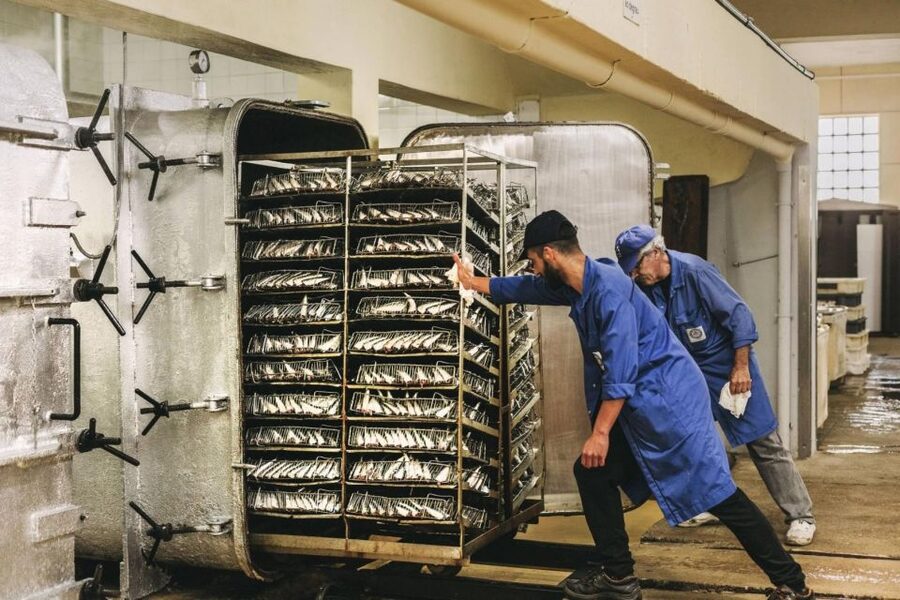
The production floor is the heart of the visit. On Monday through Friday, the tour enters the factory while production is active. You can see the stages planned for that day and watch experienced staff carry out the artisanal method.
The exact sequence matters. Canned fish production involves more than putting fish in a metal container. The company’s process depends on fresh fish and carefully selected ingredients, with workers performing individual steps by hand.
You might see some stages more clearly than others, depending on the day. Pinhais cannot guarantee that visitors will see fish being handled because the activity depends on the production schedule and the sardine catch limit. This is an important limitation, especially if your main goal is to watch fresh sardines being prepared.
Still, the uncertainty is also part of visiting a working cannery rather than a staged museum display. The factory is not running a special demonstration for every tour. You see the work that is planned for that day.
On weekends, national holidays, and after-hours visits, the production floor is visited during the workers’ weekly break. This means you may not see active staff production, but you can explore some of the factory’s more exclusive areas and take part in the traditional method with your own hands.
If watching the production line is your top priority, choose a weekday visit. If you prefer a quieter look at the building and more direct participation, a weekend or holiday visit may suit you better.
Same corner of the country, a different pace:
- Porto: Six Bridges Cruise
★ 4.2 · 11,680 reviews - Porto: Live Fado Show with Glass of Port Wine
★ 4.8 · 6,498 reviews - Porto: 6 Bridges Douro River Cruise
★ 4.3 · 6,472 reviews - Porto: Torre dos Clerigos Entrance Ticket
★ 4.6 · 6,395 reviews
The old workshop and hands-on wrapping
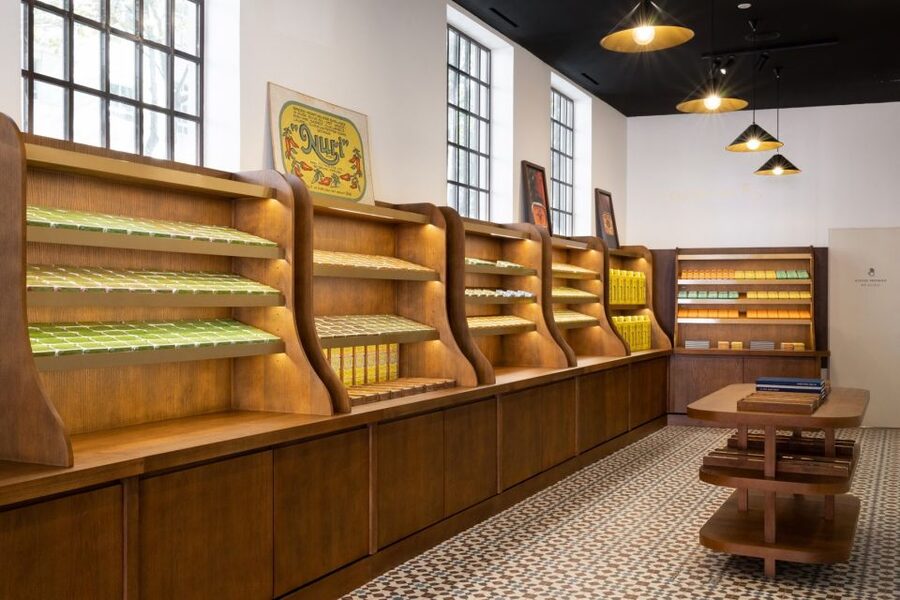
The old factory workshop adds a strong sense of place. It connects the present-day operation with the tools, spaces, and working habits associated with Pinhais’s earlier years.
The most memorable activity for many people is wrapping a tin yourself. Every person in the group gets the chance to learn this task, rather than simply watching a guide do it.
This is a small activity, but it changes the mood of the tour. You quickly discover that neat packaging takes more care than it appears to require. The exercise also gives you a better respect for the repetitive work carried out by the factory staff.
It is not a full apprenticeship, of course. You will not leave ready to work the production floor. But you will understand that the finished tin reflects many careful actions before it reaches the shelf.
The activity works well for families, couples, and anyone who enjoys practical demonstrations. It also gives children a reason to pay attention during the historical presentation. For adults, it is a nice break from simply standing and listening.
Tasting sardines at the Can-Tin Café
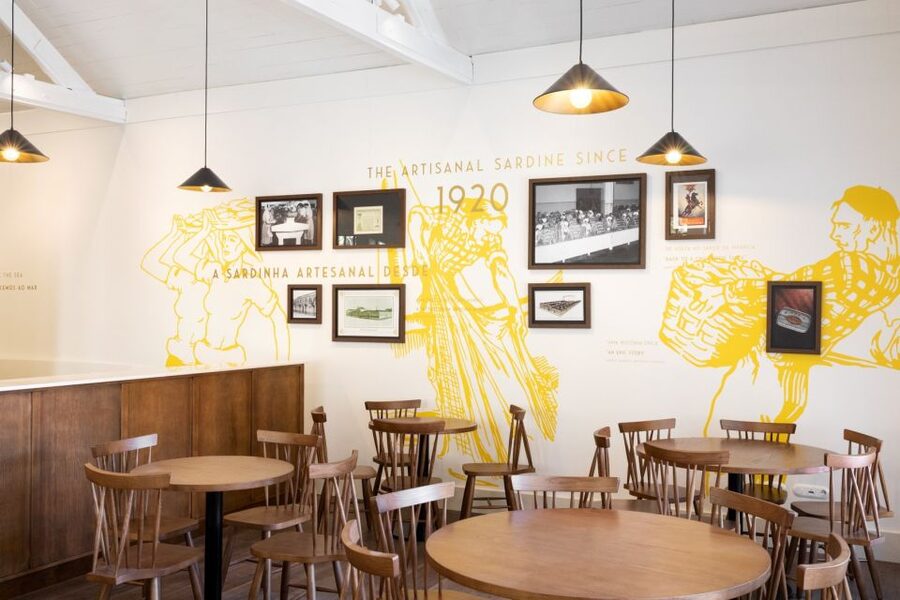
The tasting is one of the strongest parts of the experience. You sample Pinhais fish preserves with bread and receive a glass of wine or a soft drink.
The tasting helps put the production story into your mouth, not just your head. You can compare the texture and seasoning with the mass-market tins you may have encountered elsewhere. The spicy sardines in olive oil have received particular praise, and the wine pairing makes the final stop feel more like a small food experience than a token sample.
If you are unsure about sardines, this is a useful way to try them. One visitor who did not expect to like sardines ended up enjoying both the tasting and the products purchased afterward. The staff’s attention to ingredients and small-batch work appears clearly in the finished food.
Do not eat a large lunch immediately before the tour. The tasting includes sardines and bread, and it may be more filling than you expect. It is not described as a full restaurant meal, but you should arrive ready to sample rather than treat the food as a tiny garnish.
The café setting also gives you time to slow down after the production-floor visit. A glass of wine makes the ending feel relaxed, while the soft drink option works for anyone avoiding alcohol.
The shop and choosing your tins
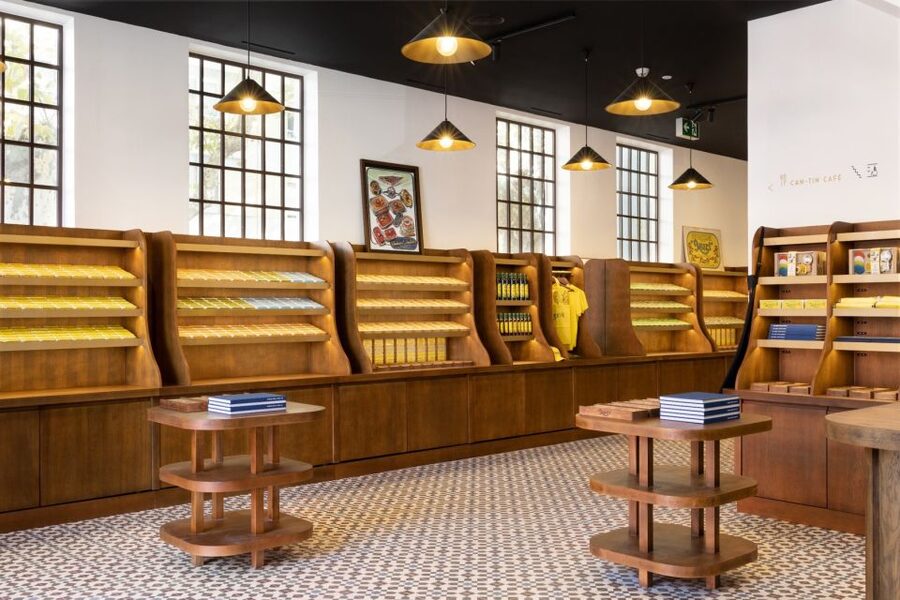
The tour finishes with a visit to Pinhais’s iconic shop. This is the practical place to buy the products you sampled, including sardines and mackerel.
I like this arrangement because you taste first and shop second. You are not being asked to buy an unfamiliar product based only on attractive packaging. You can decide which flavors you actually enjoyed.
The decorative tins also make useful gifts. The value depends on how much you want to carry, but the shop gives you a chance to buy directly from the company whose production you have just seen.
Several people have particularly enjoyed the spicy sardines. If you like stronger seasoning, pay attention to that option during the tasting. If you prefer a simpler flavor, ask which preserve offers a milder profile before buying several tins.
Guides, language, and group comfort
The tour is conducted in English, with a live English-speaking guide and an English audio guide included. Headsets help you hear the explanation clearly inside the factory.
The guide can make a major difference here because the production process is detailed and the building has a long story to tell. Roberto has been praised for being friendly, entertaining, and clear, while other visits have been described as informative and professional.
You should expect a guided experience rather than a self-directed museum visit. The guide connects the historic rooms, audiovisual material, production floor, workshop, tasting, and shop into one narrative.
The rating is 4.8 from 173 reviews, and the most consistent praise focuses on the guides, the history of the factory, the chance to see staff working, and the tasting. That pattern tells you where the tour is strongest: personal explanation, real production, and food.
Is $30 a fair price?
At $30 per person, this is not the cheapest way to spend 1.5 hours in the Porto area. It is also more than the price of buying a tin and a drink on your own.
The difference is what you receive around the food. The fee includes an English factory tour, protective clothing, headsets, access to historical areas, production-floor viewing, the old workshop, the wrapping activity, a fish-preserve tasting, a drink, and the shop visit.
I consider that fair value if you are interested in food, local industry, or traditional work. You are paying for access and explanation, not only for a snack.
The value is lower if you dislike fish, have little interest in manufacturing, or want a fast sightseeing stop. The tasting is central to the experience, and the tour spends real time explaining the company’s methods and history.
The option to reserve now and pay later makes planning easier, and free cancellation is available up to 24 hours in advance for a full refund. Keep those terms in mind when arranging a busy Porto itinerary.
Who should book this Matosinhos experience?
I would recommend the Pinhais tour to anyone who enjoys food production, family businesses, Portuguese culture, or old working buildings. It is especially good for curious visitors who want to understand how an everyday product is made.
It suits sardine fans, but you do not need to arrive as one. The tasting may change your mind, particularly if you enjoy olive oil, spices, and traditional preserves.
Families can also get a lot from it because the tin-wrapping activity gives the visit a hands-on element. Children who find historical displays slow may respond better when they can handle the packaging themselves.
The tour is a good choice for a rainy day, though the supplied information does not specify weather-dependent activities. It also works for repeat visitors to Porto who want something different from monuments, churches, and standard food stops.
I would be more cautious if you need a guaranteed view of fresh fish preparation. The factory cannot promise that. I would also check the visit date carefully if active production matters to you, since weekday and weekend visits offer different conditions.
Final call: book it or skip it?
Book the Conservas Pinhais Factory Tour if you want a genuine look at a traditional Portuguese food company, with a guide, a practical activity, and a proper tasting at the end.
The best reasons to go are the working production floor on weekdays, the old workshop, the chance to wrap your own tin, and the excellent sardine and wine pairing. Roberto and the other guides also seem to bring warmth and clarity to a subject that might sound niche on paper.
Skip it only if you do not like fish, need a fully predictable production demonstration, or have no interest in how food is made. For most curious visitors in Matosinhos, $30 buys a pleasant, informative hour and a half, plus a flavorful reminder of Portugal to take home.
FAQ
Where does the Conservas Pinhais Factory Tour begin?
The meeting point is Av. Menéres 700 in Matosinhos, Portugal. Exchange your voucher at the ticket counter before the tour begins.
How long does the tour last?
The complete experience lasts 1.5 hours. The guided factory visit itself is listed as one hour, with time also used for the workshop activity, tasting, café, and shop.
Is the tour offered in English?
Yes. The tour includes a live English-speaking guide and an English audio guide. Headsets are provided so you can hear the guide clearly.
Will I see fresh fish being handled?
Not necessarily. The activity depends on the production schedule for that day and the sardine catch limit, so Pinhais cannot guarantee that visitors will see fish being handled.
What food and drink are included?
The tour includes a tasting of Pinhais fish preserves, along with bread and a glass of wine or a soft drink.
Is the factory wheelchair accessible?
Yes, the activity is wheelchair accessible. Food, drinks, medicine, jewelry, backpacks, bags, and suitcases must be stored in the factory’s lockers during the visit.
Recently added in Porto
- Porto: Tuk tuk Tours with Port Wine Tasting★ 4.5 · 65 reviews
- The Beautiful Story of Porto: Guided Tour with Entry Tickets★ 4.8 · 111 reviews
- Porto: Royal Oporto Tour na Real Companhia Velha★ 4.8 · 395 reviews
- Porto: Entry Ticket at WOW – The Wine Experience Museum★ 4.7 · 356 reviews
- Porto: WOW Daily Ticket★ 4.7 · 42 reviews
- Porto: Luxury Yacht Tour of the 6 Bridges and Douro Estuary★ 4.9 · 521 reviews
- Porto: 6 Bridges Port Wine River Cruise with 4 Tastings★ 4.8 · 182 reviews
- Porto Wine Tasting Experience with Portuguese Tapas Plate★ 4.7 · 356 reviews
Porto Tours, compared.

Complete Douro Valley Wine Tour with Lunch, Wine Tastings and River Cruise
Read our review →

Douro Valley: Wine Tour with Lunch, Tastings & River Cruise
Read our review →
Guided Tour by Tuk-Tuk & Optional Douro River Cruise
Read our review →Browse the lists this tour appears in