
REVIEW · BRAGA TOURS
Guimarães: Palace of the Dukes of Bragança Entry Ticket
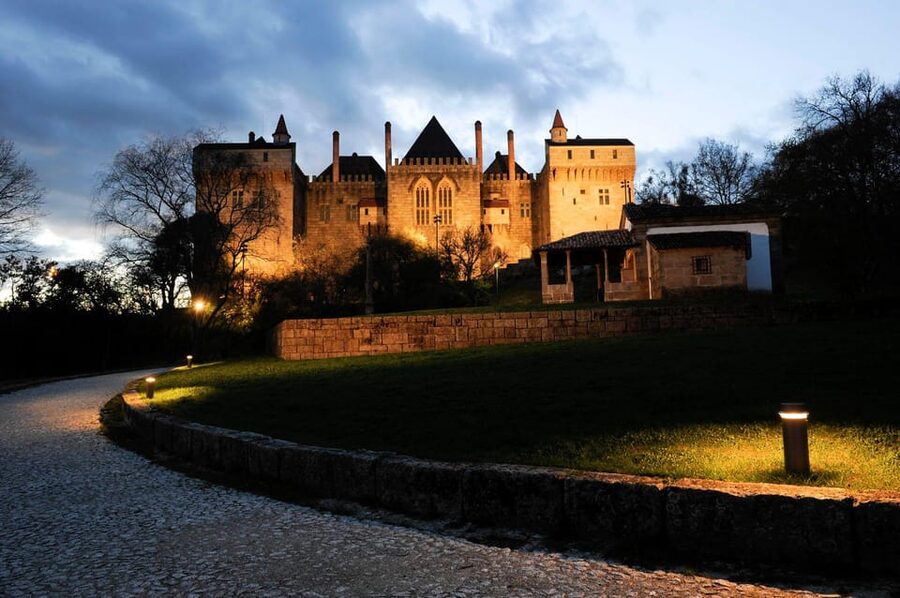
Royal rooms, modest price, real history. The Palace of the Dukes of Bragança gives you a clear look at Portuguese court life through grand halls, period furnishings, porcelain, paintings, weapons, and woven wall hangings. I especially like the $5 admission and the way the permanent exhibition is arranged like a lived-in house rather than a bare display of objects. One caution: the building is under renovation, and some areas may be affected.
This is an easy cultural stop in central Guimarães, with a full day of validity but a normal visit that should fit comfortably into a city outing. I also like the palace gardens and its link to the House of Bragança, though you should know that no guided tour is included and the site is not suitable for wheelchair users.
In This Review
- Key points to know before entering
- Why the Palace of the Dukes belongs on your Guimarães plan
- Starting with the palace’s grand rooms
- What the collections reveal about noble life
- The House of Bragança connection
- A look at the modern presidential connection
- Why the gardens are worth saving for last
- How long to allow and when to arrive
- Renovation and the discounted price
- Is $5 good value?
- Practical points that affect your visit
- Should you book the Palace of the Dukes?
- FAQ
- Where is the Palace of the Dukes of Bragança?
- How much does entry cost?
- How long is the ticket valid?
- What are the opening hours?
- Is a guided tour included?
- Can I take photographs inside?
- When is the palace closed?
- Is the palace accessible to wheelchair users?
- Is the ticket refundable?
Key points to know before entering
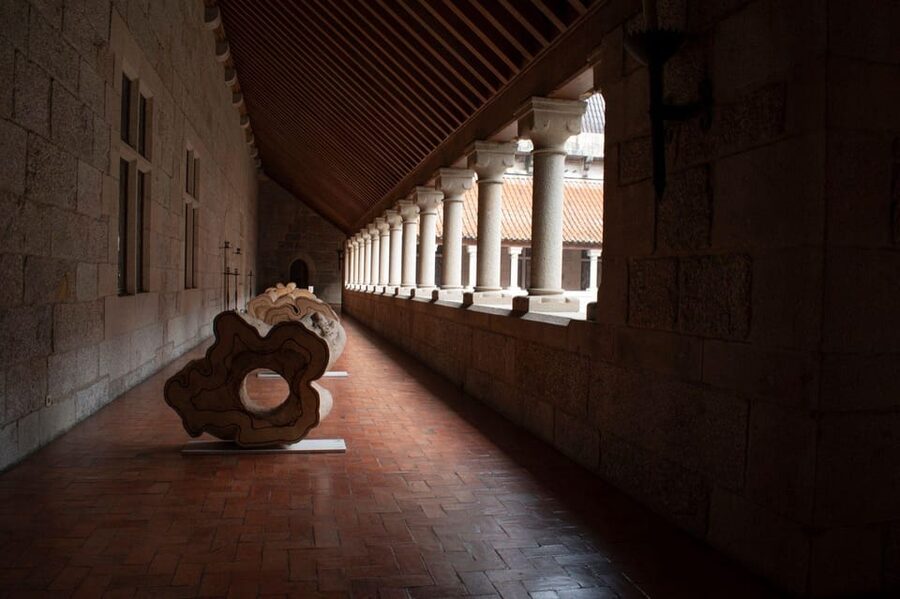
- Built for the first Duke of Bragança: D. Afonso founded the palace in the 15th century, giving the building a direct connection to one of Portugal’s most important noble families.
- A $5 museum visit: Admission includes the palace, permanent collections, and booking fee, making this one of Guimarães’ better-value paid sights.
- Rooms arranged as a house: You move through halls and chambers furnished according to their historical purpose, which makes the visit easy to follow.
- Collections beyond furniture: Look for porcelain, paintings, sculpture, weapons, and large decorative wall hangings from the 17th and 18th centuries.
- Renovation affects the experience: The discounted price reflects current work at the attraction, so the visit may not show every area at its best.
- Central location with gardens: The palace works well as a first stop before continuing through Guimarães.
Why the Palace of the Dukes belongs on your Guimarães plan
Guimarães is closely tied to the early story of Portugal, and the Palace of the Dukes gives that story a grand physical setting. You are not simply looking at a collection in glass cases. You are walking through a noble residence built for the first Duke of Bragança, D. Afonso, in the 15th century.
The building is described as a fine example of 17th-century seigneurial architecture, though its origins reach back further. That distinction matters. The palace reflects changes over time, and its present form helps you see how a powerful family lived, displayed wealth, and marked its place in Portuguese society.
I like the fact that the museum does not ask you to know a long list of names before arriving. The rooms provide the structure. You can move from one space to the next and understand the building as a home, a place of ceremony, and a public symbol.
The visit also connects the palace to the House of Bragança, a family that later became Portugal’s royal house. That connection gives the rooms more weight. A piece of furniture or a weapon is not just decoration here. It belongs to a setting shaped by rank, family power, and public duty.
A few more Braga options side by side
- From Porto: Hike, Swim or just Explore Gerês National Park
★ 4.8 · 323 reviews - Canyoning Tour
★ 5.0 · 230 reviews - Braga: Tuk Tuk City Tour
★ 4.8 · 156 reviews
Starting with the palace’s grand rooms
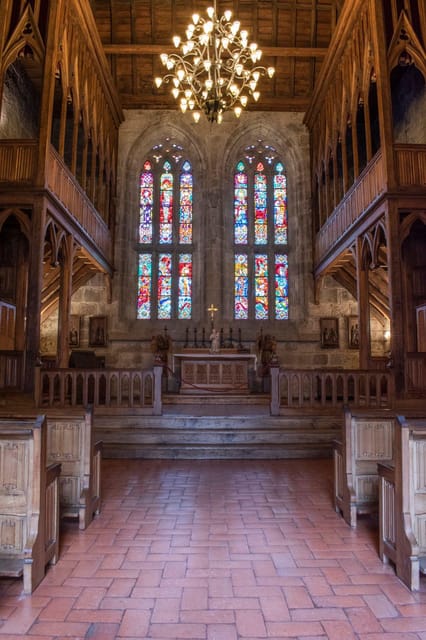
Your visit begins with the palace interior, where the scale does much of the talking. Large halls and formal rooms were built to impress. Even before you study an object, you can notice the high ceilings, broad spaces, and careful arrangement of furnishings.
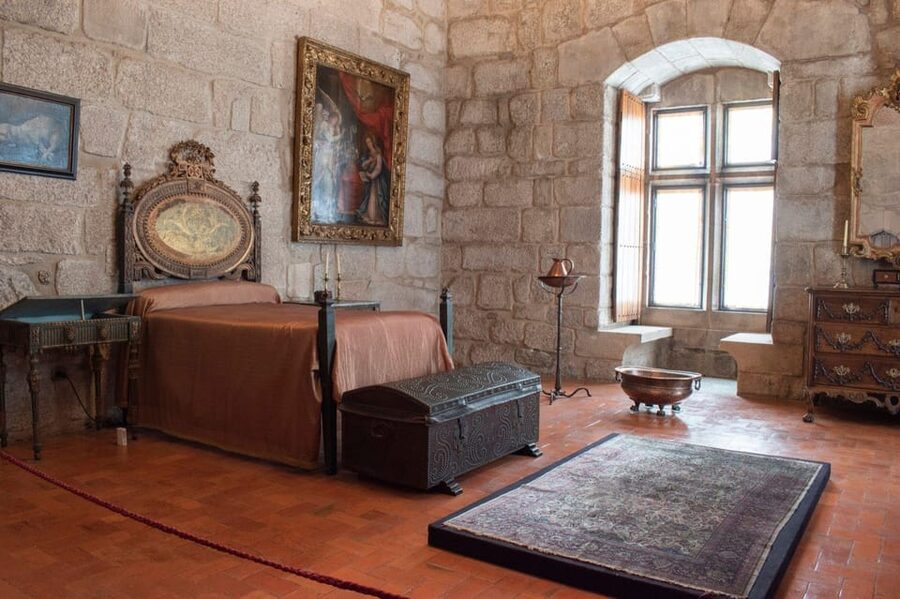
The permanent exhibition is meant to feel like a visit through a grand home. This is one of the palace’s strongest features. Instead of presenting each item as an isolated treasure, the display places furniture, art, and household objects in rooms that suggest how they were used.
That approach helps you slow down. In a typical museum, you may glance at a painting and move on. Here, you can ask a more useful question: what sort of room needed this object, and what did it tell people about the family living there?
The setting also gives children and casual museum visitors something to follow. You move from room to room rather than searching for a single famous object. If you enjoy architecture, the palace itself may hold your attention as much as the collections.
At the same time, the grand interiors are not presented as a guided performance. You are responsible for reading the information and setting your own pace. Since a guide is not included, I would allow extra time for anyone who wants historical context rather than a quick look around.
What the collections reveal about noble life
The palace collection covers porcelain, paintings, sculpture, furniture, weaponry, and decorative wall hangings, with an emphasis on the 17th and 18th centuries. Together, these objects show several sides of noble life.
Porcelain points to refinement and display. Paintings add family, religious, and decorative subjects to the rooms. Furniture tells you how space was used, while sculpture gives the interiors a more formal tone. Weapons bring in another part of aristocratic identity, since noble status was linked not only to comfort but also to military power and service.
The collection works best when you look at the objects as a group. A single chair may not seem remarkable. In a furnished room, alongside paintings and porcelain, it helps explain how a formal residence was arranged for ceremony and status.
The weaponry may appeal most to visitors who prefer practical history over decorative art. It provides a useful counterpoint to the palace’s softer furnishings. The family represented here lived in comfort, but its position was also connected to command, defense, and public authority.
I would not expect a museum packed with elaborate explanations at every turn. The experience is more about the overall setting and the feeling of moving through a historic residence. If you want a specialist account of each piece, a separate guide or prior reading would help, but the $5 ticket still gives you plenty to see.
The House of Bragança connection
The palace’s most important story is its link to the House of Bragança. D. Afonso, the first Duke of Bragança, founded the building, and the residence became tied to a family that would later play a major role in Portugal’s monarchy.
That family connection gives the palace a useful focus. Instead of trying to cover all of Portuguese history, the museum lets you see how one powerful house expressed its position through architecture and possessions.
You can think of the building as a family headquarters as much as a home. Its halls provided room for formal occasions. Its collections signaled education, taste, wealth, and military authority. Its size made rank visible to anyone who entered.
This is also why the palace works well early in your Guimarães visit. After seeing it, you have a stronger sense of the kind of political and social world that shaped the city. The palace does not tell every part of Guimarães’ story, but it gives you a strong starting point.
Same corner of the country, a different pace:
- Canyoning Tour in Portugal
★ 4.9 · 133 reviews - 3 Wonderful Waterfalls in a Day
★ 5.0 · 84 reviews - KAYAK TOUR: Descend the Beautiful Lima River
★ 5.0 · 82 reviews - Canyoning Tour From Porto
★ 5.0 · 79 reviews
A look at the modern presidential connection
One wing of the palace serves as the official residence of the Presidency of the Republic. That detail adds an unusual modern layer to the visit.
You are looking at a historic palace that is not frozen entirely in the past. Part of the building still has an official public role, linking the old residence to Portugal’s present-day state. The contrast is worth noticing: one part functions as a museum, while another remains connected to national government.
Access to the presidential wing should not be assumed. The information provided for this experience describes it as part of the palace’s wider importance, but the ticket is specifically for entrance to the palace and museum collections. Treat the wing as context, not as a guaranteed separate tour.
Why the gardens are worth saving for last
After the rooms, make time for the palace gardens. They offer a quieter finish and a chance to step away from the formal interiors.
The garden visit is not presented as a major botanical attraction, so I would keep expectations sensible. Its value is in the pause. You can take in the surroundings, review what you have seen, and let the palace’s scale settle before continuing through central Guimarães.
This is particularly useful if you are building your own city walk. The palace is centrally located, so you can use it as an opening stop, a mid-visit break, or a final cultural visit before leaving the historic center.
How long to allow and when to arrive
The ticket is valid for one day, and opening hours are 10:00 a.m. to 6:00 p.m. Last admission is at 5:30 p.m. That final half-hour is not a good time to arrive if you want to see the rooms without rushing.
I would aim for the morning or early afternoon. A 10:00 a.m. start gives you the best cushion for reading displays and visiting the gardens. An early afternoon entry can also work, but remember that the palace closes at 6:00 p.m.
The ticket does not state a fixed visit duration. You can make the palace a short stop or spend longer with the rooms and collections. Since the ticket remains valid for one day, check the on-site rules if you are hoping to leave and return, rather than assuming reentry is allowed.
The attraction closes on January 1, Easter Sunday, May 1, June 24, and December 25. June 24 is the city holiday, so this date is especially easy to overlook when planning a Guimarães visit.
Renovation and the discounted price
The palace is currently under renovation and is offered at a discounted price. At $5 per person, the admission is already inexpensive, and the lower price makes the visit easier to recommend despite the work.
Still, you should set your expectations correctly. Renovation can mean closed rooms, altered routes, scaffolding, or visual distractions. The exact effect may change over time, so check current conditions before you commit your day around the palace.
I see the discount as a fair trade if you care about the building, the family story, and the collections more than a perfectly polished museum experience. If your priority is seeing every room in finished condition, you may prefer to wait until the renovation is complete.
The attraction’s overall rating is 4.3 from 44 reviews, which suggests a generally positive response but not universal satisfaction. The strongest praise centers on the beauty of the palace and the chance to understand the culture of the period. A serious complaint concerns a purchased palace visit that was not operating, so checking same-day availability is sensible, especially around holidays or renovation changes.
Is $5 good value?
Yes, for most people. The ticket includes entry to the Palace of the Dukes of Bragança, access to the museum collections, and the booking fee. Food, drinks, and a guided tour are not included.
The price is low enough that you do not need to turn the visit into a major commitment. You can see the principal rooms, enjoy the collections, visit the gardens, and continue your city walk without spending much of your sightseeing budget.
The value is strongest for:
- People interested in Portuguese noble families
- Architecture fans
- Visitors who like furnished historic homes
- Families who prefer a self-paced museum
- Anyone looking for a central Guimarães activity
- Art lovers who enjoy mixed collections rather than one narrow subject
The value is weaker if you need a guide to explain every room or require full step-free access. In those cases, the ticket may not meet your needs on its own.
Practical points that affect your visit
Photography is allowed, but flash photography is not. Turn off your flash before entering and follow any additional instructions inside the museum.
The experience is not suitable for wheelchair users. That is an important limitation, so contact the attraction directly before booking if you need specific accessibility information.
There is no food or drink included, and the ticket is for the cultural site itself. Plan refreshments separately during your time in Guimarães.
This is not a guided tour. You will explore independently, which gives you freedom but also means the palace may feel less informative if you arrive without any background. A little preparation about D. Afonso and the House of Bragança can make the rooms more meaningful.
One piece of booking feedback connected to this product praised a guide named Ivo and a driver named Americano, but those comments describe a broader tour involving Sintra and are not evidence that either person leads this palace visit. Do not book this ticket expecting a named guide or transport service.
Should you book the Palace of the Dukes?
I would book it if you want a low-cost, central museum visit that combines architecture, family history, furnishings, art, and gardens. The $5 price is hard to criticize, especially when the palace gives you a real sense of how a powerful Portuguese household presented itself.
I would pause if accessibility is essential, if you want a guided explanation, or if renovation work would spoil your enjoyment. Before booking, check that the palace is operating on your intended date, then arrive well before the 5:30 p.m. last admission.
For most visitors to Guimarães, this is a worthwhile first stop. It gives the city a strong historical frame, and you can continue exploring once you have seen how the House of Bragança lived.
FAQ
Where is the Palace of the Dukes of Bragança?
It is located in central Guimarães in Portugal’s Norte Region.
How much does entry cost?
The listed price is $5 per person. The booking fee is included.
How long is the ticket valid?
The ticket is valid for one day.
What are the opening hours?
The palace is open from 10:00 a.m. to 6:00 p.m. Last admission is at 5:30 p.m.
Is a guided tour included?
No. The ticket includes palace entry and access to the museum collections, but not a guided tour.
Can I take photographs inside?
Yes. Photography is allowed without flash.
When is the palace closed?
It is closed on January 1, Easter Sunday, May 1, June 24, and December 25.
Is the palace accessible to wheelchair users?
The experience is listed as not suitable for wheelchair users.
Is the ticket refundable?
No. This activity is non-refundable.
Recently added in Braga
- Classic Tasting | Quinta de Santa Cristina Vinho Verde★ 5.0 · 38 reviews
- Water Canyoning★ 5.0 · 47 reviews
- Peneda-Gerês Hiking & Sightseeing: Private Experience★ 5.0 · 67 reviews
- KAYAK TOUR: Descend the Beautiful Lima River★ 5.0 · 82 reviews
- Surf Lesson for Beginners – Private Groups★ 5.0 · 38 reviews
- Private Culture and Wine Tourism Tour★ 5.0 · 43 reviews
- Full-Day Braga & Guimarães Guided Semi-Private Tour with Lunch from Porto★ 5.0 · 43 reviews
- Ponte de Lima Guided Buggy Tour★ 5.0 · 68 reviews
Braga Tours, compared.







Browse the lists this tour appears in